When someone searches for emergency housing in New Jersey, they are usually not doing research for fun. Something has happened. A lease ended badly. A fire made a home unsafe. A family has nowhere to stay. A storm damaged a property. A person is sleeping in a car and trying to figure out what comes next.
So let’s keep the first part simple.
If you need help right now in New Jersey, contact your county social service agency during business hours. If it is after hours, a weekend, or you are not sure where to start, call 2-1-1. NJ 211 can help connect people with shelter and local emergency housing resources.
That is the immediate step.
But this article is also about the bigger problem behind that call. Emergency housing is not only a social services issue. It is a building issue too. If a town, county, nonprofit, or development partner does not have enough safe places ready, every emergency becomes harder. People wait longer. Families get moved farther away. Hotels become expensive temporary fixes. Shelters fill up. Caseworkers spend too much time searching for space that simply does not exist.
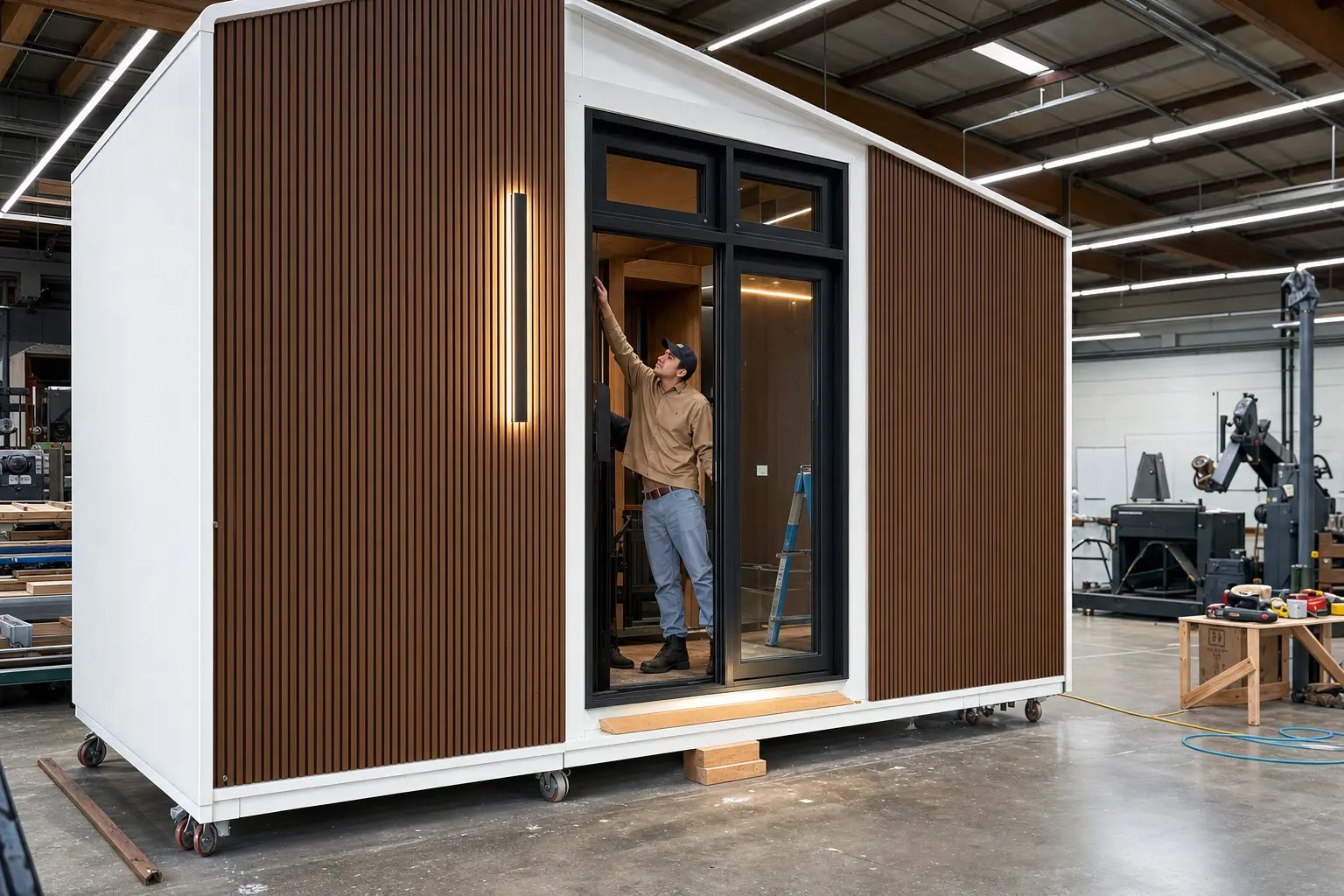
At Azure Printed Homes, we build future-focused modular living spaces using robotically 3D-printed construction, recycled materials, and factory-controlled fabrication. For emergency housing, that kind of speed and predictability matters. Not because one building method solves everything, but because emergency response needs better tools.
The First Step When Time Is Tight
If you personally need emergency housing in New Jersey, the first steps are short and direct.
Call your county social service agency during regular business hours. If it is after hours, call 2-1-1. Say clearly that you need emergency housing or that you are at risk of homelessness.
Details That Can Help
You may be asked about:
- Where you are right now
- Whether you have a safe place to sleep tonight
- How many people need shelter
- Whether children are with you
- Whether anyone has medical needs or a disability
- Whether you receive SSI, TANF, General Assistance, or WorkFirst NJ
- Whether you were evicted, displaced, or forced out by unsafe conditions
If you are still housed but about to lose that housing, say that too. Use the phrase “at risk of homelessness.” Some support is meant to prevent people from losing housing before they end up in shelter.
That is the practical side. Make the call. Ask what to do next. Write down the agency name, time, person you spoke with, and any instructions they give you.
The Space Between Shelter and Home
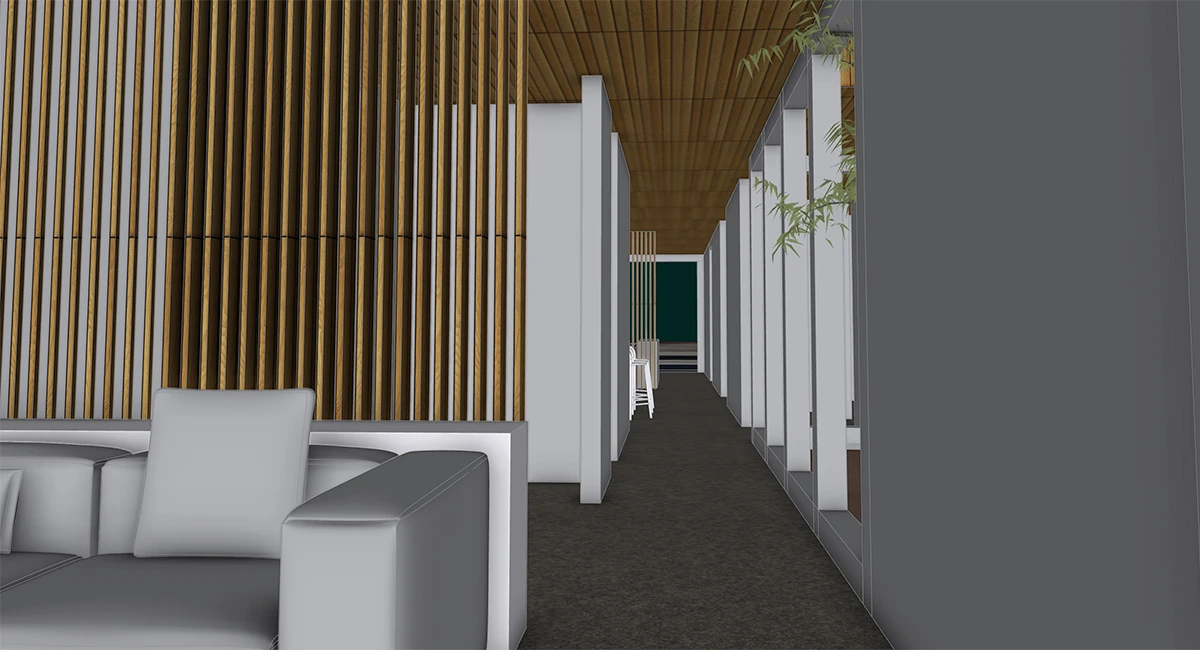
Emergency housing often sits in an awkward middle place. It is not always permanent housing. It is not always a shelter bed either. It may be temporary, transitional, interim, disaster-response, supportive, or part of a longer recovery plan.
That middle space is important.
People need somewhere to go after the first night. Families need privacy. Older adults may need safer layouts. People with health needs may need stable utilities, climate control, and access to services. Children need to stay connected to school when possible. Caseworkers need housing that gives them enough time to help people move toward the next step.
A cot in a gym may work for a very short time. A hotel room may help for a few days. But if a housing emergency stretches into weeks or months, the building itself starts to matter much more.
That is where communities need better options. Not just more units, but better-planned units. Spaces that are faster to deploy, easier to repeat, and still built with dignity in mind.
Emergency Housing Is a Construction Problem Too
Most people do not connect emergency housing with construction timelines. But they are closely linked.
When housing takes too long to build, emergency systems stay under pressure. When every project has to start from scratch, communities lose time. When on-site construction is slowed by labor schedules, weather, material delays, and complicated coordination, the people waiting for housing feel the delay first.
Traditional construction can be useful and necessary. But urgent housing needs often require a different pace.
Factory-built and modular construction can help because much of the work happens off-site. While a property is being prepared, the unit or building components can be manufactured in a controlled environment. That creates a more predictable process and can reduce the amount of messy, drawn-out work happening on the site itself.
For emergency housing, predictability is not a luxury. It is part of the response.
If a city knows how long fabrication takes, what utilities are needed, how the units arrive, and how they connect to the site, it can plan with more confidence. That does not remove approvals, funding, or site work. But it does make the building side less uncertain.
The Best Time to Plan Is Before the Emergency
A community does not become ready for emergency housing by waiting until people are already displaced.
The better question is: what can be prepared before the crisis?
A serious emergency housing plan should look at land, utilities, zoning, access, operations, and unit type before the need becomes urgent. This is not glamorous work. It is checking maps, reviewing sites, talking with agencies, and knowing which properties could actually support housing.
The Site Comes First
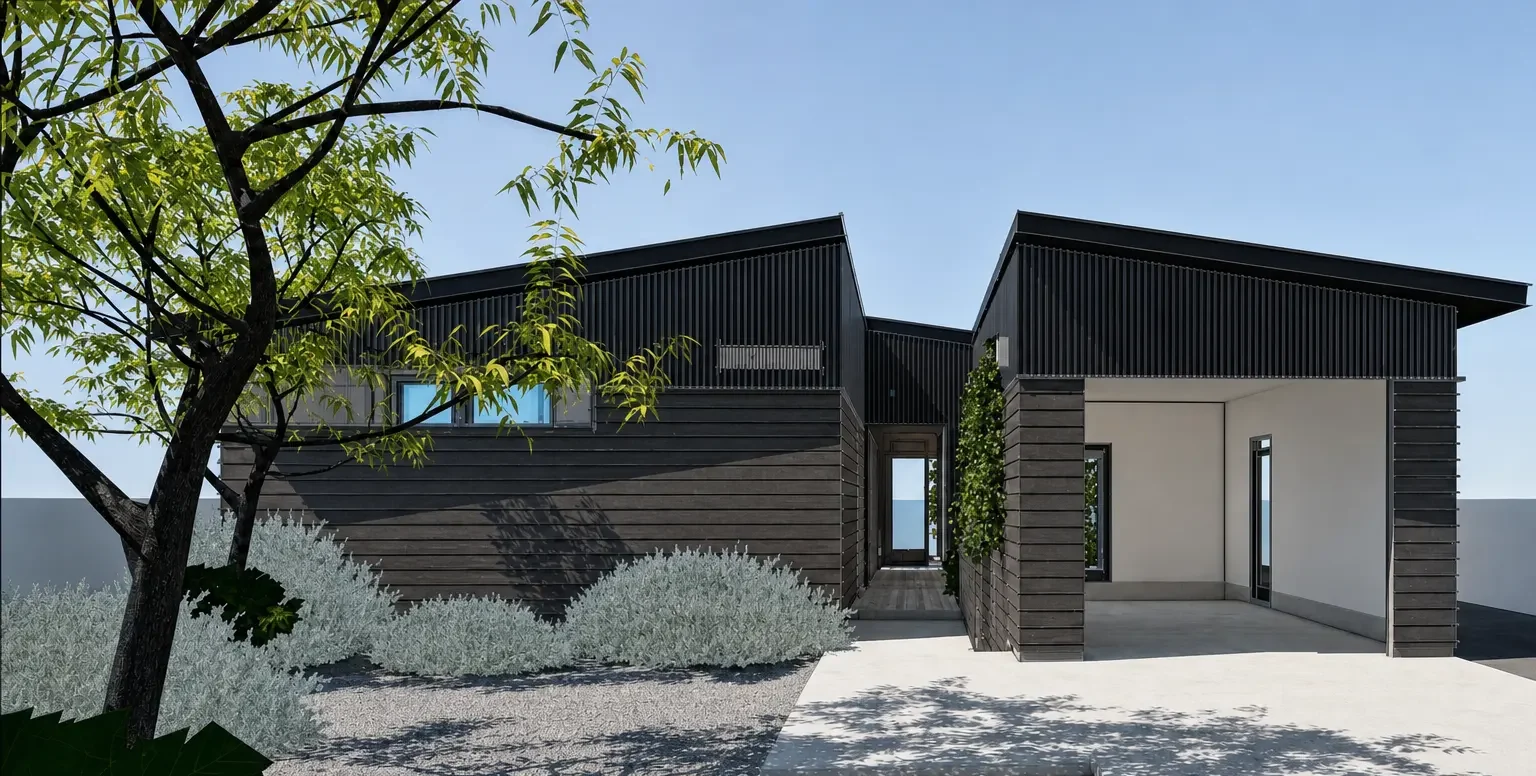
The unit matters, but the site decides a lot. A well-built modular home cannot help anyone if there is no legal or practical place to put it.
The best emergency housing sites usually need:
- Legal permission for the intended use
- Safe access for delivery and residents
- Water, sewer, and electrical planning
- Drainage and grading review
- Fire access and emergency vehicle access
- Room for support services
- A maintenance plan
- A clear operator or housing partner
- A realistic path through local approvals
This is why emergency building should be planned like infrastructure. Roads, schools, utilities, and hospitals are all part of public readiness. Housing should be too.
The Questions That Save Time
For cities, counties, housing authorities, nonprofits, and development partners, a few early questions can prevent major delays later.
Before an emergency happens, teams should know:
- Which sites could support urgent housing
- Who owns the land
- What approvals would be needed
- Whether utilities are nearby
- How units could be delivered
- Who would operate the site
- How residents would access services
- Whether the housing could be reused later
These are not exciting questions. But they are the questions that keep a project from getting stuck when time matters most.
Speed Matters, but It Cannot Be the Whole Promise
Emergency housing has to move quickly. That part is obvious. But speed alone is not enough.
A fast unit that is uncomfortable, hard to maintain, or poorly matched to the site can create new problems. A cheap structure that fails too soon is not really cheap. A temporary project that ignores dignity can make an already difficult situation feel worse.
Good emergency housing should balance speed with real performance.
That means thinking about:
- Weather protection
- Insulation and thermal comfort
- Fire safety
- Durability
- Privacy
- Accessibility
- Utility connections
- Maintenance
- Long-term reuse
- Resident comfort
People in emergency housing are often dealing with enough already. The space should not add more stress.
Controlled fabrication helps make quality more consistent. It also reduces the amount of work that has to happen outdoors, where weather and site conditions can slow the project down.
The goal is not just to build faster. The goal is to build faster without making the result feel careless.
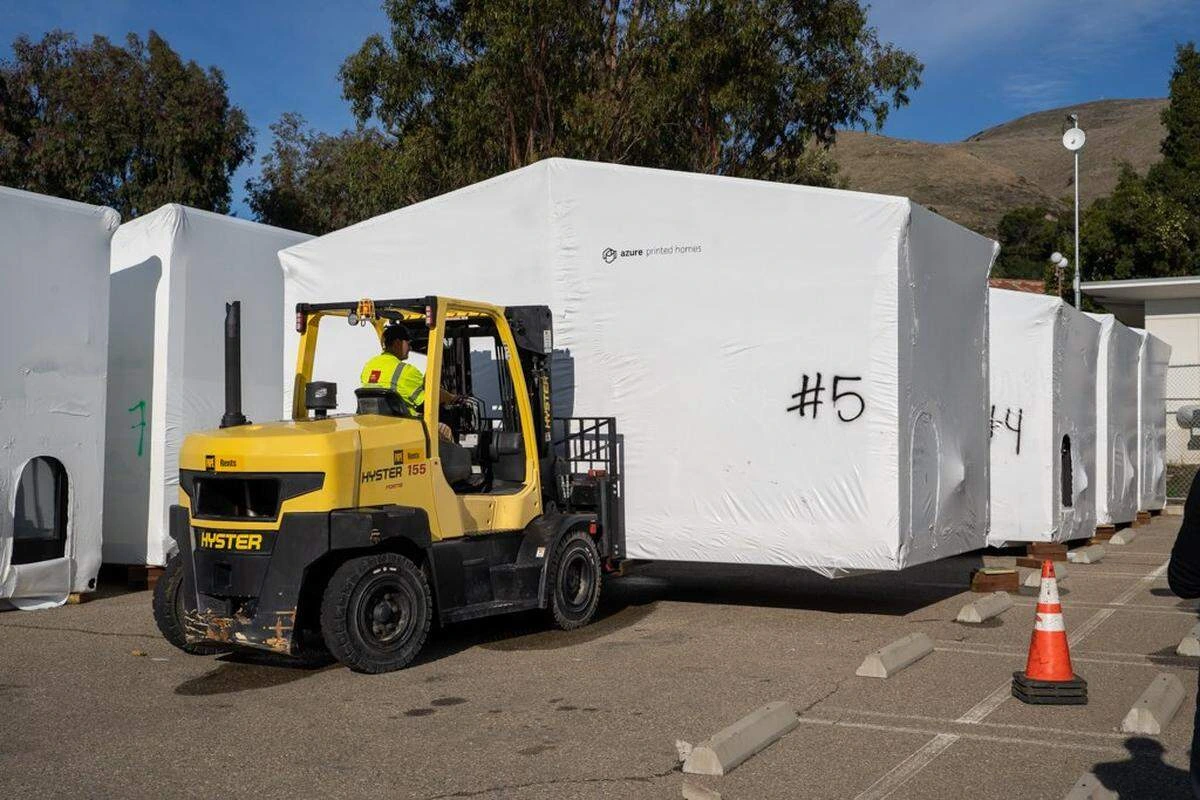
How Faster Building Can Support Urgent Housing
At Azure Printed Homes, our work starts with a simple belief: smaller spaces can still carry serious purpose.
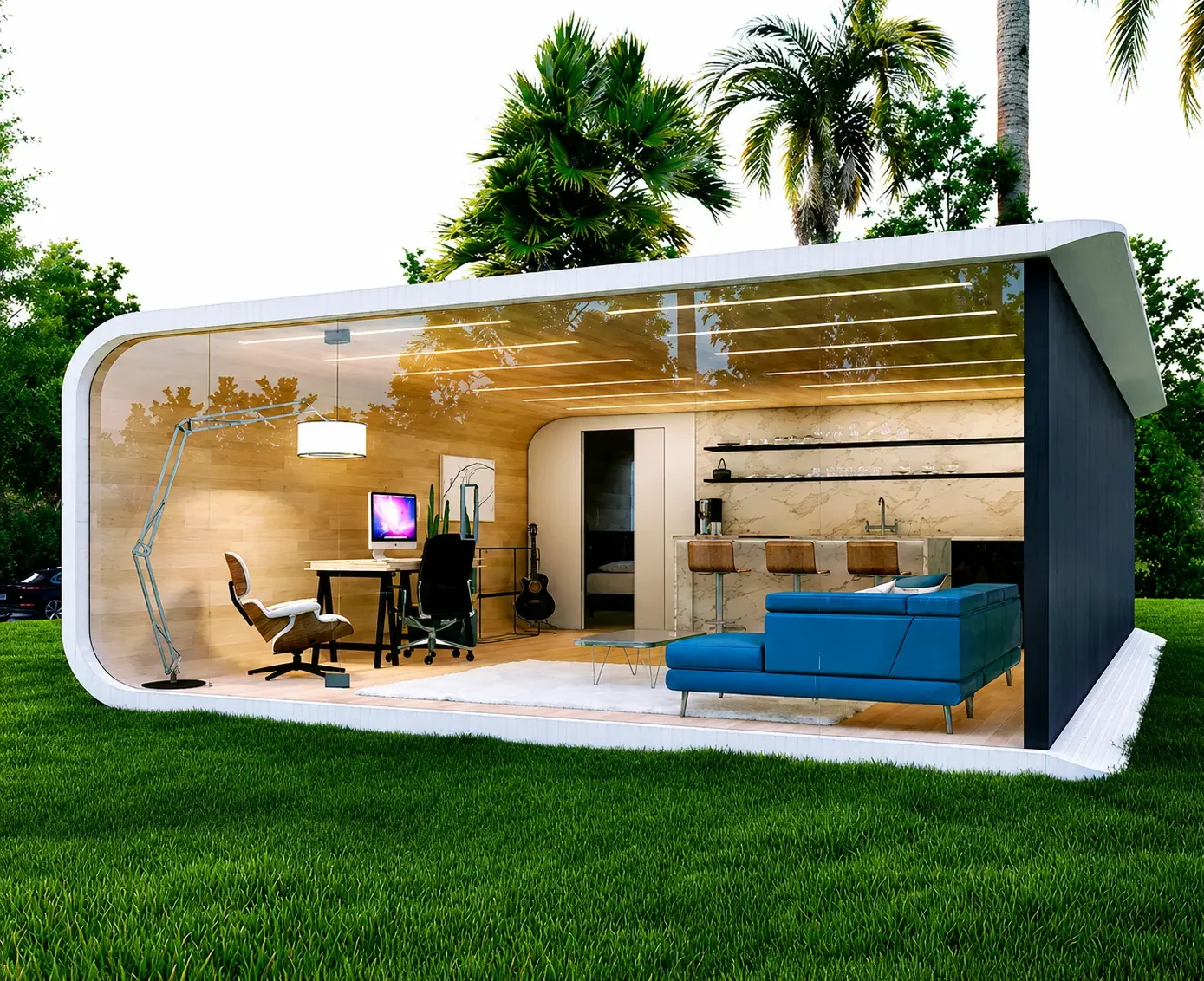
We make modular living spaces using robotically 3D-printed construction and recycled plastic waste. Our models are designed around faster fabrication, less waste, energy-conscious performance, and layouts that make compact living feel practical.
For emergency building, those ideas become especially useful. A community may need a few small units after a localized displacement event. A nonprofit may need interim housing for people moving out of homelessness. A developer or public agency may need repeatable units for a larger supportive housing site. A county may need a more flexible response plan before storm season, flooding, or other emergencies.
Built Around the Situation
Emergency housing should not be treated as one generic thing. Different needs call for different models, code paths, sites, and timelines.
A short-term displacement need is not the same as a supportive housing project. A few units after a fire are not the same as a larger site for ongoing emergency response. That is why the model, placement plan, utilities, and approvals all have to match the real use.
Different Spaces for Different Needs
Our product categories include:
- Studio Series for compact flexible uses where a full dwelling is not needed
- Homes on Wheels for certain mobile or temporary placement needs where local rules allow
- Homes & ADUs for larger living spaces with more complete residential features
- Professional Building Systems for larger development teams and repeatable housing projects
Not every product is right for emergency housing. A backyard studio is not the same thing as a full residential unit. A home on wheels follows a different placement path than a permanent modular home. A larger system for developers has different planning needs again.
That distinction matters. Emergency housing works better when the building type is chosen for the situation, not forced into it.
The Site Is Half the Project
This is where emergency housing plans often get more complicated than expected.
A unit can be manufactured quickly, but the site still needs to work. Land has rules. Utilities have limits. Roads have access requirements. Stormwater has to be handled. Fire safety has to be reviewed. Residents need transportation and services.
A strong site plan looks at questions like:
- Can the land legally be used for emergency or interim housing?
- How fast can utilities be connected?
- Is the site close enough to services, transit, schools, or clinics?
- Can units be delivered without major access problems?
- Is the ground ready for foundations or placement?
- Who will manage the residents and the property?
- Can the site expand if the need grows?
- What happens to the units after the first emergency ends?
That last question is important. Emergency housing should not be disposable if it can be reused. A unit that serves one urgent need may later support another housing program, a workforce site, a recovery project, or a different community use.
When the building is durable and the plan is flexible, the investment can keep working.
Professional Building Systems for Bigger Needs
Some emergency housing needs are small and local. Others are much larger.
For larger-scale projects, the conversation moves beyond individual units. Developers, architects, general contractors, public agencies, and housing partners need building systems that can support repeatable layouts, faster delivery, and clearer coordination.
This is where our professional building system becomes relevant. It is designed for larger-scale, repeatable housing work, combining light-gauge steel, high-performance envelopes, 3D printing, and advanced fabrication. The point is to help reduce timelines, control costs, and lower some of the risk that comes with complex construction.
For emergency housing, that type of system can support projects where speed and repeatability matter, but where code compliance, durability, and performance cannot be skipped.
A public agency may need interim housing for the unhoused. A developer may be working on missing middle housing. A municipality may need faster rebuilding after a disaster. A nonprofit may need a site that can grow in phases.
In each case, the building method should make the project easier to deliver, not harder to manage.
From Emergency Response to Housing Readiness
Emergency housing will always need human support. People need caseworkers, benefits, transportation, legal help, healthcare, food, safety planning, and long-term housing pathways. A building alone cannot solve homelessness or displacement.
But the building is not a minor detail.
A safe, durable, comfortable place gives people room to breathe. It gives agencies time to work. It gives families a better chance to stay connected to school, jobs, and care. It gives communities a more practical way to respond when housing pressure rises.
For us, that is the real promise of emergency building. Not a quick fix. Not a one-size-fits-all answer. A better tool.
A Clear Path Forward
If you need emergency housing in New Jersey today, start with your county social service agency or call 2-1-1. Keep the ask clear. Say whether you have a safe place to stay tonight. Ask what emergency housing or prevention help may be available.
If you are looking at this from the community side, the question is larger: how can New Jersey build more readiness before the next emergency happens?
Part of the answer is faster, smarter, more predictable housing. Modular spaces. Factory-built systems. Less waste. Better site planning. Units that can move from concept to use without dragging every project through the same slow construction path.
Emergency housing should be more than a last-minute scramble. It should be planned, practical, and built for people who need a safe place quickly.
That is the work worth doing.