Emergency housing in Florida can mean different things depending on the situation. For one person, it may mean finding a shelter bed tonight. For another, it may mean stopping an eviction before it happens. After a hurricane or flood, it may mean temporary recovery housing while repairs are made.
The first step is usually not choosing a building. It is finding the right local support. Florida housing help often moves through county agencies, shelter networks, nonprofit providers, disaster recovery programs, and local referral lines. Once the immediate need is clear, the bigger question becomes: where can people actually stay?
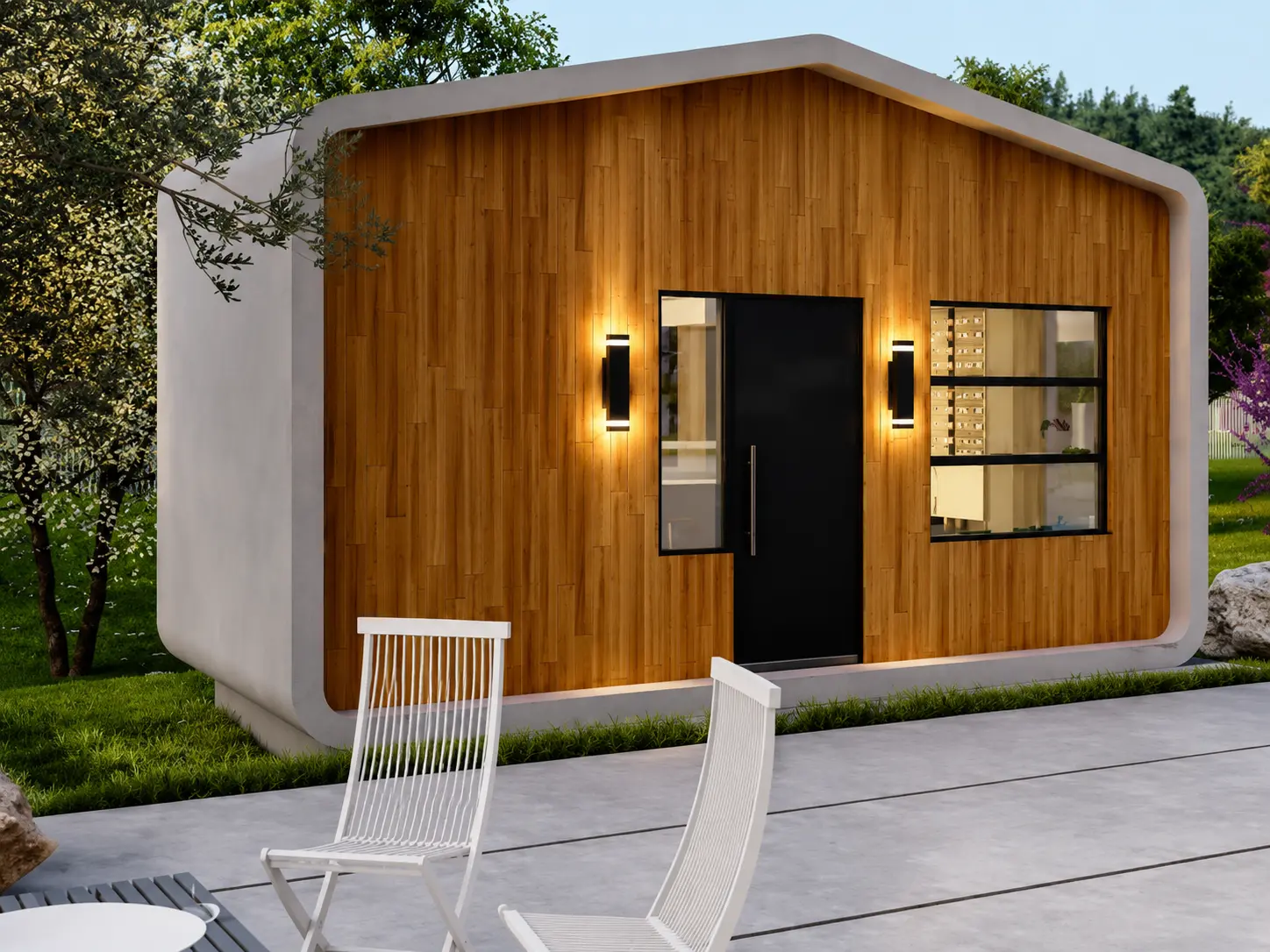
That is where new building methods matter. At Azure Printed Homes, we create robotically printed modular living spaces using recycled materials. In emergency housing, this kind of construction can help communities move beyond short-term fixes and add real, usable housing capacity faster.
Understanding Real Emergency Housing Options
Emergency housing is not one path. It is a set of options, and the right one depends on what is happening right now.
When a Place Tonight Is Needed
If someone has nowhere safe to sleep, emergency shelters are usually the first option. Shelter space may be available through local providers, faith-based organizations, family shelters, youth shelters, veteran programs, or domestic violence services.
In Florida, calling 211 can help connect a person with nearby shelter referrals and basic needs support. Availability changes quickly, so it is often better to call first before going to a location.
When Eviction Is the Problem
If a person still has housing but is at risk of losing it, eviction prevention may be the better starting point. Help may include rental assistance, utility support, mediation, legal referrals, or local housing programs.
This is an important difference. Emergency housing does not always begin after homelessness. Sometimes the most useful help is keeping a person in their current home.
When a Disaster Caused the Housing Crisis
Florida communities know how quickly storms can change everything. After a declared disaster, housing support may include temporary lodging, rental help, home repair assistance, or other recovery resources.
But disaster recovery also exposes a bigger issue: communities need physical housing that can be added quickly. Temporary support helps, but people still need safe places to live while neighborhoods recover.
When Short-Term Shelter Is Not Enough
Some households need more than a bed for a few nights. Transitional housing, supportive housing, and recovery housing can help people move from crisis toward stability.
These programs may include case management, employment support, health services, or longer stays. They are often limited by the same challenge: there are not enough units available.
When Communities Need More Units
This is where modular construction enters the conversation. Shelters, rental assistance, and public programs are essential, but they all depend on one basic thing: available places to live.
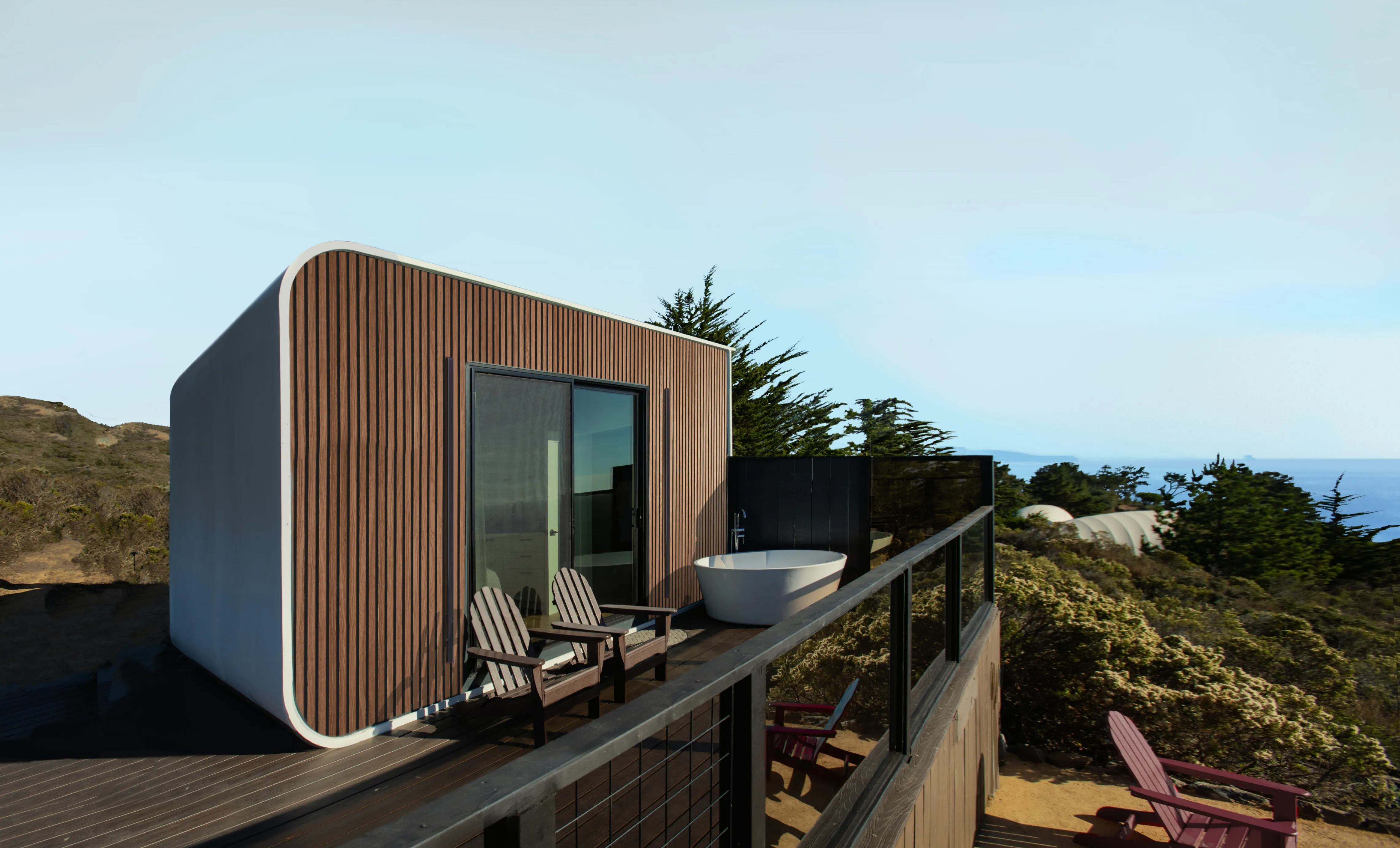
Printed modular homes can help add those places. They can be used for emergency housing sites, transitional villages, disaster recovery, workforce housing, ADUs, or flexible community housing projects.
At Azure Printed Homes, we build modular living spaces with robotic 3D printing and recycled materials. Our homes are designed for practical use, not just as a concept.
For Florida, this can matter in several ways:
- Communities can add compact private units for emergency or transitional housing.
- Property owners can explore ADU-style housing for family support or rental use.
- Local governments and developers can plan repeatable housing models.
- Disaster recovery projects can use modular units where fast deployment is important.
- Homes on wheels can support projects that need more flexibility.
The goal is simple: create useful housing that can be planned faster and built with less waste.
Housing Solutions for Individuals, Families, and Communities
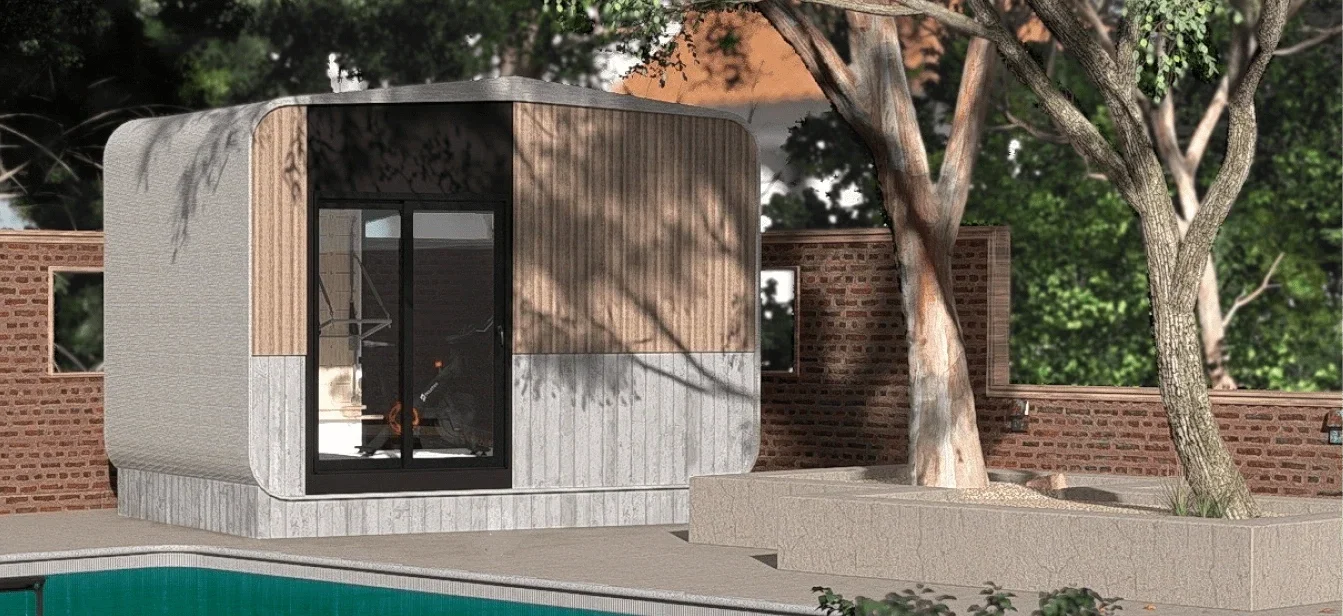
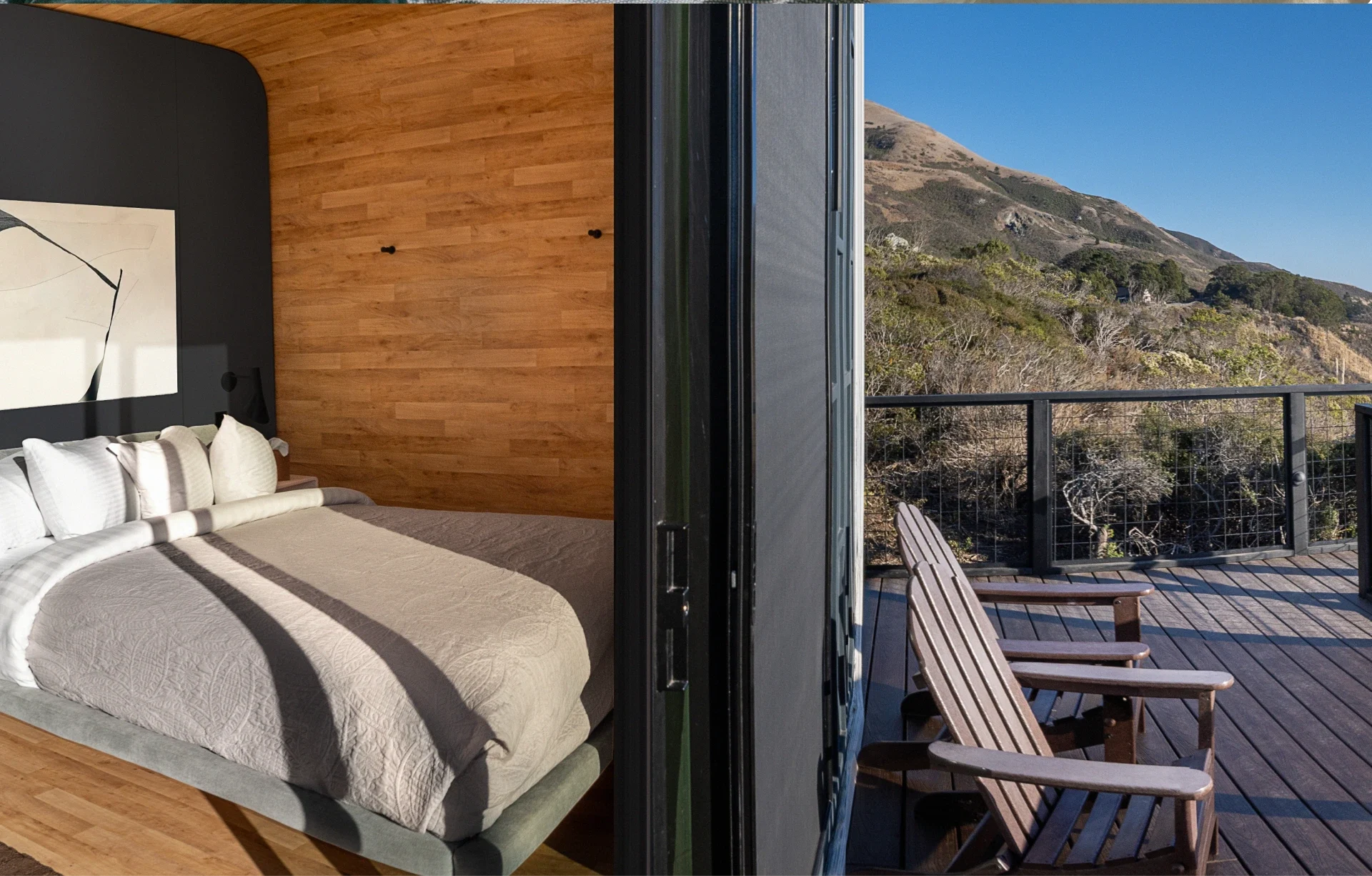
Different housing needs require different spaces. A compact studio may work for one person, while a larger ADU-style home may support longer-term living. A home on wheels may be the right fit when mobility matters.
Pricing depends on the model, configuration, delivery, installation, site work, utilities, finishes, and local requirements.
| Azure Model | Approx. Size | Type | Starting Price | Best Fit |
| A/D/C-100 | 100 sq ft | Studio unit | $24,900 | Private room, compact shelter support, backyard use |
| A/D/C-120 | 120 sq ft | Studio unit | $29,900 | Small studio, guest space, flexible support unit |
| N100 | 100 sq ft | Studio unit | $24,900 | Compact housing, private space, small-site projects |
| A-180 | 180 sq ft | ADU-style unit | $49,900 | Studio living, guest housing, small independent unit |
| A-360 | 360 sq ft | ADU-style unit | $89,900 | Independent living, emergency housing, longer-term use |
| A-540 | 540 sq ft | ADU-style unit | $134,900 | Larger living space, family support, rental use |
| A-720 | 720 sq ft | ADU-style unit | $174,900 | Multi-room housing, long-term residential use |
| A-900 | 900 sq ft | ADU-style unit | $219,900 | Larger households, full residential use |
| X180 | 180 sq ft | Home on wheels | $69,900 | Mobile studio, flexible temporary housing |
| X270 | 270 sq ft | Home on wheels | $84,900 | One-bedroom mobile living |
| X360 | 360 sq ft | Home on wheels | $109,900 | Two-bedroom mobile living |
What the Process Looks Like
A modular project still needs planning, but the building path is easier to understand.
The Unit Is Chosen
The project starts with the use case. Is the unit for one person? A family? A temporary site? A backyard? A recovery project? A larger community housing plan? This decision affects the model, layout, utilities, finishes, and installation needs.
The Home Is Printed
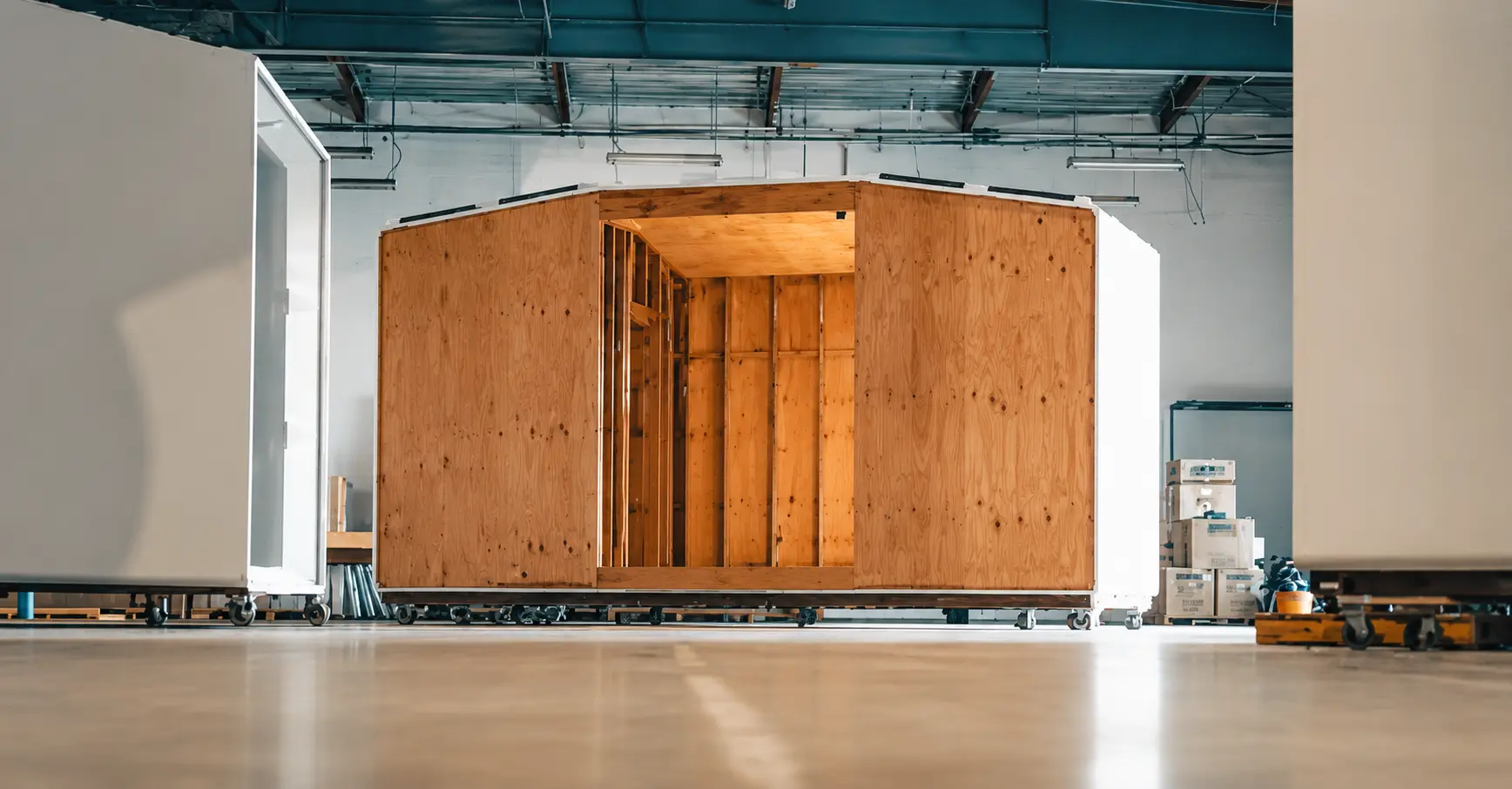
Azure homes are robotically printed using recycled materials. The printed structure can be produced in about one day, depending on the model and project details. That speed is one of the biggest reasons modular construction is relevant to emergency housing. It helps reduce the long waiting period often tied to traditional buildings.
Finishes Are Added
After printing, the unit is completed with selected finishes and systems. This may include electrical, plumbing, interior details, doors, windows, HVAC, and other features. Finishing usually takes longer than printing because this is where the unit becomes ready for real use.
The Unit Is Delivered and Installed
Once complete, the unit is delivered to the site and installed. Site readiness matters here. A prepared pad, clear access, utility connections, and local approvals can all help avoid delays.
How Long the Modular Building Process Takes
The printed structure can come together quickly, but the full project includes configuration, finishes, delivery, installation, site work, permits, and utility connections.
A typical process at Azure may include:
- Configure the unit: More than 1 hour to choose the model, layout, and key details.
- Print the home: About 1 day to robotically print the structure.
- Install finishes: 4-15 days to add electrical, plumbing, interior finishes, and selected features.
- Delivery: 1-2 days to bring the completed unit to the site.
- Installation: 1-4 days to place the home and connect the necessary services.
In Florida, local permitting, storm-season conditions, floodplain rules, and utility work may affect the full timeline. The benefit is that modular construction makes more of the process easier to plan.
Preparing the Site Before the Unit Arrives
A strong modular project starts before delivery. The smoother the site, the smoother the installation.
Check Local Rules
Florida cities and counties may have different rules for ADUs, temporary housing, modular units, flood zones, setbacks, foundations, and utility connections. These requirements should be reviewed early. For emergency housing projects, public agencies or nonprofit partners may also need to consider occupancy rules, accessibility, safety, and long-term site management.
Make Sure Utilities Are Clear
Most projects need some combination of power, water, wastewater, heating, cooling, and internet. Some may also include solar or battery options. In Florida, cooling, humidity control, insulation, and storm resilience should be part of early planning.
Think About the Whole Site
The unit is only one part of the project. A housing site may also need lighting, parking, walkways, trash service, laundry, outdoor space, office space, security, drainage, and maintenance access. Good planning makes the housing work better for the people who will actually live there.
Why Printed Modular Construction Makes Sense
Printed modular construction is useful because it answers several problems at once.
Faster Paths to Usable Housing
Emergency housing often comes down to time. When people need a safe place to stay, long construction timelines can make an already difficult situation worse. Modular construction can reduce the amount of work that needs to happen on-site, helping communities add new units with a more direct and organized process.
Flexible Spaces for Different Needs
Emergency housing is not one-size-fits-all. A compact studio may work well as a private shelter unit, while a larger ADU-style home may support longer-term living. Homes on wheels can add another layer of flexibility when a project needs mobility or temporary placement.
Less Waste Through Recycled Materials
Our Azure homes are printed with recycled materials, helping turn plastic waste into functional living spaces. This gives communities a way to think about housing and sustainability together, especially when they are planning projects that need to be practical, durable, and resource-conscious.
More Predictable Planning
Traditional construction can be affected by weather, labor schedules, material delays, and changing site conditions. With modular construction, more of the work follows a defined production process. That can make timelines, budgets, delivery, and installation easier to plan from the beginning.
Room to Grow
A single unit can support one person or household. A group of units can become part of a larger emergency housing site, recovery project, or community development. This makes modular construction useful not only for one-off projects, but also for larger plans that need repeatable, scalable housing.
Planning the Budget
The model price is only one part of the full cost. A realistic budget should also include site preparation, delivery, installation, utility connections, permits, inspections, finishes, and any shared site infrastructure.
For a larger emergency housing site, the budget may also need to include:
- Roads or access paths
- Lighting
- Parking
- Drainage
- Laundry
- Shared bathrooms or service areas
- Office or staff space
- Accessibility features
- Long-term maintenance
Planning these costs early helps prevent surprises later.
Final Thoughts
Emergency housing in Florida usually starts with immediate support: a shelter referral, rental help, disaster assistance, or local housing services. Those options matter.
But the longer-term question is bigger. How can Florida add more safe, usable places for people to stay?
Printed modular construction gives communities another tool. It can help create private units, ADU-style homes, mobile housing, and larger site-based projects with more speed and less waste.
At Azure Printed Homes, we build future-focused modular living spaces designed for real life. For Florida communities, emergency housing providers, developers, and property owners, that means another way to move from crisis response to actual housing capacity.