Tiny homes can be a smart way to add space, create rental potential, support family needs, or simplify how much room you really need. But when people ask whether tiny homes appreciate in value, the answer is not a simple yes or no.
Some tiny homes can hold value well. Some may lose value over time. Others may not appreciate as standalone structures, but can still add practical value to a property because they create usable space, rental flexibility, or a better way to use land.
At Azure Printed Homes, we design and build 3D-printed prefab spaces, including small tiny home formats, backyard studios, homes on wheels, and Homes & ADUs. Because these projects can serve very different purposes, value depends heavily on the type of unit, where it is placed, how it is permitted, how it is connected, and what the local market actually wants.
The Real Answer Depends On The Type Of Tiny Home
The first thing to understand is that “tiny home” can mean several different things.
A small backyard studio is not the same as a tiny home on wheels. A park model is not the same as a permitted ADU. A compact 100 sq ft space used as an office will be valued differently from a larger unit with a kitchen, bathroom, bedroom, and full utility connections.
That is why appreciation depends less on the phrase “tiny home” and more on the actual project type.
In most cases, the strongest value potential comes from tiny homes or ADU-style units that are properly permitted, well-built, connected to utilities, and placed in a location where additional living space is in demand. A mobile or wheel-based unit may still have resale value, but it usually behaves more like a movable asset than traditional real estate.
Structure Value Vs. Property Value
This is where many buyers get confused. A tiny home has its own structure value, but the property underneath it can also have value.
A standalone tiny home may be judged by its age, condition, build quality, features, and demand in the resale market. A tiny home connected to land may be viewed differently, especially if it is permitted, placed on an appropriate foundation, connected to utilities, and accepted by local rules.
Land is often the bigger part of long-term real estate appreciation. That is why a tiny home placed on owned land, used as a permitted ADU, or integrated into a larger property plan may have better value potential than a movable unit sitting on rented land.
That does not mean every ADU will automatically increase property value. It means the value story is usually stronger when the unit is legal, useful, durable, and connected to a real housing need in that area.
Value Potential By Tiny Home Type
Tiny homes are easier to understand when you separate them by use case. Each type can make sense, but each one creates value in a different way.
Backyard Studios
A backyard studio is usually about functional value first. It may not appreciate like a traditional house, but it can make a property more useful.
Our Studio Series includes compact 100-120 sq ft models designed for extra backyard space. These can work as home offices, creative rooms, hobby spaces, guest-style rooms, wellness spaces, or quiet retreats near the main house.
For many homeowners, the value is not only resale. It is the daily benefit of having a separate space without going through a full home addition. A studio can help solve a real household problem, especially when remote work, privacy, or extra room matters.
From a resale perspective, the strongest case comes when the studio is well-maintained, placed properly, visually fits the property, and is useful to future buyers. A poorly placed or neglected studio may not help much. A clean, durable, flexible one can make the property feel more complete.
Homes On Wheels
Homes on wheels are different because they are designed for mobility. That mobility is useful, but it can also change how value works.
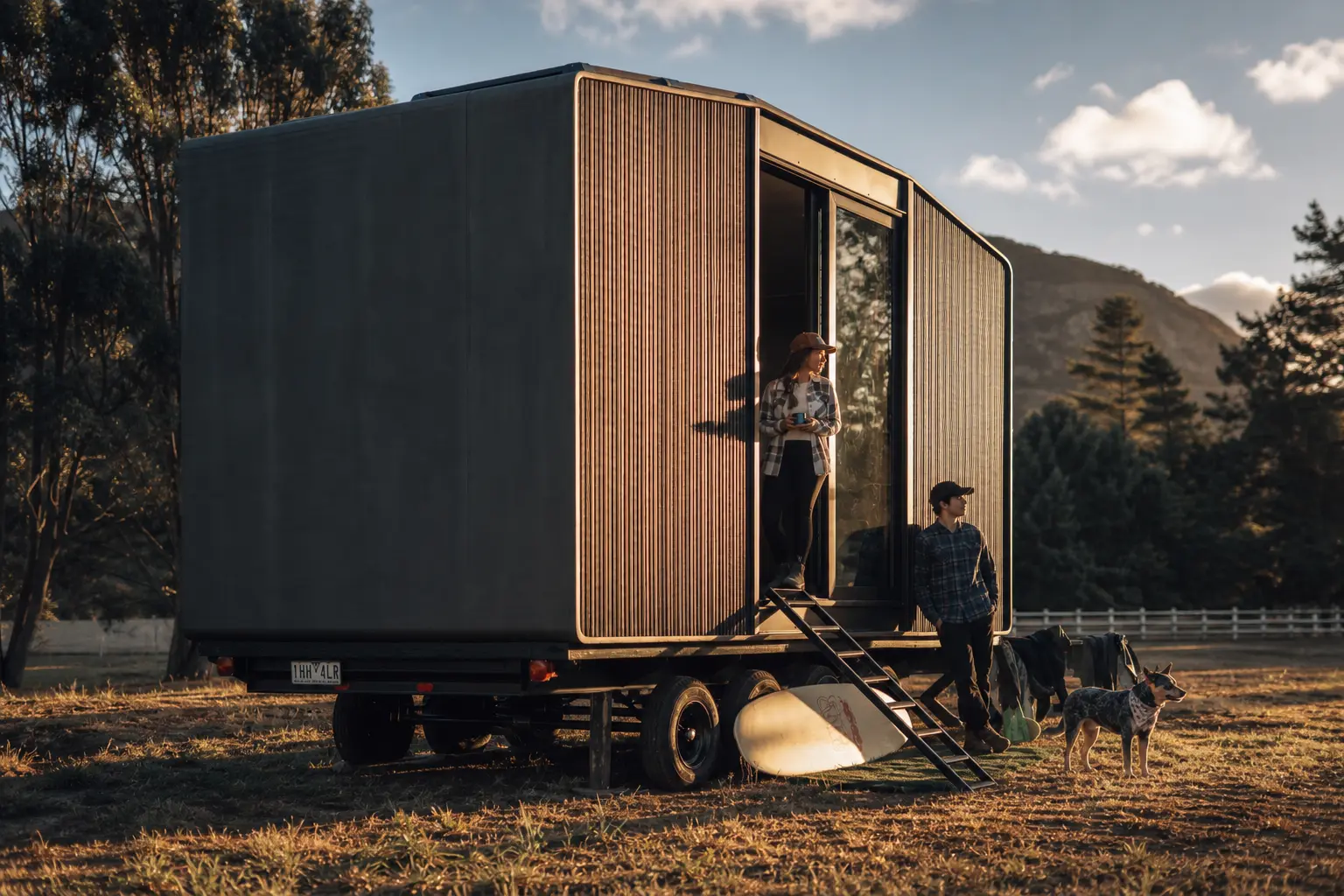
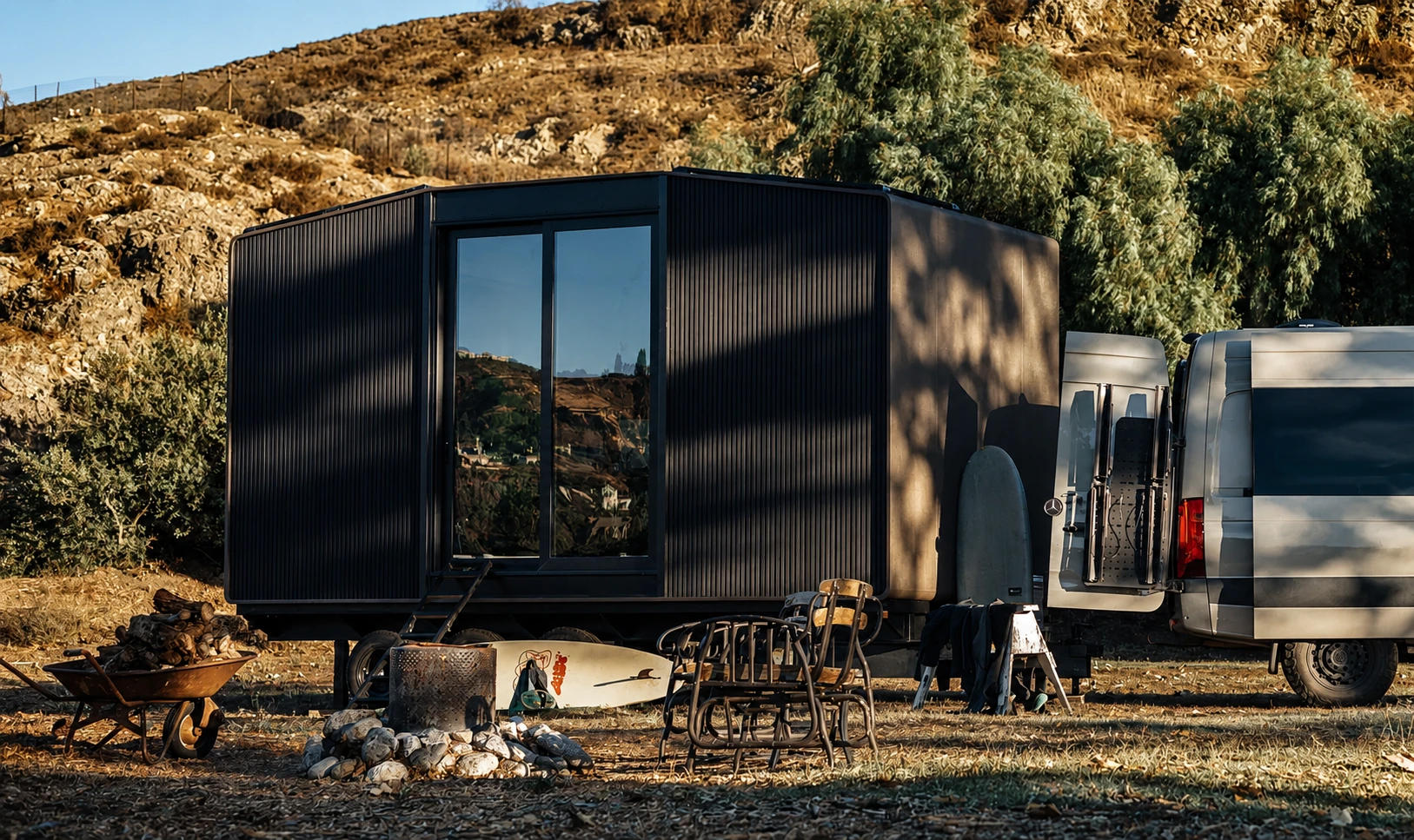
Our X Series homes on wheels are chassis-based tiny homes with layouts that can include kitchens, bathrooms, sleeping areas, and more complete living features. The X_180 is the smallest model, the X_270 adds a one-bedroom layout, and the X_360 offers more room with two bedrooms, one bathroom, a kitchen, and washer/dryer space.
These units may hold resale value if they are well-built, well-maintained, and in demand. But buyers should not assume they will appreciate a traditional home tied to land. Their value often depends on condition, mobility, age, finishes, placement options, and whether local rules allow them where buyers want to use them.
The most important step is checking whether a home on wheels is allowed in the intended location. A strong unit placed in the wrong legal setting can become harder to use, finance, insure, or resell.
Homes And ADUs
Homes and ADU-style units usually have the strongest value story because they can become part of a more permanent housing setup.
Our Homes & ADUs category includes larger residential-style units with more room and full living features. This type of project can support family housing, rental use, multigenerational living, guest space, or a more permanent backyard residence.
The value potential is usually stronger when the unit is permitted, connected to utilities, properly installed, and useful in the local market. A well-planned ADU may make a property more appealing because it adds separate space that can serve real needs.
Still, the final value depends on local rules, rental demand, property layout, site work, and comparable sales. A larger ADU should be planned like a compact housing project, not like a simple product purchase.
What Helps A Tiny Home Hold Value
Tiny homes tend to hold value better when they are practical, legal, durable, and easy for the next person to understand.
Good value usually starts with quality. A tiny home that feels solid, stays comfortable, and does not need constant repairs will naturally have a better resale position than one that looks worn after a short period of use.
Permitting also matters. Buyers are more confident when a structure is placed properly and meets local requirements. Utility connections matter too, especially for units meant to support guests, renters, or daily living.
The strongest value factors usually include:
- Proper local approvals
- Good site placement
- Strong build quality
- Durable materials
- Functional layout
- Clean maintenance history
- Utility readiness
- Clear ownership and documentation
- Demand for small-space living in the area
At Azure, we also think long-term usefulness matters. A small space that can only serve one narrow purpose may be harder to resell. A flexible layout that can work as an office, guest space, rental unit, or family space may have broader appeal.
What Can Hurt Resale Value
Tiny homes can lose value when buyers overlook the practical details.
A unit may be beautiful, but if it cannot be placed legally, connected properly, insured, financed, or used the way a buyer expects, resale becomes harder. The same thing happens when a tiny home is too customized for one owner’s taste and does not appeal to a wider group of buyers.
Location also plays a major role. A tiny home in an area with strong demand for flexible housing may perform better than the same unit in a place where zoning is restrictive or buyers are unfamiliar with small-space living.
Things that can hurt resale value include:
- Unclear permit status
- Poor site access
- Lack of utility connections
- Heavy wear and tear
- Low-quality finishes
- Overly personal customization
- Weak local demand
- Placement on land with limited rights
- Rules that restrict future use
This is why resale should be part of the conversation early. A tiny home should fit your needs now, but it should also make sense to someone else later.
How Utilities And Site Work Affect Long-Term Value
Utilities can change how a tiny home is perceived.
A small studio with electrical service may be enough for an office or creative room. But a tiny home used for guests, rentals, or daily living usually needs more. Water, sewer, plumbing, HVAC, and site access can all affect how useful the unit is and how a future buyer might value it.
We design units larger than 120 sq ft with electricity, water, and sewer connections. Units under 120 sq ft are wired for electrical only. Plumbing and electrical work is completed inside the unit before delivery, with exterior connections prepared for site hookup.
That distinction matters. A simple studio can be valuable because it is easy and flexible. A larger unit can be valuable because it supports more complete use. The key is matching the systems to the purpose of the space.
Durability Matters More Than Trendiness
Tiny homes often get attention because they look modern, compact, and efficient. That helps, but long-term value depends more on durability than style alone.
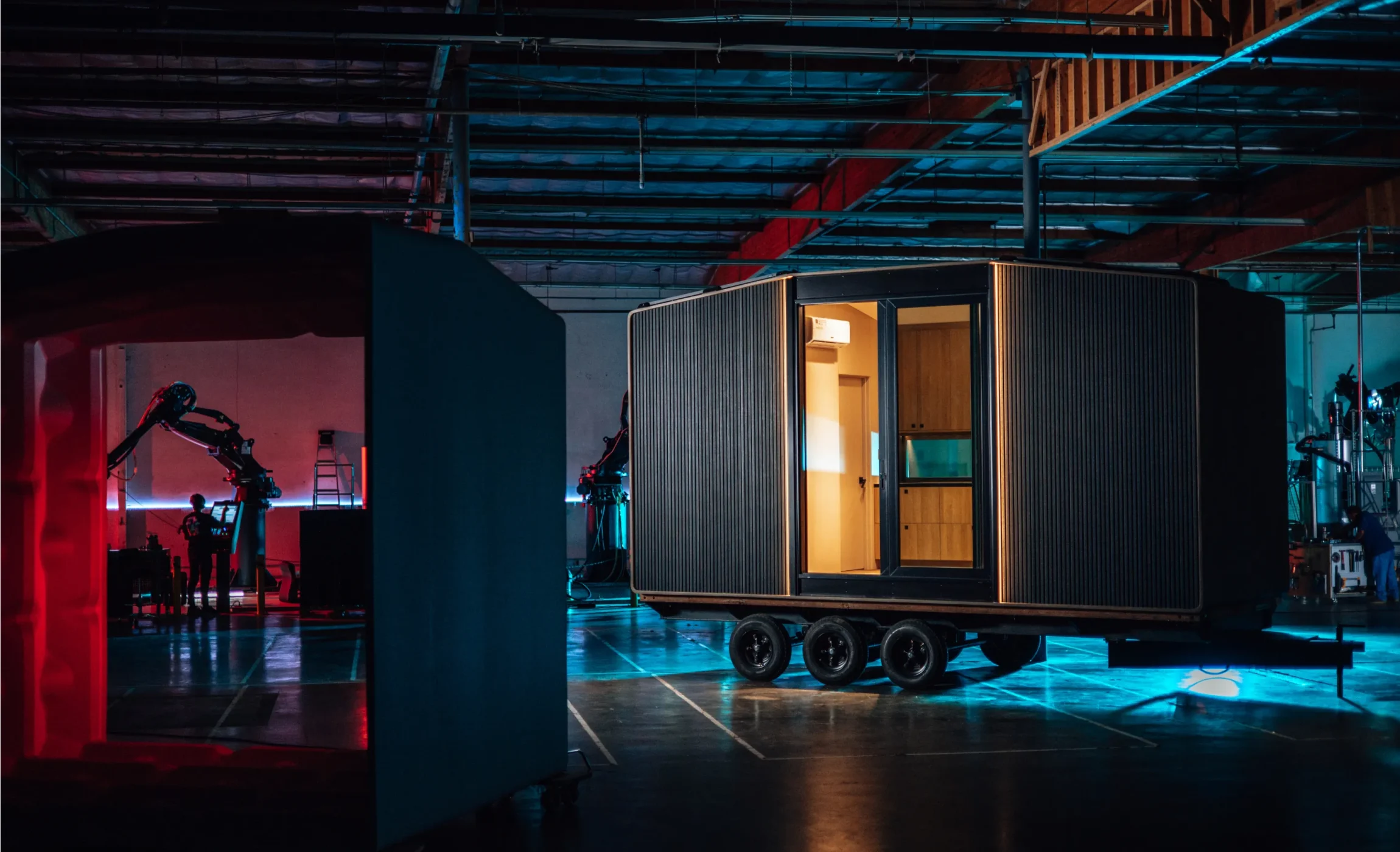
We use 3D printing and recycled materials because we want small spaces to be efficient to build and practical to use. More than 60% of our print material comes from recycled plastic, and our structures are designed for long-term wear, weather exposure, insulation, and pest resistance.
That matters for resale because a tiny home that still feels strong, clean, and comfortable after years of use is easier to value than one that feels temporary. Buyers may love the idea of a tiny home, but they still want something that feels safe and dependable.
A good tiny home should not only photograph well. It should hold up in real life.
Appreciation Is Not The Only Kind Of Value
A tiny home does not have to appreciate like a traditional house to be worth owning.
For many people, the value is practical. A backyard studio can replace rented office space. An ADU can create room for family. A tiny home on wheels can support flexible living. A rental-ready small unit can create income potential where local rules allow it.
Sometimes the return is not only the resale price. It can also come from avoided costs, better use of land, added flexibility, and more livable space without a full-size build.
That is especially true when the tiny home solves a real problem. If it lets someone work from home comfortably, house a family member, support guests, or use a property more efficiently, the value may show up in daily life before it ever shows up in resale.
A Simple Value Checklist Before Buying
Before buying a tiny home with resale or appreciation in mind, it helps to slow down and look at the full picture.
Start with the land. Is the unit going on owned land, leased land, a park, a backyard, or a development site? Then look at the rules. Is the unit allowed? Does it need permits? Can it be connected to utilities? Can it be used for guests, rentals, or long-term living?
Then look at the unit itself. Is the layout flexible? Are the materials durable? Can the next owner understand its purpose quickly? Will the design still feel useful in five or ten years?
The best tiny home projects usually answer these questions before the unit is built.
Final Thoughts On Tiny Home Appreciation
Tiny homes can hold value, lose value, or help a larger property become more valuable. It depends on the type of unit, the land, local rules, build quality, utility connections, and how much demand exists for that kind of space.
A home on wheels may be useful and desirable, but it usually should not be treated the same way as traditional real estate. A backyard studio may not be appreciated like a house, but it can make a property more functional. A permitted ADU-style unit has stronger potential to support property value because it adds usable residential space.
At Azure Printed Homes, we look at tiny homes as practical spaces first. Appreciation matters, but it is only one part of the decision. The stronger goal is to create a durable, useful, well-planned space that fits the property, follows the rules, and still makes sense years from now.