Modular homes can be safe for long-term living when they are built to the right standards, installed correctly, and matched to the property where they will sit. The fact that part of the home is built in a factory does not make it less reliable. In many cases, it can make the process more controlled because the structure is produced away from weather, mud, and open jobsite conditions.
Still, safety is not decided by the factory alone. A modular home also needs a proper foundation, careful transport, clean assembly, correct utility connections, and local approval. If those pieces are rushed or poorly planned, even a well-made unit can run into problems later.
The Short and Real Answer
Yes, modular homes are safe when they are designed, built, installed, and maintained properly. A good modular home is not a temporary structure or a shortcut version of a house. It is usually built in factory sections, delivered to the site, and placed on a permanent foundation.
The safety question usually comes down to the basics: code, foundation, transport, assembly, utilities, weather protection, and inspections. If those are handled properly, a modular home can be as safe and durable as a traditional site-built home.
The bigger risk is not the word “modular.” The bigger risk is poor planning. A home can be built well and still have issues if it is placed on the wrong foundation, connected badly, exposed to poor drainage, or installed somewhere it is not allowed to be.
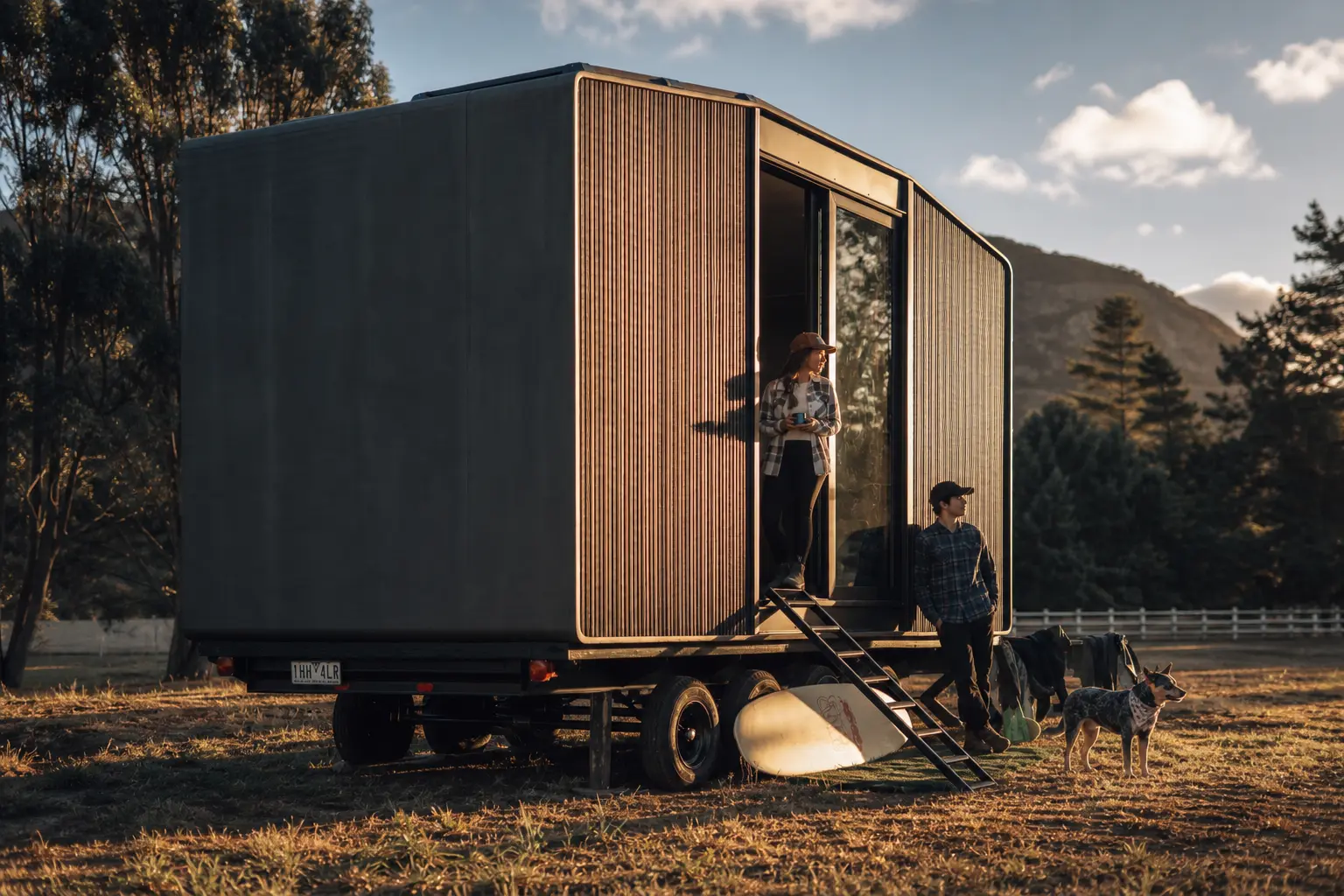
At Azure Printed Homes, our work with 3D-printed homes, ADUs, backyard studios, and homes on wheels follows a similar idea. The structure matters, but so does the site around it. A safe prefab project depends on how the unit is made, how it is placed, how it is connected, and whether the property is ready for that type of space.
Factory-Built Does Not Mean Fragile
One common misunderstanding is that factory-built homes are somehow weaker because they are not built entirely on-site. That is not how modular construction works.
A modular home has to be strong enough to be transported, lifted, placed, and joined together at the property. That means the structure is planned around movement before it ever becomes a finished home. The modules must survive the trip to the site and then perform as part of a permanent structure after installation.
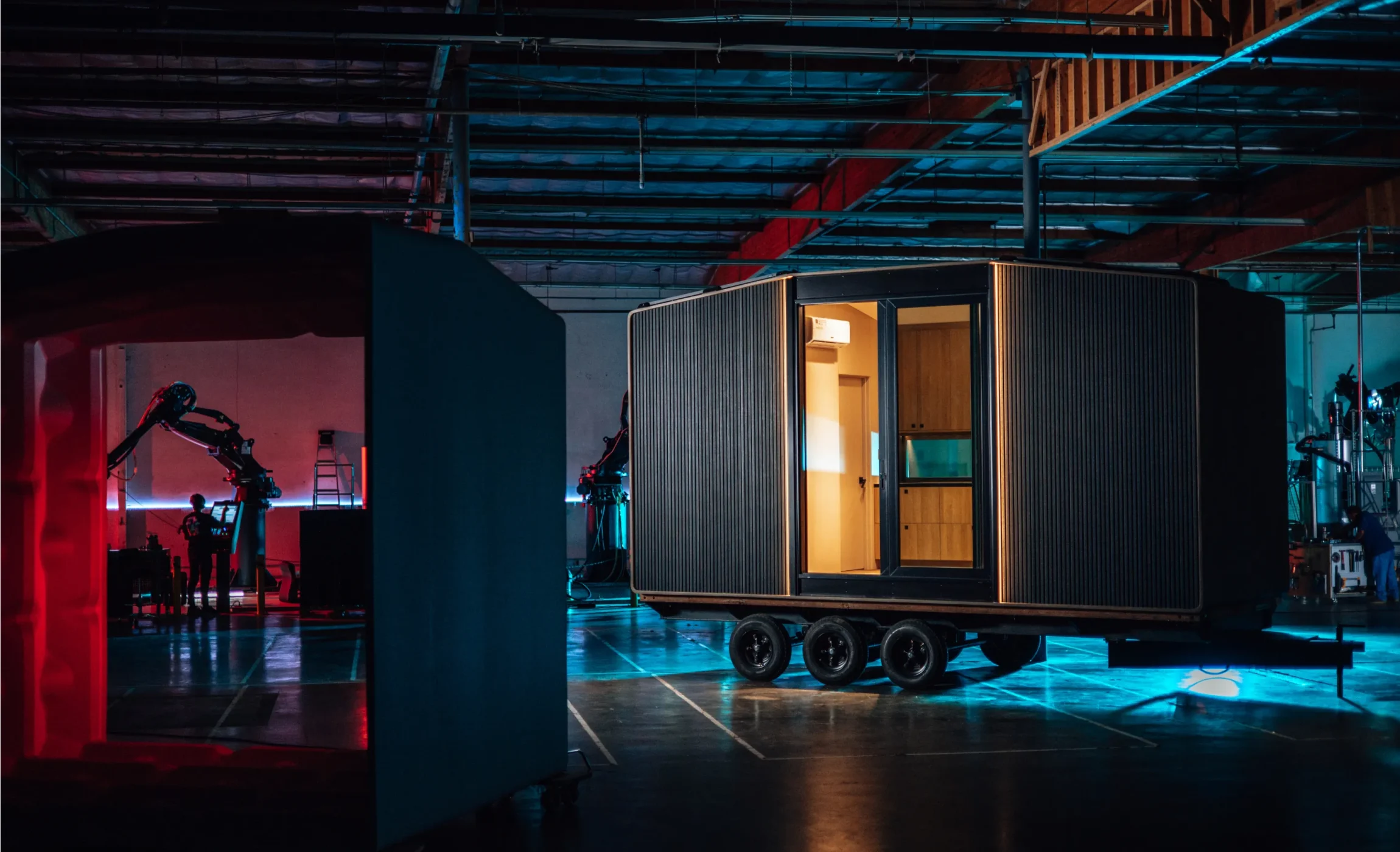
Factory production can also reduce some of the mess that comes with open-site construction. Materials are less exposed to rain and weather during the build. Work can follow repeatable steps. Quality checks can happen in a more controlled setting.
That does not mean every modular home is automatically well built. It means the method can be safe when the builder, materials, engineering, and installation process are handled properly.
The Parts Of Modular Home Safety That Matter Most
A modular home is safe when the factory-built sections, site work, foundation, utilities, and local requirements all line up. The structure itself matters, but so does everything that happens after it leaves the factory.
This is where buyers should look past the basic label. A home being “modular” does not answer every safety question. The better question is whether the home is built to the right standard, handled correctly, placed on the right foundation, protected from weather, and connected safely.
The Code Question Is Where Safety Starts
Modular homes are often confused with manufactured homes, mobile homes, park models, or RVs. That confusion can make the safety conversation harder than it needs to be.
A modular home is generally built to the state and local building codes that apply where it will be installed. A manufactured home follows the federal HUD Code and is built on a permanent chassis. Both can serve housing needs, but they are not the same category.
This matters because code affects how the home is reviewed, installed, inspected, financed, and approved for occupancy. A modular home that is built to the correct local code and installed on the right foundation is usually treated much more like a site-built home than a movable structure.
For buyers, the question should be simple: what standard is this home built to, and does that standard match the place where the home will be installed?
Transport And Assembly Are Part Of The Safety Story
A modular home is not finished when it leaves the factory. It still has to be delivered, set, sealed, connected, and completed on-site.
That stage matters. The modules need to be transported without damage. They need to be lifted and placed correctly. The seams between sections need to be finished properly. Rooflines, walls, floors, and utility connections need to come together cleanly.
This is one of the places where experience matters. A strong module can still perform poorly if the setting process is careless. Gaps, water intrusion, uneven support, poor sealing, or rushed utility connections can create issues that show up later.
So modular safety is not only about how the home is built. It is also about how it is handled after the factory work is done.
The Foundation Has To Match The Home
A modular home needs a foundation that fits the structure, the soil, the local code, and the long-term use of the home. This is one of the biggest differences between a solid project and a risky one.
A good foundation helps support the load, keep the structure level, reduce movement, manage moisture, and protect the home over time. A poor foundation can lead to shifting, cracks, water problems, uneven floors, or stress on utility connections.
The site itself matters too. Slope, soil quality, drainage, access, frost depth, and local requirements can all affect the foundation plan. A flat lot with stable soil is a different project from a sloped site with poor drainage.
In our work at Azure Printed Homes, we treat the unit and the site as connected parts of the same project. A factory-built unit still needs a prepared place to land, the right support system, and exterior connections that are planned before installation.
Weather Safety Depends On The Region
A safe modular home has to fit the climate where it will be used. Wind, snow, heat, rain, humidity, and temperature swings all affect performance.
A modular home in a snowy region needs the right roof and load planning. A home in a high-wind area may need stronger engineering. A home in a hot climate needs insulation, ventilation, and cooling that make sense for the space. Heavy rain or poor drainage can create moisture problems if the site is not prepared correctly.
This is why “safe” cannot be answered only by looking at the floor plan. A home that works well in one region may need different specifications in another.
Buyers should not just ask whether a modular home is safe in general. They should ask whether that specific home is designed for that specific location.
Small Utility Mistakes Can Become Big Problems
Electricity, plumbing, HVAC, sewer, and water connections are easy to overlook because they are less visible than the structure. But they are central to safety.
A small space still needs proper electrical work. It still needs safe heating and cooling. It still needs plumbing and sewer connections that are installed correctly. Poor utility work can create risks with moisture, indoor air quality, comfort, and long-term durability.
This is especially important with prefab and modular homes because some systems may be prepared in the factory, while final hookups happen on-site. Both parts need to line up.
A clean utility plan should answer basic questions before the home arrives: where power will connect, how water and sewer will be handled, what HVAC setup is needed, and who is responsible for the final exterior connections.
Moisture Is One Of The Main Things To Watch
Water is one of the biggest threats to any home, modular or not. It can enter through bad sealing, poor flashing, roof issues, utility penetrations, foundation problems, or drainage that sends water toward the structure.
For modular homes, moisture control is especially important at connection points. Where modules meet, the sealing and finishing need to be done carefully. Roof edges, wall joints, floor lines, windows, doors, and exterior penetrations all need attention.
Moisture problems do not always appear right away. They can show up later through odors, soft materials, stains, poor indoor air quality, or hidden damage. That is why site drainage, proper sealing, ventilation, and installation quality all matter.
A modular home can be very safe, but it still needs the same respect for water management as any other house.
Modular Homes And Site-Built Homes Are Closer Than People Think
A well-built modular home and a well-built site-built home can perform in very similar ways once both are completed. The main difference is where the construction happens.
A site-built home is built mostly on the property. A modular home is built in sections in a factory, then finished on the property. Both still need good design, proper code compliance, correct utility work, inspections, and maintenance.
The better comparison is not factory versus site. It is careful work versus careless work.
A well-planned modular home on a proper foundation is a much better choice than a poorly built traditional home with weak drainage, bad utility work, or rushed construction. The construction method matters, but execution matters more.
What To Confirm Before Moving Forward
Before choosing a modular home, buyers should get clear answers on the parts that affect safety most.
Useful questions include:
- What code is the home built to?
- What foundation does it need?
- Who handles delivery and setting?
- How are the modules sealed and joined?
- What inspections are required?
- How will power, water, sewer, and HVAC connect?
- Is the site ready for drainage and access?
- Is this type of home allowed on the property?
- What maintenance will the home need over time?
These questions are not meant to make the process feel heavier than it is. They help buyers avoid choosing a good-looking home that does not fit the property or local rules.
Where Azure’s Prefab Approach Fits In
The same safety thinking applies to the small-space units we build at Azure Printed Homes. Whether someone is looking at a 3D-printed home, an ADU, a backyard studio, or a home on wheels, the unit and the site have to work together.
Our process is built around factory production, which helps keep the structure separate from the messier parts of the property work. But the site still matters. Foundation, drainage, access, placement, utility connections, and local approvals all shape how safe and practical the finished space will be.
That is why we do not look at prefab safety as just a product question. The unit can be well made, but the full project only works when the land, support system, and intended use are planned with the same care.
Final Thoughts
Modular homes can be safe enough for long-term living when they are built to the right code, installed properly, and supported by a prepared site. They are not weaker simply because they start in a factory. In many cases, factory construction can make the process more controlled and predictable.
The safety of a modular home depends on practical things: code compliance, transport, assembly, foundation, drainage, utilities, moisture control, inspections, and maintenance.
At Azure Printed Homes, we see the same pattern across modern prefab housing. A safe home is not only about the structure itself. It is about how the structure is built, where it is placed, how it is connected, and whether the full project has been planned for real use.