Student housing can be a good investment when the property is close to a university with stable or growing enrollment, local rules allow the rental, and the owner can manage frequent turnover. Demand near campus tends to renew every academic year, and rooms can often be leased individually. The trade-offs are seasonal vacancies, more wear and tear, and a market that depends heavily on one institution.
Whether it works for you comes down to the market, the financing and how much hands-on management you want.
Types of Student Housing Investments
| Type | Typical investor | Main features |
| Purpose-built student housing | Developers and institutional investors | Large buildings near campus, often leased by the bed, with shared amenities |
| Single-family homes near campus | Individual investors | A house rented to a group of students, with one lease or individual leases |
| Small multifamily buildings | Individual and small investors | Duplexes, triplexes and fourplexes rented by unit or by room |
| Accessory dwelling units | Homeowners and small investors | A second unit on a residential lot, rented to a student or another tenant |
The Advantages of Student Housing
- Recurring demand: every academic year brings a new group of students who need housing near campus.
- Leasing by the room: renting each bedroom separately can produce more total rent than leasing the whole unit to one household, depending on the market.
- Parental guarantees: many landlords ask for a parent or guardian to co-sign, which can reduce the risk of missed payments.
- Predictable lease cycle: most leases follow the academic calendar, so turnover happens at known times of the year.
- Location value: land close to a large university often holds its appeal over time because the campus itself is unlikely to move.

The Risks and Drawbacks
- Turnover: tenants often stay one or two years, which means frequent cleaning, repairs and marketing.
- Summer vacancy: units can sit empty between academic years unless leases run for 12 months.
- Wear and tear: student rentals usually need more frequent repairs and updates.
- Dependence on one institution: changes in enrollment, new on-campus housing or a shift to online classes can reduce demand.
- Local rules: many college towns limit the number of unrelated people who can live in one house, require rental licenses or restrict new rental units in certain neighborhoods.
How to Evaluate a Student Housing Market
Enrollment Trends
Look at several years of enrollment data for the university, which most schools publish. Stable or rising enrollment supports demand, while a declining trend is a warning sign.
On-Campus Housing Supply
Check how many students the university houses itself and whether it plans to build more dormitories. New on-campus beds can pull tenants away from private rentals.
Distance to Campus
Students value walking distance or a short transit ride. Properties farther away may need lower rents or better amenities to compete.
Local Regulations
Review zoning, occupancy limits, rental licensing and any rules on ADUs before buying. These rules decide how many tenants you can house and whether a second unit is allowed.
Operating Costs
Include property management, utilities if they are bundled into rent, furnishing, insurance, repairs and the cost of filling units each year. Rent is the easy number. Expenses are where the math usually gets tight.
Building New Student Rentals for Less
Timing is critical in student housing. Open a semester late and you miss a full leasing cycle.
At Azure Printed Homes, our developer building system combines light-gauge steel framing, structural insulated panels and optional 3D-printed facades for multifamily and infill projects. According to our developer program, off-site fabrication can compress construction schedules by up to 70% and deliver up to 30% cost savings compared with conventional construction. We offer pre-engineered studio, one-bedroom and two-bedroom modules that can be stacked, mirrored or combined, which suits the repeatable unit layouts common in student housing.
Adding an ADU Near Campus
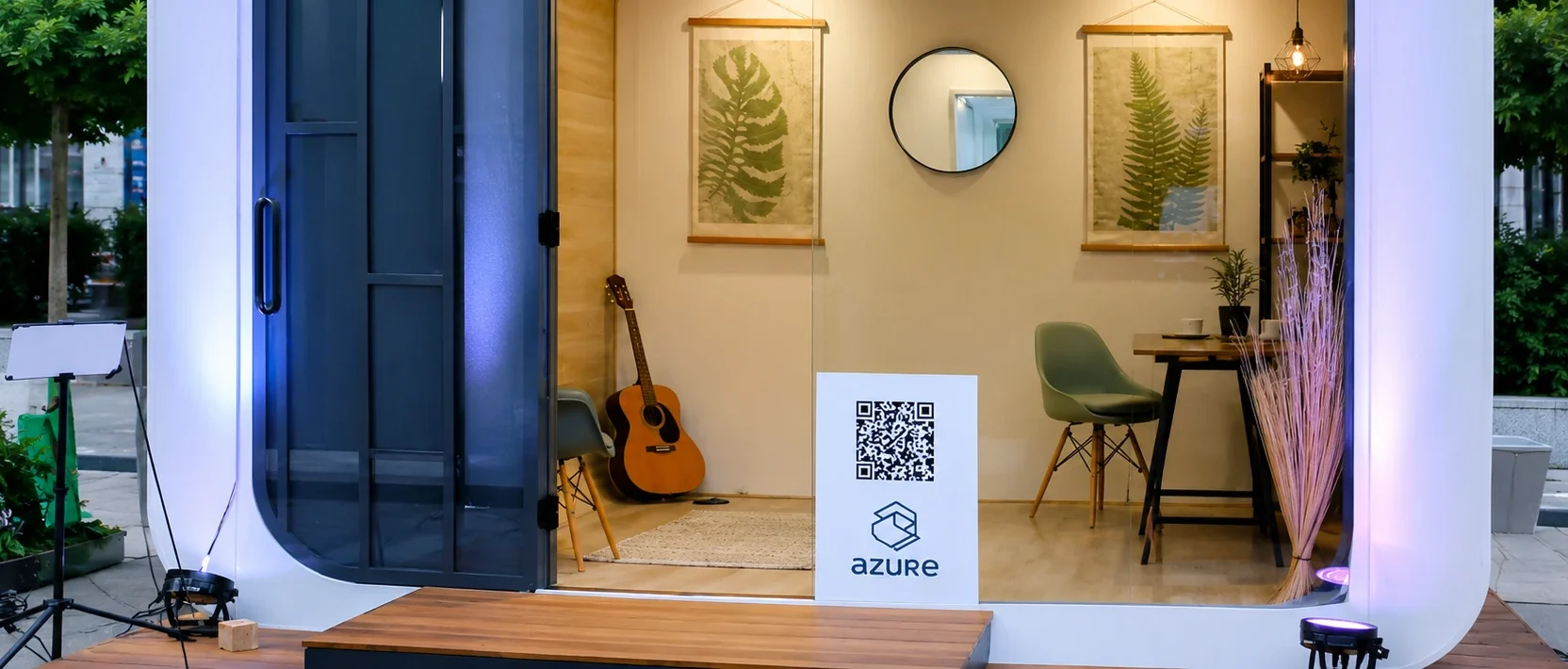
For homeowners near a university, an accessory dwelling unit can add a rental without buying a second property. Where local rules allow it, a backyard unit can house a student, a graduate researcher or university staff.
| Model | Dimensions | Layout | Starting price |
| A-360 | 18 x 20 ft | 1 bedroom, 1 bath, kitchen | $89,900 |
| A-540 | 18 x 30 ft | 1 bedroom, 1 bath, kitchen | $134,900 |
| A-720 | 18 x 40 ft | 1 or 2 bedrooms, 1 bath, kitchen | $174,900 |
| A-900 | 18 x 50 ft | 2 bedrooms, 1.5 baths, kitchen | $219,900 |
Our Homes & ADUs include factory-completed electrical, mechanical and plumbing work and standard finishes. Site and foundation work, permits and delivery are separate, and delivery for homes costs about $5 per mile. Depending on location, an ADU can be delivered within 90 to 120 days, which can make it possible to plan around the start of an academic year.
In California, state ADU law requires local agencies to review ADU applications within 60 days and has removed owner-occupancy requirements, which makes backyard rentals near campuses easier to permit than in many other states.
Durability for High-Turnover Rentals
Rentals with frequent turnover benefit from materials that resist damage and moisture. Our printed structures are watertight, highly insulated and pest resistant, and our ADUs carry a ten-year warranty against defects in materials and workmanship. Each structure also has a UV protection layer with a 15-year UV and color warranty.

Financing a Student Rental
Investment properties usually require larger down payments and carry higher interest rates than owner-occupied homes. For an ADU on a property you already own, options can include a home equity loan, a cash-out refinance or a construction loan. We also offer financing through our partner, Acorn Finance.
Choosing the Right Unit Size for Student Tenants
Students usually share, so count bedrooms and bathrooms before square feet. Our models cover a range of layouts that can suit different student rentals:
- One student or graduate researcher: the A-360 offers one bedroom, a bathroom and a kitchen in 360 square feet, from $89,900.
- Two roommates: the A-720.2 has two junior bedrooms in 720 square feet, from $174,900, and the A-900 has two bedrooms and 1.5 baths, from $219,900.
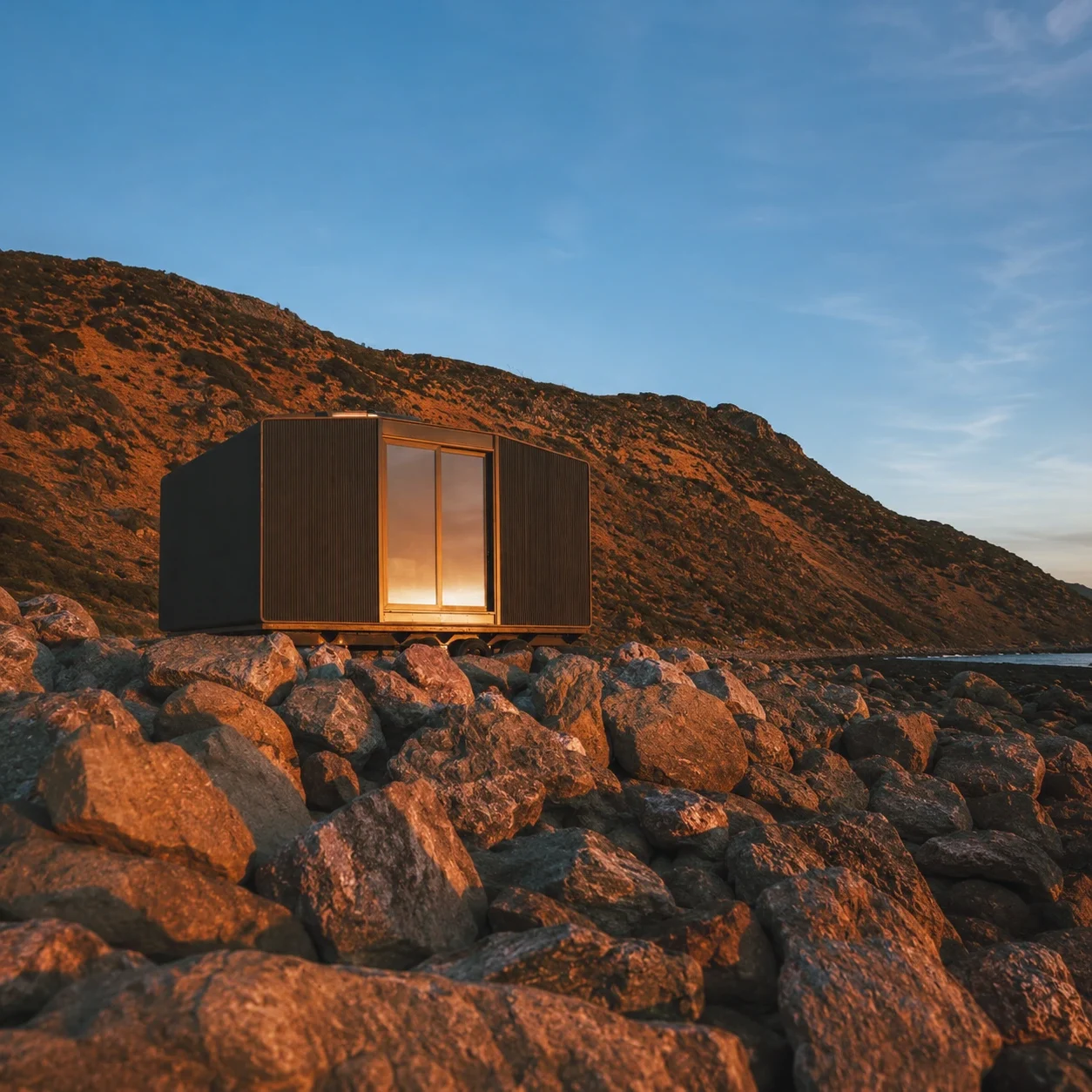
- Movable housing: the X-360 home on wheels has two bedrooms, a bathroom with a full-sized shower, a kitchen and a washer and dryer, from $109,900, where local rules allow it.
Our studios, starting at $24,900, have no bathroom or kitchen. They work as a study room or home office next to an existing house, but they are not dwellings and cannot be rented as stand-alone housing.
Finishes and Features That Reduce Upkeep
When tenants change every year or two, durable finishes mean fewer repairs between leases. When you configure a model, you can choose the floor, wall and ceiling finishes, the glazing and the lighting. Upgrades include solar panels, heated floors and different material finishes, and larger units can have a bedroom or bathroom added or removed, depending on the model.
Our 3D-printed structures are highly insulated, pest resistant and built from a material that will not deteriorate in the way many conventional materials do. The exterior UV protection layer comes with a 15-year UV and color warranty, and we recommend recoating it about every 15 years, much like repainting a conventional house. For energy savings, insulation is customized for each destination, and solar panels and batteries can reduce utility costs for owners who include utilities in the rent.
Conclusion
Student housing can be a solid investment near a university with steady enrollment, in a market where local rules allow the rental and the owner is prepared for frequent turnover. Careful research on enrollment, on-campus housing plans, occupancy limits and operating costs matters more than the headline rent.
For homeowners near campus, our ADUs start at $89,900, and developers can use our building system for larger projects. Contact us to discuss a rental project near a university.