A modular home does not automatically lose value. When it is built to the state or local building code, set on a permanent foundation and titled as real property, a modular home is appraised and financed much like a site-built house, so its value generally rises or falls with the local housing market. The idea that factory-built homes always depreciate comes mostly from older mobile homes and from manufactured homes that are not attached to land.
As with any house, the value of a modular home depends on location, land, condition, quality of construction and how well it is maintained.
Why Modular Homes Are Valued Like Site-Built Homes
The main reason is the building code. Modular homes are built in sections in a factory to the same state and local codes that apply to site-built houses, then placed on a permanent foundation. Fannie Mae states that modular, prefabricated, panelized and sectional homes are not manufactured housing and receive the same consideration as site-built properties.
That shows up in three places:
- Appraisal: appraisers select comparable sales the same way they do for site-built homes. Fannie Mae allows site-built homes to be used as comparables, with adjustments where construction methods differ.
- Financing: qualifying modular homes can be financed with conventional mortgages, which keeps the pool of potential buyers large when you sell.
- Real property: the home and land are titled together, so the home benefits from any increase in land value.

Modular vs. Manufactured vs. Mobile Homes
The depreciation myth mostly comes from lumping three kinds of factory-built housing together.
| Type | Built to | Typical placement | How value is usually treated |
| Modular home | State or local building code | Permanent foundation, real property | Like a site-built house; follows the local market |
| Manufactured home | Federal HUD code, since June 1976 | On a chassis; may be on owned land or in a community | Real property when permanently affixed to owned land; personal property otherwise |
| Mobile home | No national standard (built before June 1976) | On a chassis | Often treated like a vehicle or personal property |
A manufactured home in a leased community lot is often financed as personal property with a chattel loan, and its value depends mostly on the home itself because there is no land in the sale. That’s where the bad reputation started. A modular home on its own land is a different asset.
What Can Lower a Modular Home’s Value
Modular homes can lose value for the same reasons any house can, plus a few that are specific to factory-built construction:
- Poor installation: the joints between modules must be fastened, sealed and flashed correctly. Leaks or settling from careless setting work can lead to costly repairs.
- Deferred maintenance: roofs, seals, exterior coatings and mechanical systems need routine care in any house.
- Location: a declining neighborhood or a weak local market affects every type of home.
- Missing paperwork: without state labels, permits and plans, appraisers and buyers may have trouble confirming that the home meets code.
- Local perception: in some markets, buyers still associate factory-built homes with older mobile homes, which can lengthen the time to sell.
What Helps a Modular Home Hold Its Value
A Permanent Foundation and Clear Title
Placing the home on a permanent foundation and titling it with the land is what separates a modular home from a vehicle-style asset in the eyes of lenders and appraisers. Keep records of the foundation design, inspections and the certificate of occupancy.
Durable Materials and Good Design
Materials that resist water, pests, wind and sun reduce long-term repair costs. A well-designed floor plan with good light and storage also appeals to future buyers.
Regular Maintenance
Check roof drainage, caulking and flashing around windows and doors, and the seals at module joints. Service heating and cooling equipment on schedule, and watch the foundation for cracks or standing water.
Documentation
Keep the plans, labels, warranty documents and maintenance records. They help appraisers, inspectors and buyers understand what was built and how it has been cared for.
How Azure Printed Homes Builds for Long-Term Value
At Azure Printed Homes, our structures are robotically printed from a material that is more than 60% recycled plastic, or built with light-gauge steel for larger homes and for projects in high fire hazard severity zones. Several features are aimed at durability:
- Weather resistance: our structures are watertight, highly insulated and pest resistant.
- Wind and snow: our modules are designed for wind speeds of up to 150 mph, which covers 95% of conditions in the continental U.S., and for snow loads under the ASCE 7-10 standard.
- Exterior protection: each structure has a UV protection layer with a 15-year UV and color warranty, and we recommend recoating it about every 15 years.
- Warranty: our studios and ADUs carry a ten-year warranty against defects in materials and workmanship.
- Flexibility: our homes are bolted to the foundation and can be unbolted and moved if your plans change.
Our permanent Homes & ADUs range from the one-bedroom A-360 at $89,900 to the two-bedroom A-900 at $219,900. Prices include factory-completed electrical, mechanical and plumbing work and standard finishes, while site work, the foundation, permits and delivery are separate.
Can an ADU Add Value to Your Property?
An accessory dwelling unit can add usable living space to a property that already has a house. The effect on value depends on local rules, how the unit is permitted and whether it can legally be rented. In California, for example, state ADU law requires local agencies to review ADU applications within 60 days and allows ADUs in single-family zones, which has made permitted backyard units a common way to add a rental or a home for family members.
A permitted unit on a foundation, with its own kitchen and bathroom, is generally easier for an appraiser to account for than an unpermitted structure.
Questions to Ask Before Buying a Modular Home
- Code: is the home built to the state or local building code, and does it carry the required labels?
- Foundation and title: will the home be on a permanent foundation and titled with the land?
- Comparable sales: how have modular and site-built homes in the area sold recently?
- Warranty: what does the manufacturer’s warranty cover, and for how long?
- Installation: who sets the home, and how are the module joints sealed and inspected?
How Factory Construction Supports Long-Term Quality
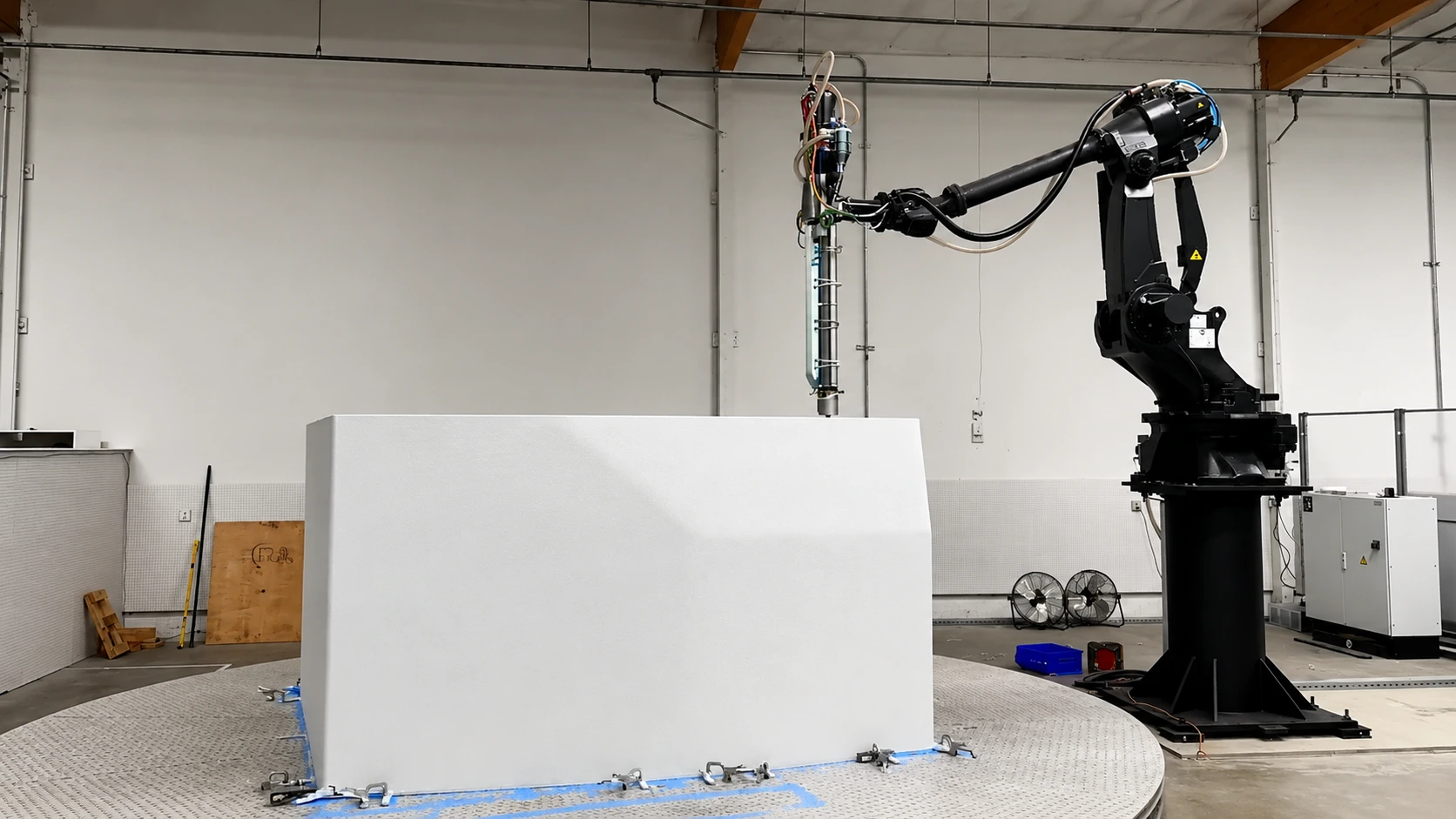
Build quality shows up years later, in repair bills and at resale. At Azure Printed Homes, our homes are produced with advanced robotics and automation, which manufacture each structural shell with consistent precision. The shells are printed and finished indoors, so materials are not exposed to rain or snow during construction.
Our proprietary process fortifies recycled plastic so it can endure extreme conditions and long-term use. Our 3D-printed structures are highly insulated and pest resistant, and they do not deteriorate in the way many conventional building materials do. Walls, roof and floor are printed as single pieces, which limits the number of joints where water could enter.
Site work and foundations are completed while the home is built in our factory. That shortens the time a lot sits as an open construction site and reduces the chance of weather damage before the home is closed in.
What You Pay and What It Includes
Before you compare a modular home with local sales, check exactly what the price covers. Our standard model prices include factory-completed electrical, mechanical and plumbing work and standard finishes. These costs are separate:
- Site and foundation: preparing the lot and building the foundation the home is set on.
- Permits: fees for the foundation, utilities and other on-site work.
- Delivery: $5 per mile for homes, so a site 300 miles from our factory adds about $1,500.
- Heating and cooling: an additional cost, with a mini-split system for smaller units and a central ducted system for larger ones.
For example, our one-bedroom A-540 starts at $134,900 for 540 square feet. Larger or more complex projects can be designed as custom homes at approximately $400 per square foot, with options such as multiple stories, elevators and balconies. Add these to the unit price before you compare it with recent sales nearby.
Conclusion
Modular homes do not inherently decrease in value. When they are built to code, set on a permanent foundation and titled with the land, they are appraised and financed like site-built homes and tend to follow the local market. Installation quality, maintenance, location and documentation have the biggest effect on resale value.
Our Homes & ADUs are designed for 150 mph winds, finished in our factory and covered by a ten-year warranty. Contact us to learn more about how they are built.