Starting a family while earning a degree comes with a unique set of challenges. Finding housing that is affordable, practical, and close to campus is often one of the biggest concerns for married students. Unlike traditional residence halls, married student housing is designed to give couples and families a comfortable place to live while staying connected to university life.
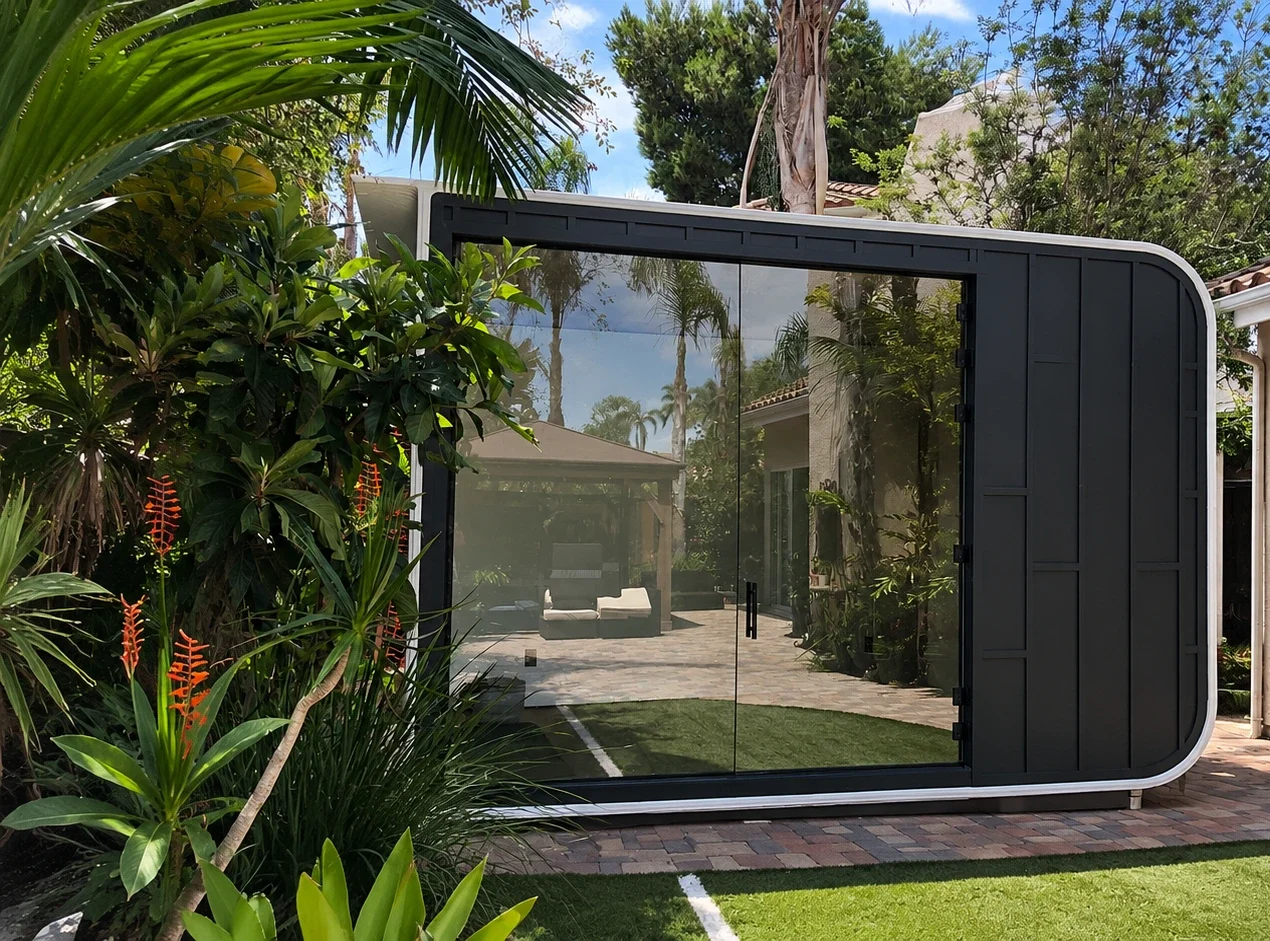
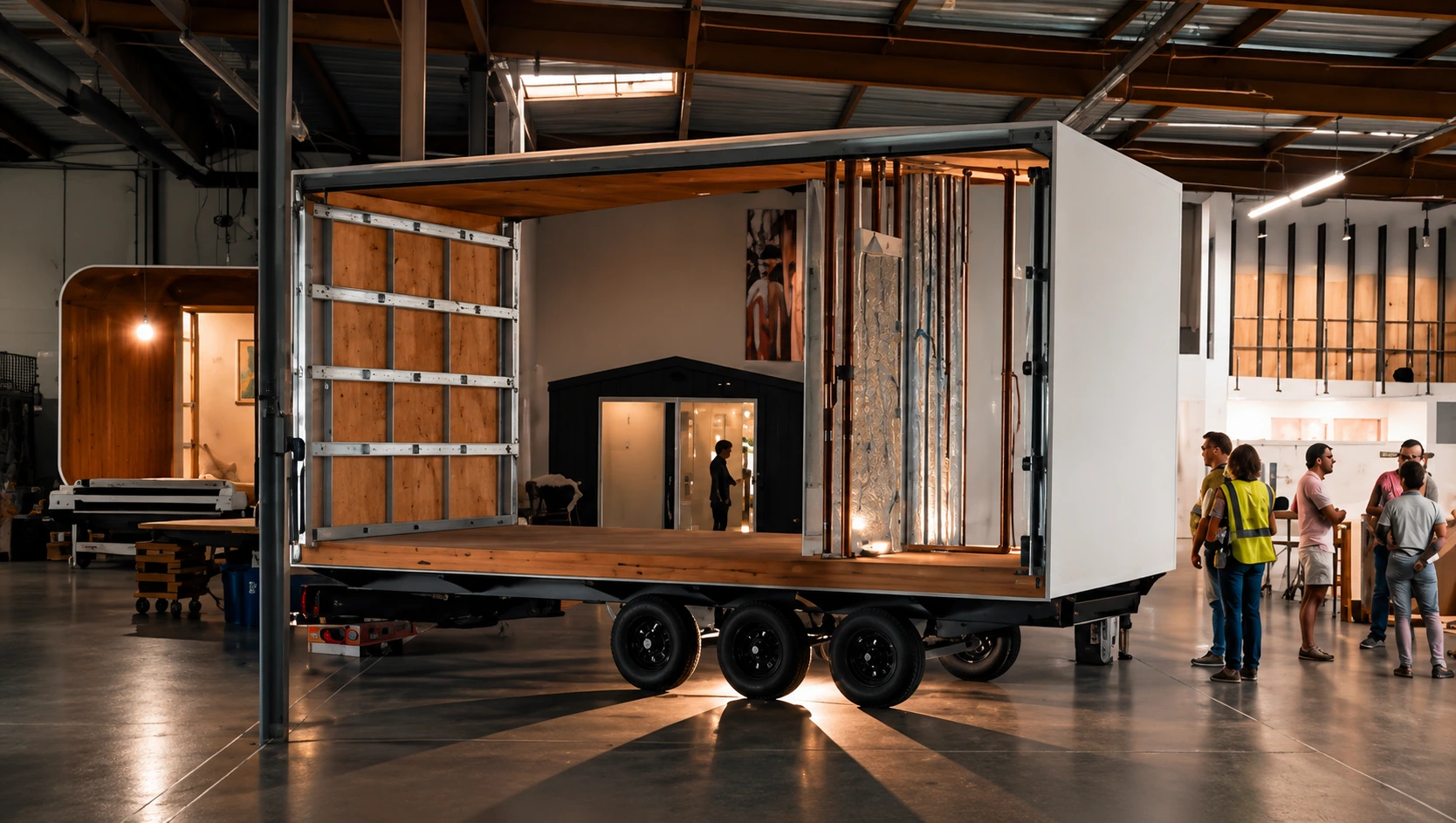
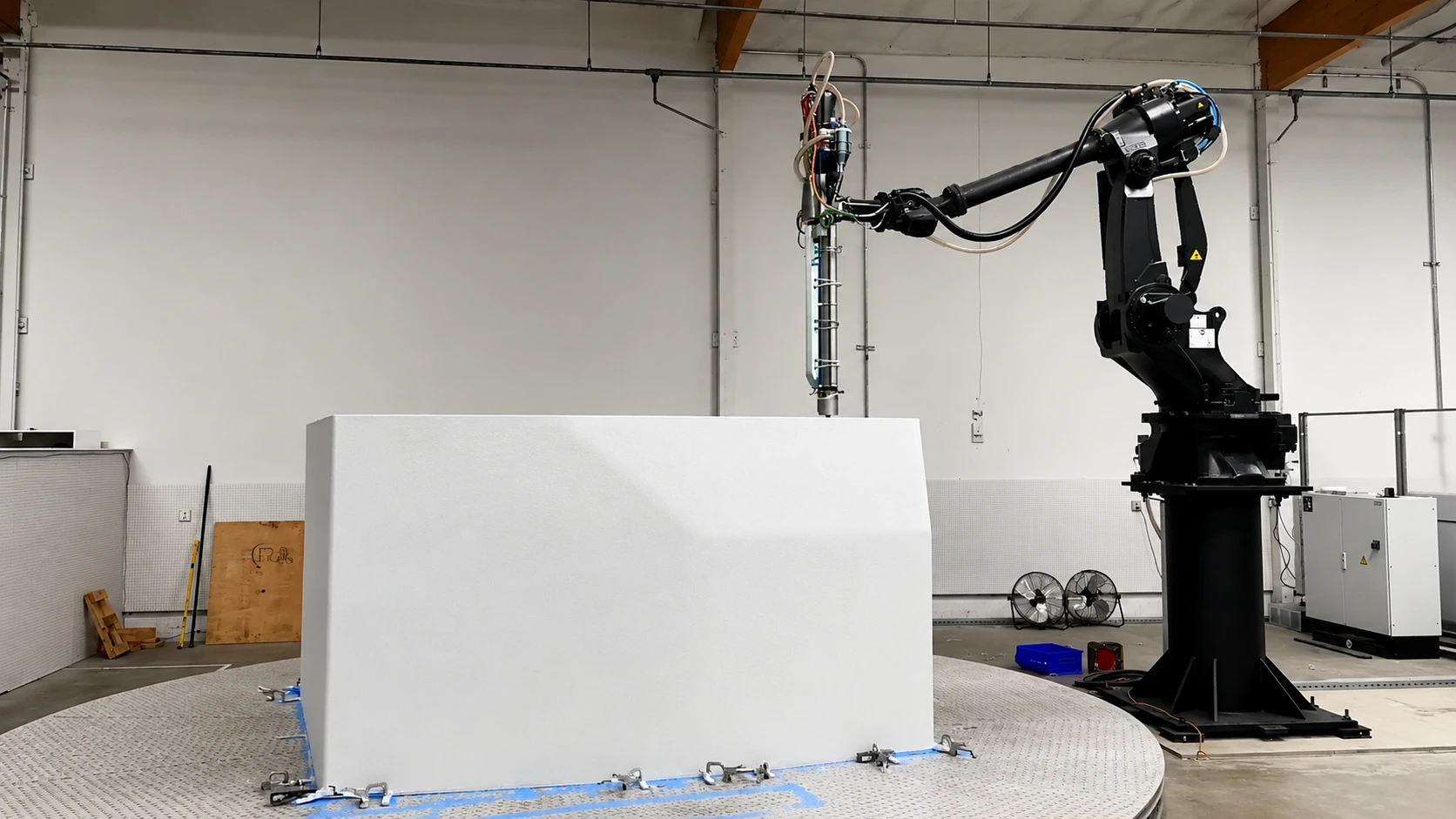
As universities continue to look for flexible housing solutions, modular construction is becoming an increasingly practical option for expanding student accommodations. At Azure Printed Homes, we create future-focused modular living spaces that can help educational institutions develop housing faster through robotically printed construction. Our factory-built homes include electrical, plumbing, and interior finishes before delivery, helping projects move from planning to occupancy in a shorter timeframe.
This guide explains what married student housing is, who it is intended for, what residents can expect, and why modular housing is becoming part of the conversation.
What Married Student Housing Actually Is
Married student housing is university-owned or university-managed housing reserved for students who are legally married. Some universities also allow residents to live with children, making these communities suitable for young families pursuing higher education.
Unlike standard dormitories, married student housing typically consists of private apartments or small homes that provide more independence. Instead of sharing kitchens or bathrooms with multiple students, residents generally have their own living spaces designed for everyday family life.
The goal is to provide housing that balances academic responsibilities with family needs while allowing students to remain close to classrooms, libraries, and campus services.
Married Student Housing Eligibility Requirements
Eligibility varies by institution, but many universities have similar requirements. Common qualifications include:
- Full-time student enrollment
- Legal marriage
- Compliance with university housing policies
- Completion of housing applications before deadlines
- Space availability
Some universities also prioritize housing applications when both spouses are enrolled full time. Because the number of apartments is often limited, assignments are frequently made on a first-come, first-served basis. Many institutions require documentation, such as a marriage certificate, before approving an application.
Features Included in Married Student Housing
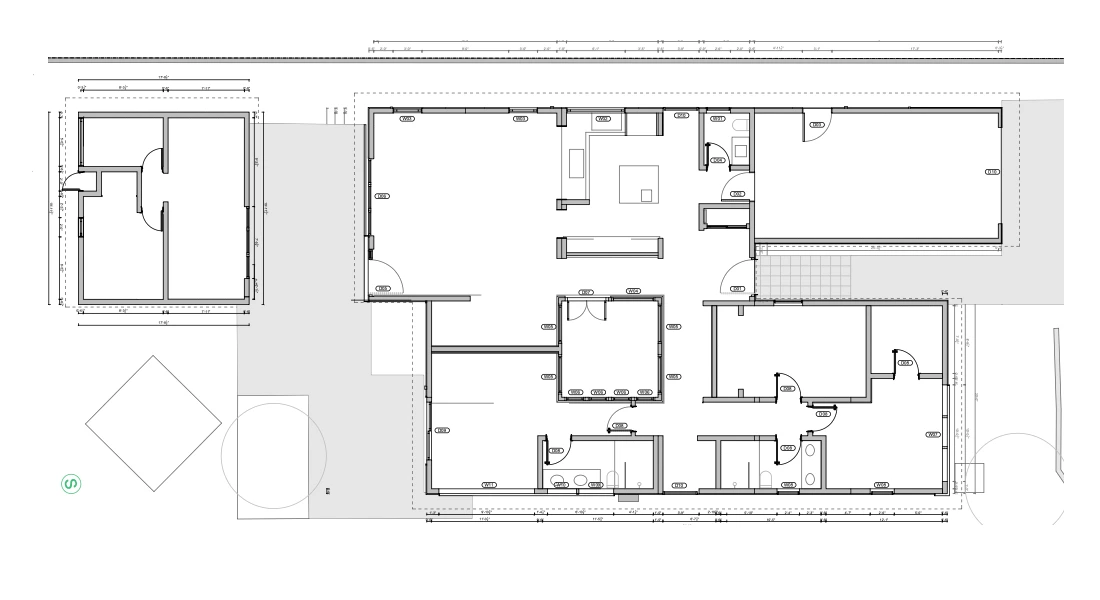
Married student housing is designed more like a traditional apartment than a dorm room. A typical apartment may include:
- One or two bedrooms
- Living room
- Kitchen
- Bathroom
- Bedroom closets
- Basic appliances
Depending on the university, kitchens often include a refrigerator, a stove, a sink, a microwave, and a dishwasher. Some institutions also provide essential furniture, while decorative items shown during tours are often used only for staging.
Maintenance services are usually available for repairs to university-owned apartments, although residents remain responsible for keeping their units clean and following housing policies.
Benefits and Challenges of Married Student Housing
Married student housing can make campus life more manageable for couples and families, but it also comes with certain limitations. Looking at the main benefits and challenges can help students decide whether it is the right fit.
Advantages of Married Student Housing
Married student housing is designed to support students who are balancing academic work with marriage, parenting, and everyday household responsibilities. It offers more privacy than a traditional dorm while keeping residents connected to campus services and university life. For many couples and families, this combination can make the college experience easier to manage.
Living Close to Campus
Convenience is one of the main advantages. Living within walking distance or a short drive of campus reduces commuting time and gives students more time for classes, studying, work, and family responsibilities. This can be especially helpful for students balancing coursework with parenting. Being close to campus may also make it easier to use libraries, attend meetings, and take part in university activities without spending extra time on transportation.
More Predictable Housing Costs
Rental prices in college towns can change quickly, while university housing may offer a more stable monthly cost. Maintenance and access to campus services may also be included. Utility policies vary by institution. Some universities include water in the rent while requiring residents to arrange and pay for electricity separately. Even with these added costs, the overall budget may be easier to plan than a private rental.
A Family-Friendly Community
Married student housing often creates a neighborhood atmosphere where families interact with one another. Children may have opportunities to play with other families nearby, while parents can connect with neighbors facing similar academic and family responsibilities. These communities may also feel quieter and more suitable for longer-term living than traditional residence halls.
Better Balance Between Study and Family Life
Private apartments make it easier to maintain daily routines. Students can create dedicated study areas while still having comfortable spaces for meals, childcare, and family time. That separation can reduce stress during busy academic periods and help students keep school responsibilities from taking over the entire home environment.
Potential Challenges of Married Student Housing
Married student housing can offer a practical and supportive living arrangement, but it is not always the right fit for every couple or family. Availability, apartment choices, and campus rules may create limitations that students should consider before applying. Reviewing these challenges early can help families plan more realistically and avoid unexpected issues.
Limited Availability
One of the biggest challenges is that demand often exceeds supply. Married student apartment communities are usually smaller than undergraduate residence halls, so waiting lists can develop quickly. Applying early can improve the chances of receiving housing, but availability is never guaranteed.
Fewer Floor Plan Options
Many universities offer only a small number of apartment layouts. Students may have limited choices regarding:
- Apartment size
- Bedroom count
- Building location
- Parking availability
Families may need to accept whichever unit becomes available during the application period.
University Housing Rules
Although married student apartments offer more privacy and independence than dormitories, they are still part of campus housing. Residents may need to follow policies related to:
- Guests
- Parking
- Noise
- Pets
- Maintenance access
- Lease compliance
Reviewing these rules before moving in helps prevent avoidable problems later.
How Modular Construction Can Address Married Student Housing Challenges
The challenges of married student housing often come back to the same issue: universities need more flexible, family-friendly units, but traditional construction can take too long and may not respond quickly enough to changing demand. Limited availability and a lack of floor plan options are difficult to solve when new housing projects require lengthy design, permitting, and construction schedules.
Modular construction offers a more adaptable path. By producing much of the building in a controlled factory environment, universities can expand housing capacity while site preparation moves forward at the same time. This can shorten the overall project timeline and make it easier to add units in phases instead of waiting for one large development to be completed.
At Azure Printed Homes, we create robotically printed modular living spaces that can be configured for different student and family needs. The process begins with design selection and customization, followed by robotic printing, factory installation of electrical, plumbing, and interior finishes, delivery, and on-site installation. Because the units arrive largely completed, campuses can reduce on-site disruption and bring new housing into use more efficiently.
This approach can also help address limited layout choices. Universities may need compact homes for couples, larger units for families with children, or a mix of both. Modular designs can be adapted by size, layout, bedroom count, and finishes, giving institutions more flexibility than a single standardized housing model.
For campuses facing steady enrollment growth, modular construction can support a phased expansion strategy. Additional units can be added as demand increases, helping universities respond to housing shortages without committing to one long, inflexible construction cycle.
Benefits of Modular Construction for Married Student Housing
As universities work to accommodate growing numbers of married students and families, modular construction is becoming an increasingly practical housing solution. Unlike conventional building methods, modular homes are manufactured in a controlled factory environment before being delivered and installed on-site. This approach can reduce construction timelines, improve quality control, and allow campuses to expand housing in phases as demand changes.
Another advantage is flexibility. Universities can choose from different unit sizes and layouts depending on the needs of their student population rather than constructing a single apartment building with fixed floor plans. Factory-built construction also minimizes on-site disruption, allowing campuses to continue daily operations while new housing is being prepared.
At Azure Printed Homes, we help educational institutions expand housing with future-focused modular living spaces designed for efficiency, flexibility, and long-term growth. Our modular solutions offer:
- Robotically printed construction using advanced manufacturing technology
- Factory-built units with electrical, plumbing, and interior finishes completed before delivery
- A streamlined process that includes design configuration, robotic printing, fabrication, delivery, and on-site installation
- Customizable layouts, dimensions, and interior finishes to meet different campus housing needs
- Multiple floor plans suitable for couples, small families, and larger households
- Sustainable construction options, including building systems made with recycled materials
- Scalable housing solutions that allow universities to expand residential capacity in phases as enrollment grows
- Reduced on-site construction activity because most of the work is completed in the factory before installation
This combination of speed, customization, and scalable construction gives universities an efficient way to add modern married student housing while adapting to future enrollment needs.
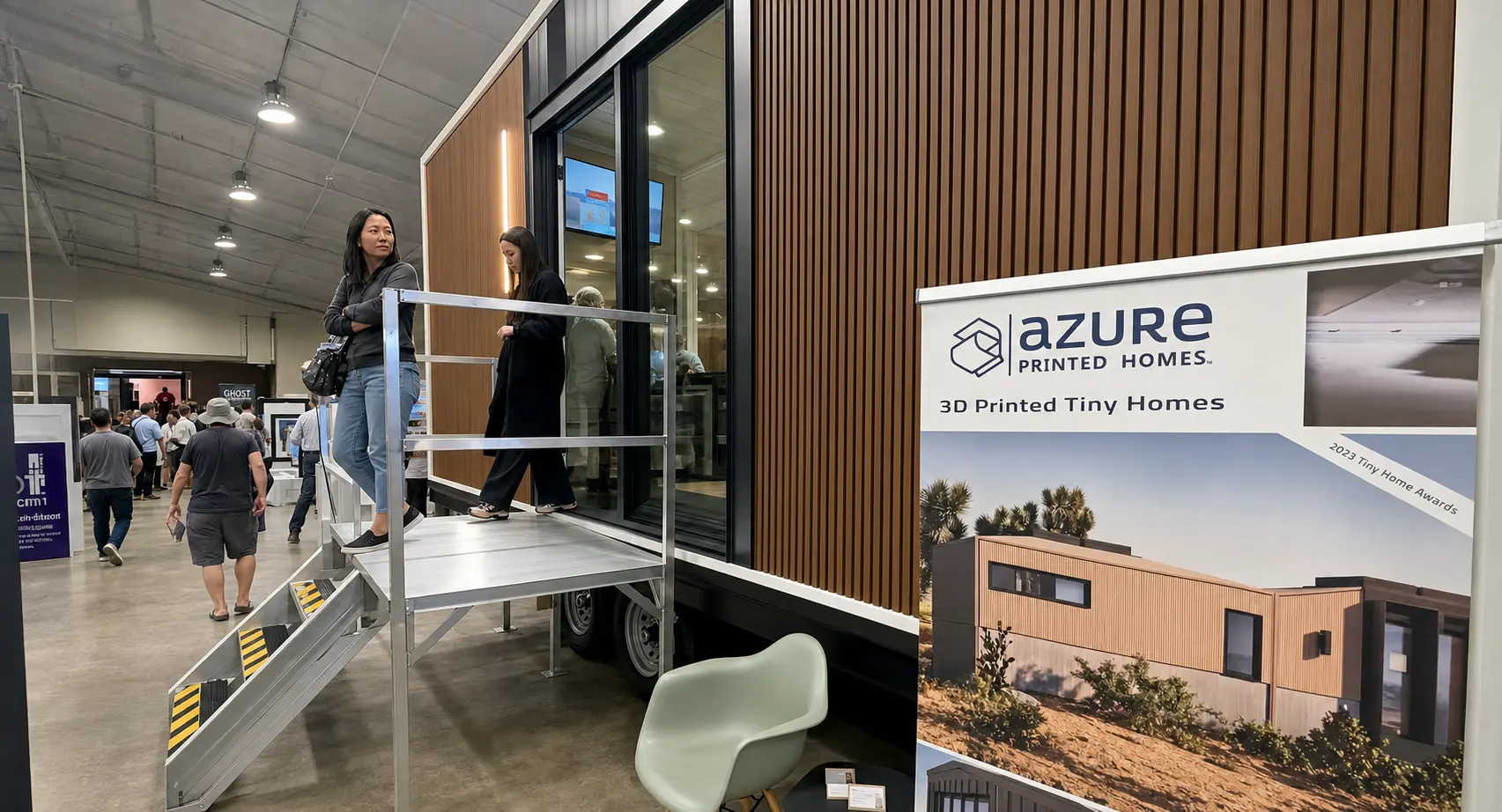
Modular Housing Options for Married Students
Married student housing needs can vary widely. Some campuses need compact units for couples, while others require one- or two-bedroom homes for students with children. Modular construction allows universities to combine several unit sizes within one residential community and add more units as demand grows.
We offer compact studios, one-bedroom homes, and larger family-oriented layouts. The following options can support different campus housing needs without relying on Homes on Wheels models.
| Model | Size and dimensions | Starting price | Layout and features | Potential campus use |
| A/D/C-100 | 100 sq ft | $24,900 | Compact studio configuration with an efficient open interior | Study room, student support space, short-term accommodation, or a small independent unit where permitted |
| A/D/C-120 | 120 sq ft, approximately 9 × 13 ft | $29,900 | Open studio layout in several exterior design configurations | Compact accommodation for couples, guest housing, or additional campus support space |
| A-360 | 360 sq ft, approximately 18 × 20 ft | $89,900 | One bedroom, one bathroom, kitchen, and living area | Private one-bedroom housing for married students |
| A-540 | 540 sq ft, approximately 18 × 30 ft | $134,900 | One bedroom, one bathroom, kitchen, and a larger living area | Couples who need more room for studying, storage, and everyday living |
| A-720.1 | 720 sq ft, approximately 18 × 40 ft | $174,900 | One-bedroom layout with generous shared living space | Married students who want a larger home or need space for work and study |
| A-720.2 | 720 sq ft, approximately 18 × 40 ft | $174,900 | Two junior bedrooms, one bathroom, kitchen, and living area | Couples with one or more children who need separate sleeping spaces |
| A-900 | 900 sq ft, approximately 18 × 50 ft | $219,900 | Two bedrooms, 1.5 bathrooms, kitchen, and spacious common areas | Larger student families or longer-term family housing |
Compact Studio Options
Our A/D/C-100 and A/D/C-120 configurations provide the smallest footprints in the lineup. These models can help a university make use of limited land, create clusters of private units, or add flexible spaces alongside existing married student housing.
One-Bedroom Housing
Our A-360 and A-540 models provide dedicated bedrooms, kitchens, bathrooms, and living areas. The separate rooms make these layouts more suitable for long-term married student housing than a fully open studio.
Bigger Housing for Families
Our A-720 and A-900 models are better suited to married students living with children. The A-720 is available in two layouts, allowing a campus to choose between a spacious one-bedroom residence and a configuration with two junior bedrooms.
Campus Apartments or Modular Housing: Which Is the Better Choice?
Both traditional campus apartments and modular housing can provide valuable accommodations for married students, but the best option often depends on the university’s housing capacity and long-term goals. Existing campus apartments work well when enough units are already available and demand remains relatively stable. However, many institutions face growing waiting lists and limited opportunities to expand using conventional construction alone.
Modular housing offers universities another way to increase capacity without relying solely on large-scale building projects. New units can be added in phases, allowing campuses to respond more quickly to enrollment changes while providing modern, private living spaces for couples and families.
We help educational institutions develop customizable modular communities that combine efficient construction, sustainable materials, and flexible floor plans. Because our homes arrive with electrical, plumbing, and interior finishes already completed, campuses can reduce on-site construction time and make new housing available sooner.
Rather than replacing existing student apartments, modular housing can complement them by filling capacity gaps and creating additional housing options as campus needs evolve.
Conclusion
Married student housing gives couples and families the opportunity to stay connected to campus while enjoying greater privacy and independence than traditional residence halls. Although these communities provide many benefits, limited availability and growing enrollment continue to create housing challenges for many universities.
Modular construction offers a practical way to expand campus housing while reducing construction timelines and increasing design flexibility. At Azure Printed Homes, we create future-focused modular living spaces that combine robotically printed construction, customizable layouts, sustainable materials, and factory-completed interiors. Whether a university needs compact residences for couples or larger homes for families, our modular solutions can help build modern married student housing that adapts to changing campus needs for years to come.