Bad credit can make affordable housing harder to secure, but it does not automatically lead to rejection. Landlords, housing programs, and lenders may also consider income, employment, rental history, existing debt, savings, and recent payment behavior.
The available options can include income-restricted rentals, private rentals, shared housing, ADUs, modular homes, and financing programs with more flexible requirements. The right path depends on whether someone plans to rent, buy, or build.
This guide explains how credit affects affordable housing, which options may still be available, and how applicants can improve their chances of approval.
Does Bad Credit Automatically Disqualify You?
Not necessarily. A low credit score can affect certain housing opportunities, but many affordable housing providers evaluate applicants using multiple factors rather than relying only on credit.
Depending on the type of housing, providers may also review:
- Household income
- Employment history
- Current debt
- Rental payment history
- Previous landlord references
- Available savings
- Debt-to-income ratio
For rental housing, landlords often want reassurance that rent will be paid consistently. For affordable home purchases, lenders usually look at income stability alongside credit history. A lower credit score may result in additional requirements, but it does not always mean an application will be denied.
How Bad Credit Can Affect Affordable Housing
Bad credit does not affect every housing option in the same way. Renting is often more flexible, while buying a home usually involves a deeper review of the applicant’s finances.
Affordable Rental Housing
Income eligibility is often the main requirement for affordable rental housing, but landlords and property managers may still review credit history. They may look for unpaid rent, recent collections, previous evictions, or repeated missed payments.
Applicants with lower credit scores may strengthen their application by providing:
- Proof of stable employment
- Recent pay stubs or other income records
- Positive references from previous landlords
- Evidence of consistent, on-time rent payments
- A brief explanation of past credit problems
A low score can raise concerns, but reliable income and a strong rental history may help balance them.
Affordable Homeownership
Buying a home usually requires a more detailed financial review. Lenders may consider credit score, household income, employment history, existing debt, available down payment, debt-to-income ratio, and recent payment behavior.
A lower credit score can lead to stricter terms, a larger required down payment, or fewer loan options. Some financing programs may be more flexible than conventional mortgages, but approval still depends on the lender, the program, and the applicant’s overall financial situation.
Affordable Housing Paths Beyond a Traditional Home Purchase
A lower credit score can narrow some financing options, but it does not leave someone with only one path. Affordable housing may include income-restricted rentals, shared living arrangements, ADUs, and smaller modular homes that reduce the amount of space and construction a buyer needs to finance.
Income-Restricted Rental Housing
Income-restricted housing is often the most direct option for people who are not ready to buy. Eligibility is usually based mainly on household income, although landlords may still review credit history, unpaid rent, or previous evictions.
Because requirements vary by property and location, applicants should ask which factors are considered before applying. Stable income, positive rental references, and a record of recent on-time payments may help when credit is less than ideal.
ADUs and Smaller Modular Homes
For many buyers, affordability is not only about finding financing but also about choosing a home that fits their actual needs. A smaller footprint can reduce the overall project size while still providing comfortable living space for everyday life.
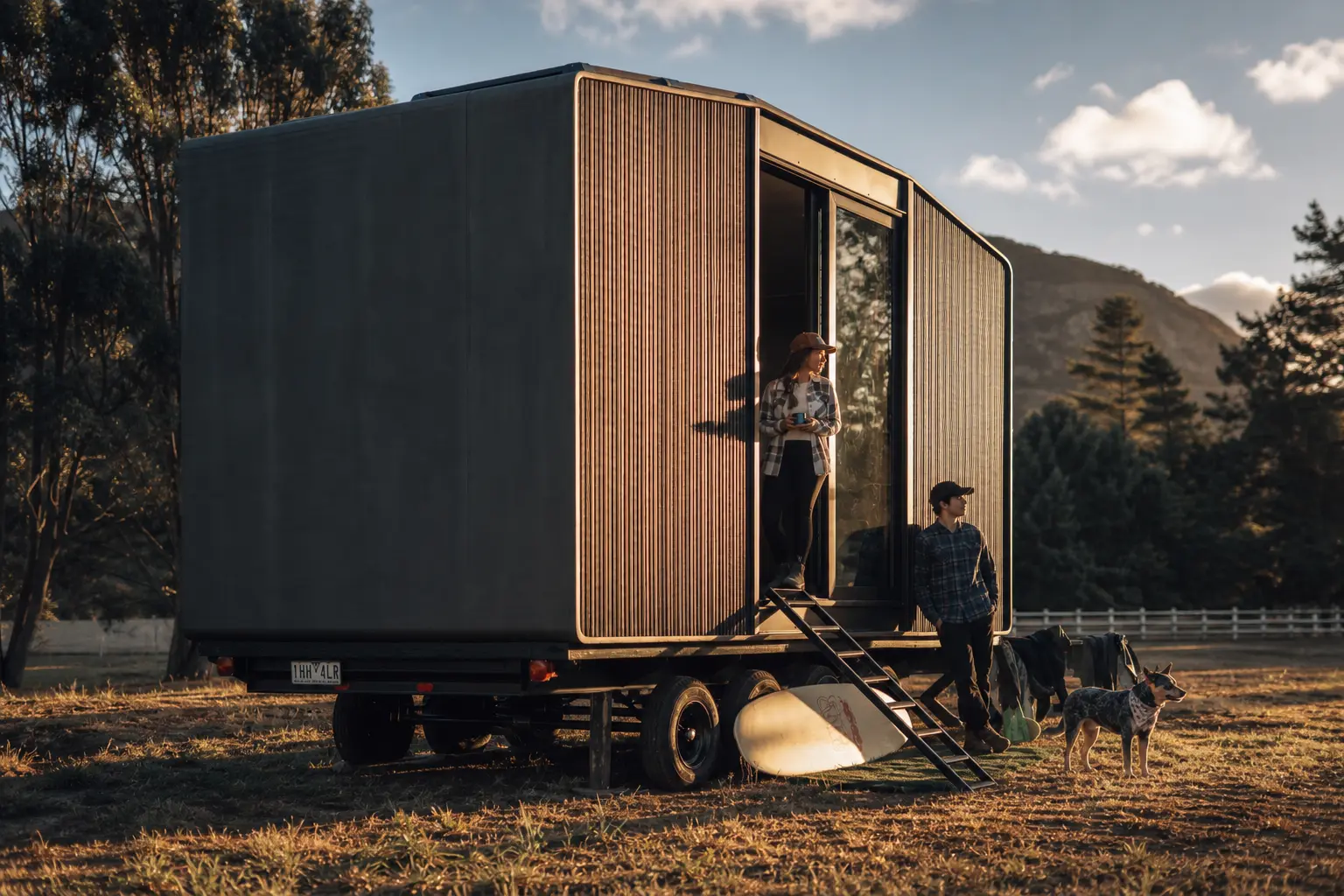
Accessory dwelling units (ADUs) have become a popular option for multigenerational living, allowing homeowners to create an independent residence for aging parents, adult children, caregivers, or guests on property they already own. Smaller modular homes can serve a similar purpose as a primary residence for individuals, couples, or small families who do not need a larger house.
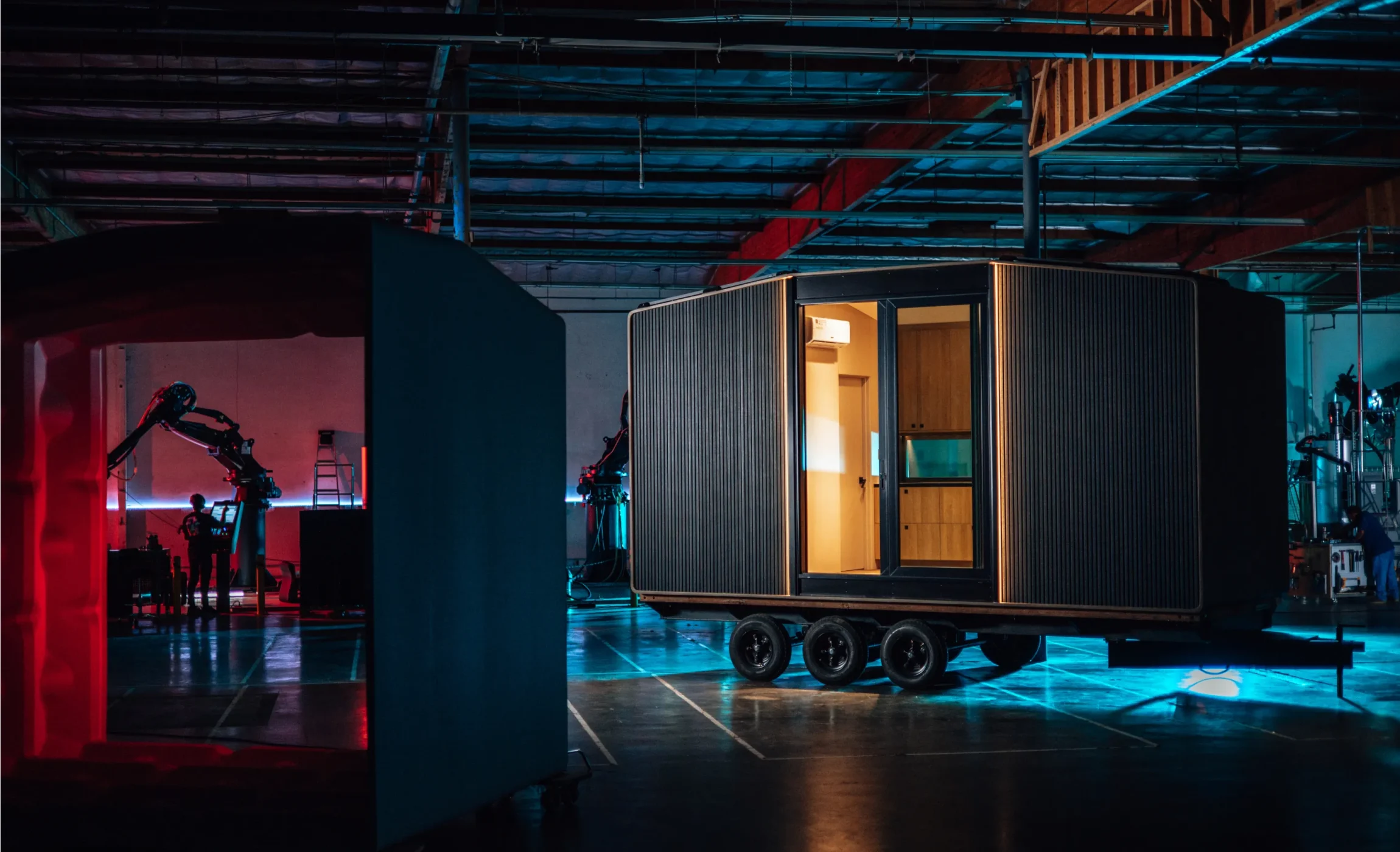
At Azure Printed Homes, we manufacture ADUs and smaller modular homes in a controlled factory environment while site preparation can move forward at the same time. Buyers can choose from several standard home models or customize a design to better match their property and lifestyle. Our production process includes robotic printing with recycled materials, factory-completed electrical, plumbing, mechanical systems, and interior finishes before the home is delivered for installation.
Although financing and site-related costs still need to be considered, factory production gives buyers a clearer understanding of the home itself, the construction timeline, and the overall project. That level of transparency can make budgeting easier when comparing affordable housing options and deciding which solution best fits long-term needs.
How to Strengthen an Affordable Housing Application
A lower credit score does not have to define the entire application. Applicants can improve their position by showing that they understand their finances, have stable income, and are planning around a realistic housing budget.
Show Stable Income and Financial Readiness
Landlords and lenders want to see that monthly housing costs can be managed consistently. Useful documents may include:
- Recent pay stubs
- Tax returns
- Employment verification
- Bank statements
- Records of on-time rent or bill payments
- A simple budget showing expected housing costs
For buyers considering a modular home, the budget should cover more than the model price. It may also need to include land, permits, site preparation, foundations, delivery, utility connections, and installation. Understanding these costs early can make a financing application clearer and more realistic.
We give buyers the opportunity to pre-qualify for financing before moving forward with a project. Understanding financing early can make it easier to compare models, estimate the overall budget, and choose a home that fits both current needs and long-term financial goals.
Explain Past Credit Problems Clearly
Medical expenses, job loss, reduced working hours, or other unexpected events can affect credit. A short and honest explanation may help provide context, especially when the applicant can also show that the situation has improved.
The explanation should focus on what happened, whether the issue has been resolved, and what has changed since then. Recent on-time payments and stable employment often carry more weight than a long story.
Reduce Debt Before Applying
Paying down revolving balances can improve both a credit score and a debt-to-income ratio. Applicants may also benefit from avoiding new loans or large credit purchases while preparing to apply.
This matters when planning a modular home because lenders may consider the complete project, not only the factory-built unit. Lower existing debt can leave more room for site work, delivery, and other necessary expenses.
Build a Stronger Overall Profile
A good application brings several positive factors together. Stable income, lower debt, savings, a clear budget, and recent on-time payments can help show that the applicant is financially prepared, even if the credit score is still recovering.
For modular homebuyers, preparation also means choosing a model that fits the actual budget. A smaller home or ADU may be more manageable than a larger project, especially when the total cost includes work completed both in the factory and on-site.
Why Modular Construction Can Make Budgeting Easier
Housing affordability depends on more than financing. Buyers also need to understand how the home will be built, which costs are included, and which expenses remain separate.
Traditional construction often involves several contractors, changing schedules, weather delays, and work completed in stages. These factors can make both the timeline and final budget harder to predict.
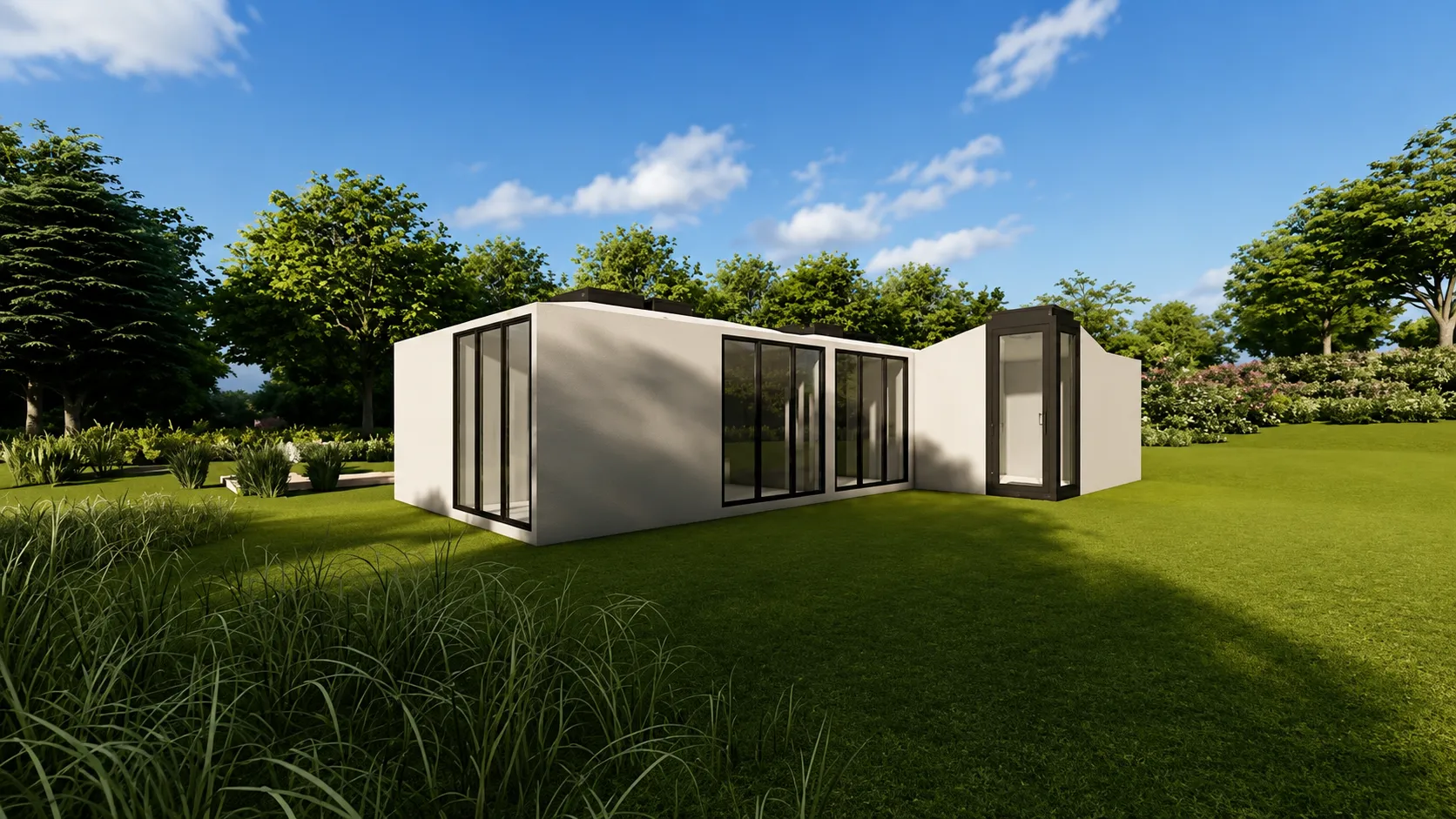
Factory-built modular construction follows a more organized process. At Azure, we manufacture approximately 10 modules each week. Backyard studios may be delivered in about 30 to 60 days depending on location, while many ADUs and homes may be delivered in approximately 90 to 120 days based on size, customization, location, and current production lead times.
Because much of the home is fabricated before delivery, buyers can review the model, included features, expected timeline, and separate site costs earlier in the process. This can make it easier to compare options and build a more realistic overall budget.
Modular construction does not remove every project expense. Site preparation, foundations, permits, utility connections, delivery, and local installation may still need to be added to the budget. However, separating the factory-built home from site-specific work can make it easier to understand where the money is going and plan the project more carefully.
Choosing a Home That Fits Your Budget
Choosing the right home is not only about finding the lowest price. The layout, square footage, and level of customization all affect the total project budget. Starting with a home that matches current needs instead of future possibilities can help keep costs under control while still providing comfortable living space.
We offer several product lines that allow buyers to choose a solution based on how the space will be used, whether it is a compact studio, an ADU, a full-time residence, or a custom home designed for a specific property.
Studio Models
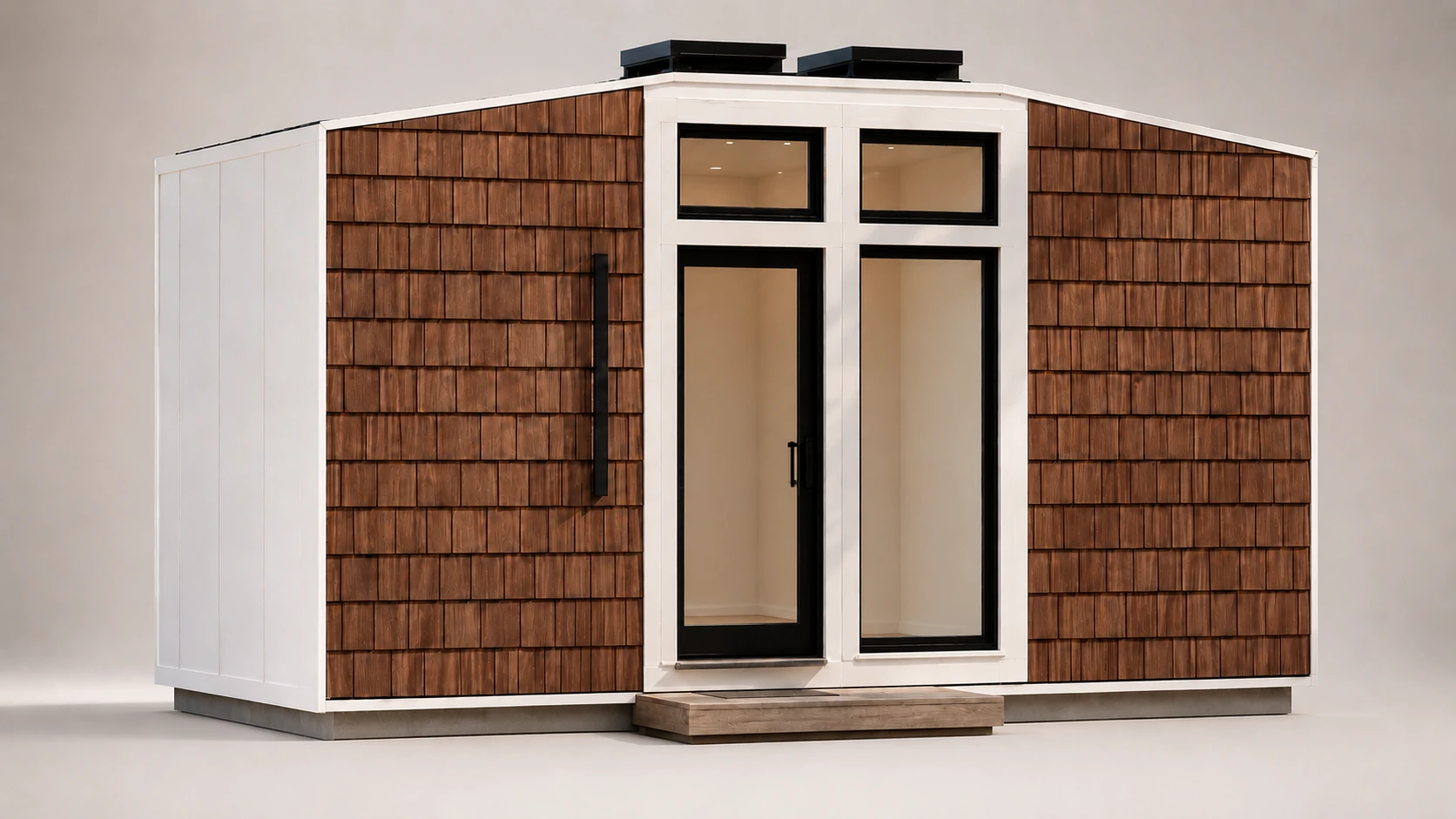
Studio models are designed for projects that need functional space without the footprint of a full home. They can serve as backyard offices, guest suites, creative studios, wellness rooms, or private retreats.
Our studio options include:
- N-100, starting at $24,900
- A-120, starting at $29,900
- D-120, starting at $29,900
- D-180, starting at $39,900
For buyers looking to add flexible space to an existing property, these smaller models can provide a practical starting point while keeping the overall project more manageable.
Homes and ADUs
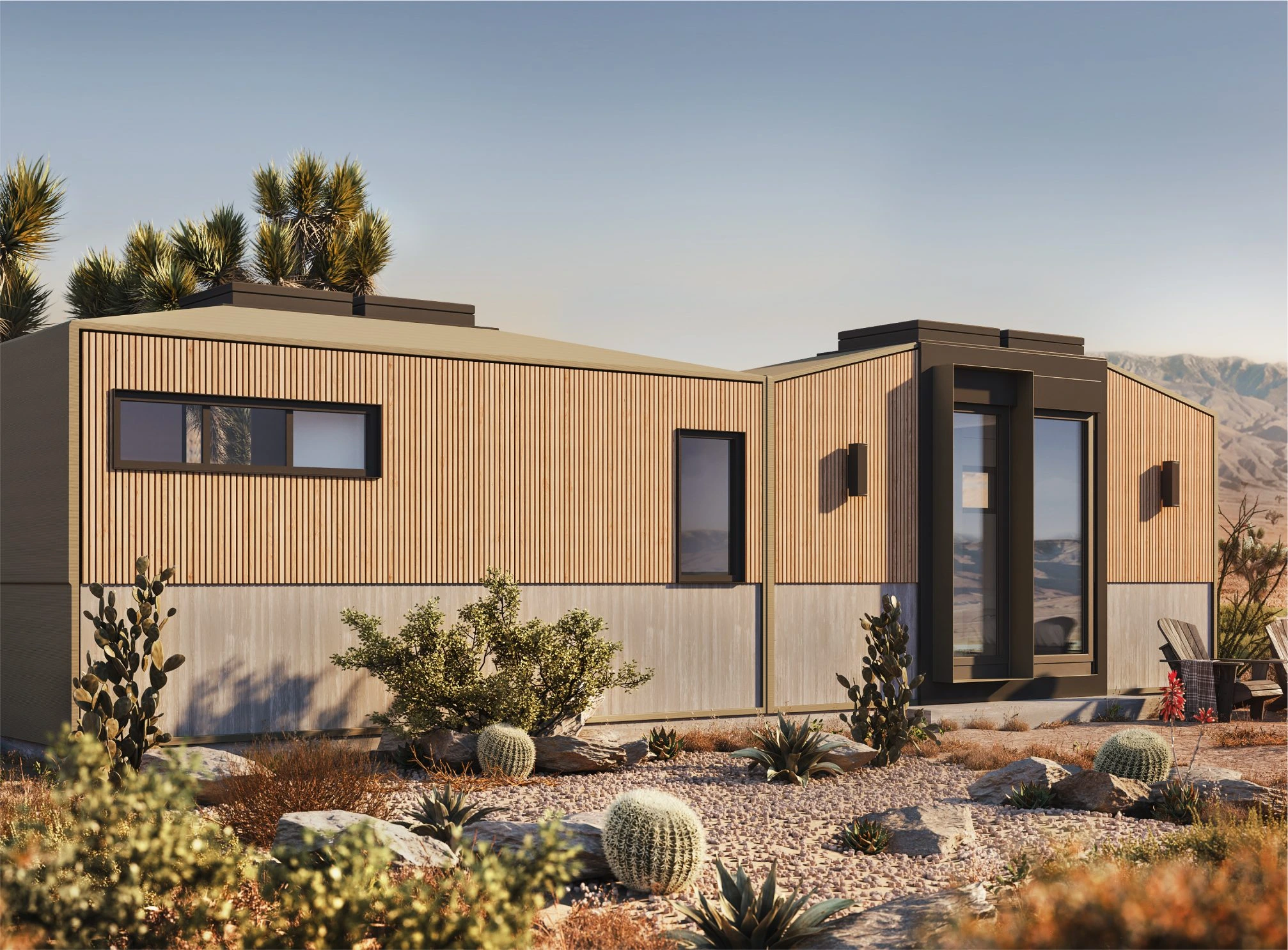
Buyers looking for a primary residence or a larger independent living space can choose from several standard floor plans with one-bedroom and two-bedroom layouts.
Our standard collection includes:
- 360: 1 bedroom, 1 bathroom, starting at $89,900
- 540: 1 bedroom, 1 bathroom, starting at $134,900
- 720.1 or 720.2: 1 or 2 bedrooms, 1 bathroom, starting at $174,900
- 900: 2 bedrooms, 1.5 bathrooms, starting at $219,900
Each model is manufactured in a factory environment and can be customized with different finishes to better suit the buyer’s preferences.
Custom Homes
Some projects call for more flexibility than a standard floor plan can offer. At Azure Printed Homes, we also design and manufacture custom homes of up to approximately 3,000 sq ft for buyers who want a home tailored to their property and the way they plan to live.
We can adjust the layout, room configuration, dimensions, and interior finishes while also incorporating features such as multi-story designs, balconies, elevators, solar panels, or heated floors when the project requires them. Custom homes are generally priced at approximately $400 per sq ft, giving buyers the opportunity to create a space that reflects their long-term needs rather than adapting to a predefined design.
Conclusion
Bad credit can make the search for affordable housing more challenging, but it does not eliminate the available options. Rental housing, government-supported programs, ADUs, and modular homes may all provide a path forward depending on a person’s financial situation, income, and housing goals.
The key is to look beyond the credit score alone. Preparing a strong application, understanding the full project budget, comparing financing options, and choosing a home that fits current needs can all improve the chances of finding an affordable solution.
At Azure Printed Homes, we help make that process more straightforward by offering studio models, homes, ADUs, and custom designs built through an organized factory production process. With customizable layouts, transparent starting prices, and the opportunity to pre-qualify for financing before moving forward, we aim to give buyers the information they need to plan their project with greater confidence.