One of the biggest questions people ask before buying a tiny home is whether it will hold its value over time. The answer is not as straightforward as many expect because not all tiny homes are built the same way. A home on wheels, a modular home installed on a permanent foundation, and an accessory dwelling unit (ADU) all follow different paths when it comes to resale value.
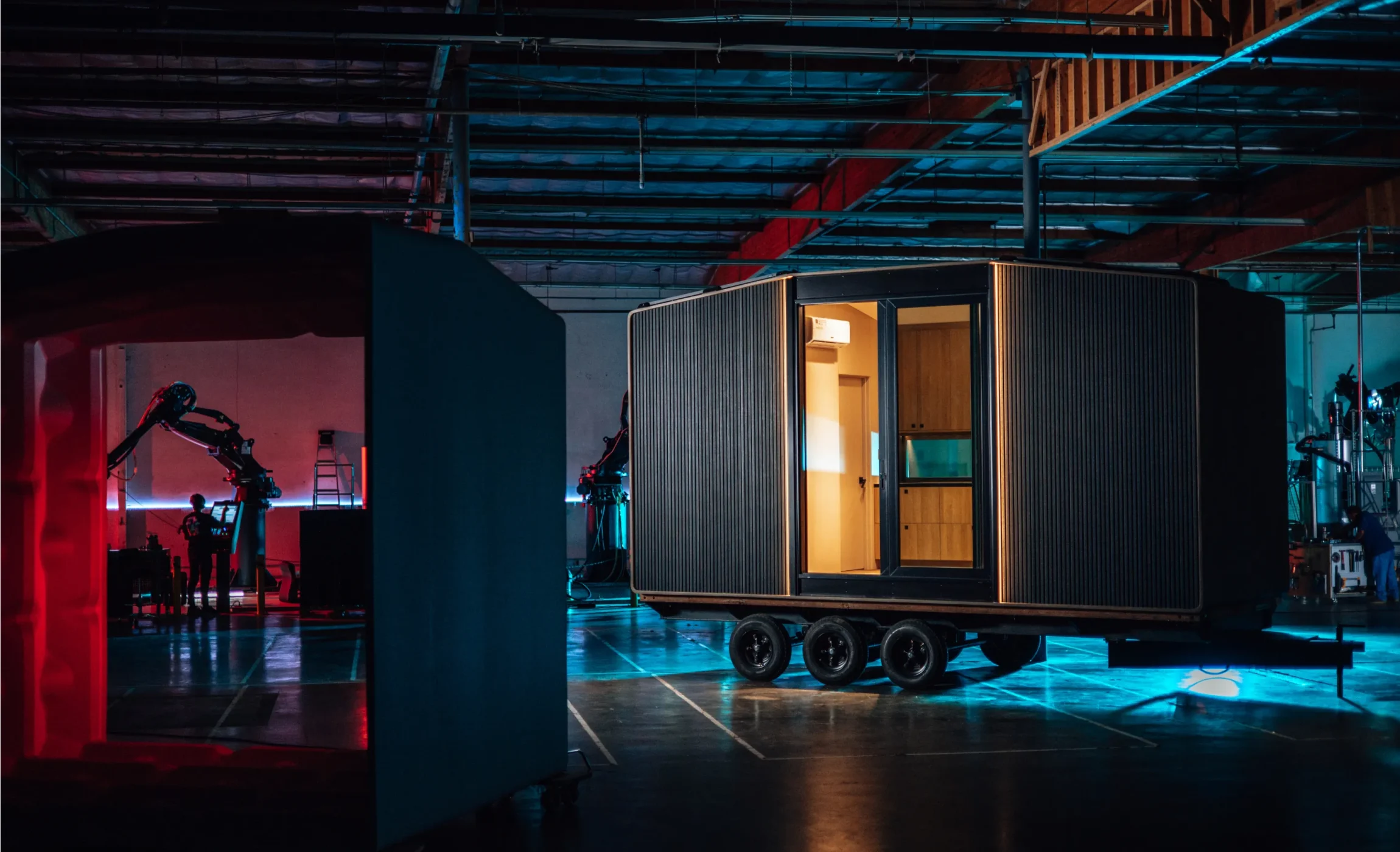
As more buyers explore compact living, backyard housing, and flexible homeownership, understanding what influences depreciation can help avoid costly mistakes. At Azure Printed Homes, we approach tiny homes differently. We manufacture robotically printed modular homes, ADUs, studio spaces, and homes on wheels, giving buyers options that fit different goals instead of assuming every project requires the same type of structure.
This guide explains why some tiny homes lose value, why others may perform differently over time, and what buyers should consider before making an investment.
Tiny Home Depreciation Explained
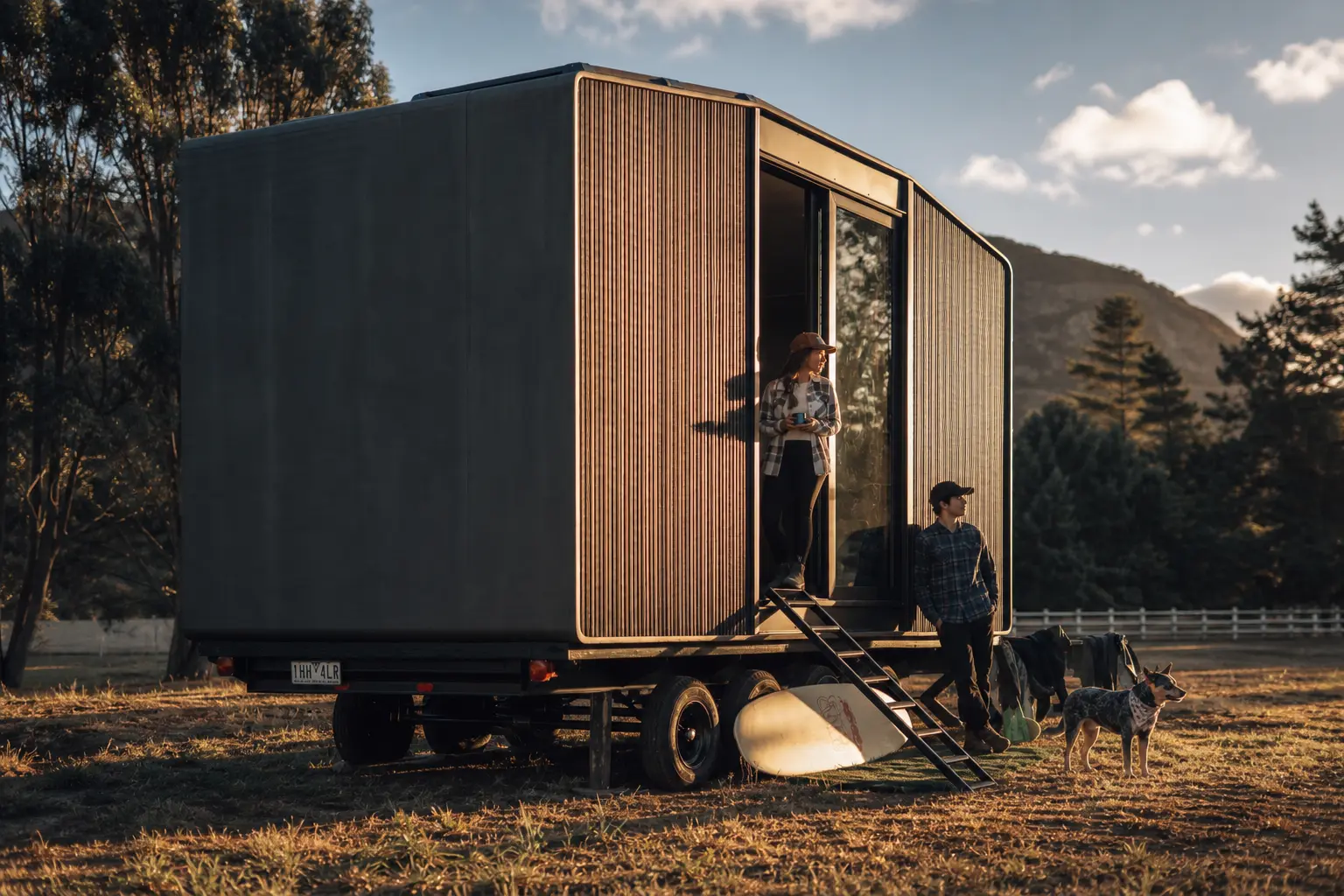
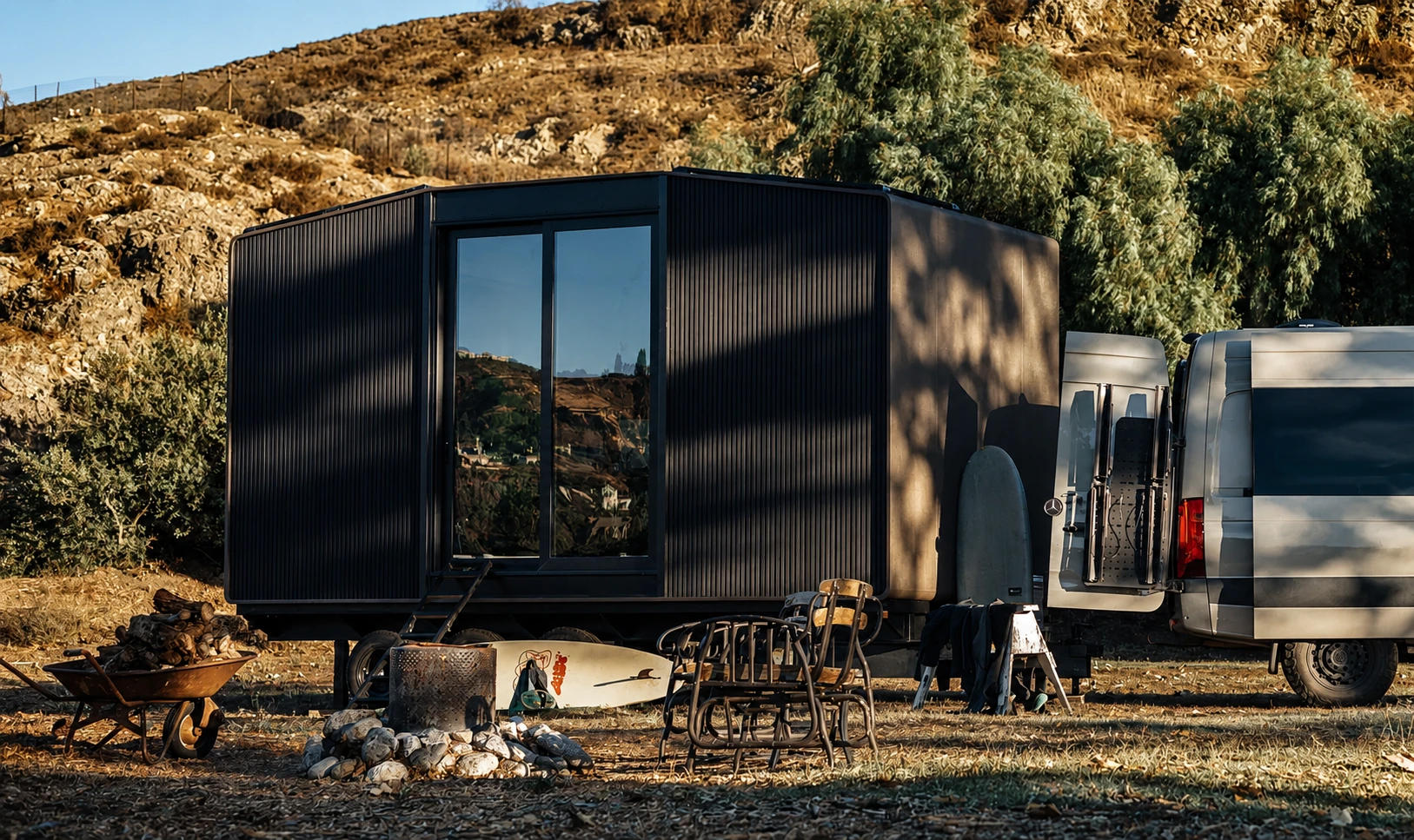
Many tiny homes depreciate over time, but the outcome depends on the structure, installation method, classification, and property arrangement. A home built on a trailer chassis usually remains a movable asset, so its value may decline as it ages and accumulates wear, much like an RV or travel trailer.
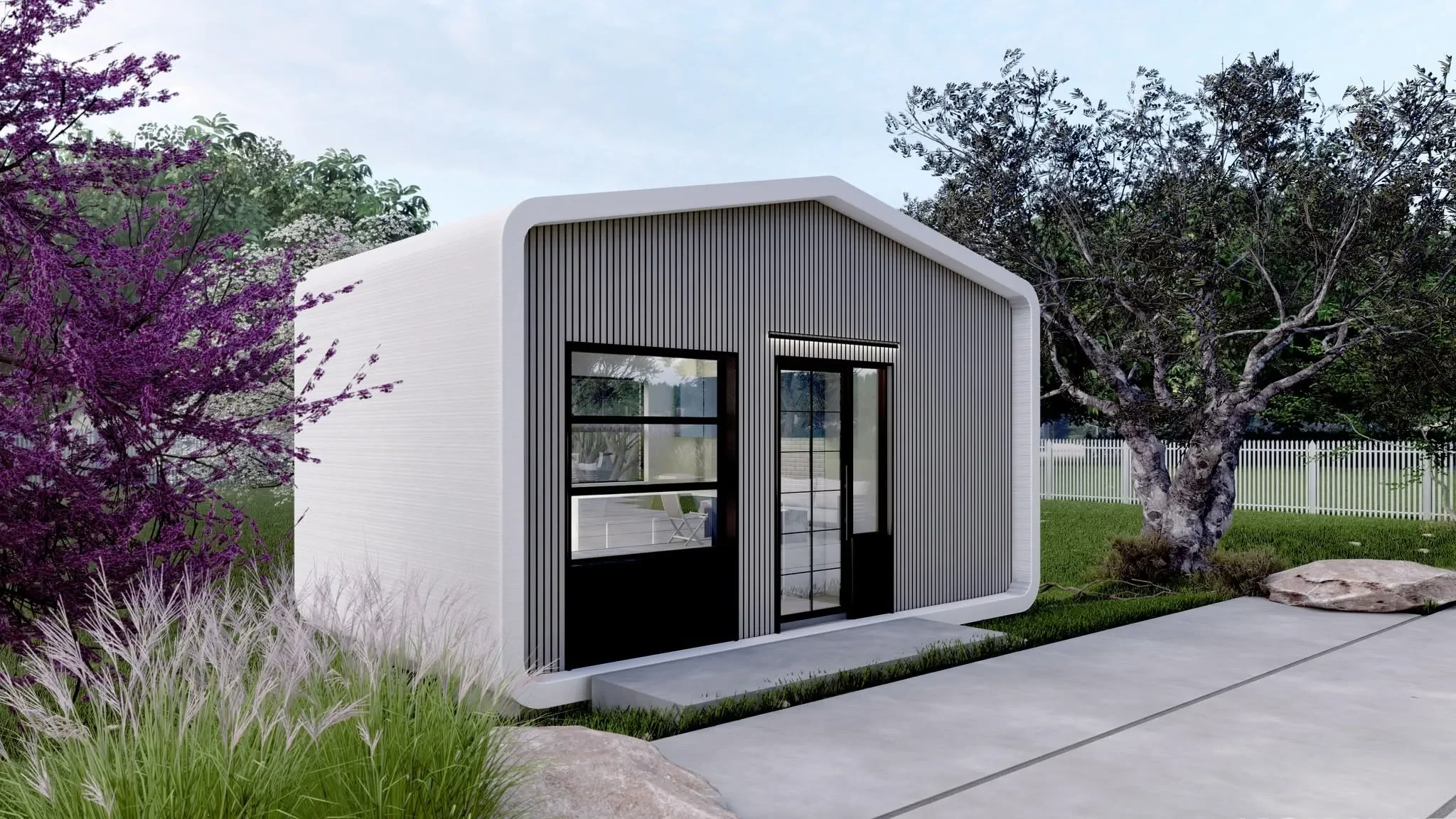
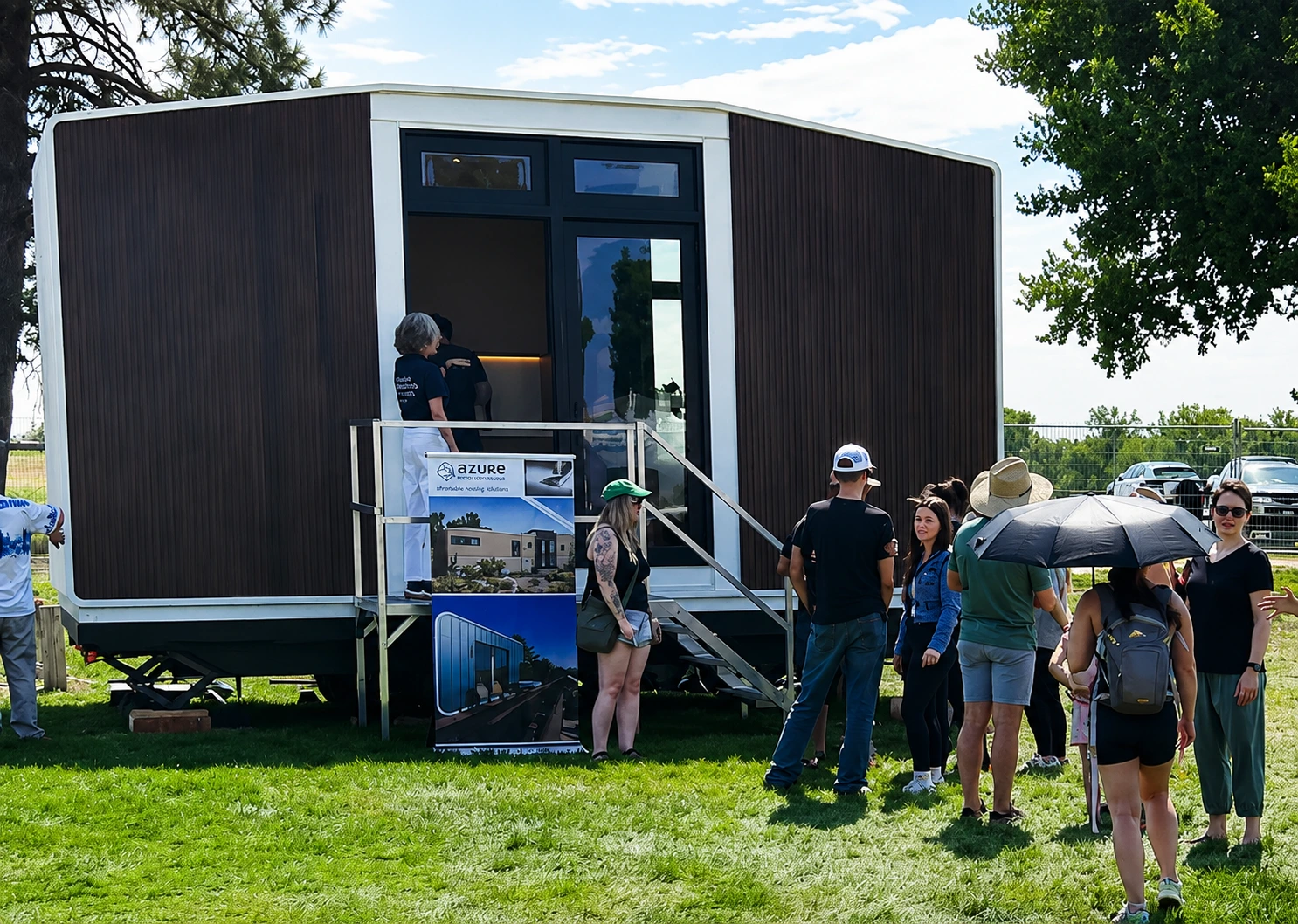
Permanent modular homes can follow a different path. For example, we offer both homes on wheels and foundation-based homes and ADUs. A model from the X Series remains mobile, while a permanent home or ADU installed on owned land may become part of the real property. In that case, the value is influenced not only by the condition of the structure but also by the land, local housing demand, permitted use, and improvements made to the site.
This distinction matters because two homes with similar square footage may have very different long-term values. Buyers should decide early whether mobility or permanent property integration is the main priority, since that choice can shape financing, resale demand, and appreciation potential.
Why Some Tiny Homes Lose Value
Several factors can cause a tiny home to lose value over time. The most important are mobility, financing limitations, local regulations, and the size of the resale market. These factors do not affect every tiny home equally, but they can make a noticeable difference when the owner decides to sell.
Mobility
Tiny homes designed for frequent relocation usually experience more wear than homes installed permanently. Transportation can place additional stress on:
- Tires
- Axles
- Chassis
- Exterior finishes
- Plumbing connections
- Interior fixtures
We offer X-180, X-270, and X-360 homes on wheels for buyers who value mobility. The chassis is included in the model price, but the long-term value of any movable home still depends on how often it is transported, how carefully it is maintained, and the condition of its road-related components.
A home that remains in one location for most of its life may retain its condition better than one moved several times a year. Even careful towing can gradually affect finishes, connections, and structural components.
Limited Financing
Movable tiny homes do not always qualify for traditional mortgage financing. Depending on their construction, certification, and classification, buyers may need to use cash, personal loans, RV loans, or specialty financing.
This can affect resale value because future buyers may face the same financing limitations. A smaller group of qualified buyers can make the home harder to sell or place more pressure on the asking price.
We build both homes on wheels and permanent modular homes and ADUs, and the financing route can differ significantly between them. A permanent home attached to real property may have access to different financing and valuation methods than a movable unit, although approval always depends on the lender, installation, permits, and local requirements.
Local Regulations
Tiny home rules vary between states, counties, and municipalities. A home may be well built and properly maintained but still have limited resale appeal if buyers cannot easily find a legal place to use it.
Before purchasing a movable or permanent tiny home, buyers should confirm:
- Where the home can legally be placed
- Whether full-time occupancy is permitted
- Whether a permanent foundation is required
- Which utility connections must be installed
- What zoning and setback rules apply
- Whether an HOA has additional restrictions
Our process begins with a client and site assessment because the property can influence the project as much as the unit itself. Plans may need to address architectural, structural, mechanical, electrical, plumbing, and energy requirements before approvals and factory construction move forward.
Regulatory limits do not automatically reduce the physical value of a tiny home. However, they can reduce the number of suitable properties and interested buyers, which may affect resale demand.
Market Demand
The tiny home market is more specialized than the conventional housing market. Demand can vary based on location, intended use, local housing costs, and the availability of legal placement options.
A practical layout with a kitchen, bathroom, usable storage, and flexible living space may appeal to a broader group of buyers. A highly personalized design may be perfect for its original owner but harder to resell if the layout or finishes suit a very specific lifestyle.
We allow buyers to customize finishes, dimensions, layouts, and unit orientation. Larger units may also be adjusted by adding or removing bedrooms or bathrooms. Customization can make a home work better for its site and owner, but buyers who expect to resell should still consider whether those choices will remain useful to someone else.
Neutral finishes, functional storage, standard systems, and adaptable rooms can help preserve broader market appeal. The goal is not to avoid customization completely, but to balance personal preferences with long-term usability.
Can Tiny Homes Appreciate Instead?
Tiny homes can appreciate in value, but this is more likely when the home is permanently installed and legally connected to the property. In that case, it is no longer evaluated only as a separate structure. Its value becomes part of the broader value of real estate.
A tiny home on wheels usually remains a movable asset. Even when it is well designed and carefully maintained, it is generally separated from the land beneath it. This makes its financial path closer to that of a trailer or RV, where depreciation is more common than appreciation.
A foundation-based tiny home follows a different model. At Azure Printed Homes, we build permanent modular homes and ADUs as well as homes on wheels, allowing buyers to choose between long-term installation and mobility. When one of our modular homes is installed on a permanent foundation, approved for its intended use, and integrated into the property, it may contribute to the property’s overall market value.
That does not mean every permanent tiny home will rise in value. Appreciation is never automatic, and the structure should not be viewed as a guaranteed investment. The key distinction is that a permanent home can participate in the real estate market, while a movable home is usually valued on its own.
For buyers planning to remain in one location, a permanent modular home may therefore make more sense than a unit intended for regular relocation. It can serve as a primary residence, an ADU, or additional living space while becoming a lasting part of the property.
Factors Affecting Tiny Home Value
Several characteristics influence whether a tiny home retains value over time.
Construction Quality
High-quality construction generally performs better over the long term than lower-cost alternatives. Buyers often evaluate structural durability, insulation, window quality, interior finishes, mechanical systems, and weather resistance.
We complete electrical, plumbing, mechanical systems, and interior finishes in our factory before delivery. Factory production allows those systems to be installed in a controlled environment while site work is completed separately.
Materials
Building materials influence both durability and maintenance. We manufacture homes using robotically printed recycled materials for many applications, while our light-gauge steel system is available for projects that benefit from additional fire resilience or larger structural requirements. Both systems are designed for factory production and can be customized for different project types.
Maintenance
Regular maintenance helps preserve both appearance and functionality. This includes:
- Roof inspections
- Exterior cleaning
- Window maintenance
- HVAC servicing
- Plumbing inspections
- Interior repairs
Well-maintained homes generally attract stronger resale interest than neglected properties.
Location
Even with a permanent installation, location remains one of the strongest influences on value. Factors include:
- Local housing demand
- School districts
- Employment growth
- Infrastructure
- Neighborhood development
- Access to services
The same modular home may perform very differently in two separate markets.
Does Land Matter?
Land can have a major effect on whether a tiny home gains value over time. In many cases, the land contributes more to long-term appreciation than the structure itself.
A tiny home placed on owned land may benefit from changes in the surrounding real estate market. As demand increases, infrastructure improves, or the neighborhood develops, the total property may become more valuable. Site improvements such as utility connections, access, drainage, landscaping, and a permanent foundation can also influence how the property is viewed during resale.
At Azure Printed Homes, we build permanent modular homes and ADUs for installation on prepared sites, while foundations, permits, delivery, utility connections, and local installation are planned separately for each property. This matters because the final value depends on the complete project, not only on the factory-built unit.
A similar home placed on rented land, in an RV park, or on a temporary site usually does not benefit from land appreciation because the homeowner does not own the underlying property. The structure may still retain value if it is well maintained, but any increase in the value of the land belongs to the landowner.
For buyers focused on long-term value, owning the site can therefore make a significant difference. It connects the tiny home to the broader real estate market rather than leaving it as a separate movable asset.
How to Reduce Depreciation Risk
While no home is guaranteed to appreciate, buyers can make decisions that support stronger long-term value.
Consider the following:
- Choose quality construction over the lowest purchase price.
- Understand local zoning before buying.
- Match the home type to long-term goals.
- Maintain the home regularly.
- Keep records of upgrades and repairs.
- Avoid unnecessary modifications that limit resale appeal.
- Consider whether permanent installation better fits future plans.
- Evaluate total project costs instead of focusing only on the base model price.
Making decisions with the entire ownership period in mind often produces better outcomes than focusing only on the initial purchase price.
Conclusion
Tiny homes do not all follow the same financial path. Homes on wheels often depreciate because they function as movable assets, while permanent modular homes installed on owned land may benefit from broader real estate market conditions.
Understanding how construction type, foundation, land ownership, maintenance, and local regulations affect long-term value helps buyers make informed decisions before investing.
At Azure Printed Homes, we build robotically printed modular homes, ADUs, studio spaces, and homes on wheels to support different lifestyles and property goals. By separating factory-built home costs from site-specific work and offering multiple housing solutions, we help buyers choose the option that best fits both their current needs and long-term plans.