As housing preferences continue to evolve, more people are exploring smaller, more flexible ways to live. Luxury RVs and tiny homes are two popular options, but they are designed around very different lifestyles.
Luxury RVs focus on mobility, allowing people to travel frequently and bring their living space wherever they go. Tiny homes focus on creating efficient, comfortable residences with thoughtful layouts and long-term livability.
Choosing between them depends on whether the priority is constant movement or a more permanent sense of home.
Exploring Two Approaches to Compact Living
The biggest difference between luxury RVs and tiny homes is their intended purpose.
A luxury RV is primarily a vehicle with living accommodations. Its design prioritizes transportation, allowing owners to travel between destinations while having access to sleeping areas, kitchens, bathrooms, and other basic residential features.
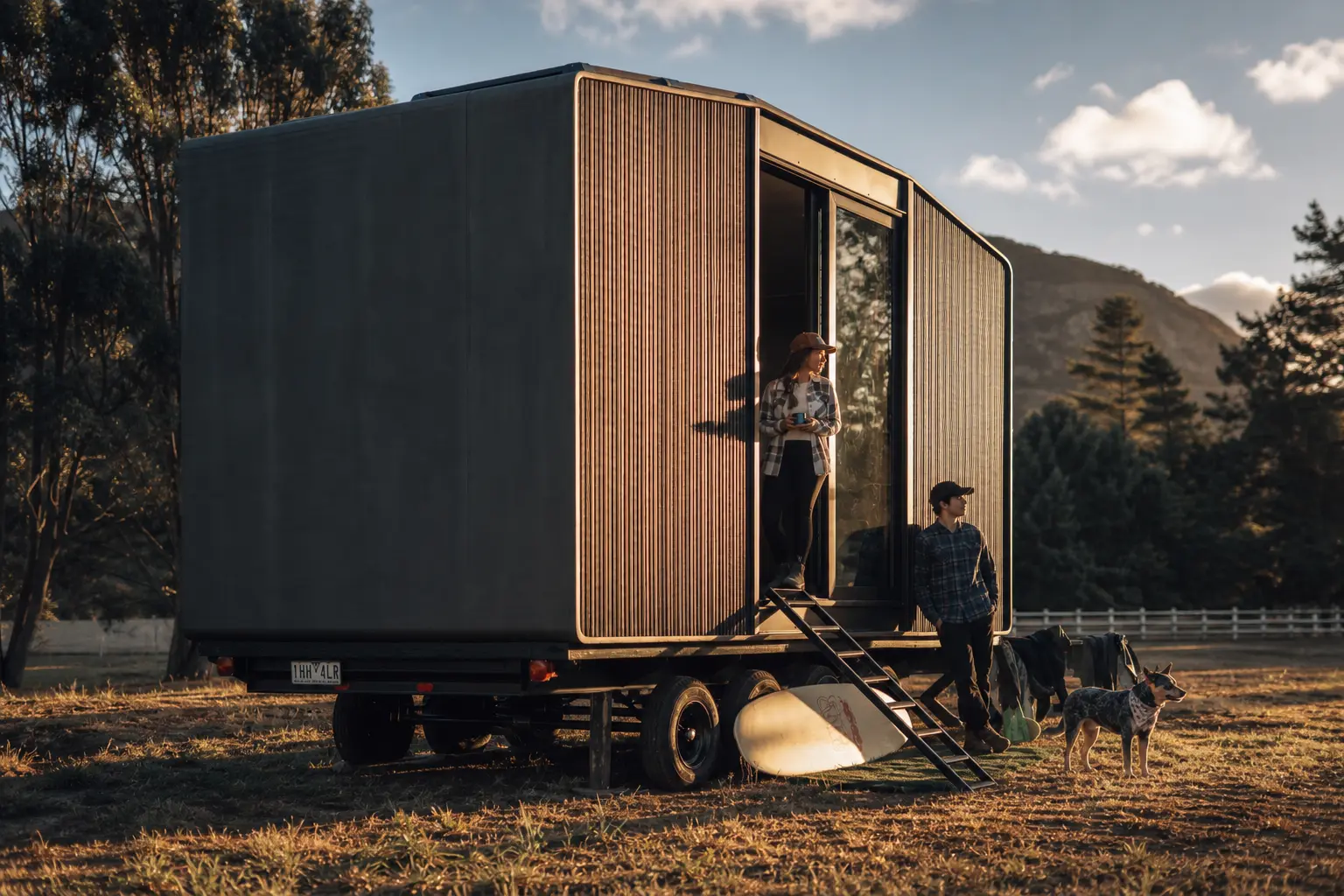
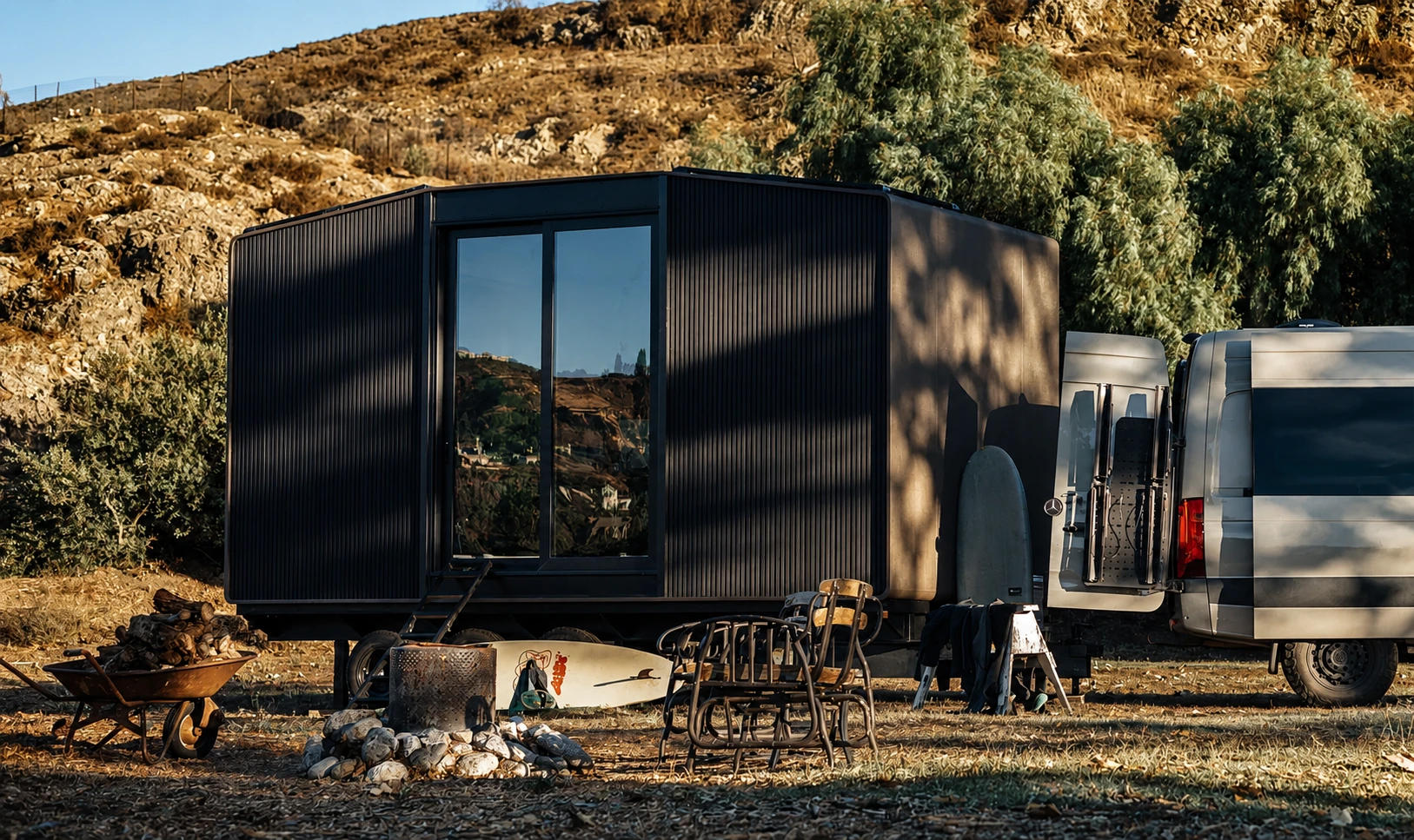
A tiny home is primarily a residential space designed around the idea of efficient living. While some tiny homes can be relocated, the focus is usually on creating a comfortable place to live rather than moving constantly. At Azure Printed Homes, we design modular living spaces around this idea, combining efficient layouts, customizable designs, and modern manufacturing to create homes that support everyday living needs.
This difference affects almost every aspect of the experience:
- How the space is designed
- How materials are selected
- How the home handles weather and daily use
- How long someone can comfortably live there
- How much customization is possible
For someone looking for a travel-focused lifestyle, an RV may provide the flexibility they need. For someone searching for a compact but comfortable residence, a tiny home often offers a closer connection to traditional home living.
Key Differences Between Luxury RVs and Tiny Homes
Luxury RVs and tiny homes both offer alternatives to traditional housing, but they are built around different ideas of modern living. These differences influence almost every part of the living experience, from construction methods and materials to customization, energy efficiency, and long-term use. Understanding how each option works can help buyers choose a solution that matches their lifestyle.
Comfort and Everyday Living
Comfort is one of the biggest factors when comparing luxury RVs and tiny homes. Although both options can include essential features such as kitchens, bathrooms, and sleeping areas, the way they approach daily living is very different.
Tiny Homes Are Designed Around Residential Comfort
One of the biggest advantages of tiny homes is that they are designed to feel like homes rather than vehicles. Although the square footage is smaller, thoughtful design can create a surprisingly functional living environment. Features such as built-in storage, efficient kitchens, dedicated sleeping areas, and carefully planned layouts allow homeowners to use every part of the space effectively.
Tiny homes often use residential construction approaches, including stronger insulation, more durable materials, and finishes that create a familiar home environment.
We design compact spaces that support everyday living. We create modular homes and ADUs with residential functionality in mind, offering options that can include kitchens, bathrooms, bedrooms, and customizable finishes depending on the model and project requirements.
Luxury RVs Prioritize Travel Convenience
Luxury RVs can offer impressive features, especially for travelers who spend significant time on the road. Many include comfortable sleeping areas, compact kitchens, entertainment systems, and clever storage solutions.
However, RV layouts are shaped by the requirements of transportation. Width limitations, weight restrictions, and road regulations influence the design. This can result in narrower spaces, smaller appliances, and layouts optimized for short-term stays.
For weekend trips or extended travel, this approach makes sense. For people who want their home to function as a primary residence, the difference becomes more noticeable over time.
Customization Options
Both options can offer design choices, but the level of flexibility is often influenced by whether the space is built primarily for living or transportation.
Tiny Homes Offer More Personal Design Choices
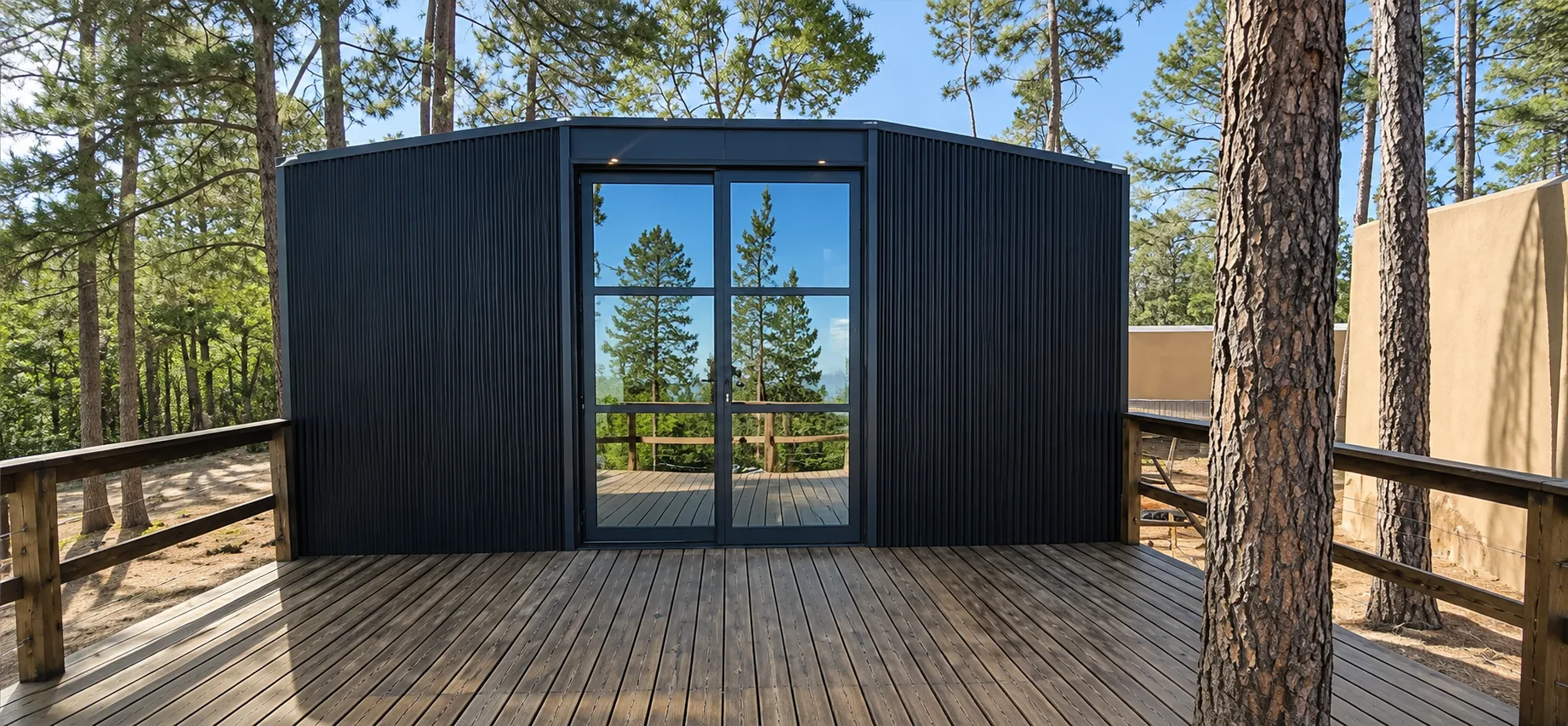
Customization is one of the strongest advantages of tiny homes. Instead of adapting a space designed primarily for transportation, homeowners can often choose layouts, finishes, storage solutions, and features that match their lifestyle.
A tiny home can be designed as:
- A primary residence
- A backyard ADU
- A guest house
- A home office
- A rental property
At Azure, we provide customizable modular solutions that allow homeowners to adjust designs based on their needs. We work with customers to configure units, select finishes, and develop spaces that match specific goals rather than limiting buyers to one standard layout.
Customization can include different finishes, layout adjustments, and optional upgrades such as solar panels or heated floors. Larger custom projects can incorporate additional design requirements as well.
Luxury RV Customization Has Different Limits
Luxury RVs can include upgraded interiors, premium finishes, and advanced technology. However, customization is usually limited by the requirements of road travel.
The structure must remain within transportation guidelines, which affects dimensions, weight, and layout possibilities. For travelers, these limitations are often acceptable. For homeowners looking to create a personalized living environment, tiny homes typically provide more flexibility.
Construction and Materials
The way a living space is built affects its durability, comfort, and ability to support long-term use.
Tiny Homes Use a Home-Building Approach
Construction methods play an important role in how a space feels and performs. Tiny homes are typically built with materials and techniques closer to traditional residential construction. This allows builders to focus on insulation, durability, energy efficiency, and long-term comfort.
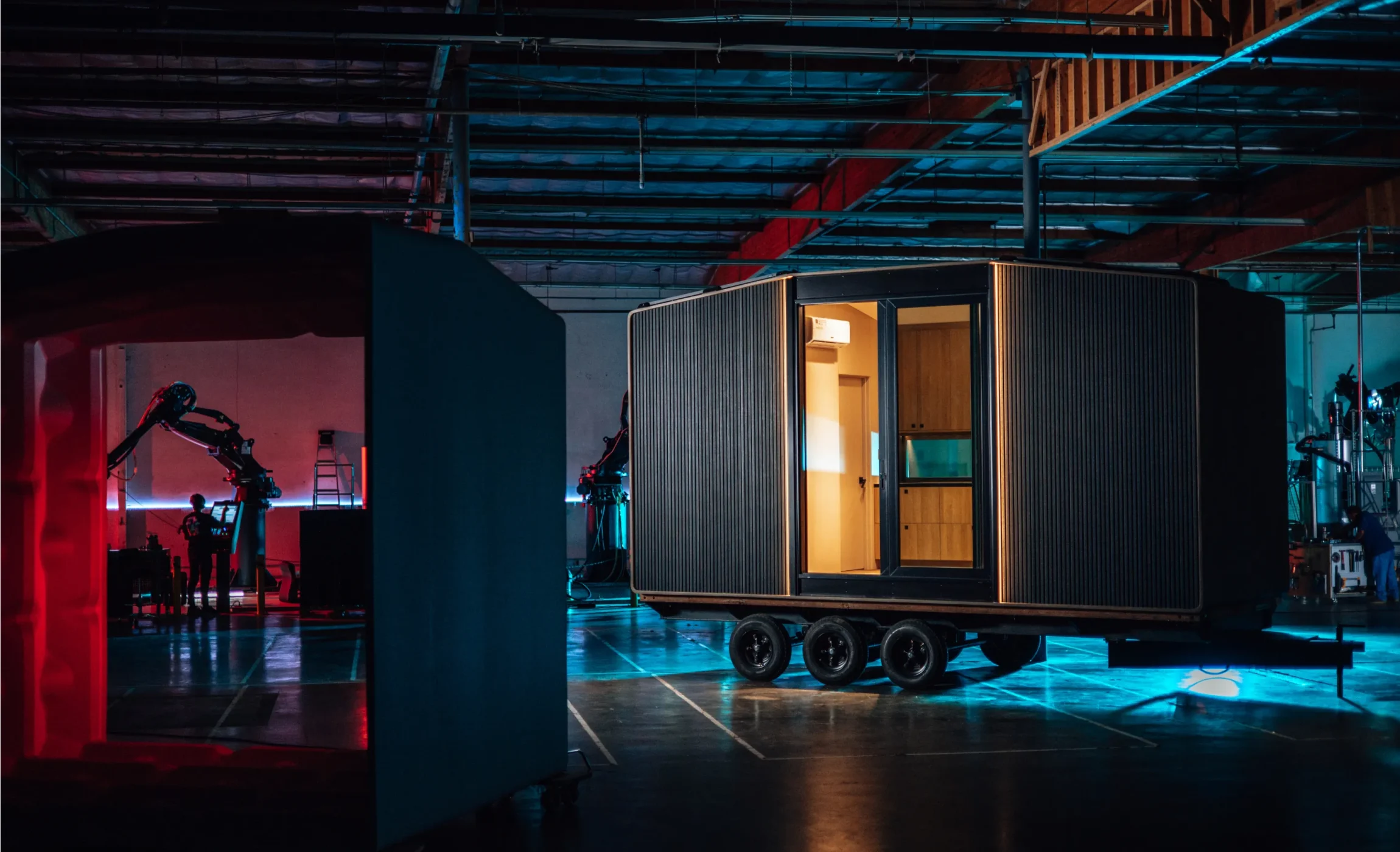
We take this concept further by using robotic manufacturing and 3D-printed construction. We combine advanced technology with recycled materials to create modular living spaces designed for modern housing needs.
Our construction approach allows for precise manufacturing while reducing material waste. More than 60% of the print material used in our homes comes from recycled plastic, and approximately 100,000 plastic bottles are used per 120 square feet of printed home material.
RV Construction Focuses on Weight and Mobility
Because RVs need to be transported, manufacturers must balance comfort with weight limitations. Materials are selected to keep the vehicle lighter and easier to move.
This makes RVs practical for travel but creates different priorities compared with residential construction. Features that are beneficial for mobility are not always the same features that create the feeling of a long-term home.
Making the Right Choice for Your Lifestyle
Choosing between a luxury RV and a tiny home is less about finding one universal winner and more about understanding how each option supports a different way of living.
Luxury RVs are designed around flexibility and movement, making them suitable for people who want to travel regularly and have a living space that can move with them. Tiny homes focus on creating efficient residential spaces with the comfort, customization, and functionality people expect from a home.
The best choice depends on how the space will be used, how often it needs to move, and whether the priority is mobility or long-term living.
| Factor | Luxury RV | Tiny Home |
| Primary purpose | Designed for travel, recreation, and temporary stays | Designed for compact residential living |
| Mobility | Built for frequent relocation and road travel | Can be relocated, but typically designed for longer stays in one location |
| Daily comfort | Optimized for convenience while traveling | Designed around residential comfort and everyday routines |
| Living space | Uses compact layouts focused on transportation requirements | Uses efficient layouts focused on maximizing usable living space |
| Construction approach | Lightweight materials designed to reduce towing weight | Residential-style construction focused on durability and insulation |
| Customization | Usually limited by vehicle size and transportation requirements | Greater flexibility with layouts, finishes, and design choices |
| Best for full-time living | Works well for people who enjoy a mobile lifestyle | Often better suited for long-term residence |
| Energy efficiency | Depends on model and usage habits | Often designed with insulation, efficient systems, and sustainable materials in mind |
| Maintenance considerations | Requires vehicle maintenance, repairs, and travel-related upkeep | Requires residential maintenance similar to other homes |
| Common uses | Road trips, seasonal travel, mobile living | Primary homes, ADUs, guest houses, offices, rental spaces |
| Location flexibility | Easier access to campgrounds and travel destinations | More dependent on zoning, permits, and placement requirements |
| Long-term value | Often affected by vehicle depreciation | Can provide residential value through durable construction and functional design |
For those who prioritize constant movement and exploring new locations, a luxury RV can provide the freedom and convenience they need. For those looking for a smaller home that supports everyday life, a tiny home offers a more residential approach.
We create modular living spaces designed around modern housing needs. We combine customizable designs, robotic manufacturing, and recycled materials to create efficient homes, ADUs, and compact living solutions that are built for the future.
Ultimately, the right choice depends on whether the goal is bringing a home along for the journey or creating a place that feels like home wherever it stands.
What Else to Consider
Choosing between a tiny home and an RV depends on more than just the size of the space. Before choosing between a tiny home and an RV, consider:
- Your lifestyle and mobility needs: If frequent travel and changing locations are the main priorities, an RV may provide the flexibility needed for life on the road. If the goal is a comfortable space for longer stays, a tiny home may be a better fit.
- How the space will be used: Consider whether the unit will serve as a primary residence, backyard ADU, guest house, office, rental property, or temporary living solution.
- The level of customization you need: Think about your preferred layout, storage requirements, workspace needs, kitchen features, and interior finishes. Tiny homes often provide more flexibility because they are designed around residential living rather than transportation requirements.
- Comfort and long-term livability: Consider insulation, durability, available space, and how the home will support daily routines. A space that works for a short trip may feel very different from one designed for everyday living.
- Location and local requirements: Review zoning regulations, permits, utility connections, and placement requirements before choosing a housing option. These factors can influence where and how a tiny home or RV can be used.
- Long-term value and maintenance: Look beyond the initial purchase price and consider ongoing costs, repairs, upgrades, and how well the space will support your needs over time.
While luxury RVs offer the freedom to travel, tiny homes provide a different type of flexibility – the ability to create a personalized space that supports everyday living.
Conclusion
Luxury RVs and tiny homes represent two different approaches to flexible living. RVs are designed for people who want the freedom to travel, while tiny homes focus on creating efficient, comfortable spaces that feel like home.
As compact housing continues to evolve, modern tiny homes are becoming more than just smaller versions of traditional houses. They are becoming flexible living solutions designed around efficiency, personalization, and changing lifestyles.
At Azure Printed Homes, we create modular homes and ADUs that bring together innovative manufacturing, flexible design, and efficient use of space. We focus on creating compact living solutions that help homeowners adapt their spaces to changing needs, whether for everyday living, additional housing, or new opportunities.
Whether the goal is creating a full-time residence, an additional living space, or a more flexible way to live, the right choice comes down to finding a solution that matches how the space will actually be used.