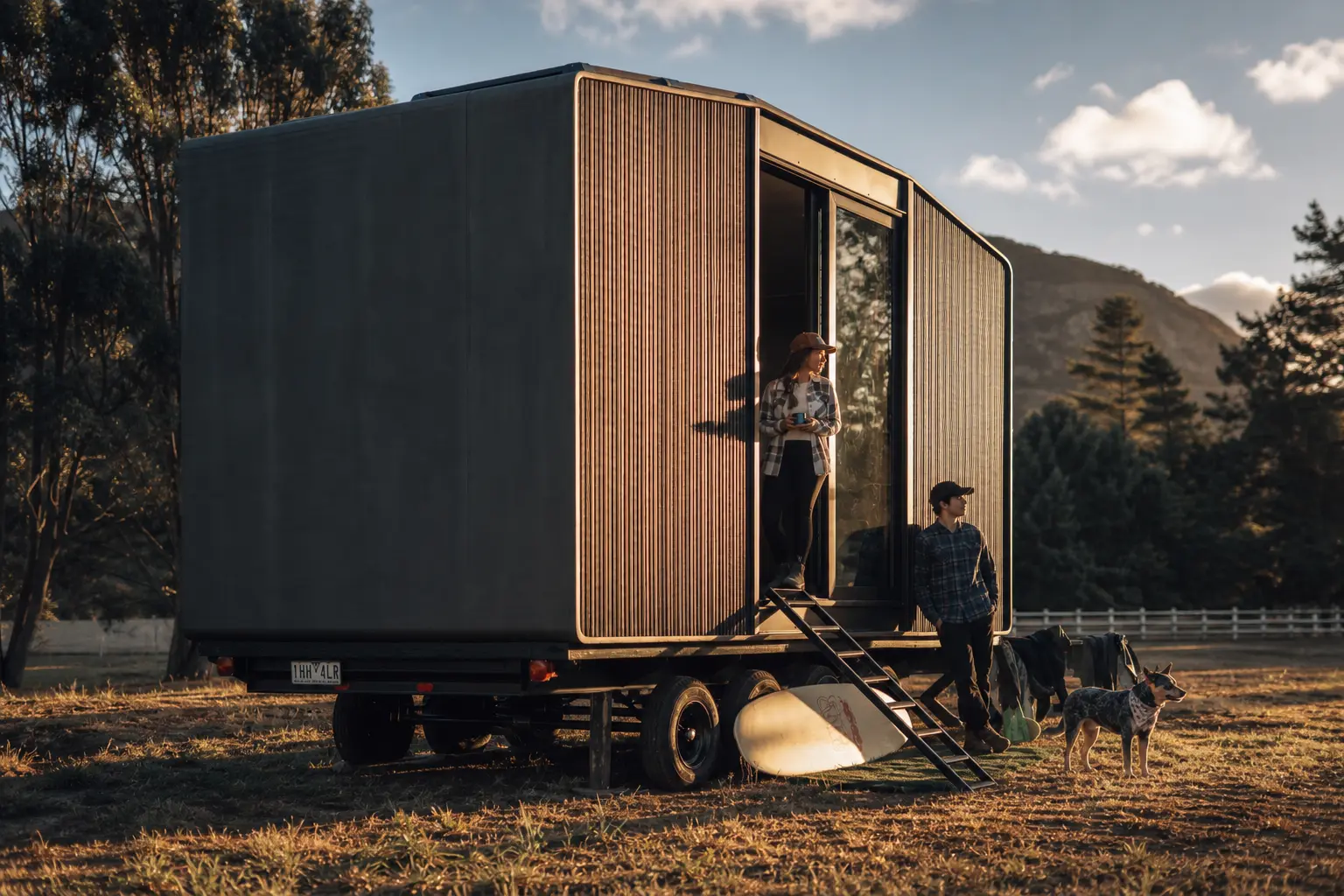
Housing affordability has become one of the biggest challenges facing communities across the United States. Rising home prices, higher construction costs, and limited housing supply have made it harder for many people to find a place they can realistically afford.
During these conversations, two terms appear again and again: affordable housing and attainable housing. While they sound similar, they describe different types of housing, serve different groups of people, and often rely on different funding models.
Understanding the distinction is important for homeowners, developers, municipalities, employers, and nonprofit organizations looking for practical ways to increase housing opportunities. At Azure Printed Homes, we work with many of these groups to create modular studios, ADUs, homes on wheels, and larger residential homes that can support a wide range of housing needs.
Understanding Affordable and Attainable Housing
Housing terms can sound similar, but they shape very different projects. For homeowners, developers, and communities, the difference matters because the right solution depends on who needs the housing, how it will be funded, and what kind of home can realistically fit the site.
Affordable Housing
Affordable housing is generally created for low- to moderate-income households. It often uses public funding, tax credits, rental assistance, or income restrictions to keep housing costs within reach. A common benchmark is that housing should not take more than 30% of a household’s income.
Affordable housing may include:
- Public housing
- Income-restricted apartments
- Voucher-supported rentals
- Affordable homeownership programs
- Modular ADUs or homes used in planned housing projects
For these projects, construction speed and cost predictability matter. That is one reason we manufacture homes, ADUs, and studios in a controlled factory environment. When more of the home is completed before delivery, project teams can plan with fewer surprises and create housing faster than many traditional on-site methods allow.
Attainable Housing
Attainable housing usually serves middle-income households that earn too much for many assistance programs but still struggle with local housing prices. These are often people who work in the community but cannot easily live there.
Attainable housing often supports:
- Teachers
- Nurses
- Firefighters
- Police officers
- Municipal employees
- Skilled tradespeople
- Hospitality and seasonal workers
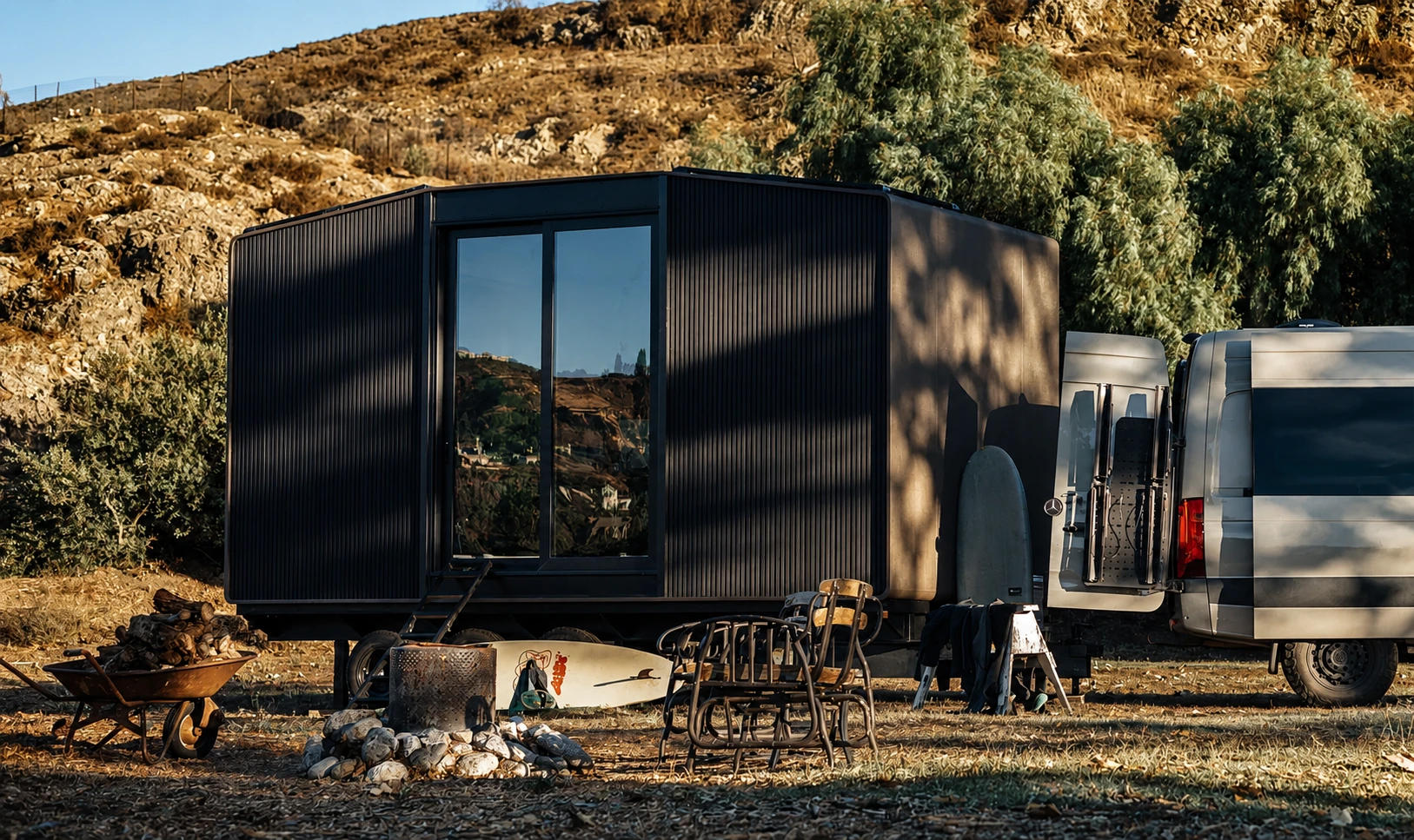
This is where our flexible housing types become important. A backyard ADU can create a long-term rental. A larger modular home can support workforce housing. A home on wheels may help when mobility or temporary placement matters.
Why the Difference Matters
Affordable housing and attainable housing both improve access to housing, but they address different needs. At Azure Printed Homes, we approach every project by first understanding who will live in the home, because that shapes everything from the floor plan to the construction method.
A community that only builds affordable housing may still struggle to house teachers, nurses, first responders, and other middle-income workers who do not qualify for assistance but cannot afford many homes on the market. At the same time, focusing only on attainable housing leaves fewer options for households that need deeper financial support.
Affordable Housing vs Attainable Housing Comparison
Both affordable housing and attainable housing are meant to make housing more accessible, but they are built around different needs. For any project, we first look at who the housing is for, how it will be used, and what kind of home makes sense for the site.
Who the Housing Serves
Affordable housing usually serves low- to moderate-income households that need deeper cost support. Attainable housing is more often designed for moderate-income workers who have steady jobs but still struggle with local housing prices.
This distinction affects the entire project. A compact ADU may work for one housing need, while a larger modular home may be better for long-term workforce housing or permanent residential use.
How the Housing Is Funded
Affordable housing often depends on subsidies, tax credits, vouchers, or income restrictions. Attainable housing does not always rely on the same level of public support. It is often market-rate housing designed to stay within reach for working households.
Because funding models vary, construction predictability becomes important. We manufacture homes in a controlled factory environment, which helps project teams plan timelines, finishes, delivery, and installation with more clarity.
What the Housing Is Meant to Solve
Affordable housing helps reduce housing cost pressure for households with greater financial need. Attainable housing helps fill the gap for people who may not qualify for assistance but cannot comfortably afford many local options.
That is why housing plans often need more than one format. Studios, ADUs, homes on wheels, and larger modular homes can each support different uses, from added backyard housing to permanent residential communities.
Housing Types That Support Affordable and Attainable Housing
Creating more housing is rarely about finding one perfect solution. Different communities have different priorities, available land, and budgets, which means they often need a mix of housing types rather than a single style of development. The flexibility to choose the right format can make it easier to increase housing supply while responding to local demand.
Smaller Residential Units on Existing Properties
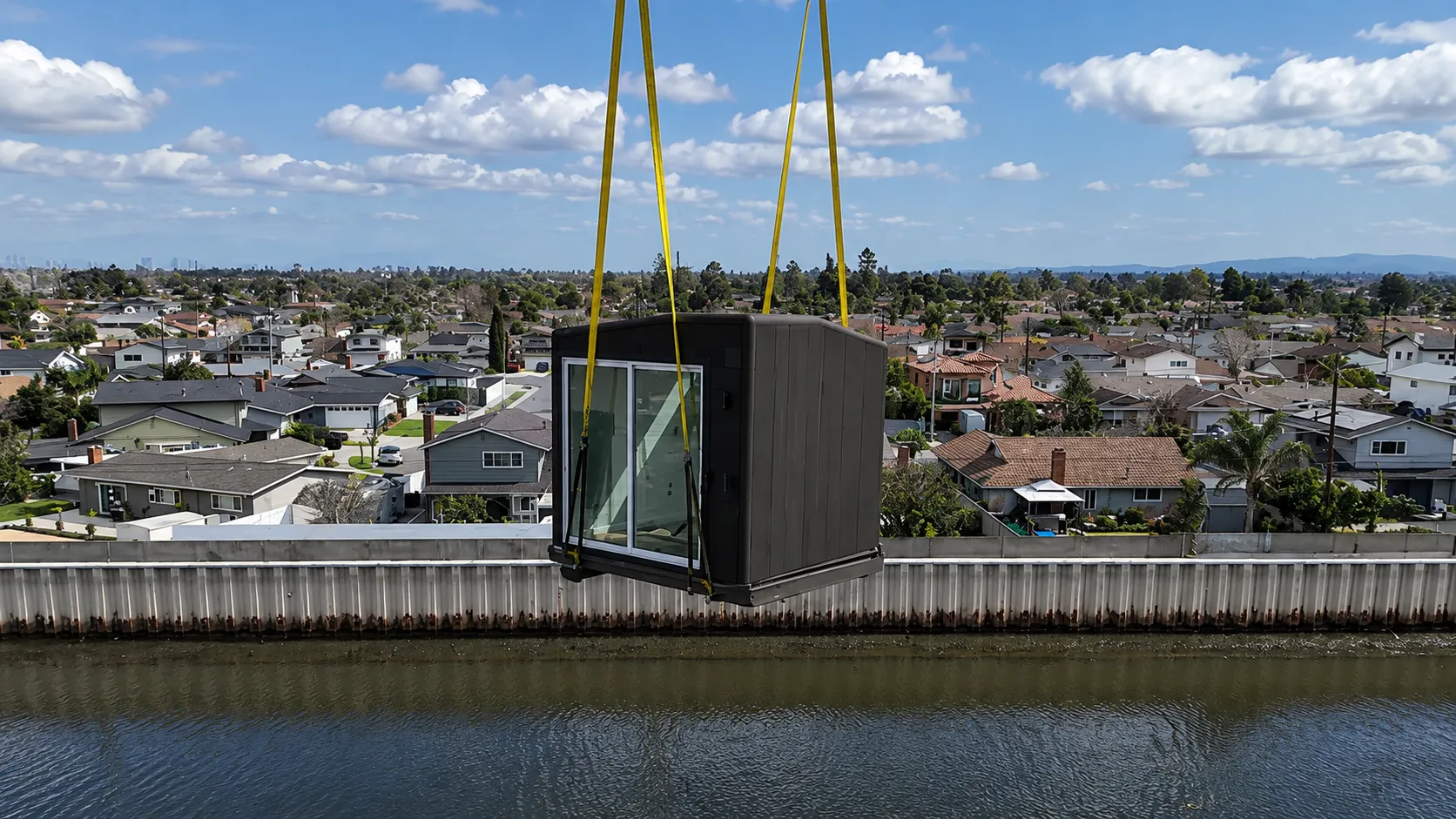
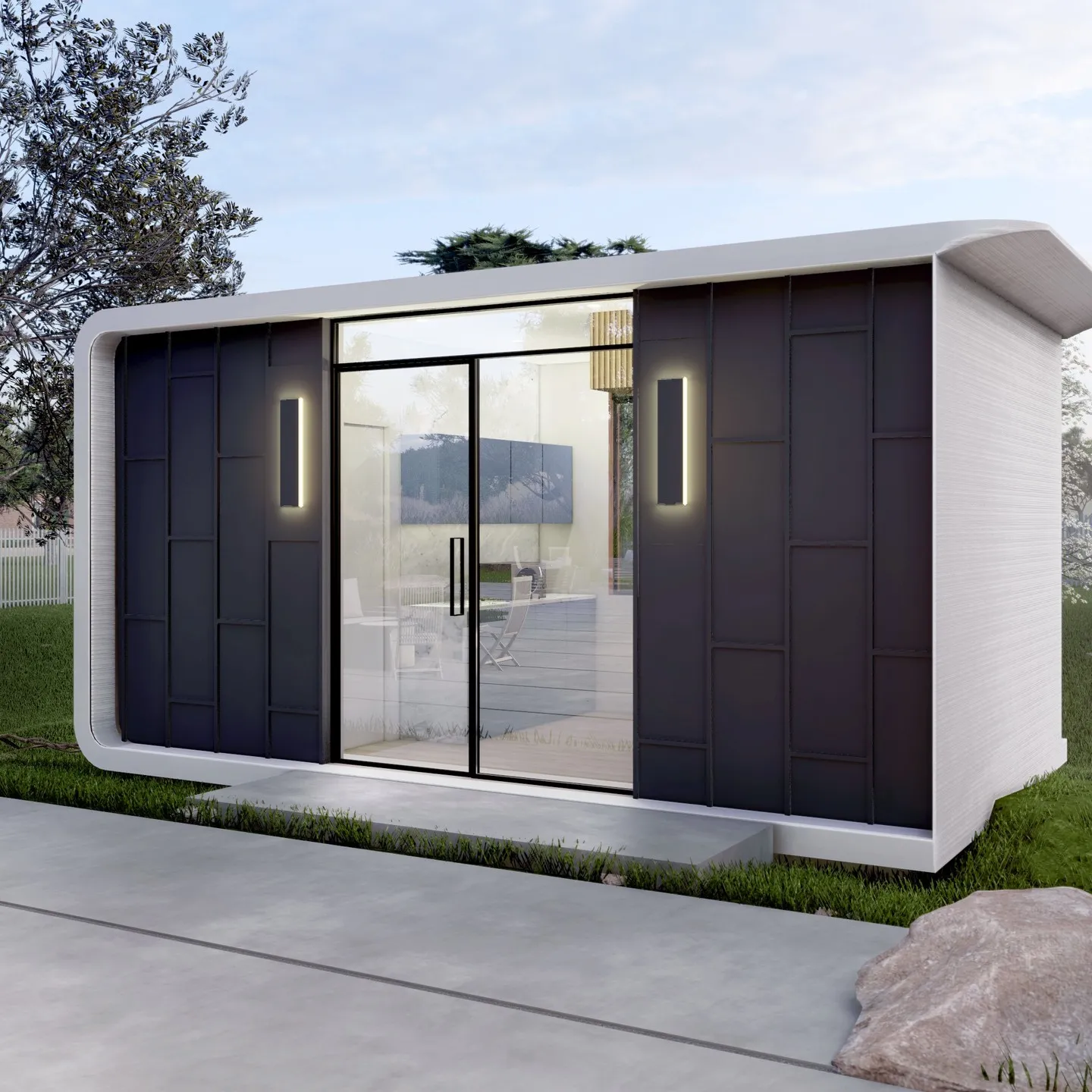
Smaller residential units can add practical housing without turning every project into a full new development. We build these models for homeowners, families, developers, and communities that need flexible space on an existing lot, whether the goal is extra living space, rental housing, guest accommodations, or a compact independent unit.
| Azure option | Typical use | How it supports housing access |
| Backyard studios | Home office, creative studio, guest space, fitness room, extra backyard space | Adds usable space quickly without creating a full residence in every case |
| ADUs | Family housing, long-term rental, guest house, multigenerational living | Creates an independent residential unit on an existing property |
| Homes on wheels | Flexible housing, mobile living, temporary or movable placement where allowed | Offers a self-contained housing option with more placement flexibility |
| Larger modular homes | Primary residence, workforce housing, small residential projects | Supports permanent housing needs when a studio or ADU is not enough |
We manufacture these homes in a controlled factory environment, with electrical, plumbing, mechanical systems, and finishes completed before delivery. That helps make the process more predictable while giving each project room to match the site, the budget, and the people who will use the space.
Missing Middle Housing
Many communities are looking beyond traditional single-family homes and large apartment buildings. Housing formats that fall between those two options can help increase density while fitting naturally into existing neighborhoods.
These developments often include:
- Duplexes
- Triplexes
- Townhomes
- Small multifamily buildings
Projects like these can benefit from modern modular construction, particularly when consistency, scheduling, and production efficiency are priorities. Because we manufacture homes in a controlled factory environment before delivering them to the site, developers have another option for expanding housing without relying entirely on conventional on-site construction.
Larger Residential Communities
Some housing needs extend beyond individual homes and require larger residential developments that accommodate a broader range of residents. These projects often combine different housing formats to serve households with varying income levels. A community may include workforce housing, mixed-income neighborhoods, affordable housing developments, market-rate housing, and single-family modular homes.
No single housing type can meet every need. That is why we design everything from compact studios and homes on wheels to larger modular homes. This range allows projects to respond to different site conditions, budgets, and community goals while giving developers and municipalities more flexibility when planning long-term housing solutions.
Choosing the Right Housing Solution
The right housing approach depends on the goals of the project rather than the terminology.
Before selecting a housing strategy, it helps to evaluate:
- The income levels the project is intended to serve
- Available land and site conditions
- Local zoning and permitting requirements
- Budget and financing
- Long-term community goals
- Desired project timeline
Some developments benefit from income-restricted affordable housing. Others may be better served by attainable workforce housing, ADUs, or modular neighborhoods that increase the overall housing supply.
From our experience, successful projects start by matching the housing solution to the needs of the community instead of trying to fit every project into the same model. That is why we build everything from compact studios and ADUs to larger modular homes that can support permanent residences, workforce housing, and residential developments.
Common Misconceptions
Affordable and attainable housing are often discussed in the same conversation, so it is easy for the terms to blur together. But the details matter. Income levels, funding, rent structure, and project goals can all change depending on which type of housing a community is planning.
Myth 1: Affordable Housing and Attainable Housing Mean the Same Thing
Although the terms are sometimes used interchangeably, they serve different income groups. Affordable housing typically focuses on lower-income households, while attainable housing is intended for middle-income residents who may not qualify for assistance but still face housing affordability challenges.
Myth 2: Attainable Housing Is Only for Renters
Not necessarily. Attainable housing can include rental communities, condominiums, townhomes, and homes available for purchase, depending on local housing needs and development goals.
Myth 3: Only Apartment Buildings Can Help Improve Housing Affordability
Communities often benefit from a wider mix of housing types. ADUs, modular homes, backyard studios, duplexes, townhomes, and other “missing middle” housing can all help expand housing availability while fitting into existing neighborhoods.
The Future of Affordable and Attainable Housing
Housing needs continue to evolve, and communities are looking for new ways to increase supply without sacrificing quality or long-term value. While affordable and attainable housing will continue to serve different income groups, both are increasingly shaped by the same trends: faster construction, better use of available land, and greater flexibility in how homes are designed and built.
Smarter Construction Methods
Traditional construction remains an important part of the housing industry, but many projects are exploring additional building methods that can help address growing demand. Factory-built modular construction is one example, allowing much of the home to be completed before it reaches the site.
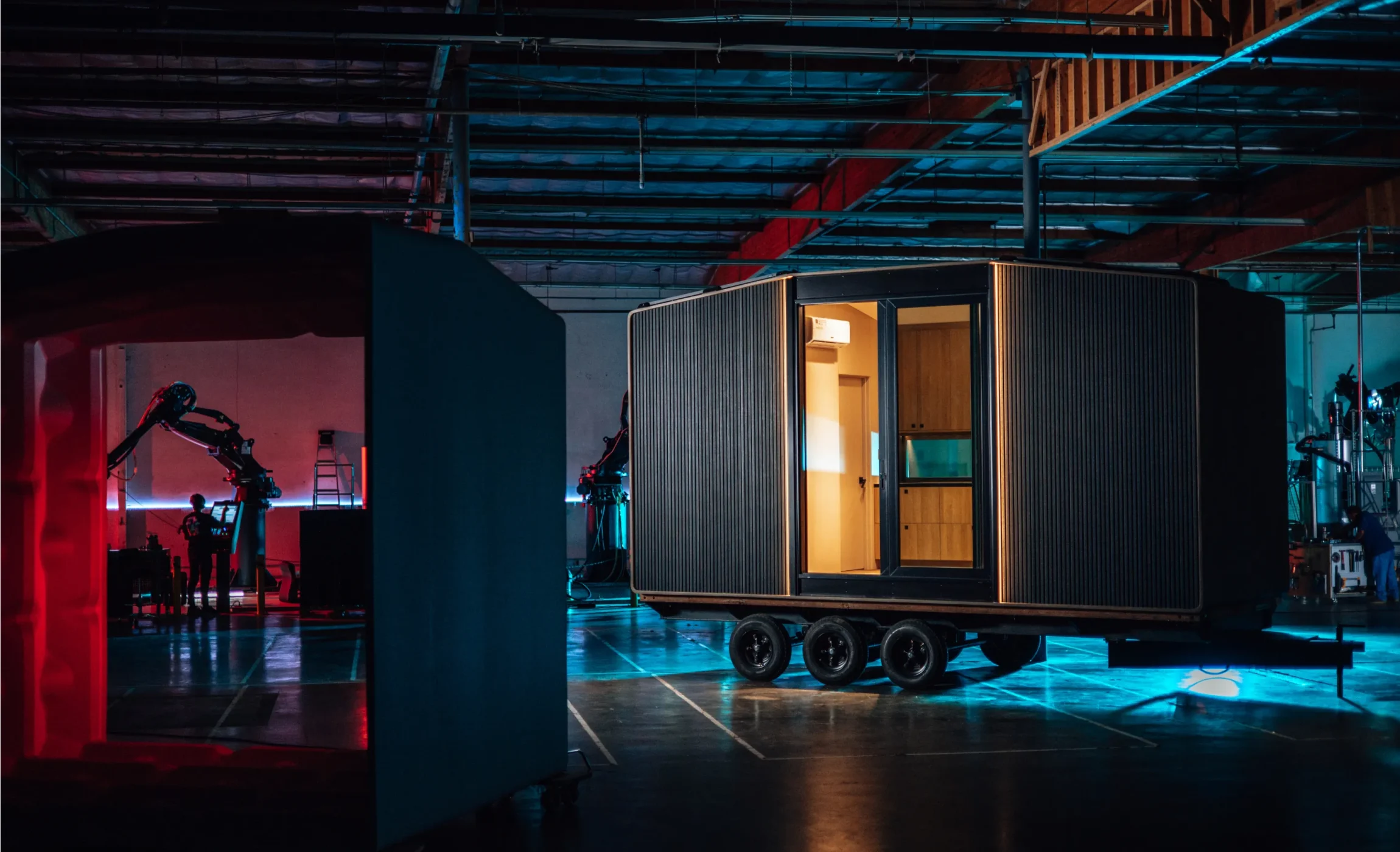
At Azure Printed Homes, we combine robotic manufacturing with modular construction to produce studios, ADUs, homes on wheels, and larger residential homes. Building in a controlled factory environment helps improve production consistency while reducing many of the delays that can affect on-site construction.
Making Better Use of Available Land
As developable land becomes more limited in many areas, communities are finding new ways to add housing within existing neighborhoods. Rather than relying only on large residential developments, many projects now include a broader mix of housing formats.
Examples include:
- ADUs on existing residential lots
- Backyard studios that expand living space
- Mixed-income residential communities
- Workforce housing developments
- Larger modular homes for permanent residences
Using a combination of housing types allows communities to respond to changing demand while making more efficient use of existing infrastructure.
Greater Design Flexibility
Modern housing is no longer limited to standardized floor plans. Buyers, developers, and municipalities often need homes that fit specific properties, budgets, and long-term goals.
That flexibility is an important part of our approach. We offer compact studios, ADUs, homes on wheels, and larger modular homes that can be configured for different residential uses, giving projects more options than a one-size-fits-all solution.
As housing demand continues to grow, expanding the range of available home types will remain an important part of improving housing accessibility. Affordable housing, attainable housing, and modular construction are likely to work alongside one another, helping communities create housing that serves a wider range of residents.
Final Thoughts
Affordable housing and attainable housing both play essential roles in addressing today’s housing challenges, but they are designed to serve different groups of people. Understanding those differences helps communities, developers, and property owners make better decisions about the types of housing they need to build.
As housing demand continues to grow, expanding the range of available housing options becomes just as important as improving affordability. At Azure Printed Homes, we combine robotic manufacturing, modular construction, and sustainable materials to build studios, ADUs, homes on wheels, and larger residential homes that help communities create flexible housing solutions for today’s needs and tomorrow’s growth.