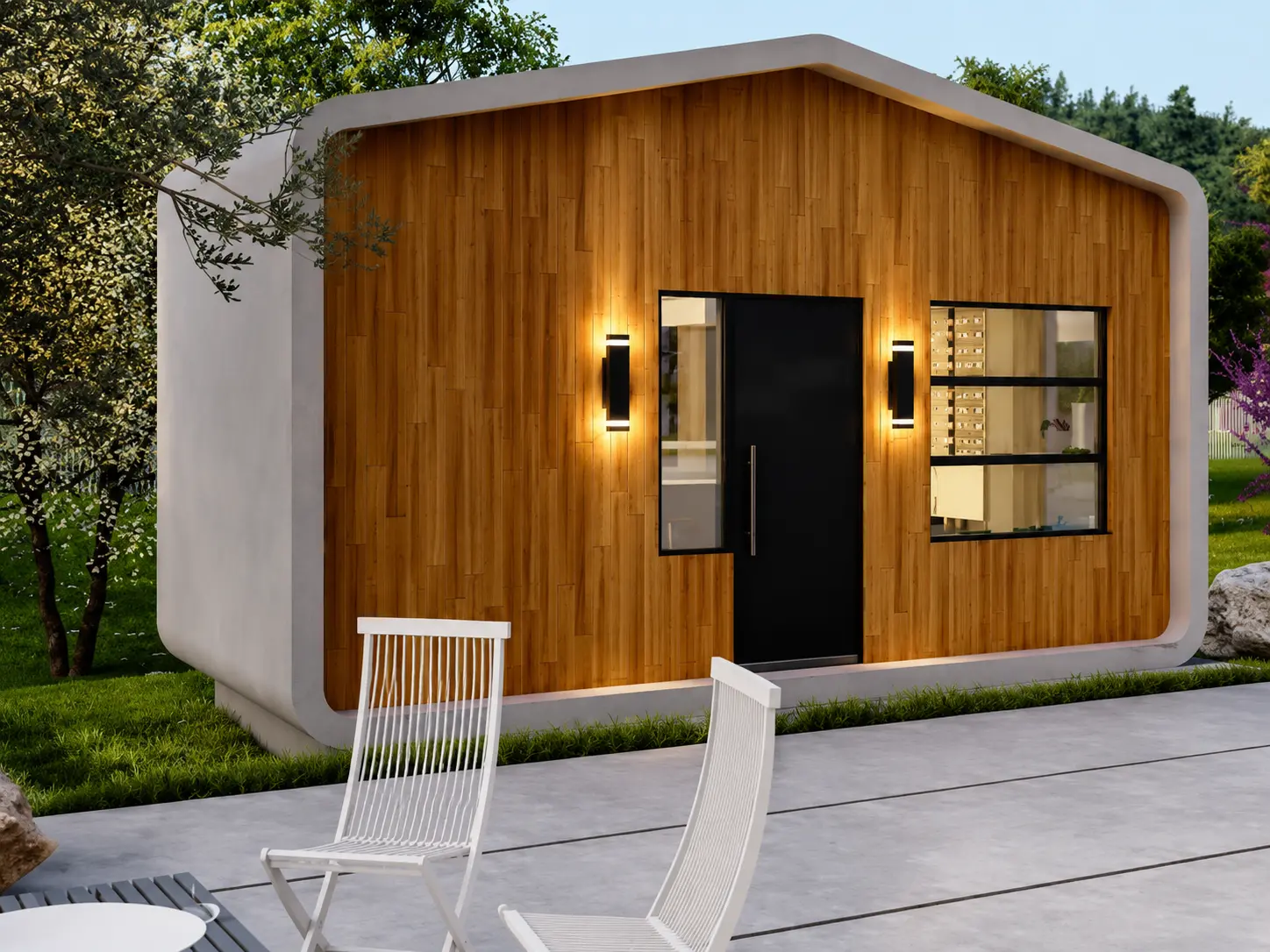
Emergency housing in Maine can mean different things depending on the situation. A person may need a shelter bed tonight. A family may need help avoiding eviction. A town may need temporary housing after a storm, fire, or displacement event. In other cases, communities need longer-term housing that can be built faster than traditional construction usually allows.
At Azure Printed Homes, we look at emergency housing through both lenses: immediate shelter and the next step after that. Emergency housing starts with safety, but it should also move people toward stability. That is where modern modular construction can become part of the conversation.
Maine has cold winters, rural communities, seasonal housing pressure, and ongoing affordability challenges. Traditional housing systems can help, but they are often stretched. Printed modular housing offers another path: faster production, controlled fabrication, efficient layouts, and flexible units that can support different emergency housing needs.
Where to Look for Emergency Housing Help in Maine
Emergency housing in Maine can take several forms, and the best place to start depends on the situation. Location, urgency, household size, eligibility, and local availability all shape what kind of help may be possible.
Emergency Shelters
Shelters are often the first option when someone needs a safe place right away. They may provide a bed, a warm indoor space, basic support, and referrals to other housing services. In Maine, where cold weather can make housing instability especially serious, shelter access can be urgent.
Availability can change from day to day. Some shelters serve adults, while others serve families, youth, or people leaving unsafe situations. Calling ahead or checking through 211 Maine can help someone avoid wasting time traveling to a place that may already be full.
211 Maine Housing Resources
211 Maine can help when a person does not know which program to contact first. Instead of calling several offices at random, a person can explain their situation and be directed toward local resources.
211 may connect people with help for:
- Emergency shelter
- Rental assistance
- Heating and utility support
- Food and basic needs
- Local housing programs
- Crisis-related referrals
This can be especially useful in rural areas, where services may be harder to find online or may be spread across several towns.
General Assistance
General Assistance in Maine is handled through local municipalities. It may help with basic needs, including temporary housing, rent, utilities, fuel, food, or other essentials. The process usually starts with the town or city office where the person lives or is currently staying.
This option is worth asking about early. Someone who is behind on rent, has a utility shutoff notice, or needs temporary lodging may have more options before the situation reaches a breaking point.
Emergency Rental Help and Crisis Support
Some people do not need a shelter yet. They need help staying where they already live. In those cases, emergency rental support, utility help, mediation, legal referrals, or short-term crisis assistance may help prevent homelessness.
These resources depend on funding and local availability, so they are not always guaranteed. Still, asking early usually gives a household more room to work with.
Transitional and Supportive Housing
A shelter can help for the night, but many people need a longer bridge back to stable housing. Transitional and supportive housing programs may offer more time, case support, and help with next steps.
These programs can be especially important for families, veterans, older adults, people leaving homelessness, and individuals who need ongoing support. The goal is not just to provide a roof for a few nights, but to help someone move toward a safer, more stable living situation.
Modular Emergency Housing
Modular construction is a different kind of solution. It does not replace shelters, rental assistance, or public programs, but it can help with one of the biggest problems behind the crisis: there are not enough available housing units.
Printed modular housing can help communities add real, usable space faster. These units can support temporary housing villages, disaster response, transitional housing, workforce housing, and small independent living spaces.
At Azure Printed Homes, we build modular living spaces using robotic printing and recycled materials. For emergency housing projects, that means communities can think beyond short-term placement and start planning housing capacity that is faster to produce, practical to use, and easier to adapt to different needs.
Why Modular Construction Matters for Maine
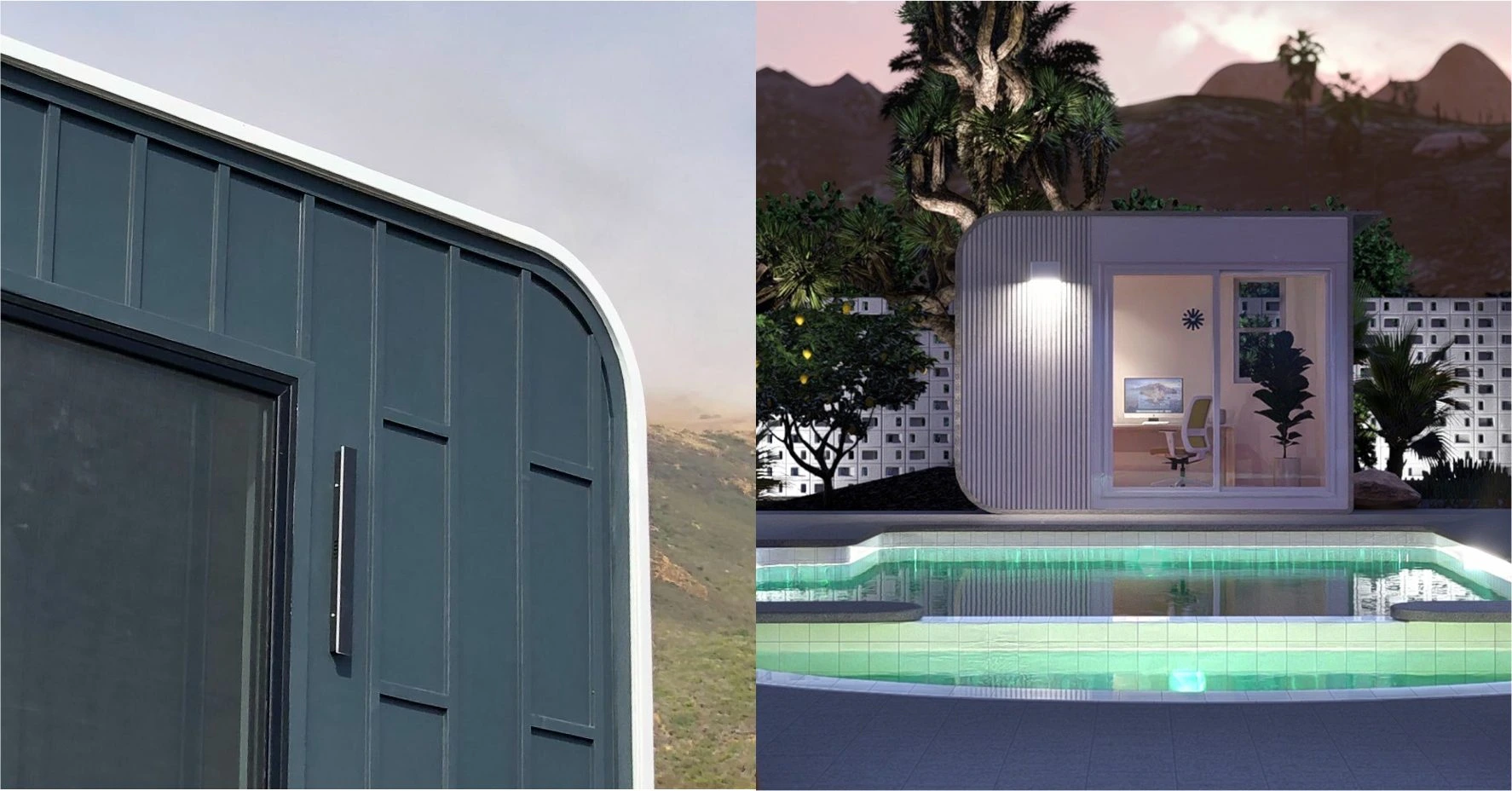
Maine’s housing needs are shaped by geography, climate, land availability, and cost. Some communities are spread out. Some areas have seasonal demand. Some towns may not have enough rental housing, and winter conditions can make unsafe housing situations more urgent.
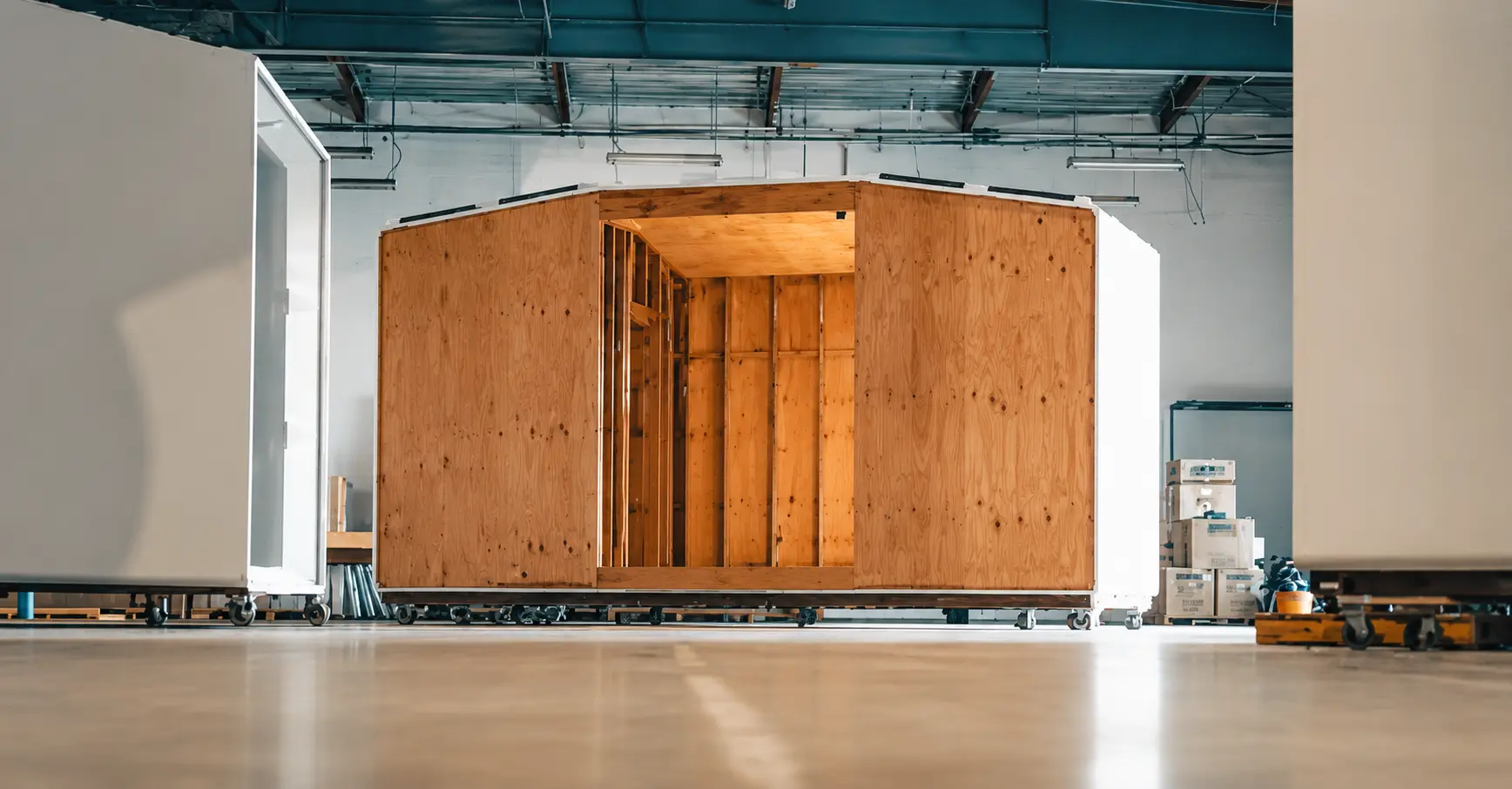
Modular construction can help because much of the work happens in a controlled environment before the unit reaches the site. This can reduce weather delays and make timelines easier to plan.
Faster Housing Production
In emergency housing, time matters. Traditional construction can take months or longer, especially when design, labor, weather, inspections, and material schedules all overlap.
Our units are designed around a more predictable process. A unit can be robotically printed in about one day, with finishes, delivery, and installation handled afterward. That does not mean every project is complete in one day, but it does mean the core structure can move through production much faster than many traditional builds.
Flexible Unit Types
Emergency housing does not always require the same kind of space. A single adult may need a compact private sleeping unit. A family may need a larger ADU-style space. A community may need units that can be placed temporarily and moved later.
That is why having several model types matters. Compact studios can support basic shelter or private space. Larger ADUs can support more independent living. Homes on wheels can offer flexibility when permanent placement is not the immediate goal.
Lower On-Site Disruption
On-site construction can be difficult during bad weather or in areas with limited labor availability. Modular construction shifts more work away from the site and into a controlled production process.
For communities, that can make planning easier. Site preparation still matters, but the build itself does not rely entirely on crews working outside from start to finish.
Sustainable Materials
Emergency housing should solve a real need without creating unnecessary waste. Azure prints with recycled materials and designs modular units with efficiency in mind.
Our brand’s larger mission is not just to build faster. It is to build in a way that makes better use of resources and supports a more practical housing future.
Common Printed Homes Modular Options
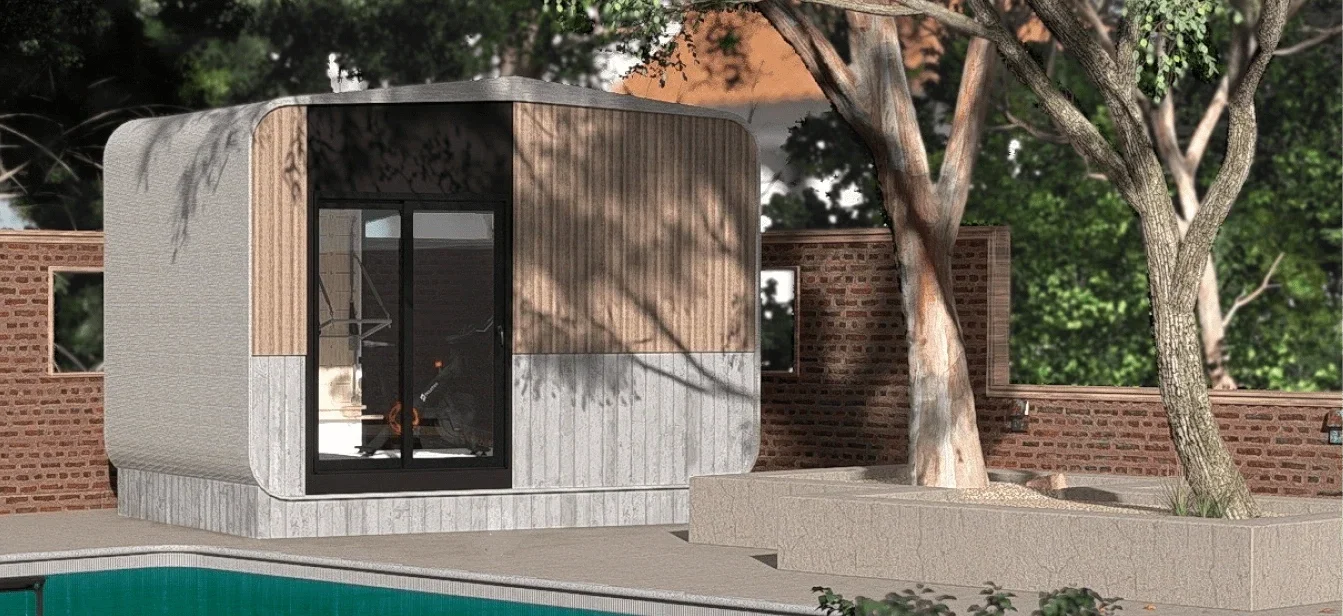
We at Azure offer several model types for different housing needs. Compact units can work well for private rooms, support spaces, emergency housing, backyard studios, or simple shelter needs. Larger ADU-style models are better suited for independent living, family use, guest housing, or longer-term residential projects.
Compact Studios and Support Units
The A/D/C-100, A/D/C-120, and N100 models are smaller modular units designed for efficient use of space. These can be useful when a project needs private rooms, flexible support units, or smaller housing spaces that are easier to place.
ADU-Style Modular Homes
The A-180, A-360, A-540, A-720, and A-900 models offer more living space. These models can support a wider range of uses, including independent housing, transitional housing, guest units, workforce housing, or long-term residential needs.
Homes on Wheels
The X180, X270, and X360 models are built for more flexible placement. These units can be useful when mobility, temporary use, or adaptable site planning is important.
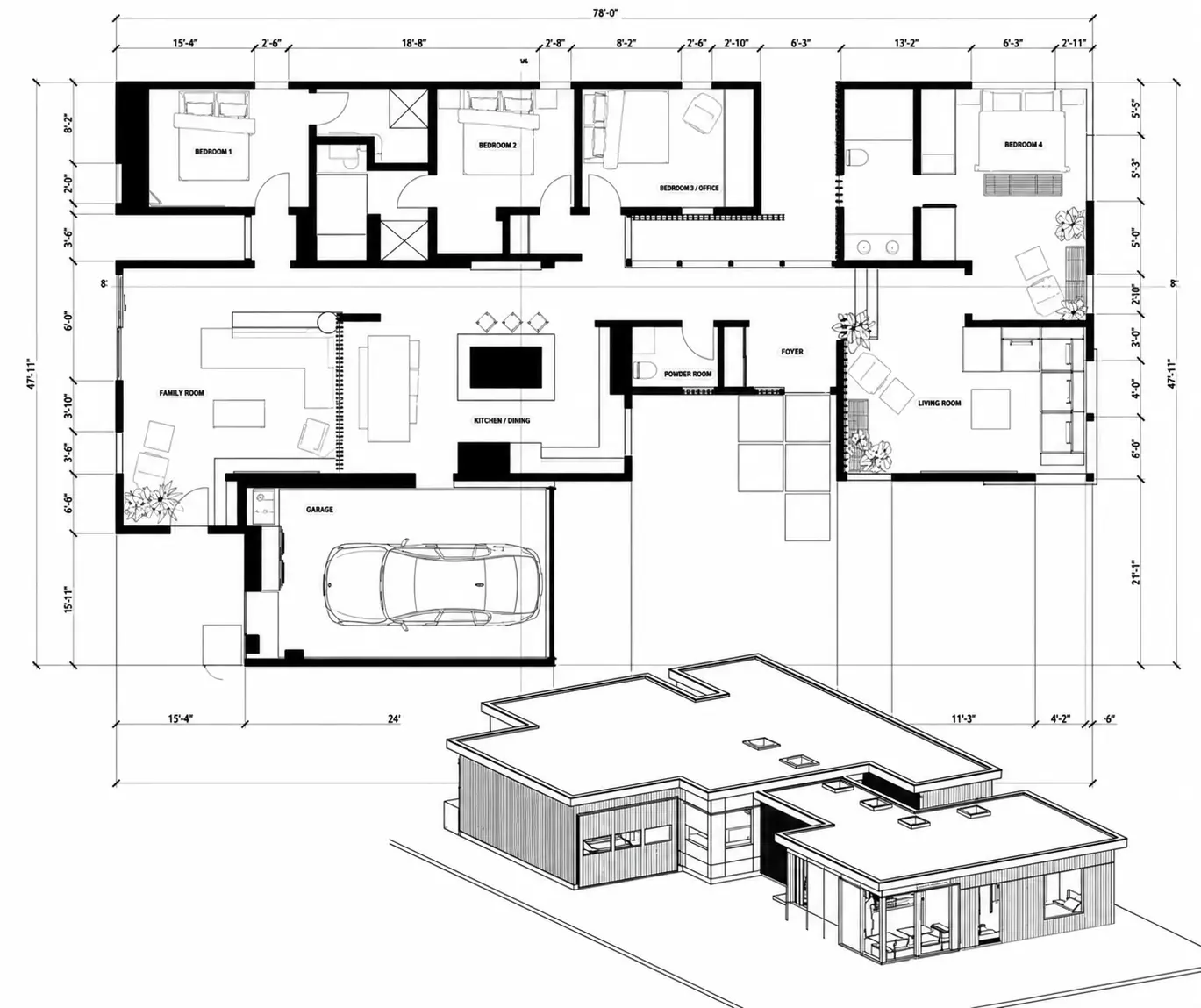
Modular Home Pricing by Model and Size
Pricing depends on the model, square footage, layout, finishes, delivery, installation, site work, utilities, and local requirements. The table below gives a clear starting point for comparing options by size and use.
| Model | Type | Approx. Size | Azure Starting Price |
| A/D/C-100 | Compact studio or support unit | 100 sq ft | $24,900 |
| A/D/C-120 | Compact studio or support unit | 120 sq ft | $29,900 |
| N100 | Compact modular unit | 100 sq ft | $24,900 |
| A-180 | Small ADU-style unit | 180 sq ft | $49,900 |
| A-360 | Larger ADU-style unit | 360 sq ft | $89,900 |
| A-540 | Medium ADU-style unit | 540 sq ft | $134,900 |
| A-720 | Larger residential unit | 720 sq ft | $174,900 |
| A-900 | Full-size modular living unit | 900 sq ft | $219,900 |
| X180 | Home on wheels | 180 sq ft | $69,900 |
| X270 | Home on wheels | 270 sq ft | $84,900 |
| X360 | Home on wheels | 360 sq ft | $109,900 |
These prices are starting points. Final project costs can depend on configuration, delivery, installation, utilities, site work, permitting, finishes, and local requirements.
Modular Emergency Housing Timeline
The full timeline depends on the model, project size, permitting, site readiness, delivery distance, utilities, and local requirements.
A simple small-unit project may move faster than a larger multi-unit development. A site that already has utility access and clear placement plans may also be easier to complete than a site that needs grading, trenching, foundation work, or new infrastructure.
Azure’s general process includes:
- Configuration: Often less than a day
- Robotic printing: About one day for the printed structure
- Finishes: Often several days, depending on the model
- Delivery: Often one to two days
- Installation: Often several days, depending on site conditions
For emergency housing providers and municipalities, the key advantage is predictability. The more prepared the site is, the smoother the process can be.
Planning a Modular Housing Project the Right Way
A modular housing project is easier to manage when the main decisions are made early. Before choosing a model or estimating the timeline, it helps to understand how the space will be used, where it will go, and what the site needs before delivery.
1. Choose the Purpose First
Before choosing a unit, it helps to define the use clearly. Is the space for emergency sleeping only? Transitional housing? Staff housing? Family housing? Temporary placement after a disaster? The answer affects size, layout, utilities, privacy needs, and site planning.
2. Review the Site
A modular unit still needs a suitable place to go. The site should be reviewed for access, slope, drainage, utilities, road clearance, and local code requirements. In Maine, climate matters too. Snow load, insulation, heating, and year-round comfort should be part of the planning conversation.
3. Plan Utilities Early
Emergency housing still needs practical systems. Depending on the project, this may include electricity, water, sewer or septic, heating and cooling, internet access, and lighting. Planning these details early can prevent delays later.
4. Understand Local Rules
Permits and approvals vary by location. Some smaller units may be easier to place than larger residential units, but every project should be checked against local rules. For government, nonprofit, and development projects, early conversations with local officials can make the process more efficient.
5. Budget Beyond the Unit Price
The model price is only one part of the full project cost. A realistic budget may also include:
- Delivery
- Installation
- Site preparation
- Utility connections
- Foundation or pad work
- Permits and inspections
- Interior upgrades
- Exterior stairs, ramps, or decking
- Ongoing maintenance
A good budget should leave room for real site conditions, not just the unit itself.
Modular Emergency Housing: Pros and Cons
Modular construction can be a strong option when a community needs more housing capacity, but it still needs planning. It works best when the project has a clear purpose, a suitable site, and realistic expectations around utilities, permitting, delivery, and installation.
| Pros | Cons |
| Faster production can help communities respond sooner when housing is urgently needed. | Site work, permits, and utility connections can still affect the full timeline. |
| Units can be used for different needs, including emergency shelter, transitional housing, workforce housing, or independent living. | Not every site is ready for modular placement without grading, access work, or infrastructure upgrades. |
| A controlled building process can reduce some weather-related delays. | Local rules may vary, especially for residential use, temporary placement, or larger multi-unit projects. |
| Compact units can add private, usable space without always requiring large buildings. | Smaller units may not fit every household or long-term housing need. |
| Printed modular construction can use recycled materials and reduce waste. | Delivery and installation costs should be included in the budget from the beginning. |
| Projects can be easier to scale when multiple units are planned together. | Community acceptance, zoning, and site approval may require extra outreach and coordination. |
For Maine communities, modular construction is not a replacement for shelters, rental support, or public assistance. It is another tool. When there are simply not enough physical units available, printed modular housing can help add capacity faster and create spaces that are practical, flexible, and easier to plan.
At Azure Printed Homes, we build modular living spaces with robotic printing, recycled materials, and real-world use in mind. For emergency housing providers, municipalities, developers, and property owners, that can mean a faster path from housing to usable space.
Final Thoughts
Getting emergency housing in Maine usually starts with local help: 211 Maine, emergency shelters, General Assistance, rental support, or community housing programs. Those resources are important when someone needs help right away.
But emergency housing also needs a bigger solution. Maine communities need more flexible housing options that can be built faster and placed where they are needed. Printed modular construction gives cities, towns, nonprofits, developers, and property owners a practical way to think beyond short-term shelter and toward long-term housing stability.