Las Vegas offers a range of housing resources that can help in different situations. Emergency shelters, rental assistance programs, transitional housing, and supportive housing all play an important role. At the same time, communities across Nevada continue searching for new ways to increase housing availability and respond more quickly when demand exceeds supply.
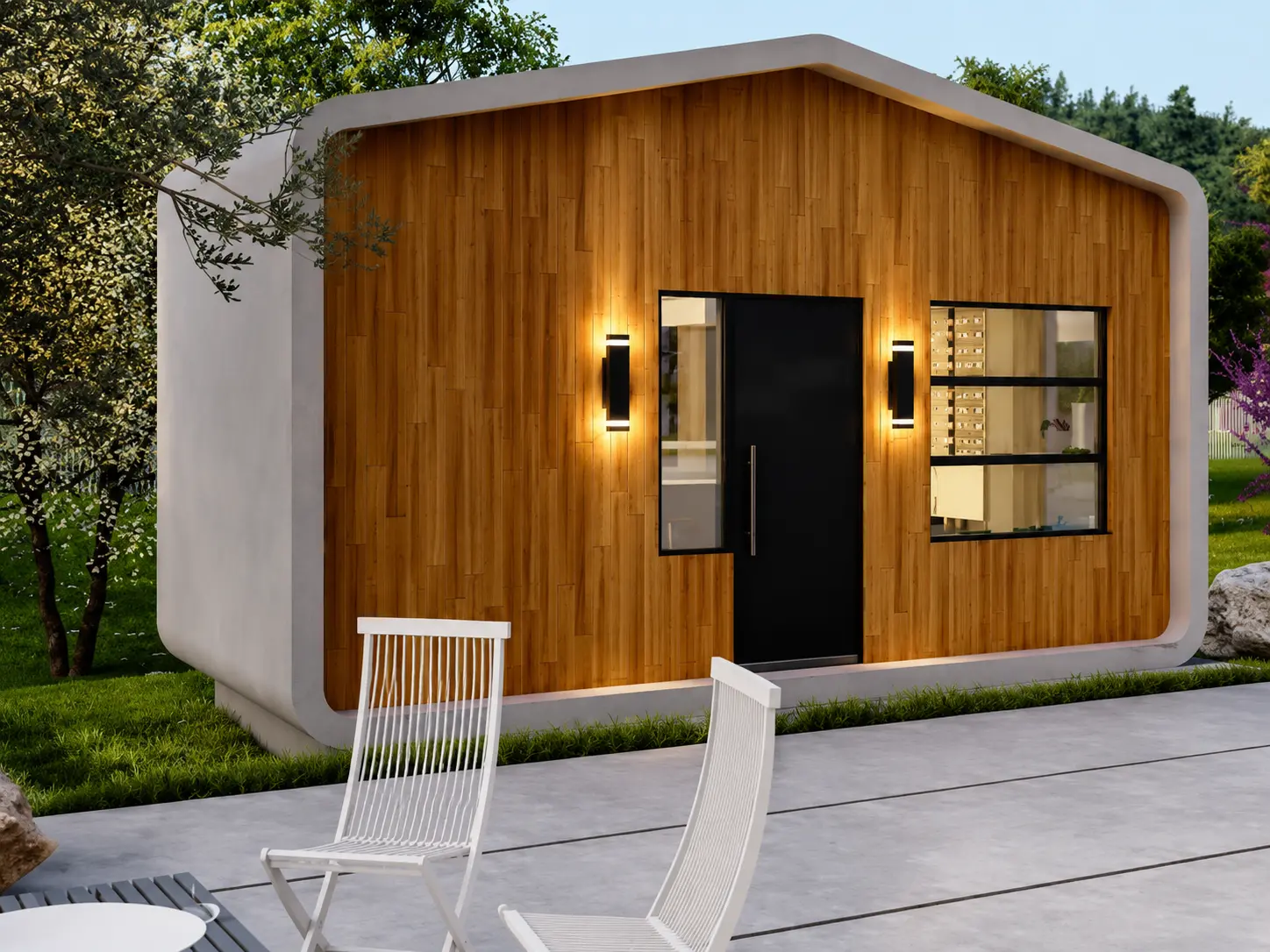
One approach receiving growing attention is modular construction. Alongside traditional housing programs, modular homes and shelter units can help create additional housing capacity in a faster and more scalable way. At Azure Printed Homes, we design and build modular living spaces using robotic 3D printing and recycled materials, helping organizations explore new options for emergency, transitional, and long-term housing projects.
Housing and Shelter Options Available in Las Vegas
There is no single emergency housing solution that works for everyone. The best option depends on individual circumstances, family size, income, available resources, and how quickly housing is needed. Understanding how these options differ can make it easier to identify the right next step.
Emergency Shelters
Emergency shelters are often the first resource people turn to when they have nowhere else to stay. These facilities are designed to provide immediate safety and basic support while individuals work toward a more stable housing situation.
Depending on the provider, services may include:
- Overnight accommodations
- Meals and hygiene facilities
- Case management support
- Employment and benefit referrals
- Connections to longer-term housing programs
Some shelters focus on single adults, while others are designed for families, seniors, veterans, or people with specific support needs.
Housing Navigation and Community Support Services
Emergency housing is not always about finding a bed for the night. Many people need help understanding what programs they qualify for and how to access them.
Housing navigation services help connect residents with resources such as:
- Shelter placement
- Rental assistance
- Health and behavioral health services
- Employment programs
- Housing applications
- Benefit enrollment support
For people experiencing a housing crisis, these services often serve as the starting point for finding longer-term stability.
Transitional Housing Programs
Transitional housing provides a more structured environment for individuals and families who need time to rebuild financial stability before moving into permanent housing.
These programs often combine housing with supportive services such as employment assistance, education programs, financial planning, and case management.
For many residents, transitional housing serves as an important bridge between emergency shelter and independent living.
Rental Assistance and Eviction Prevention
A housing emergency often begins long before someone loses their home. Missed rent payments, unexpected expenses, medical bills, or job loss can quickly place a household at risk.
Many housing assistance programs focus on keeping people housed whenever possible. Support may include:
- Emergency rental assistance
- Utility assistance
- Mediation services
- Landlord-tenant dispute resolution
- Referrals to legal aid
- Housing stabilization programs
Seeking help early can significantly improve the number of available options.
Permanent Supportive Housing
Some people need more than temporary assistance. Permanent supportive housing combines long-term housing with ongoing support services designed to help residents maintain housing stability.
Programs may assist individuals who are living with disabilities, chronic health conditions, or other challenges that make independent housing difficult without additional support.
The focus is not simply on providing a place to live. It is about creating a foundation for long-term housing success.
Modular Housing Solutions
Traditional housing development remains important, but it is often a lengthy process. Land acquisition, permitting, labor availability, material costs, and construction timelines can all create delays.
Modular housing offers another path forward.
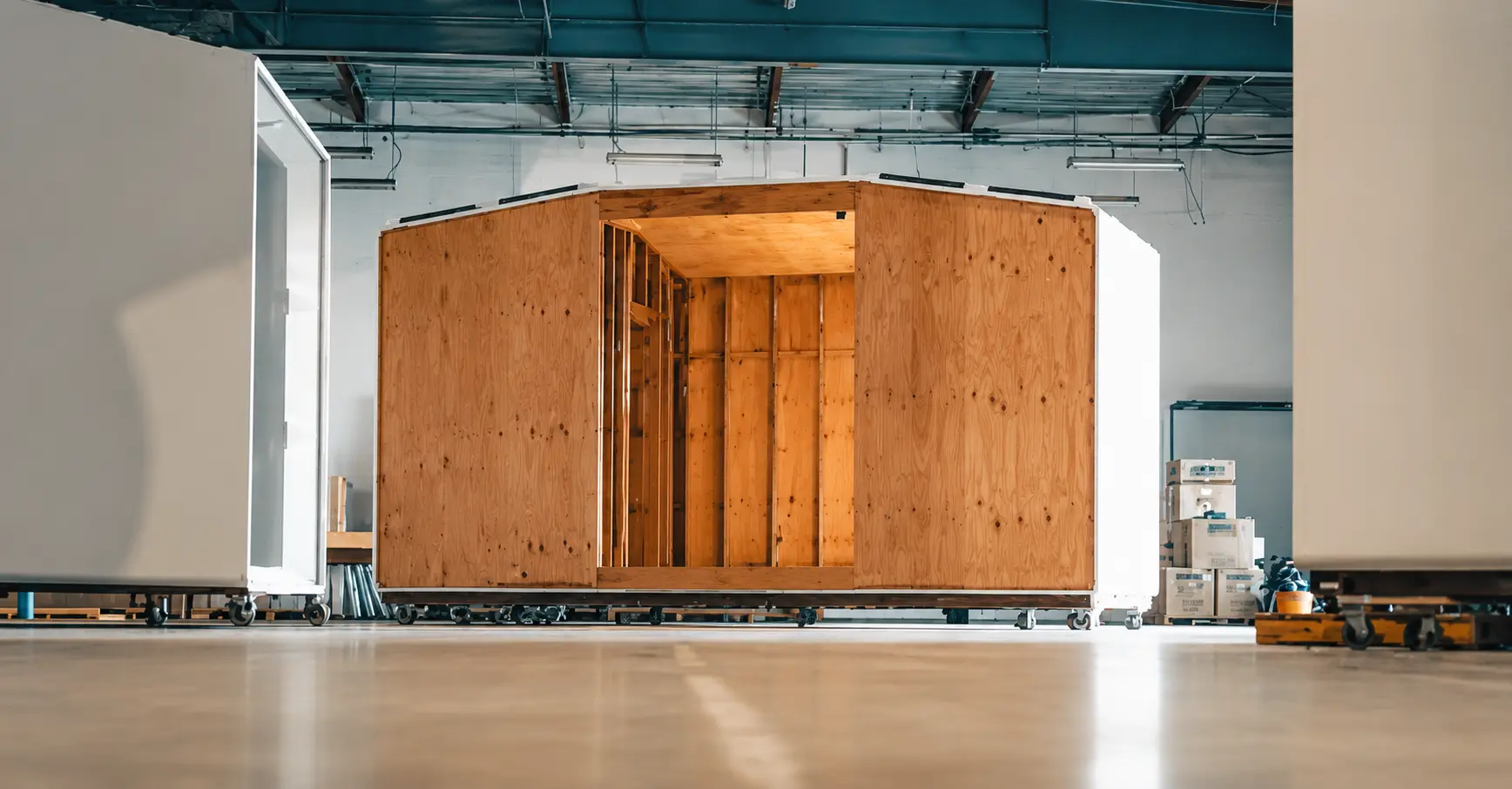
Instead of building entirely on-site, housing units can be fabricated in a controlled production environment and then delivered for installation. This approach can help communities expand housing capacity more efficiently while maintaining quality and consistency.
In a city like Las Vegas, where housing demand continues to grow, modular construction can support a wide range of projects, including:
- Emergency shelter communities
- Transitional housing villages
- Workforce housing developments
- Small-footprint housing projects
- Accessory dwelling unit communities
- Long-term affordable housing initiatives
At Azure Printed Homes, we use robotic 3D printing to create modular living spaces with recycled materials. The process is built around speed, precision, customization, and sustainability. For emergency housing providers and government partners, that can mean a more flexible way to plan shelter and housing capacity.
Benefits of Modular Emergency Housing
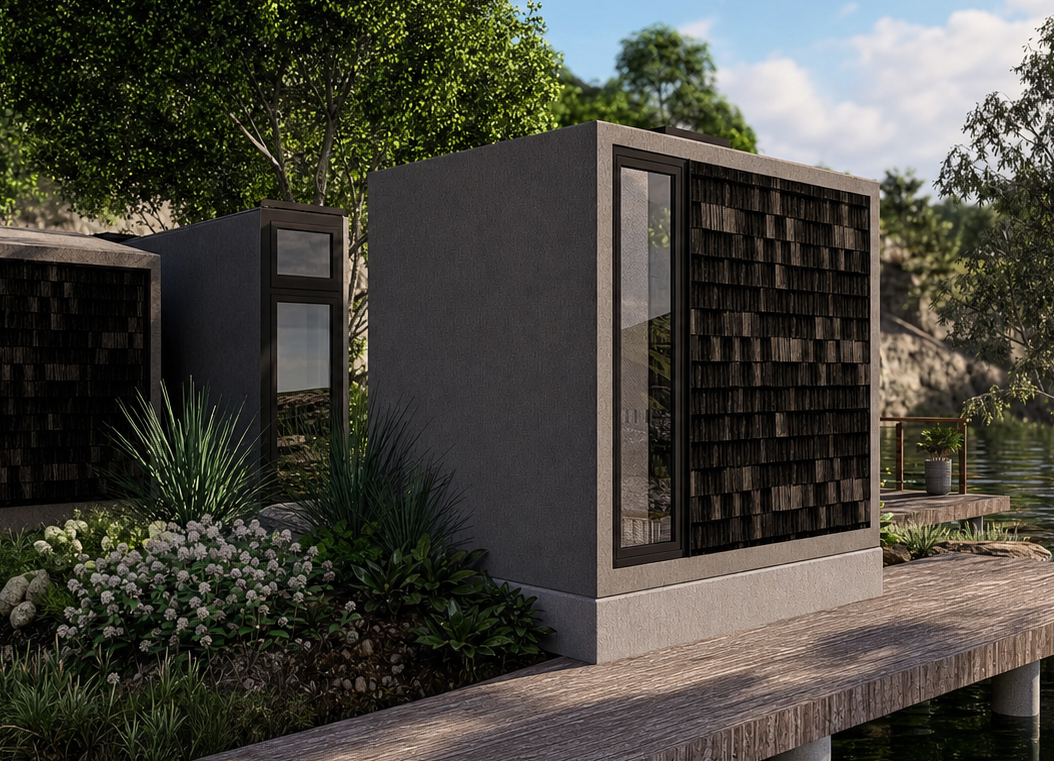
Printed modular construction offers several advantages for emergency housing and long-term housing projects. It can help communities respond faster while still thinking about durability, comfort, and future use.
Speed
When housing is urgent, time matters. Modular construction can reduce the amount of work that happens on-site and make production more predictable. A faster building process also helps agencies, developers, and property owners plan next steps with more confidence.
Flexibility
A small unit may work well for short-term shelter or individual housing, while a larger ADU-style model may be better for families or longer-term living. This flexibility allows a project to be shaped around real needs instead of forcing every resident into the same type of space.
Sustainability
Using recycled materials helps reduce dependence on traditional building materials and supports a more responsible construction process. At Azure Printed Homes, we use recycled materials to create future-focused modular living spaces. The goal is to build in a way that is practical today and more responsible for tomorrow.
Predictability
A controlled production process can make it easier to plan costs, schedules, finishes, and repeatable housing designs. This is important for emergency housing because projects often need clear timelines and budgets before they can move forward. Once a model and layout are selected, the process can be repeated more efficiently across a larger housing site.
Long-Term Value
Durable modular units can support immediate needs while also serving longer-term housing goals. A unit used for emergency shelter today may later support transitional housing, workforce housing, guest housing, or another community need. That long-term flexibility can make modular construction a stronger investment than temporary structures designed for short use only.
Modular Housing Models for Different Emergency Needs
Not every housing project needs the same kind of unit. Some situations call for compact private spaces that can be placed efficiently. Others need larger layouts for independent living, families, or longer stays.
At Azure Printed Homes, we build several types of modular units so each project can start with the right scale. A small studio may support short-term shelter or basic private space, while larger ADU-style models and homes on wheels can help with transitional housing, workforce housing, or more complete residential use.
| Model | Type | Approx. Size | Starting Price |
| A/D/C-100 | Compact studio-style unit | 100 sq ft | $24,900 |
| N100 | Compact studio-style unit | 100 sq ft | $24,900 |
| A/D/C-120 | Studio-style unit | 120 sq ft | $29,900 |
| A-180 | ADU-style unit | 180 sq ft | $49,900 |
| A-360 | Larger ADU-style unit | 360 sq ft | $89,900 |
| A-540 | ADU-style living unit | 540 sq ft | $134,900 |
| A-720 | Larger residential unit | 720 sq ft | $174,900 |
| A-900 | Full-size modular home option | 900 sq ft | $219,900 |
| X180 | Home on wheels | 180 sq ft | $69,900 |
| X270 | Home on wheels | 270 sq ft | $84,900 |
| X360 | Home on wheels | 360 sq ft | $109,900 |
Compact Studio Units
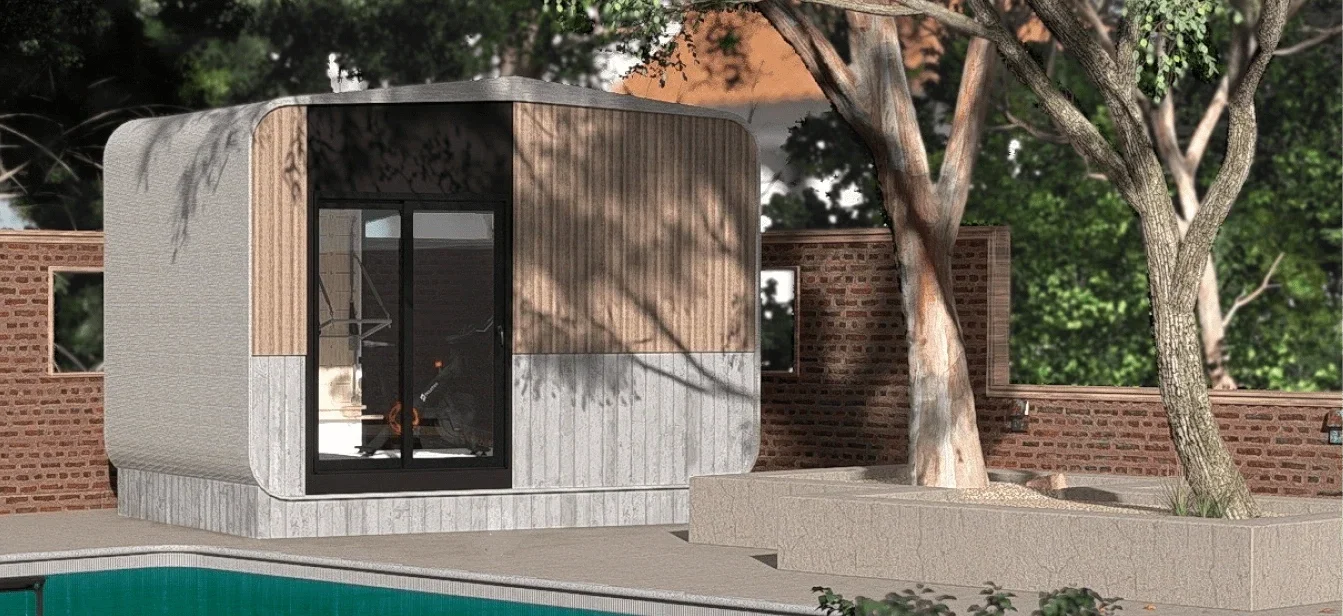
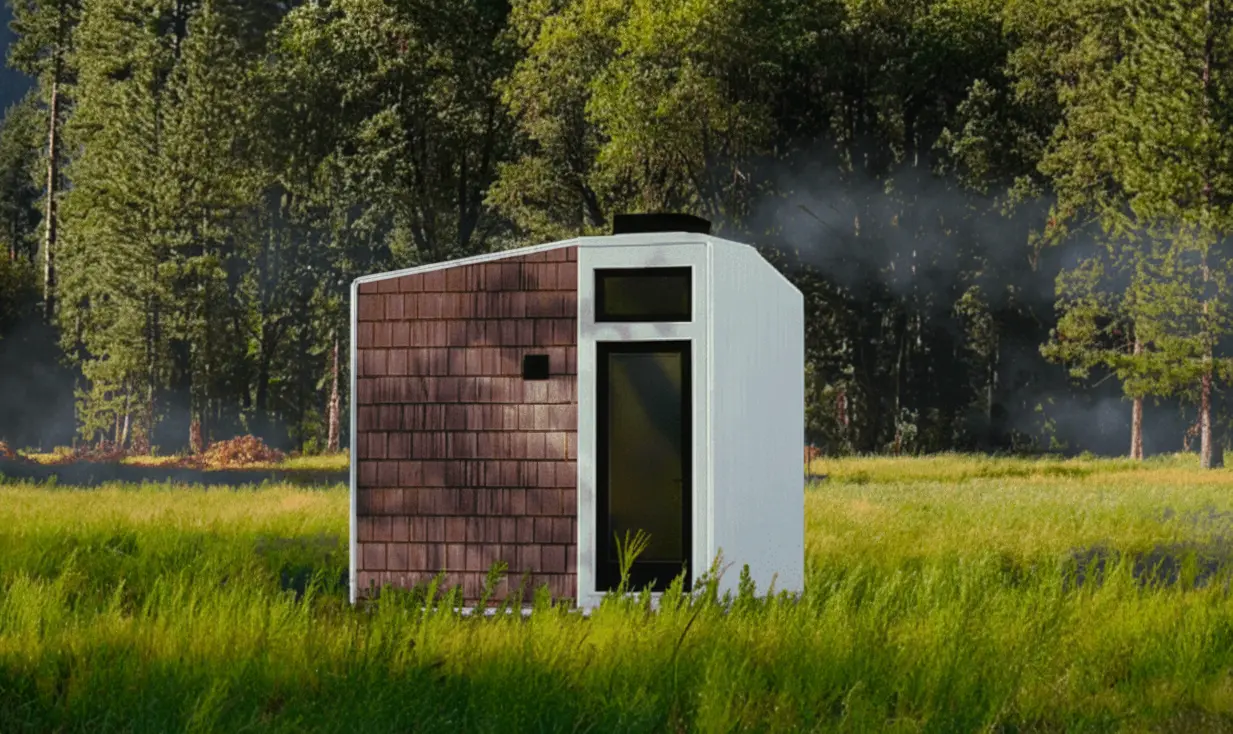
Compact studio units can work well when the goal is to create private, efficient shelter space. They may be useful for emergency housing programs, backyard support units, temporary living space, offices, wellness rooms, or small shelter communities.
Models such as A/D/C-100, N100, and A/D/C-120 are designed for smaller footprints. These units can help when land is limited or when a project needs multiple compact spaces instead of one large structure.
ADU-Style Modular Homes
ADU-style models offer more room and can support longer-term use. These units may be better suited for independent living, family housing, workforce housing, or transitional programs that need more than a sleeping space.
Models such as A-180, A-360, A-540, A-720, and A-900 provide different size options depending on the project. A smaller ADU may work for one person or a couple. A larger unit may support a family or a more complete living setup.
Homes on Wheels
Homes on wheels can be useful when flexibility is important. They may support projects where units need to be moved, placed temporarily, or used in locations where a fixed ADU is not the right fit.
The X Series includes X180, X270, and X360 models. These can support mobile living, flexible placement, and projects that need a more adaptable housing option.
How Long Modular Housing May Take
Timing depends on the model, project size, site conditions, permits, utilities, delivery distance, and level of customization.
For smaller studio models, the printing stage can happen quickly. Finishes may take several days after printing, depending on what is included. Delivery and installation can also move quickly when the site is ready.
Larger ADU-style units and housing projects usually take longer because they may require more planning, approvals, utility work, inspections, and site preparation.
A realistic timeline should include:
- Model selection
- Site review
- Budget planning
- Permit research
- Utility planning
- Printing and fabrication
- Delivery coordination
- Installation
- Final inspection or approval where required
The unit itself is only one part of the timeline. The site is just as important.
How to Prepare for a Modular Housing Project
Good preparation can prevent delays and unexpected costs.
Confirm the Purpose
Start by deciding what the unit needs to do. Is it for emergency shelter? Transitional housing? A backyard studio? A family ADU? Workforce housing? Temporary placement? The purpose affects the size, layout, utilities, privacy needs, bathroom requirements, and long-term use.
Review the Site
The property should be reviewed before choosing a unit. Important questions include:
- Is there enough space?
- Can delivery equipment access the site?
- Will the unit need a foundation?
- Where will utilities connect?
- Are there zoning restrictions?
- Are there setbacks or placement rules?
- Is the land flat or does it need preparation?
Plan Utilities Early
A modular unit may still need power, water, sewer or septic, internet, and HVAC depending on the model and use. Utility planning should happen early because it can affect cost, timing, and placement.
Budget Beyond the Unit Price
The starting price is only part of the total project cost. A complete budget may include delivery, installation, permits, site preparation, utility connections, foundation work, interior upgrades, and inspections. For larger projects, the budget may also include roads, walkways, lighting, landscaping, security, shared bathrooms, laundry, community space, and ongoing maintenance.
Final Thoughts
Getting emergency housing in Las Vegas usually starts with local shelter services, housing navigation, rental assistance programs, or community referrals. Those options are essential for people who need immediate help.
But the bigger housing challenge also requires more supply. Las Vegas, like many fast-growing cities, needs housing solutions that can be built faster, use materials responsibly, and adapt to different needs.
Printed modular construction is not the only answer, but it is one of the most promising tools available. With compact studios, ADU-style models, and homes on wheels, we at Azure Printed Homes offer a future-focused way to support emergency housing, transitional housing, and long-term modular living.