Finding emergency housing in Massachusetts can feel overwhelming, especially when time is short. A person may be facing eviction, leaving an unsafe living situation, recovering from a disaster, or trying to keep a family together after losing housing. The first priority is safety, but the next step is understanding what options may be available.
Massachusetts has several emergency housing paths, including family shelter, individual adult shelter, rental assistance, local nonprofit support, and temporary housing programs. These options can help people in crisis, but demand is often high. That is why many communities are also looking at newer housing solutions that can be planned, built, and installed faster.
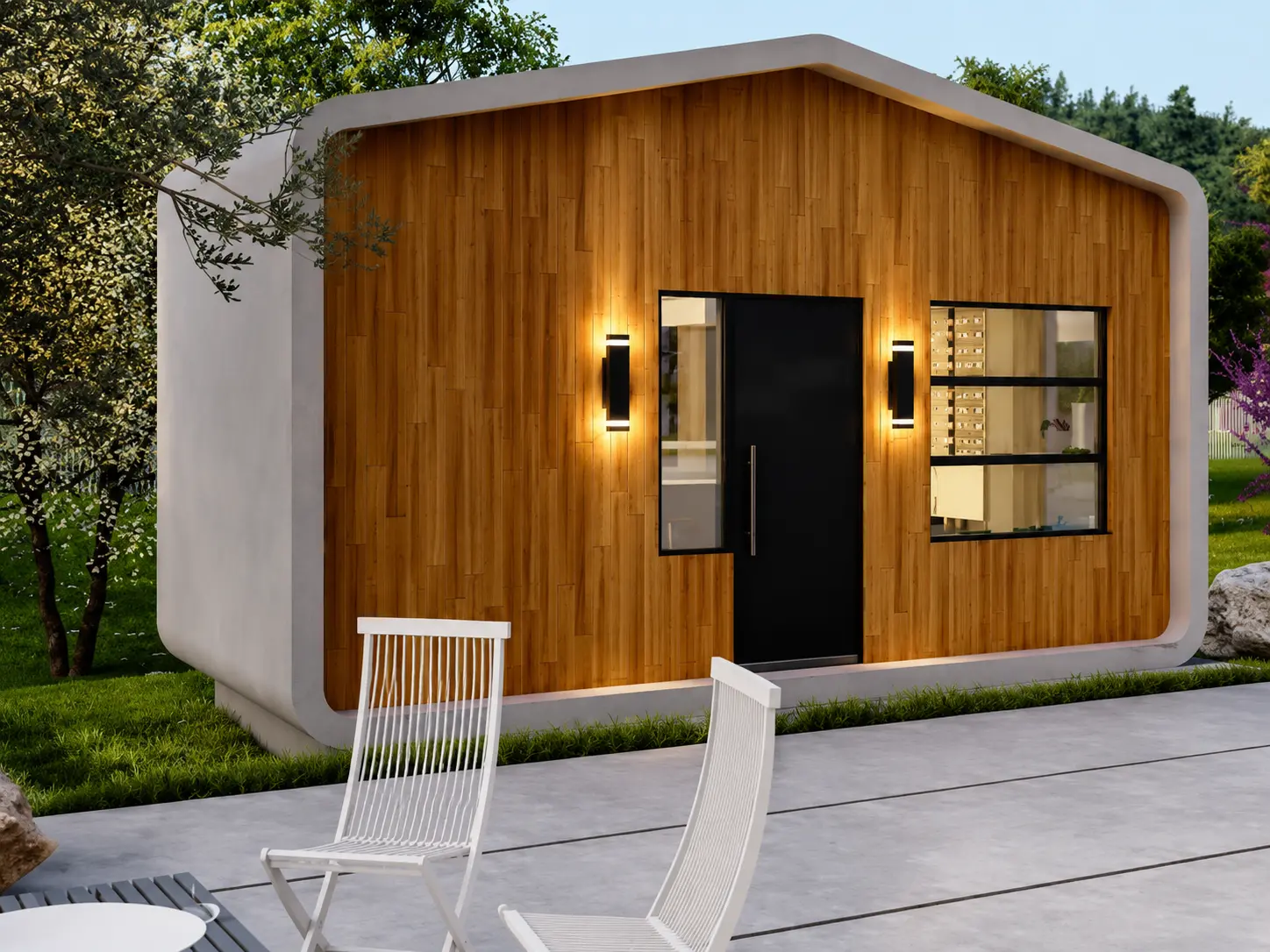
At Azure Printed Homes, we build future-focused modular living spaces using robotic 3D-printing technology and recycled materials. While emergency housing still depends on local rules, funding, land, utilities, and program requirements, printed modular construction can give governments, nonprofits, developers, and property owners another way to think about shelter, recovery, and long-term housing stability.
Practical Ways to Get Emergency Housing in Massachusetts
Emergency housing is not one single program. The right option depends on the household, location, urgency, and eligibility. Some programs are designed for families with children. Others serve individual adults, people fleeing unsafe situations, veterans, older adults, or people affected by eviction or disaster.
Emergency Assistance Family Shelter
Massachusetts offers Emergency Assistance family shelter for eligible families with children and pregnant people. This option is meant for households that do not have a safe place to stay and meet the program’s requirements.
Families may be placed in shelter, connected with rehousing support, or referred to another resource based on eligibility and availability. In many cases, the first step is applying through the state housing system or speaking with a homeless coordinator.
Individual Adult Shelters
Adults without children usually need to contact adult shelters directly to ask about available beds. Openings can change quickly, especially during winter, extreme weather, or periods of high demand.
Depending on the shelter, support may include:
- Overnight beds
- Meals and basic hygiene services
- Case management
- Housing referrals
- Help connecting with longer-term programs
Some shelters serve specific groups, while others are open to a broader adult population.
Rental Assistance and Eviction Prevention
A person does not have to wait until they are homeless to ask for help. If rent is overdue, an eviction notice has arrived, or a court date is scheduled, it may still be possible to find support.
Eviction prevention programs may help with:
- Rental assistance
- Mediation with a landlord
- Legal referrals
- Payment plans
- Housing stabilization services
- Help moving into safer housing
Asking early usually gives a household more choices. Once a case moves further through the eviction process, options may become more limited.
HomeBASE and Rehousing Support
HomeBASE is connected to family homelessness prevention and rehousing in Massachusetts. For eligible families, it may help with costs related to rent, relocation, and other housing needs.
This kind of support is important because shelter is meant to be temporary. The goal is not just to find a bed for the night, but to help a household move toward stable housing.
Local Nonprofits and Community Agencies
Local support can also make a big difference. Housing nonprofits, community action agencies, religious organizations, food programs, legal aid groups, and city or town offices may all be able to point people toward help.
These groups may not always provide shelter directly, but they can often help with:
- Referrals and applications
- Food, clothing, and basic supplies
- Transportation support
- Utility assistance
- Housing search guidance
- Connections to legal or social services
Disaster and Temporary Recovery Housing
When a home is lost because of a fire, storm, flood, or another emergency, temporary recovery housing may be needed. A household may need to work with local emergency management offices, insurance providers, relief organizations, or government agencies.
This is where modular housing can become especially useful. When land, approvals, and utilities are ready, modular units can help create temporary or transitional living space faster than many traditional building methods.
Modular Housing and Printed Shelter Solutions
Modular housing is not a replacement for every emergency housing program. It is another tool communities can use when shelter demand is high, construction costs are rising, or temporary housing needs to be created quickly.
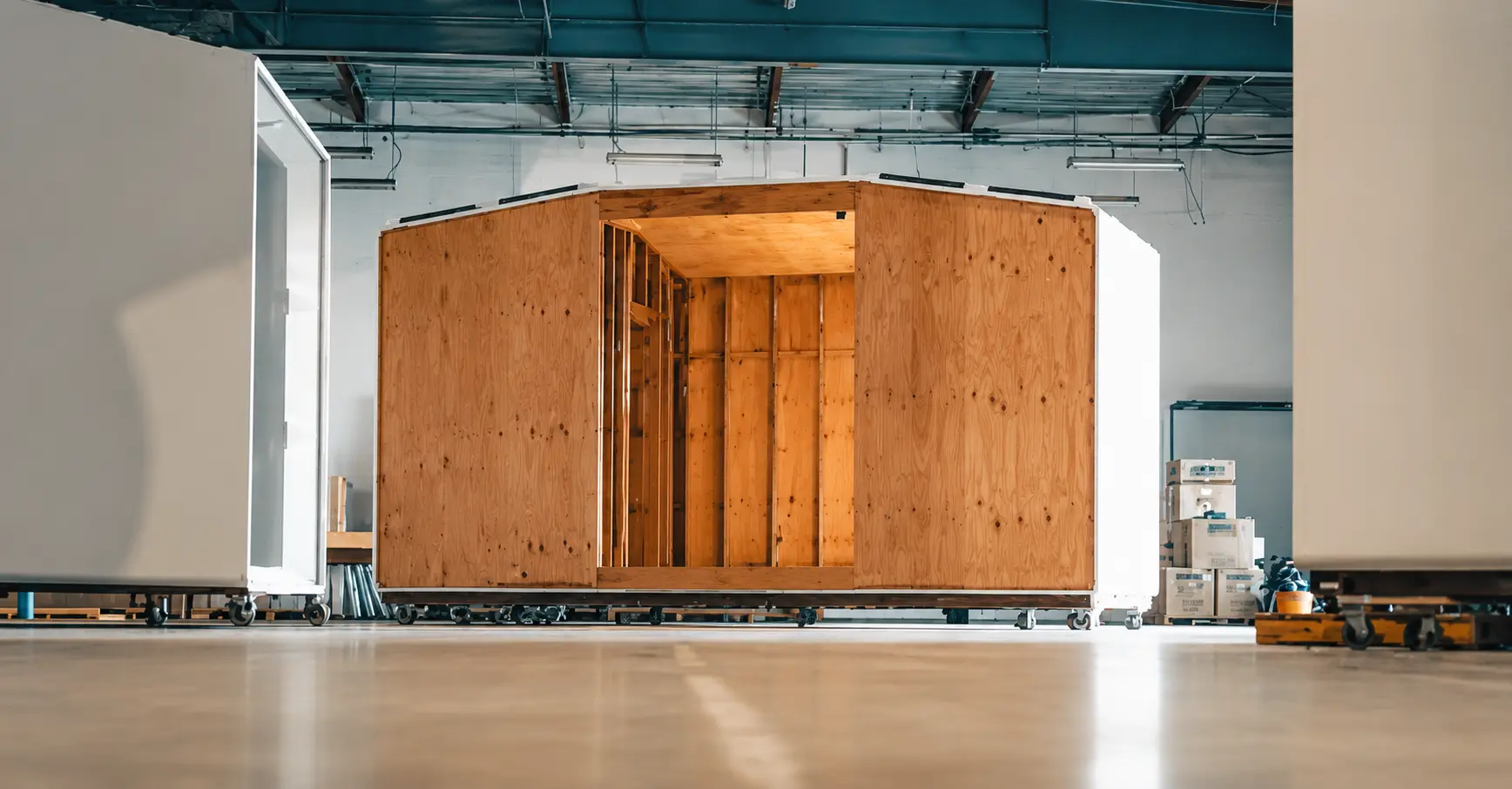
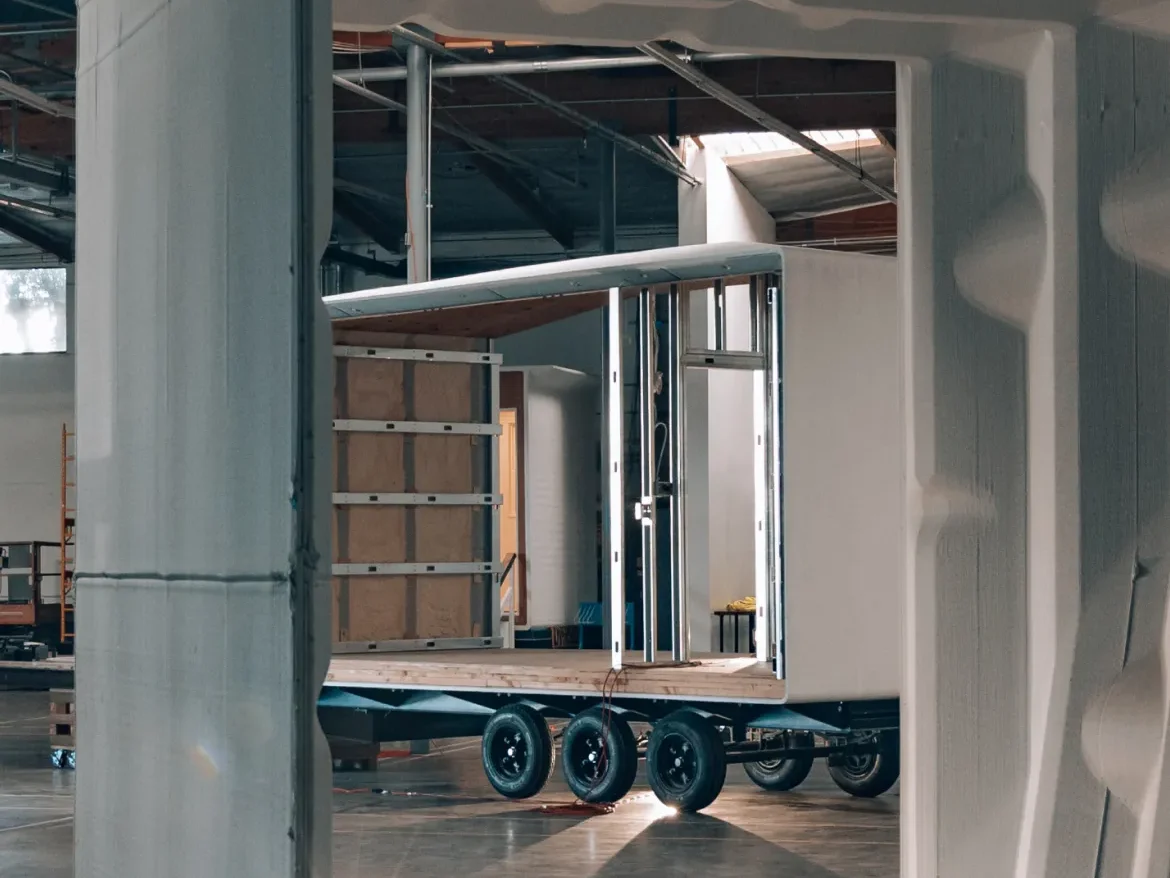
Instead of building everything from the ground up on-site, modular units are produced in a controlled setting and then delivered for installation. At Azure Printed Homes, we use robotic printing, recycled materials, and a streamlined process to create modular living spaces for different needs, from compact private rooms to larger ADU-style housing.
For emergency housing planning, this approach can help communities think beyond short-term shelter and consider flexible spaces that may support recovery, stability, and long-term housing goals.
Modular Housing vs Traditional Construction
Emergency housing needs to be safe, fast, practical, and scalable. Traditional construction can be useful, but it can also be slow and difficult to plan when a community needs shelter quickly.
Printed modular construction offers a different path. The structure can be produced with precision, finished according to the project needs, delivered to the site, and installed with the required services. This can help communities plan housing in a more predictable way.
For Massachusetts, this approach may be useful for:
- Temporary housing after displacement
- Transitional shelter communities
- Workforce housing for essential workers
- Backyard housing for relatives
- Supportive housing projects
- Disaster recovery housing
- Small-scale infill housing
- Emergency housing expansion on suitable land
The final use depends on zoning, permits, site conditions, utilities, funding, and local housing goals.
Printed Homes Modular Options
We at Azure offer several model types for different housing needs. Some are compact and simple, while others provide more space for independent living, guest housing, or long-term use. Final pricing can vary based on configuration, delivery, site work, installation, utilities, and finishes.
| Model | Square Footage | Starting Price | General Use |
| A/D/C-100 | 100 sq ft | $24,900 | Compact studio, private room, small support unit |
| A/D/C-120 | 120 sq ft | $29,900 | Backyard studio, guest space, flexible shelter unit |
| N100 | 100 sq ft | $24,900 | Compact studio-style unit |
| A-180 | 180 sq ft | $49,900 | Small ADU-style living space |
| A-360 | 360 sq ft | $89,900 | Larger ADU-style home |
| A-540 | 540 sq ft | $134,900 | Mid-size modular home |
| A-720 | 720 sq ft | $174,900 | Larger modular living space |
| A-900 | 900 sq ft | $219,900 | Full-size modular home |
| X180 | 180 sq ft | $69,900 | Home on wheels |
| X270 | 270 sq ft | $84,900 | Larger mobile living option |
| X360 | 360 sq ft | $109,900 | Two-bedroom home on wheels |
Compact Studio Models
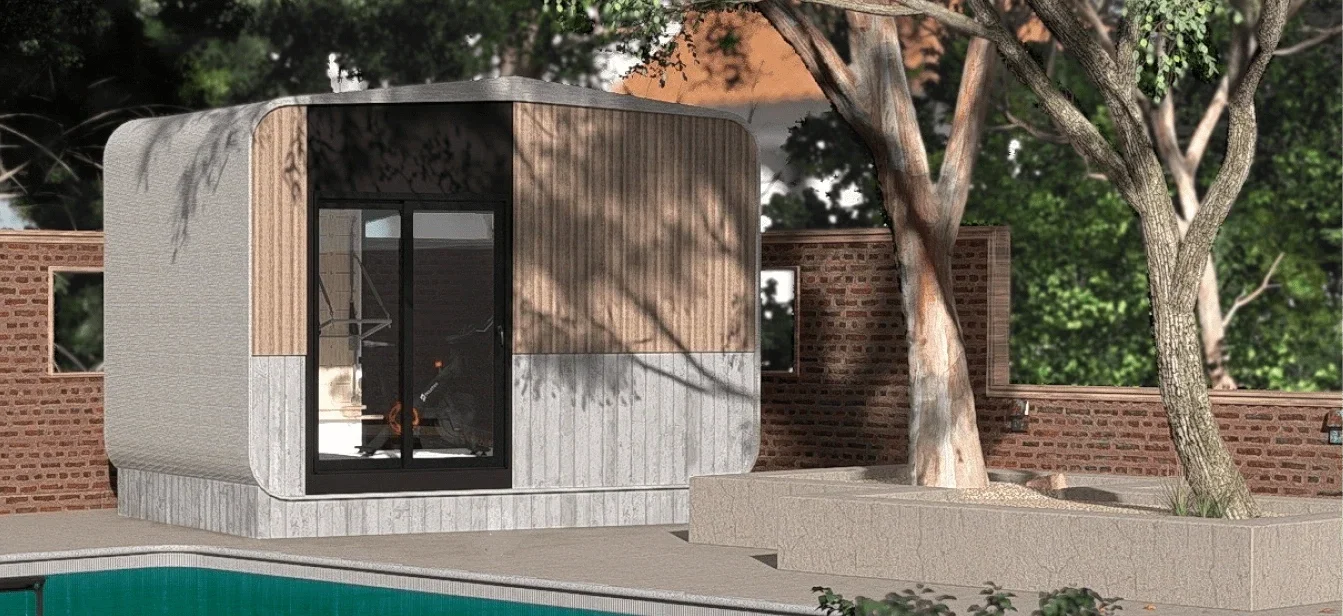
The smaller studio models can work well when the goal is to create private, efficient space. These may be useful for backyard use, guest space, office use, or housing support projects where compact units make sense. For emergency or transitional housing planning, compact units can help provide privacy and dignity while using land efficiently.
ADU-Style Modular Homes
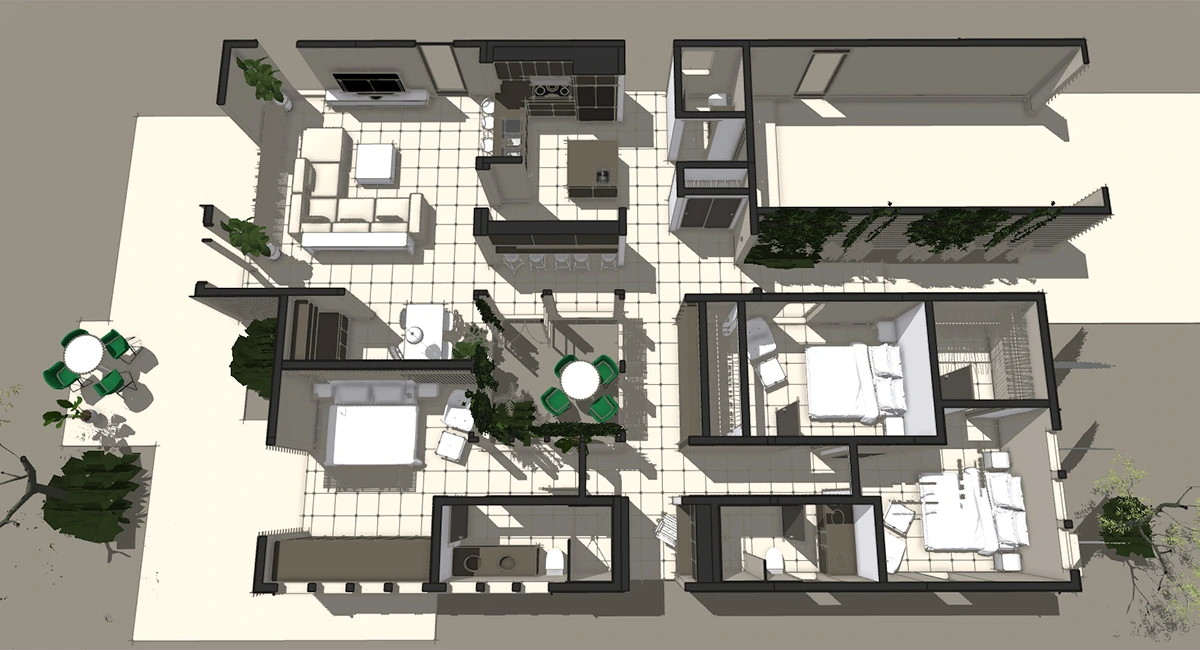
Larger ADU-style models can support more complete living needs. These may be better for households that need more space, longer stays, or a more independent setup. A larger unit may be appropriate when the goal is not just temporary shelter, but a more stable housing path.
Homes on Wheels
Homes on wheels can be useful when flexibility is important. They may work for certain properties, temporary placement, or projects where mobility is part of the plan. These models still require careful planning. Placement rules, utility connections, transport, permits, and local regulations matter.
How the Modular Housing Process Works
Printed modular housing is designed to make the building process easier to understand. While every project is different, the general process follows a clear path.
Configuration
The first step is choosing the right unit and configuration. This includes thinking about size, layout, finishes, intended use, and whether the space needs a bathroom, kitchen, heating and cooling, solar, battery options, or other features.
For emergency housing providers, this step may also include capacity planning, site layout, accessibility, privacy, and long-term maintenance.
Robotic Printing
We at Azure print homes robotically using recycled materials. This process helps reduce waste and allows the structure to be produced with precision. A unit can be printed in about one day, depending on the model and project details.
Finishes and Systems
After printing, finishes and systems are installed. This may include electrical, plumbing, interior finishes, fixtures, insulation, heating and cooling, doors, windows, and other project-specific details.
This stage can take longer than the printing itself because the unit needs to be prepared for real use, not just produced as a shell.
Delivery
Once the unit is ready, it is delivered to the site. Delivery time depends on distance, transportation planning, access, and site conditions.
For emergency housing projects, the site should be prepared before delivery whenever possible.
Installation
Installation includes placing the unit and connecting necessary services. Depending on the project, this may involve utility hookups, foundation or pad preparation, inspections, stairs, ramps, skirting, landscaping, or other site work.
How Long Building Can Take
One of the biggest advantages of modular construction is a more predictable timeline. Azure’s process is designed around fast printing, controlled fabrication, delivery, and on-site installation.
A general timeline may include:
- Configuration: Over 1 hour
- Printing: About 1 day
- Finishes: 4 to 15 days
- Delivery: 1 to 2 days
- Installation: 1 to 4 days
The full project timeline can still vary. Permits, site preparation, inspections, utility work, weather, transportation, and local approvals can all affect the final schedule.
For emergency housing, the fastest projects are usually the ones where the site is already suitable, utilities are nearby, and local approvals are clear.
How to Prepare for a Modular Emergency Housing Project
Good planning makes modular housing much easier. Even a fast-built unit needs the right site and the right approvals.
Confirm the Purpose
Start by defining the goal. Is the project for short-term emergency shelter, transitional housing, disaster recovery, family housing, workforce housing, or backyard support? The purpose affects the model, layout, features, and site plan.
Review Local Rules
Massachusetts cities and towns may have different zoning, permitting, and placement requirements. Before choosing a unit, it helps to understand what is allowed on the property. This is especially important for ADUs, homes on wheels, multi-unit shelter projects, and temporary housing sites.
Prepare the Site
A modular unit needs a safe and accessible place to land. Site preparation may include grading, foundation or pad work, utility planning, drainage, access roads, and space for delivery equipment. The more prepared the site is, the smoother the delivery and installation can be.
Plan Utilities Early
Emergency housing still needs basic services. Depending on the model and use, this may include electricity, water, sewer or septic, heating and cooling, internet, lighting, and possibly solar or battery systems. Utility planning should happen early because it can affect cost and timeline.
Think About Daily Use
A shelter unit is not only a structure. It is a place where people may sleep, recover, work, cook, bathe, and try to rebuild stability. Good planning should consider privacy, safety, storage, lighting, ventilation, accessibility, maintenance, and comfort.
What Else May Be Needed Besides the Unit
The modular unit is only one part of the project. A complete emergency housing plan may also need:
- Land or property access
- Local permits and approvals
- Foundation or pad preparation
- Utility connections
- Delivery access
- Insurance
- Site lighting
- Security planning
- Walkways, stairs, or ramps
- Waste management
- Maintenance planning
- Case management or resident services, when used for shelter programs
For government and nonprofit projects, the housing structure should be planned alongside the support system. People need safe space, but many also need help with employment, documents, transportation, healthcare, childcare, and permanent housing search.
Final Thoughts
Getting emergency housing in Massachusetts usually starts with the immediate need: finding shelter, applying for family assistance, calling local providers, contacting Mass 211, or asking about rental help before housing is lost.
But the bigger housing question does not end there. Communities also need more ways to create safe, efficient, and affordable places for people to live.
Printed modular construction is one of those ways. It is not the only answer, but it is a practical option for emergency response, transitional housing, backyard living, ADUs, and long-term housing planning. With the right site, approvals, utilities, and support, modular homes can help Massachusetts communities respond faster and build smarter.