When people ask, “How do I get emergency housing in Arkansas?”, they are often looking for immediate answers. Maybe a community is recovering from a natural disaster. Maybe affordable housing is in short supply. Maybe local leaders, developers, or property owners need housing that can be delivered quickly without waiting months or years for traditional construction.
The reality is that emergency housing is about more than finding a temporary place to stay. It is about creating safe, durable, and livable spaces that can be deployed when they are needed most.
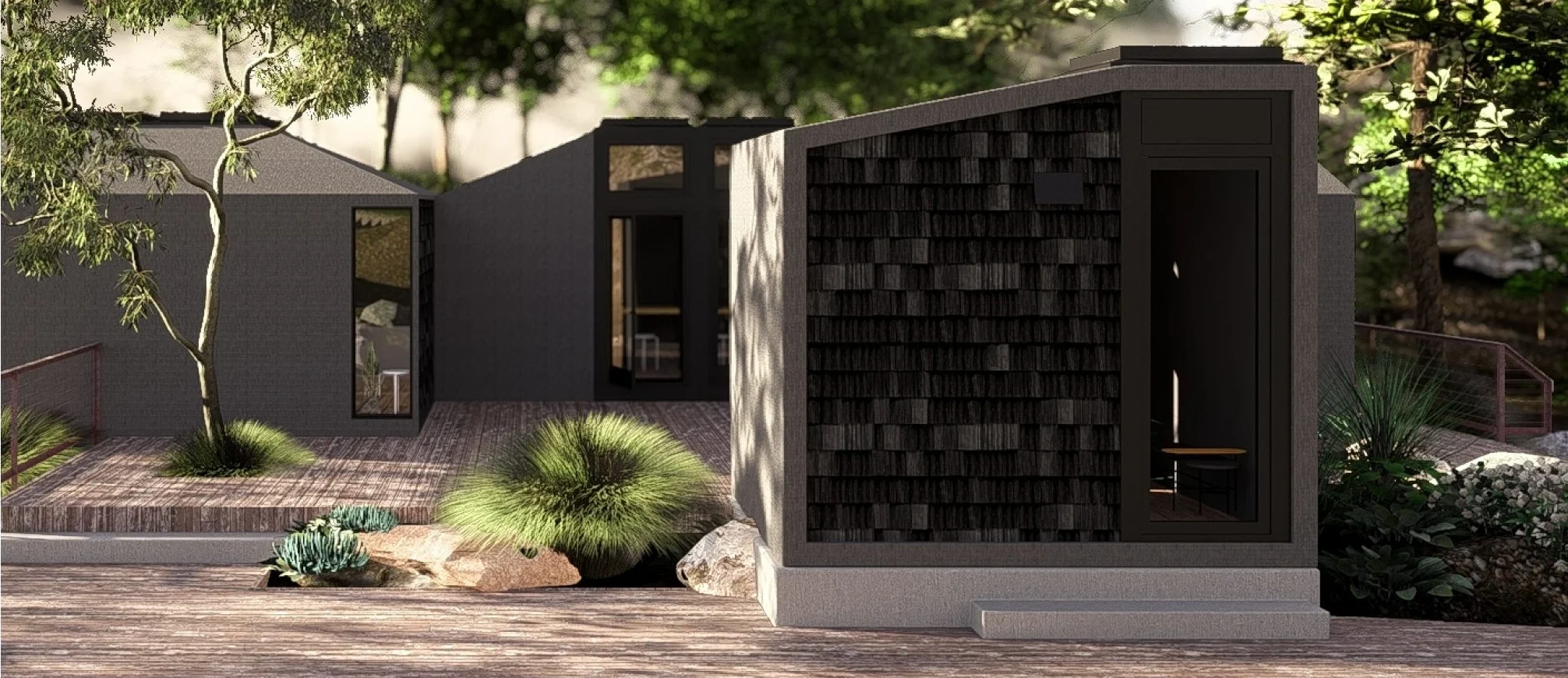
At Azure Printed Homes, we create modular living spaces designed for speed, sustainability, and real-world housing needs. Using robotic 3D printing and recycled materials, we help communities explore housing solutions that can be deployed more efficiently while reducing construction waste.
As housing demand continues to grow across Arkansas and throughout the United States, innovative construction methods are becoming an increasingly important part of the conversation.
What Emergency Housing Looks Like Today
When people think about emergency housing, they often picture temporary shelters. While shelters can play an important role during a crisis, many communities are increasingly looking for housing solutions that provide greater privacy, comfort, and long-term value.
Emergency housing can take several forms, including:
- Temporary housing communities
- Tiny homes
- Modular housing developments
- Accessory dwelling units (ADUs)
- Homes on wheels
- Transitional housing villages
- Workforce housing projects
- Disaster recovery housing
The right solution depends on the situation. A community recovering from a natural disaster may need rapidly deployable housing units. A city facing a housing shortage may need longer-term residential options that can be installed quickly and expanded over time.
Emergency Housing Options in Arkansas
Emergency housing can mean different things depending on the situation. Some solutions focus on immediate safety and short-term accommodation, while others are designed to provide more stable housing until a permanent solution is available.
Emergency Assistance Programs
In some cases, emergency housing starts with assistance programs rather than a physical housing unit. Rental assistance, housing vouchers, eviction prevention programs, and other forms of support may help people remain in their current home or secure temporary accommodations while they search for a longer-term solution.
These programs can be especially helpful when the housing crisis is temporary and the goal is to prevent displacement before it occurs.
Emergency Shelters
Shelters often provide the fastest response when someone needs immediate housing. They can offer a temporary place to stay during a crisis and may also connect residents with support services, case management, and housing resources.
While shelters play an important role, they are generally designed as short-term solutions rather than permanent housing.
Transitional Housing
Transitional housing provides a longer-term option for people who need stability while working toward permanent housing. These communities may offer private living spaces, shared amenities, and support services that help residents move toward independent living.
For many individuals and families, transitional housing serves as a bridge between emergency shelter and permanent housing.
Disaster Recovery Housing
Natural disasters, severe storms, floods, tornadoes, and other emergencies can create sudden housing shortages. In these situations, temporary housing may be needed while damaged homes are repaired or rebuilt.
Disaster recovery housing is often designed to be deployed quickly and may remain in place until long-term reconstruction is complete.
Modular Emergency Housing
As communities look for faster and more flexible housing solutions, modular construction is becoming an increasingly important option. Unlike traditional emergency responses that focus primarily on temporary accommodations, modular housing can provide private, durable living spaces that may be used for both short-term and long-term needs.
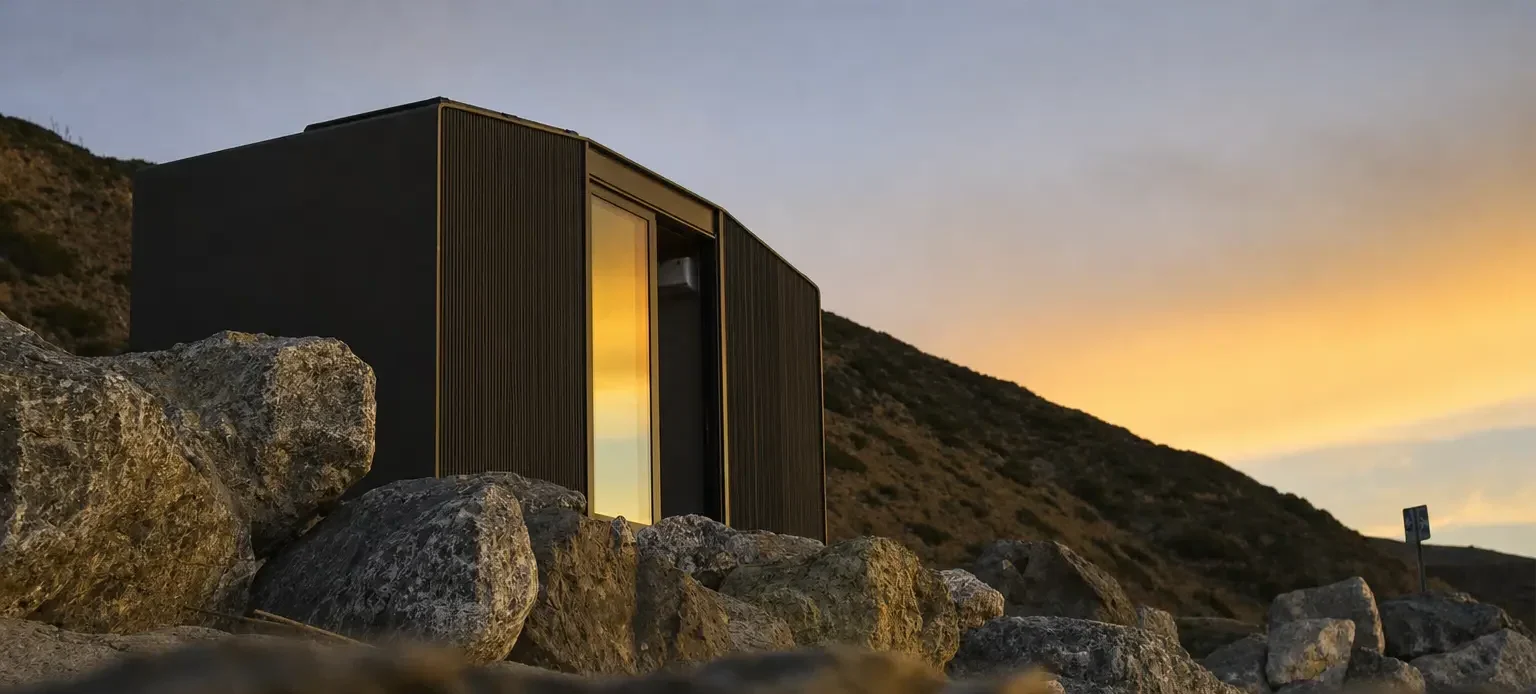
At Azure Printed Homes, we build several types of modular housing solutions that may support emergency housing initiatives.
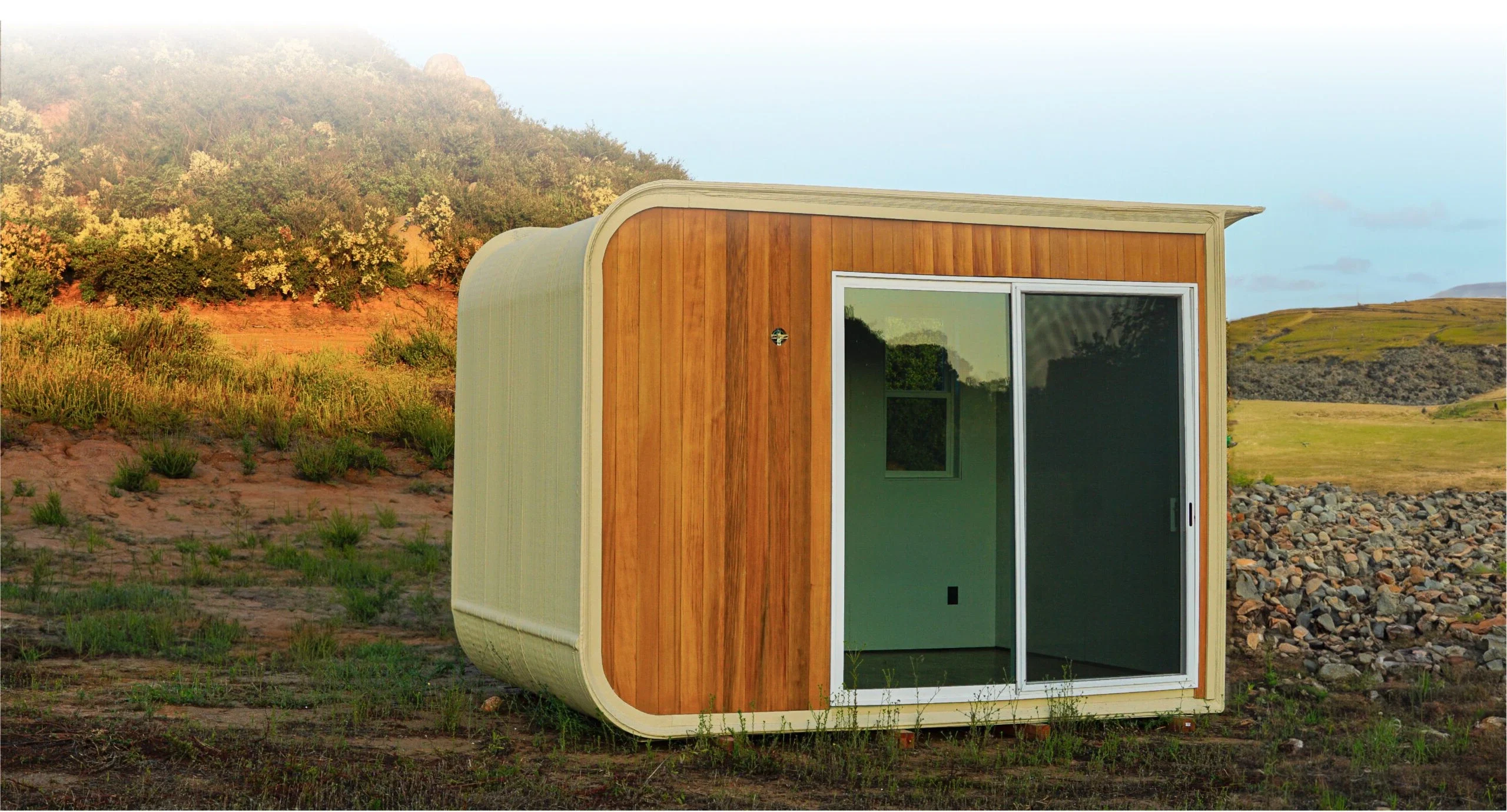
Studio Units
Compact studio models can provide efficient living space while minimizing land requirements and project costs. These units may work well for temporary housing communities, workforce housing projects, or transitional housing programs.
ADU-Style Homes
Larger ADU-style models offer additional living space and can support longer-term residential use. Depending on project goals, these homes may provide housing for families, displaced residents, or community housing initiatives.
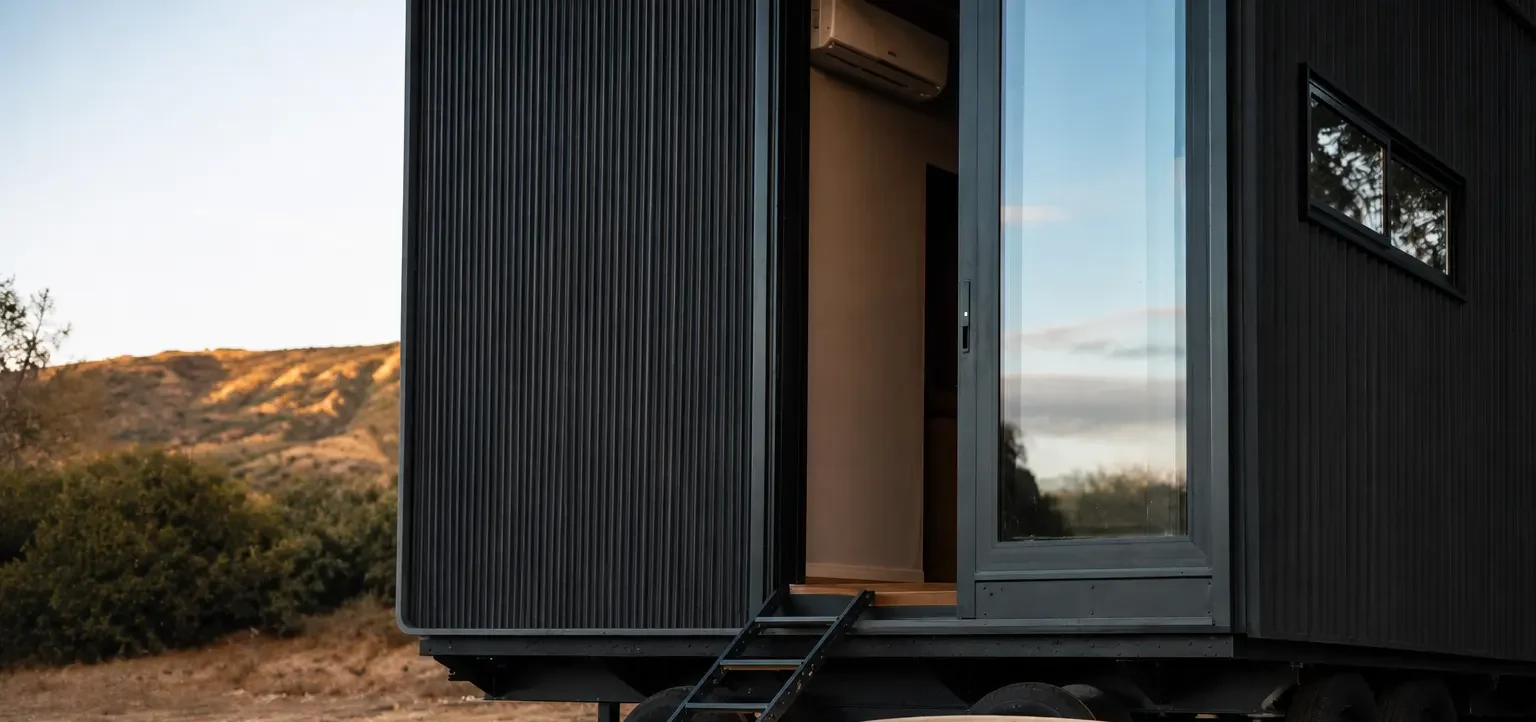
Homes on Wheels
In situations where flexibility is important, homes on wheels can provide an alternative solution. These units can be relocated when necessary and may support temporary housing programs, disaster response efforts, or remote housing needs.
Emergency Housing Cost Breakdown
One of the biggest questions surrounding emergency housing projects is cost. The answer depends on factors such as unit size, project scale, site preparation, utility connections, delivery, installation, and interior finishes.
Modern modular construction offers a range of housing options that can support different emergency housing goals, from compact temporary accommodations to larger long-term residential units.
| Housing Type | Example Models | Azure Starting Price |
| Compact Studio Units | A/D/C-100, N100 | $24,900 |
| Larger Studio Units | A/D/C-120 | $29,900 |
| Small ADU Housing | A-180 | $49,900 |
| Medium ADU Housing | A-360 | $89,900 |
| Large ADU Housing | A-540 | $134,900 |
| Expanded Residential Housing | A-720 | $174,900 |
| Large Family Housing | A-900 | $219,900 |
| Homes on Wheels | X180 | $69,900 |
| Homes on Wheels | X270 | $84,900 |
| Homes on Wheels | X360 | $109,900 |
For communities, nonprofits, developers, and government organizations, these options create flexibility when planning emergency housing initiatives. Smaller units may allow more residents to be accommodated within a limited budget, while larger models may support longer-term occupancy and family housing needs.
Benefits of Modern Modular Emergency Housing
Emergency housing projects are often measured by three factors: speed, cost, and livability. Modern modular construction offers advantages in each area.
Faster Deployment
Traditional construction projects can face delays caused by labor shortages, weather conditions, and material availability. Modular housing is designed to streamline much of the construction process, helping projects move forward more efficiently.
Scalable Communities
Emergency housing needs can change quickly. Modular housing allows projects to start with a small number of units and expand as demand grows.
Reduced Construction Waste
At Azure Printed Homes, recycled plastic waste is transformed into durable building materials. This approach helps reduce landfill waste while creating practical living spaces.
Customizable Designs
Different communities have different housing requirements. Studio units, ADUs, homes on wheels, and larger residential models can be configured to support a variety of emergency housing applications.
Long-Term Value
Unlike some temporary housing solutions, modular homes can continue serving communities long after the initial emergency has passed. Units may be repurposed for workforce housing, affordable housing initiatives, guest accommodations, or residential developments.
How the Printed Homes Process Works
One reason modular housing can support emergency housing projects is the streamlined construction process.
Step 1: Configuring the Housing Solution
Every project begins by selecting and customizing the appropriate unit design. Housing providers can choose layouts, features, and configurations that match their goals.
Step 2: Robotic Printing
The structure is robotically printed using recycled materials. This automated process is designed to improve efficiency, precision, and consistency while reducing material waste.
Step 3: Interior Finishes and Systems
After printing, the unit is completed with the selected electrical, plumbing, fixtures, flooring, lighting, and interior finishes. This stage helps turn the structure into a practical living space that is ready for daily use.
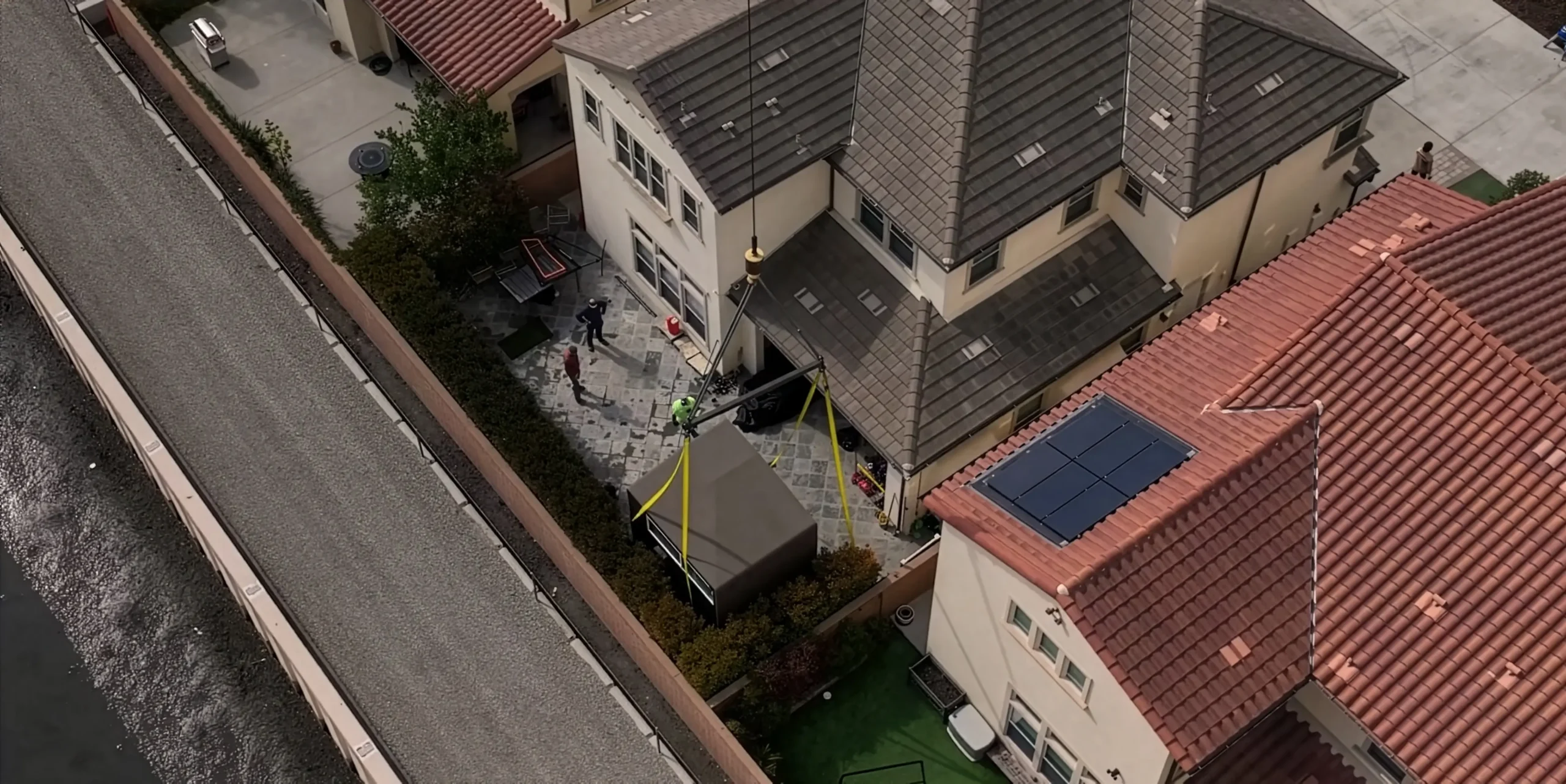
Step 4: Delivery
Once the unit is finished, it is transported to the project site. Because much of the work is completed before delivery, the on-site process can be faster and more organized.
Step 5: Installation
The housing unit is installed and connected to the required services, creating a move-in-ready living space.
This process is designed around faster deployment timelines, making it particularly relevant for emergency housing projects where time is a critical factor.
How Quickly Can Emergency Housing Be Delivered?
The timeline depends on the model, project size, site readiness, permits, utilities, delivery distance, and installation requirements. Still, modular construction can make the process much more predictable than traditional building.
At Azure Printed Homes, the process is designed for speed. A unit can be configured in over 1 hour, robotically printed in about 1 day, finished in 4-15 days, delivered in 1-2 days, and installed on-site in 1-4 days.
For emergency housing projects, this means a solution may be possible much faster when the site is ready and the project details are clear. Larger communities or multi-unit projects may take longer, but the overall approach helps reduce delays and move housing from planning to placement more efficiently.
Planning an Emergency Housing Project
Every emergency housing project is different, but successful projects often start with clear questions. Before choosing a housing type, communities, developers, and organizations should understand the size of the need, the intended timeline, and the conditions of the site.
Key questions may include:
- How many housing units are needed?
- Will the housing be temporary, transitional, or permanent?
- What level of privacy and daily-use amenities is required?
- How quickly does the housing need to be delivered?
- What infrastructure is already available on-site?
- Will the project need room to expand later?
Answering these questions early can help narrow the options. A compact studio layout may work for short-term emergency housing, while larger ADU-style homes may be better for families or longer stays. If flexibility is important, homes on wheels may also be considered.
Good planning can also reduce delays. Site access, utility connections, permits, delivery routes, and installation needs should be reviewed before units are ordered. The clearer the plan is at the start, the easier it becomes to choose a housing solution that supports both immediate needs and long-term community use.
The Future of Emergency Housing in Arkansas
Emergency housing in Arkansas may continue moving toward faster, more flexible building methods. As communities face housing shortages, weather-related disruptions, and affordability challenges, traditional construction alone may not always be enough to meet urgent demand.
Modular homes, compact studios, ADUs, and homes on wheels can give communities more options. These solutions can be planned for immediate use, but they can also remain useful after the first emergency has passed.
For Arkansas communities, the future of emergency housing may be less about temporary fixes and more about building practical, sustainable spaces that can serve people today and adapt to future needs.
Final Thoughts
Getting emergency housing in Arkansas is not only about finding a place for people to stay today. It is also about creating housing solutions that can respond quickly, scale efficiently, and serve communities for years to come.
From compact studio units to larger ADU-style homes and homes on wheels, modern modular housing offers new ways to address urgent housing needs. As construction technology continues to advance, emergency housing can become more accessible, more sustainable, and better prepared for the challenges ahead.