When someone needs emergency housing in Pennsylvania, the first step is usually not a building. It is getting connected to the right local help, fast. That may mean calling 211, reaching out to a county assistance office, or finding a shelter program that can help with the next safe place to stay.
But emergency housing is also a building problem. Pennsylvania communities need more places that can be delivered quickly, hold up in real weather, and feel dignified from day one. That is where the construction side matters.
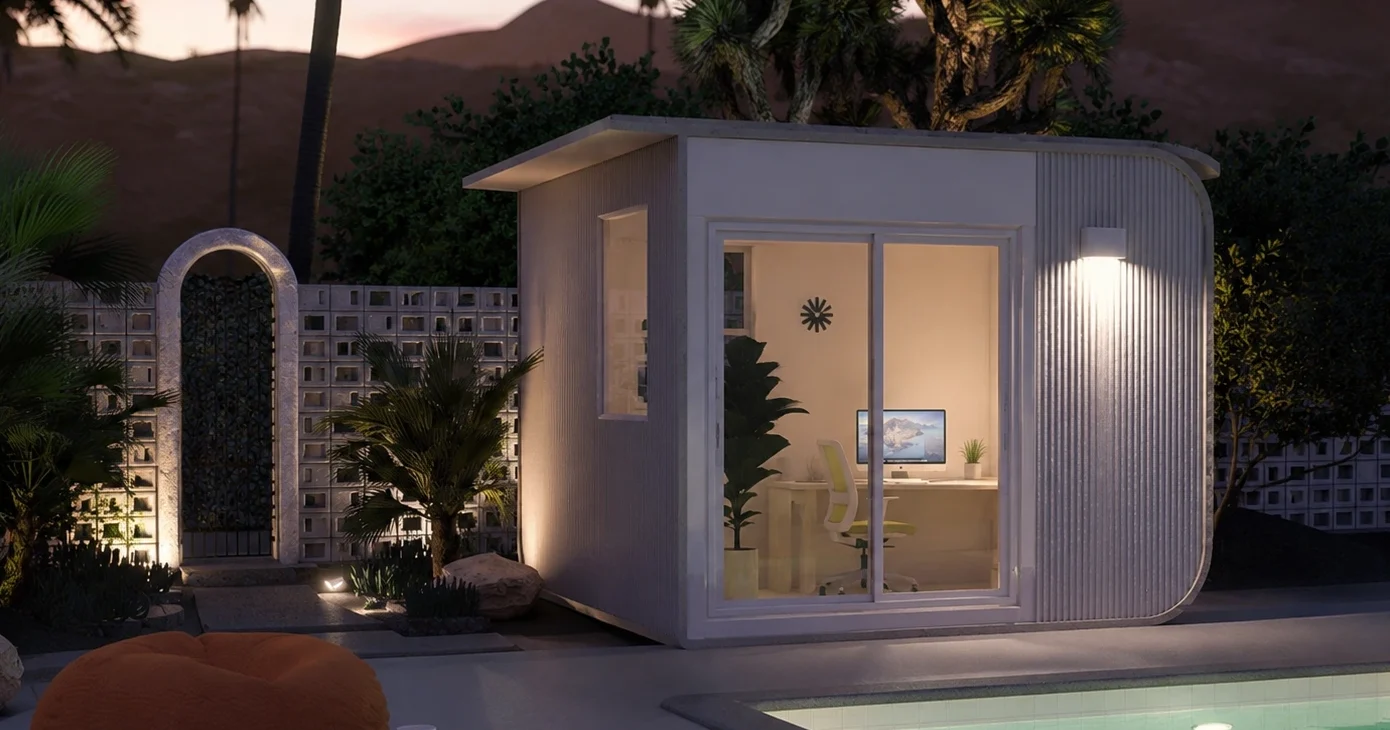
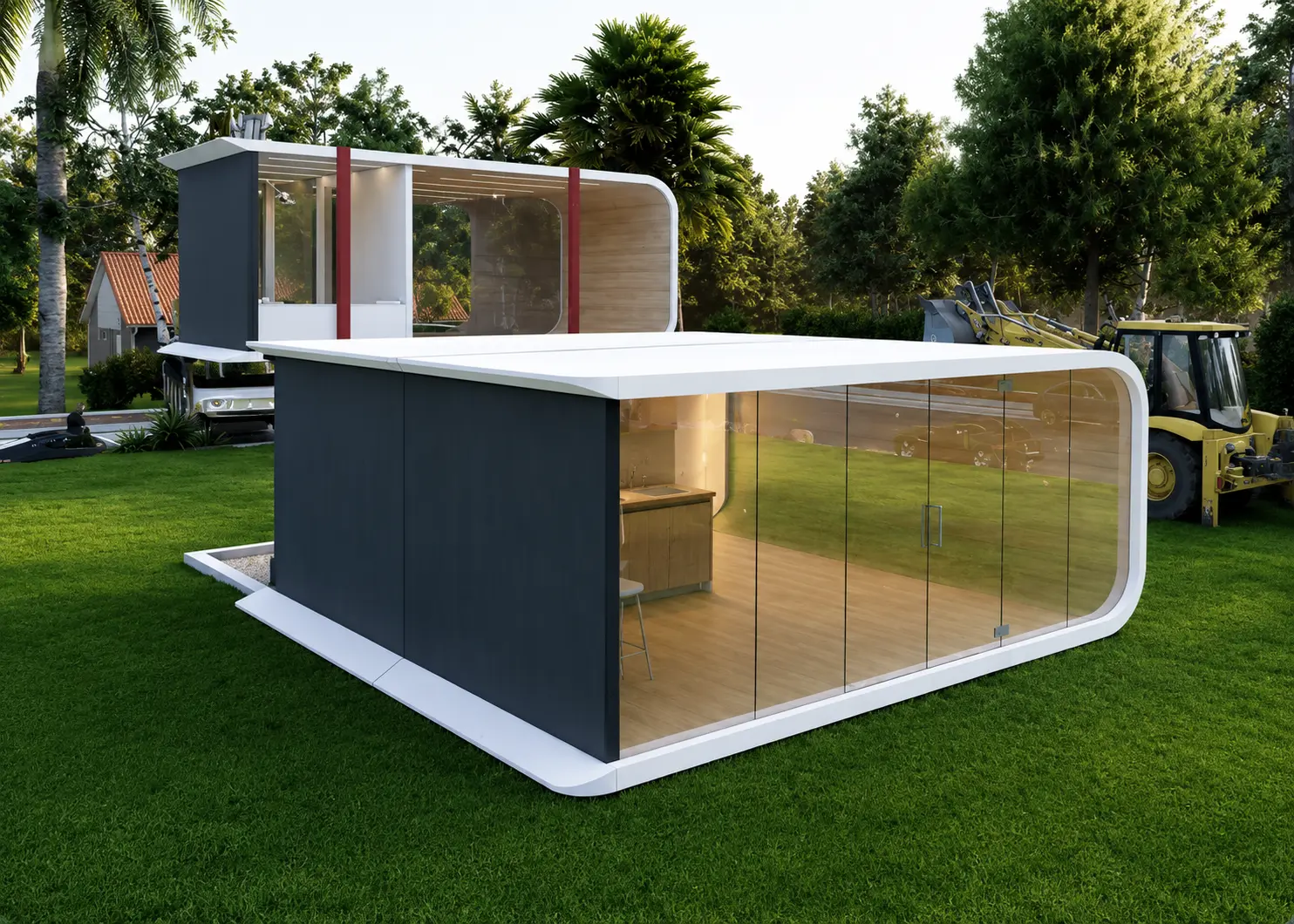
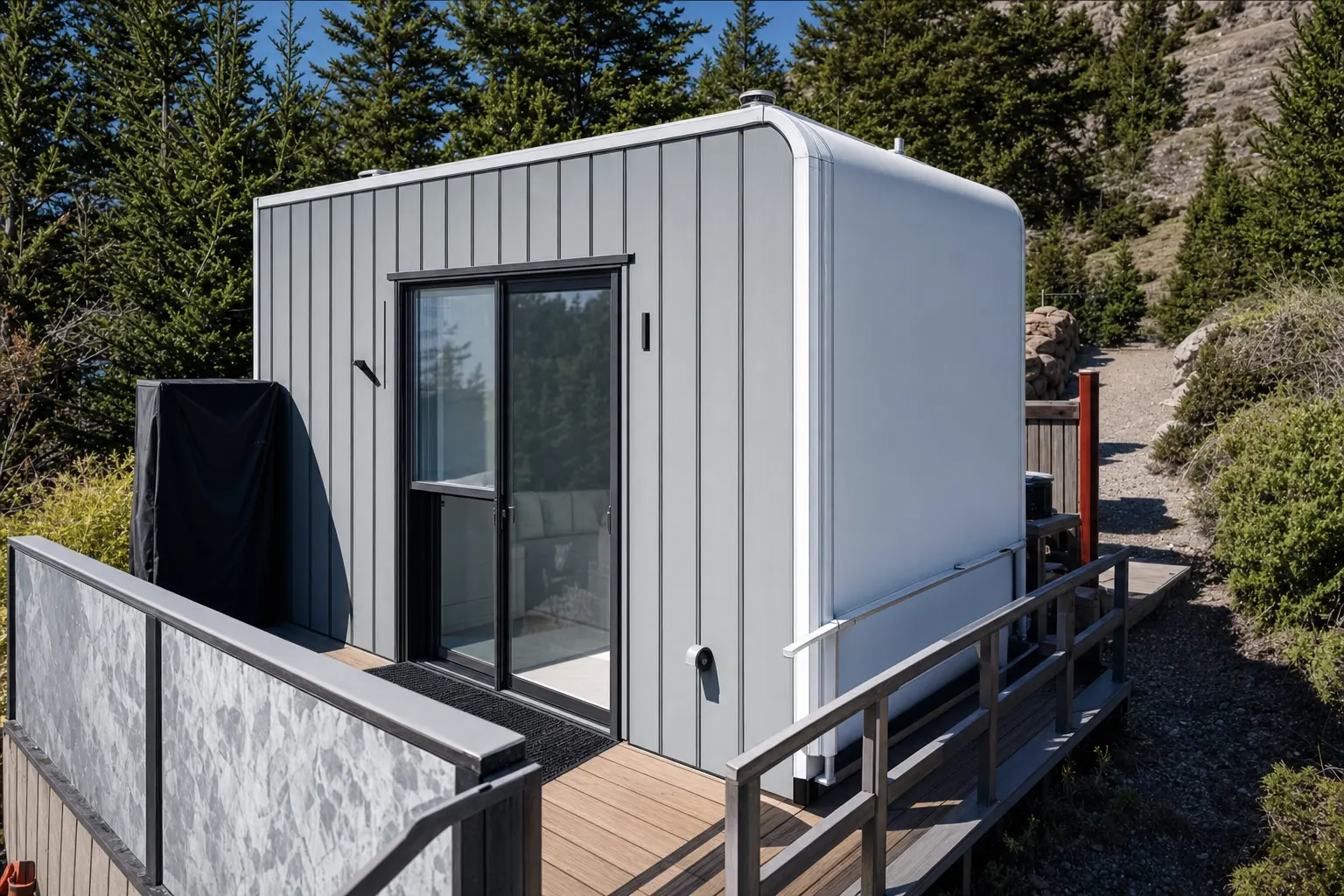
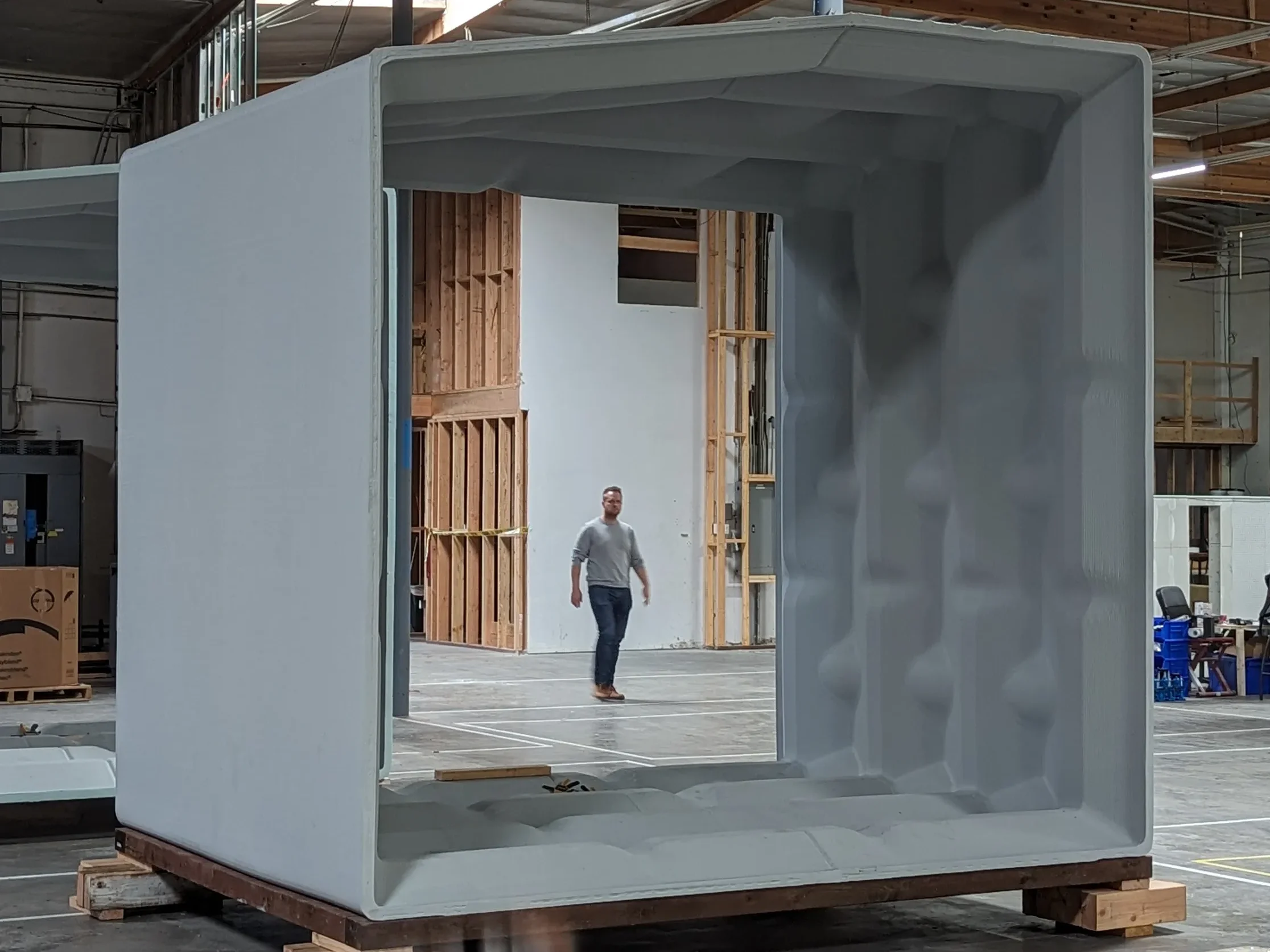
At Azure Printed Homes, we make future-focused modular living spaces using robotically printed construction and recycled materials. Our role is not to replace emergency services. Those are still the first call when someone needs help tonight. Our work is about what comes next – helping cities, counties, developers, and housing partners create emergency and interim housing that can move faster than traditional construction usually allows.
Because when people are waiting for safe shelter, timelines matter. So does quality. So does making a space feel like a real place to land, not just a temporary fix.
If You Need Emergency Housing Right Now
If you personally need emergency housing in Pennsylvania, start with local help first.
The most practical first steps are:
- Call 211
- Text your zip code to 898-211
- Contact your county assistance office
- Ask about emergency shelter, coordinated entry, Emergency Shelter Allowance, Homeless Assistance Program support, rental help, and prevention programs
- If you are in immediate danger, call emergency services first
Keep the conversation simple. Explain where you are, what happened, and whether you have a safe place to sleep. If you are facing eviction, staying in a car, sleeping outside, leaving unsafe housing, or displaced after a fire or flood, say that clearly.
Emergency housing in PA is local. The process in Philadelphia may not be the same as the process in Pittsburgh, Erie, Lancaster, Harrisburg, Scranton, or a smaller county. That is why 211 is often the best first door.
Emergency Housing Is Also a Building Problem
The service side matters, but it does not solve everything.
A person can call the right number and still find out there is no bed available. A county can have a referral process and still not have enough units. A nonprofit can be ready to help and still be limited by the physical space it has.
That is the hard part.
Emergency housing is not only about connecting people to help. It is about having enough safe housing ready when help is needed.
Pennsylvania communities may need emergency housing after:
- Evictions
- Fires
- Flooding
- Unsafe building closures
- Shelter overflow
- Sudden family displacement
- Affordable housing shortages
- Winter weather emergencies
- Larger community crises
In these moments, slow construction can become a serious problem. People cannot wait years for every housing solution to move through a traditional build cycle.
That is why emergency building needs a smarter path.
What Emergency Building Should Do
Emergency building should not mean low-quality building. It should not mean throwing up temporary spaces that are uncomfortable, hard to maintain, or disconnected from services.
A better emergency housing project should be fast, but still thoughtful.
It should provide:
- Safe private or semi-private space
- Heating and cooling
- Bathroom access
- Fire safety
- Durable materials
- Cleanable surfaces
- Working utilities
- Secure doors and lighting
- Accessible layouts where needed
- Space for support staff or case management
- A maintenance plan
- A clear path for delivery and installation
The building does not need to be fancy. But it should feel stable. People in crisis need more than a roof. They need a place that helps them breathe, sleep, regroup, and take the next step.
Why Traditional Construction Can Be Too Slow
Traditional construction has its place. But emergency housing often needs a faster and more predictable process.
Conventional building can be slowed down by weather, labor schedules, material delays, on-site coordination, inspections, and budget changes. In normal development, those delays are frustrating. In emergency housing, they can leave people waiting without a safe place to go.
Modular construction helps change the sequence.
More work can happen off-site. Units or building components can be fabricated in a controlled environment while site work moves forward. Designs can be repeated. Quality can be checked earlier. Waste can be reduced. Delivery can become easier to plan.
That does not remove the need for permits, land, utilities, or local approval. Those still matter. But it can make the building process less chaotic and more predictable.
For emergency housing, that is a real advantage.
How Modular Housing Can Support PA Communities
Pennsylvania does not need one single emergency housing model. Different communities need different answers.
A large city may need more interim housing capacity. A rural county may need a smaller site with a few units. A nonprofit may need family-sized housing. A community recovering after flooding may need temporary relocation space. A developer or housing authority may need a repeatable system for supportive housing.
Modular housing can help because it can adapt to different needs without starting from zero every time.
Flexible Options for Different Local Needs
Emergency housing does not look the same in every county. Some places need small private units for short-term shelter. Others need studio-style spaces for interim housing or larger units for families.
Modular construction gives communities more room to match the building to the situation. The structure can be planned around the people using it, the land available, and the level of support needed on-site.
Housing That Can Respond After Disasters
Flooding, fires, unsafe building closures, and sudden displacement can create housing needs almost overnight. In those moments, communities need a way to create safe space without waiting through a long conventional build cycle.
Modular units can support temporary relocation, rapid rebuild projects, and staged recovery plans. A project can start with urgent need, then adapt as the community moves from emergency response to longer-term housing.
Support for Families and Vulnerable Residents
Some emergency housing needs are simple on paper but complicated in real life. Families may need more room. Seniors may need accessible layouts. People moving out of unsafe conditions may need privacy, quiet, and access to services.
That is why modular housing can support more than one format, including:
- Small private units for short-term shelter
- Studio-style spaces for interim housing
- Larger units for families
- Supportive housing sites
- Temporary relocation after disasters
- Rapid rebuild projects
- Repeatable housing for cities, counties, and nonprofit partners
A Better Fit for Scalable Housing Programs
For cities, counties, developers, and nonprofit partners, repeatability matters. One emergency housing site may solve an immediate need, but a repeatable model can help plan for the next site too.
Modular housing can make it easier to standardize layouts, coordinate utilities, manage maintenance, and expand capacity in phases. That does not make the project effortless, but it can make the path clearer.
The Building Is Only One Part of the System
The right model depends on the site, local rules, utilities, timeline, budget, and who will operate the housing after it opens.
That last part is important. A unit is not a complete housing program by itself. The building has to work with services, staffing, maintenance, transportation, and daily operations.
When those pieces line up, modular housing can do what emergency housing needs most: create safe, usable space faster, without treating people like an afterthought.
Matching the Building to the Emergency Need
Emergency housing should start with the use case, not the floor plan. The right structure depends on who needs help, how long they may stay, what the site can support, and what kind of services need to be nearby.
A single adult, a family displaced by a fire, and a county planning a larger interim housing site will not need the same setup. That is why the building choice has to follow the emergency, not the other way around.
Small Private Spaces for Shelter Overflow
Some situations call for small, private spaces. These can be useful for shelter overflow, transitional programs, or interim housing where people need privacy and rest.
A small unit can give someone a door that closes, a quieter place to sleep, and a little breathing room during a hard moment. It may not solve every long-term housing need, but it can be a practical step when a community needs safe space quickly.
Studio-Style Units for More Stability
Other situations need studio-style units. These can give residents more usable space and a stronger sense of stability.
A studio-style setup may work well for interim housing, recovery housing, or short-term relocation when people need more than a bed. It gives the project a more complete housing feel without jumping straight into a larger residential build.
Larger Layouts for Families
Families may need larger layouts with more room, more storage, and more complete living systems.
A family displaced by a fire or eviction cannot always be served well by the same unit used for one adult. Parents may need separate sleeping space for children, easier bathroom access, room for daily routines, and a layout that feels less temporary while they figure out what comes next.
Scalable Systems for Larger Housing Response
Larger emergency housing efforts may need a professional building system rather than one unit at a time.
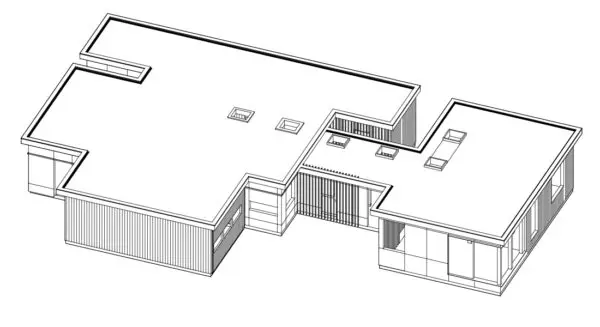
That can include repeatable multifamily layouts, missing middle housing, supportive housing, or interim housing built at a larger scale. This is especially important for cities, counties, developers, architects, and general contractors that need a repeatable plan instead of a one-off fix.
Our Studio Series can support compact site needs. Our Homes on Wheels can work where mobility and local placement rules make sense. Our Homes & ADUs can support more complete residential needs. Our professional building systems can help developers, architects, and general contractors plan larger, repeatable housing projects.
The goal is not to force one model into every problem. The goal is to choose the right housing format for the actual emergency.
What PA Emergency Housing Projects Should Plan First
A fast building system works best when the basics are clear early.
Before choosing units, a Pennsylvania emergency housing project should answer:
- Who is the housing for?
- How long will people stay?
- Who owns or controls the land?
- What zoning and building rules apply?
- Are water, sewer, power, and drainage available?
- Can units be delivered and installed safely?
- Who will operate and maintain the site?
- What services will residents need?
- Can the project expand later?
These questions may sound simple, but they decide whether a project works.
Emergency housing cannot be planned only around the structure. The site has to be ready. The utilities have to make sense. The operator has to be prepared. The building has to match the people who will actually use it.
When those pieces line up, modular housing can move much faster.
Faster Should Still Mean Better
There is a common mistake in emergency housing conversations. People assume the choice is either fast or good.
Fast housing can still be durable. It can still be comfortable. It can still be designed with care. It can still use better materials and smarter fabrication. It can still give people a place that feels safe instead of temporary in the worst way.
Emergency building should be practical, repeatable, and human. Robotically printed construction and modular fabrication are useful because they help reduce the friction in the building process. Recycled materials matter because housing should respond to today’s needs without ignoring tomorrow’s. Controlled production matters because quality should not depend on perfect weather or a perfect jobsite.
Emergency housing should be ready when people need it. That is the whole point.
Conclusion
If you need emergency housing in PA right now, start with 211 or your county assistance office. Ask about shelter, coordinated entry, Emergency Shelter Allowance, Homeless Assistance Program support, prevention, and rapid rehousing. The exact path depends on your county and your situation.
But the bigger answer is about building.
Pennsylvania needs more emergency housing that can be created quickly, placed responsibly, and used with dignity. That means looking beyond short-term referrals and asking how communities can build safer spaces before the next crisis hits.
Modular construction, robotic 3D-printing, recycled materials, and scalable building systems are part of a more practical way to add housing faster and with a more predictable process.
Not a shortcut around planning. Not a replacement for local services.
A faster way to create real spaces for people who need somewhere safe to land.