When people ask how to get emergency housing in Colorado, the need is usually immediate. Someone needs a safe place tonight. A family has been displaced. A town is responding after a fire, flood, or housing shortage. A local agency is trying to create more units before the next crisis gets worse.
There is the personal side of emergency housing, and that matters. People should know where to call, what to ask for, and what kind of help may be available. But there is also a bigger issue behind the question: Colorado needs more emergency-ready housing that can be built faster.
That is where building comes in.
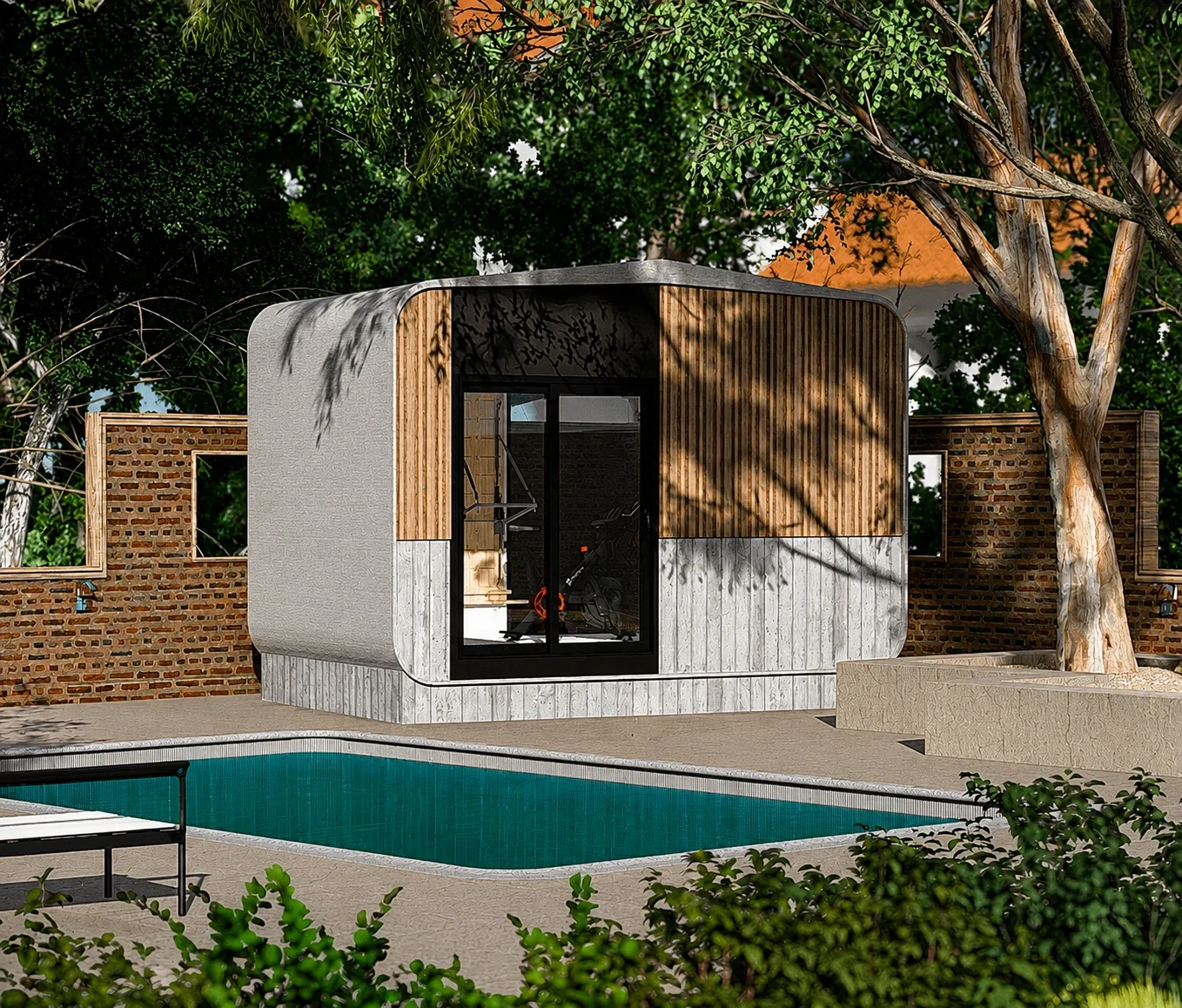
At Azure Printed Homes, we manufacture modular housing units that are designed for real use, not just quick placement. Our units are built with robotically 3D-printed construction, recycled materials, and controlled factory fabrication. Depending on the model, they can include finished interiors, electrical, plumbing, bathrooms, kitchens, and sleeping areas.
For emergency housing, that means communities can add safe, usable space with a more predictable build process and less on-site disruption. Fast housing still needs to be durable, functional, and ready for people to live in.
When someone is dealing with displacement, instability, or a disaster, the place they land should feel safe, private, and put together. Not perfect. Not fancy. Just solid, warm, usable, and ready when it matters.
What Emergency Housing Means in Colorado
Emergency housing is not one single type of housing. In Colorado, it can mean different things depending on the situation.
For an individual or family, it may mean shelter, short-term housing, rental help, or transitional housing. For a city, county, nonprofit, or developer, it may mean building temporary or interim units quickly after a disaster, during a housing shortage, or in response to homelessness.
That difference is important.
If someone needs help right now, the first step is usually to contact local housing resources, 2-1-1, a shelter provider, or a coordinated entry program. That is the route for immediate personal support.
But if the question is how Colorado communities can create more emergency housing, then the answer moves into land, permits, utilities, modular units, site work, and construction timelines.
Both sides matter. One helps people get help today. The other helps make sure there are more places for people to go tomorrow.

Emergency Housing Needs More Places, Not Just More Referrals
Housing systems can only move as fast as the available units allow.
A person can call every number on a list, but if the beds are full, the problem remains. A county can set up intake, case management, and referral systems, but if there are not enough units, people wait. After a wildfire or flood, temporary shelter may come together quickly, but longer-term recovery housing can be much harder.
That is why emergency housing is also a building issue.
Colorado does not only need a better way to direct people to housing. It needs more housing that can be delivered quickly, placed thoughtfully, and used safely for the people who need it.
Emergency building helps fill that gap. It gives communities a way to respond with actual space, not just paperwork.
Why Fast Building Matters in an Emergency
In normal construction, delays are frustrating. In emergency housing, delays are personal.
A slow build can mean more nights in a car, more pressure on shelters, more families stuck in temporary setups, and higher costs for local agencies. It can also stretch public funding across short-term fixes instead of creating places people can actually use.
Fast building matters because time changes what is possible. When housing can be produced and placed sooner, communities can respond before the situation gets worse. People stabilize faster, services work better, and the same building model can often be repeated for future needs.
Speed alone is not enough, though. A fast unit still has to work. It needs the right code path, utility connections, weather performance, privacy, and a site that makes sense.
Building faster should also mean building smarter.
What Emergency Housing Should Actually Provide
Emergency housing should start with the basics. Not in a cold or bare-minimum way, but in a grounded way.
People need a place that protects them from weather. They need privacy. They need a door that closes. They need lighting, heat, ventilation, and access to bathrooms, water, and power. Families may need more space. Service providers may need offices or support areas. Communities may need units that can be moved, repeated, or reused later.
A useful emergency housing plan should think through:
- Sleeping space
- Bathroom access
- Heating and cooling
- Power connections
- Water and sewer needs
- Fire safety
- Accessibility
- Storage
- Security
- Maintenance
- Delivery access
- Long-term use after the emergency phase
That last point is easy to miss. Emergency housing should not always be treated as temporary waste. In many cases, a well-planned modular unit can keep serving a community after the first crisis passes. It might become transitional housing, workforce housing, supportive housing, guest housing, or part of a larger small-home community.
The best emergency housing has a second life.
How Modular Building Helps With Emergency Response
Modular building can be a strong fit for emergency housing because much of the work happens away from the site. That changes the pace and the amount of disruption.
With traditional construction, the site often becomes the center of everything. Materials arrive. Crews come and go. Weather slows work. Trades overlap. Timelines stretch. For emergency housing, that can be a problem.
A modular approach allows the housing units or building components to be fabricated in a controlled environment while site work moves forward separately. That means grading, utilities, foundations, and access can be planned while the structures are being produced.
This does not remove every challenge. Permits still matter. Local rules still matter. Utility planning still matters. But it can make the whole process more predictable.
For emergency housing, predictability is a big deal.
Matching the Housing Type to the Emergency
The first question should not be “What is the fastest unit we can get?” It should be “What does this situation actually need?”
A temporary shelter site for adults has different needs than disaster recovery housing for families. Interim housing for unhoused residents is different from replacement housing after a wildfire. A rural county may need a different layout than a dense urban site.
Here is a simple way to think about the options.
Compact Units for Simple, Fast Support
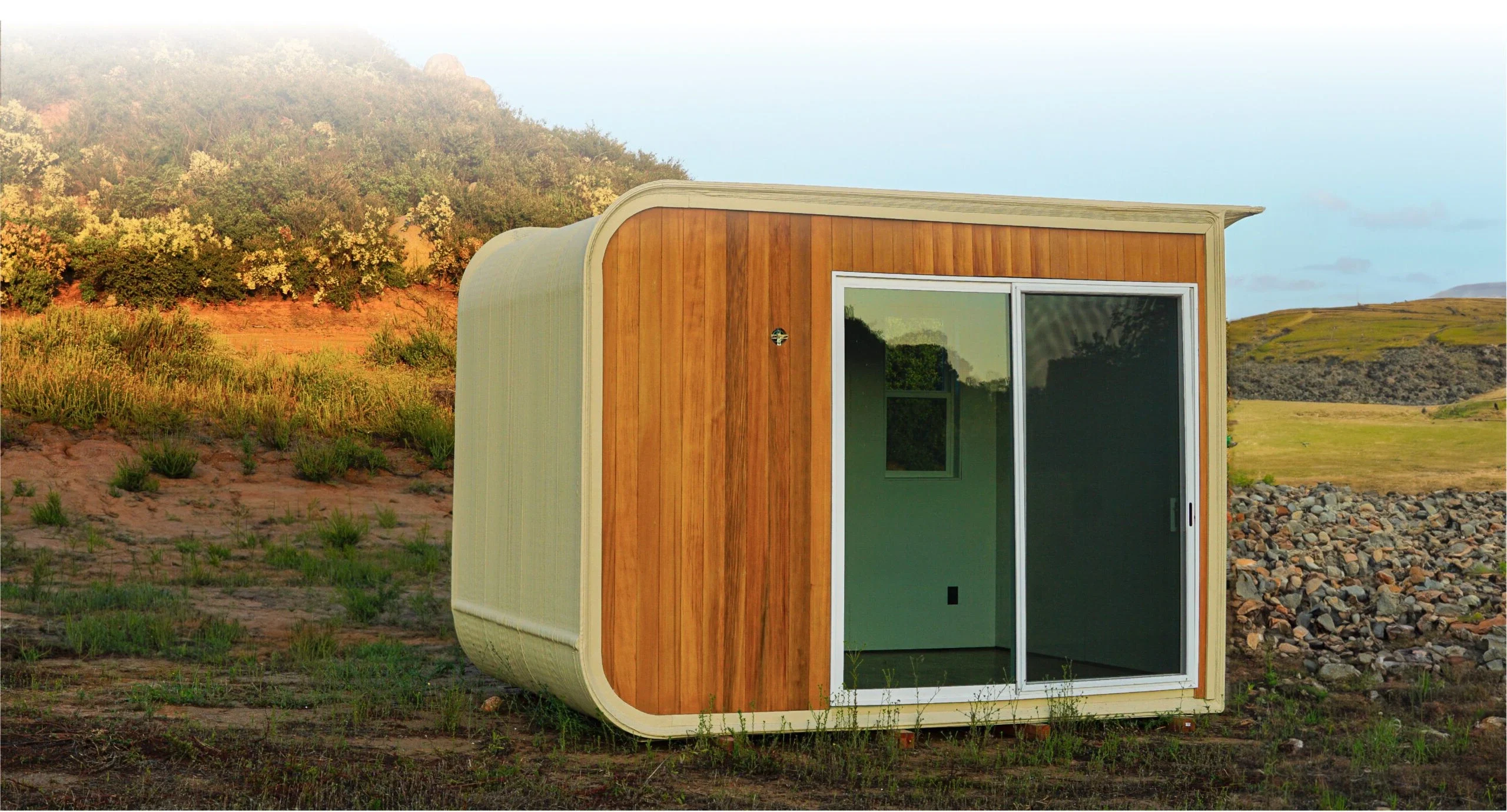
Smaller units can help when a community needs flexible space quickly. These may be useful for support services, private sleeping areas, staff offices, intake spaces, or short-term use where full residential features are not required.
This type of unit can be easier to place, but it still needs planning. Even a small structure must be considered in relation to access, power, safety, spacing, and local requirements.
Homes on Wheels for Flexible Placement
Homes on wheels can work well where the local rules allow them. They may be useful for temporary villages, managed communities, disaster response sites, or flexible housing programs.
The benefit is mobility. The challenge is placement. A home on wheels still needs a legal and practical place to sit. The site needs proper grading, utility access, drainage, and a plan for safe use.
This can be a good option, but it should never be treated as “just park it anywhere.” That is how projects get stuck.
Residential Modular Units for Longer-Term Stability
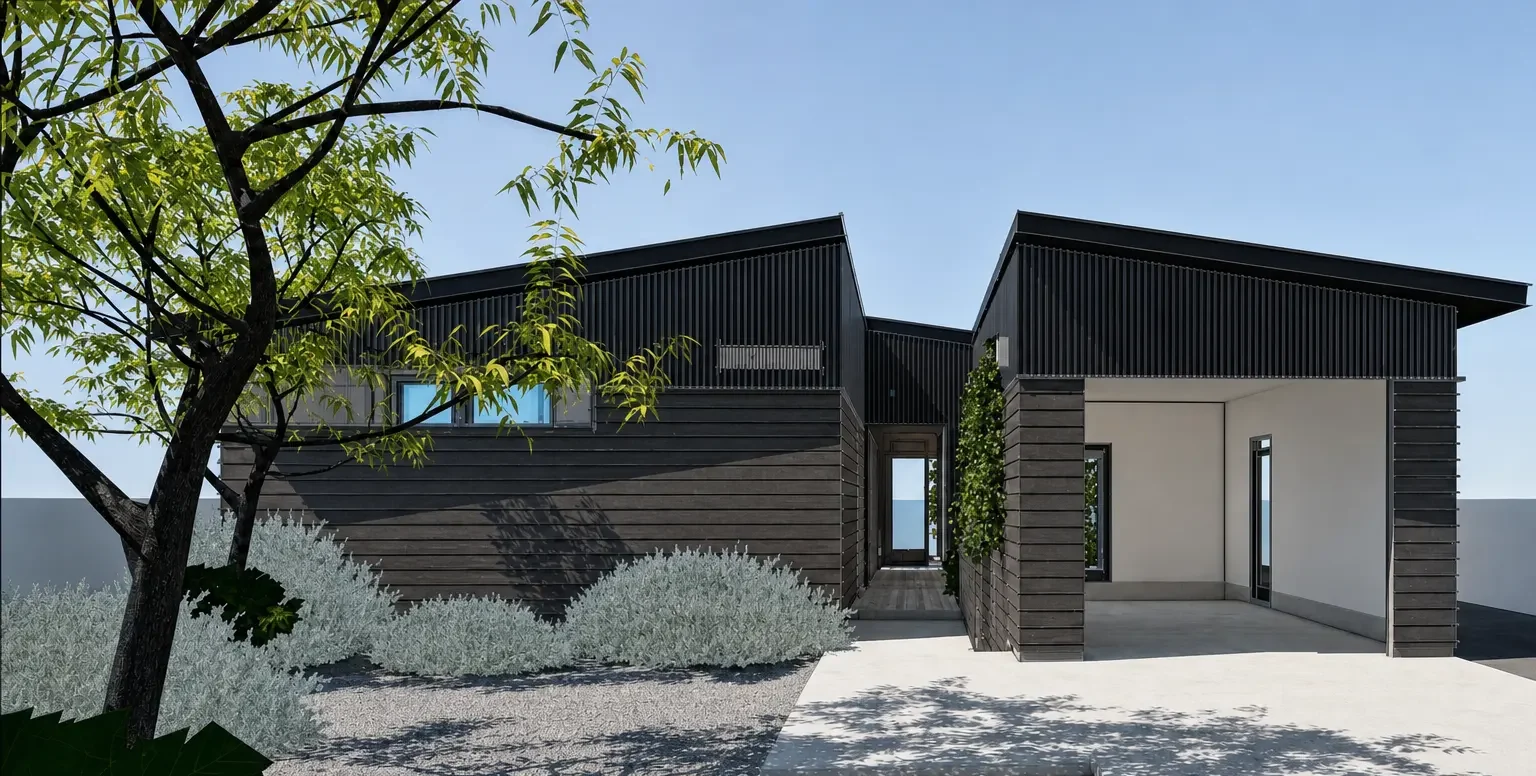
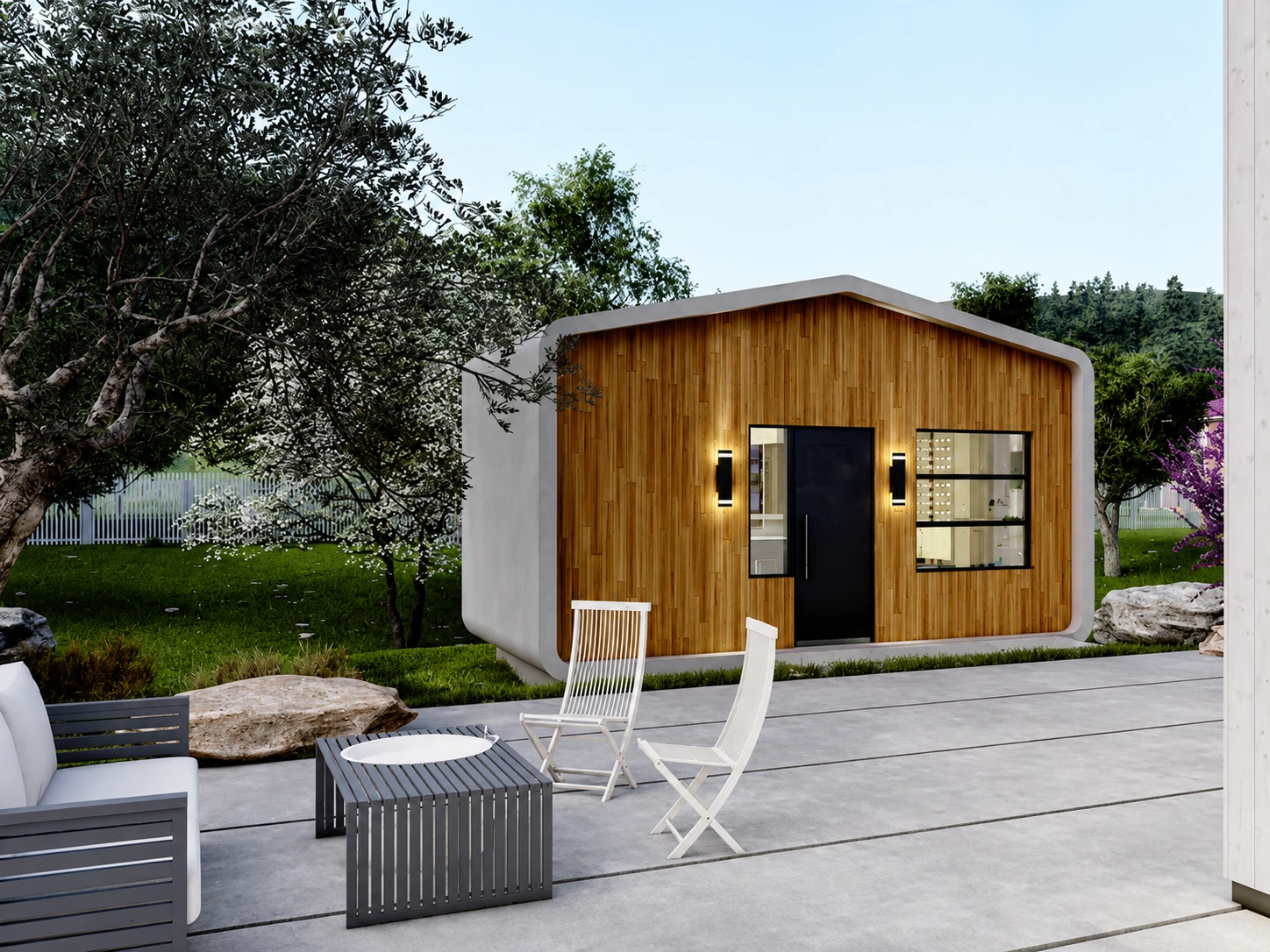
When people need more complete housing, a larger residential-style unit may be the better fit. These units can include sleeping areas, kitchens, bathrooms, and more complete utility systems.
This path usually needs more planning, but it can also create more value. A complete unit can support families, longer stays, recovery housing, supportive housing, or permanent pathways after the emergency phase.
For communities trying to move people from crisis into stability, this can be the stronger long-term option.
Building Systems for Larger Emergency Housing Projects
For cities, counties, developers, architects, general contractors, and housing partners, emergency housing may need to scale beyond a few units.
This is where industrialized building systems can help. Light-gauge steel, high-performance panels, factory fabrication, and repeatable layouts can support larger projects with more predictable delivery.
A larger emergency housing project may include:
- Interim housing for people experiencing homelessness
- Disaster recovery housing
- Workforce housing after displacement
- Supportive housing campuses
- Small-home communities
- Multifamily or missing-middle housing
- Replacement housing after fire or flood damage
The building system should support speed, but it should also support durability. Colorado weather does not care that a project is urgent.
Site Planning Comes Before Delivery
A modular unit can be built quickly, but the site still has to be ready.
This is where many emergency housing projects slow down. The structure may be available, but the land is not prepared. Utilities are unclear. Drainage has not been solved. Fire access is missing. The delivery route is too tight. Permits are not aligned.
Good emergency building starts with the site.
Before units arrive, communities should review:
- Land ownership or site control
- Zoning and allowed use
- Building and placement requirements
- Fire access and emergency vehicle routes
- Water, sewer, and power connections
- Stormwater and drainage
- Grading and foundation needs
- ADA access where required
- Parking and pedestrian paths
- Trash, maintenance, and service access
- Long-term operations
This may not sound exciting, but it is what keeps a fast project from becoming a messy one.
Trying to skip site planning usually costs time later.
Permits Still Matter, Even in an Emergency
Emergency housing can move quickly, but it still has to follow the right approval process.
Colorado cities and counties may have different rules for temporary housing, modular units, manufactured housing, homes on wheels, accessory dwelling units, and emergency shelters. A unit that works in one location may need a different approval path in another.
That is why early coordination is important.
Local officials, fire departments, utility providers, planning departments, and housing partners should be brought in before the project is too far along. It is much easier to adjust the plan early than to redesign the project after the units are ready.
This does not mean every project has to move slowly. It means the process should be clear.
Emergency building works best when the approval path, site plan, and housing model are moving together.
Building for Colorado Conditions
Colorado can be beautiful, but it is not always gentle.
Emergency housing may need to handle snow, wind, sun, temperature swings, mountain conditions, wildfire risk, and heavy seasonal use. A unit that looks fine on paper still needs to perform in the real setting.
That means communities should think about:
- Insulation and thermal performance
- Heating and cooling
- Fire resistance
- Durability
- Moisture control
- Wind exposure
- Roof load where relevant
- Utility protection in cold weather
- Maintenance over time
Emergency does not mean short-sighted. In some places, the emergency phase may last months or even years. The housing should be ready for that.
Final Thoughts
Getting emergency housing in Colorado starts with local support if the need is personal and immediate. Call 2-1-1, contact local providers, ask about coordinated entry, and check disaster recovery resources if the situation is tied to a fire, flood, or other emergency.
But the bigger answer is about building.
Colorado needs more safe places that can be delivered faster. Shelters, transitional units, disaster recovery housing, supportive housing, and modular communities all depend on one basic thing: available space.
Emergency building helps create that space.
When the site, model, approvals, utilities, and operations plan all line up, modular housing can help communities respond faster without treating people like an afterthought. That is the goal. Not just more units, but better places to land when life gets disrupted.
Ready when it matters. Built for what comes next.