Affordable housing sounds like a simple topic until you start looking closely. One list says one state is cheapest. Another says a different state is best for buyers. Another focuses on rent, income, new home construction, or cost of living. So the real answer depends on what you mean by affordable.
If we are talking about home prices alone, states like West Virginia and Mississippi often rise to the top. If we are talking about home prices compared with local income, Iowa is one of the strongest answers. If we are looking at affordability plus homebuilding activity, Indiana has recently stood out as one of the best-balanced states.
That is the practical answer. There is no single state that wins every version of the question.
At Azure Printed Homes, we look at housing affordability in the same grounded way we look at small homes, ADUs, and modular living spaces. The price of the structure matters. Of course it does. But the land, permits, utilities, delivery, local rules, insurance, taxes, and actual use matter too. A lower-cost home does not help much if the site cannot support it or the local rules do not allow the plan.
So instead of asking only, “Which state has the most affordable housing?” it helps to ask, “Which state gives people a realistic path to housing they can actually use?”
That is where the conversation gets more useful.
The Short Answer: It Depends on the Measure
If you want the cleanest possible answer, here is a practical way to break it down:
- Iowa is one of the strongest states for pure housing affordability when home prices are compared with local income
- Indiana is one of the strongest overall states when affordability and homebuilding activity are considered together
- West Virginia often has some of the lowest typical home values in the country
- Mississippi, Oklahoma, Arkansas, Kansas, and Ohio also tend to show up in affordability conversations
- California, Hawaii, New York, Massachusetts, and other high-cost states usually sit on the other side of the affordability chart
That does not mean everyone should move to Iowa, Indiana, or West Virginia. Housing is personal. Jobs matter. Family matters. Climate matters. Taxes matter. A state can look great on paper and still be the wrong fit for someone’s life.
But if we are looking at where housing dollars tend to stretch further, the Midwest and parts of the South usually deserve a serious look.
Why “Affordable” Is Not the Same as “Cheap”
A cheap home and an affordable home are not always the same thing.
A state can have low home prices because demand is lower, wages are lower, jobs are more limited, or the population is spread out. That does not automatically make it a bad choice. It just means the number on the listing is only part of the story.
A home becomes affordable when the full cost fits the buyer’s income, lifestyle, and long-term plan. That includes the mortgage or rent, but also everything around it.
Real affordability usually includes:
- Home price or monthly rent
- Local income levels
- Mortgage rates
- Property taxes
- Home insurance
- Utility costs
- Maintenance
- Transportation
- Job access
- Local building rules
- Availability of homes people can actually buy
This is why some states with very low home prices may not feel as affordable as expected. If income is also low, the savings can shrink. If insurance is high, that changes the monthly cost. If the home is far from work, transportation can quietly eat into the budget.
Affordable housing is not only about getting a low number. It is about getting a workable number.

States That Stand Out for Different Reasons
There is no single state that wins every version of the affordability question. It depends on whether we are looking at home prices, local income, housing supply, or the full cost of living. Still, a few states come up often because they solve different parts of the affordability puzzle.
Iowa: Strong Price-to-Income Balance
Iowa is one of the clearest answers when affordability is measured against local income. Home prices are relatively moderate, and many households have a better chance of keeping the monthly payment within reach.
That balance matters. A $280,000 home does not mean the same thing in every state. In one market, it can feel impossible. In another, it may be much closer to what local buyers can manage.
Iowa also offers a quieter kind of affordability. It has smaller cities, suburban options, and rural areas where land can still be more accessible. Buyers should still compare local areas carefully, though. Des Moines is not the same as a small town, and a rural property is not the same as a suburban lot.
Indiana: A Strong Overall Housing Outlook
Indiana stands out when the question includes both affordability and housing supply. That second part is important.
A state can look affordable today but become harder to buy in if it does not build enough homes. When demand grows and supply stays tight, prices usually rise.
Indiana tends to offer a practical mix of moderate home prices, reasonable income-to-price balance, active homebuilding, and a range of cities, suburbs, and smaller communities. That makes it a strong overall answer, not just a low-cost one.
For buyers, this means more possible entry points. For developers, it means the market may have more room to support new housing.
West Virginia and Mississippi: Lower Home Prices
If the focus is simply the lowest home prices, West Virginia and Mississippi often appear near the top. These states can offer home values far below the national average, which can be appealing for buyers who want a smaller mortgage or more land for the money.
But low price is not the whole story. Lower-cost states may also come with lower wages, fewer job options in certain industries, older housing stock, or more rural access challenges.
A lower-cost home can still make sense when the buyer has stable work, the area fits daily life, the home is in good condition, and taxes, insurance, utilities, and resale demand are understood early.
The better deal is not always the cheapest house. It is the home that fits the budget, the location, and the way people actually plan to live.
States That Often Offer More Room for the Budget
No list is perfect, but a few states come up again and again in housing affordability conversations. They may not all win the same category, but they are worth watching.
| State | Why It Often Looks Affordable | What Buyers Should Still Check |
| Mississippi | Low home prices in many areas | Income levels, insurance, and local services |
| Kansas | Favorable price-to-income balance | Weather risk, insurance, and local supply |
| Ohio | Moderate home prices and many metro options | Neighborhood-level demand and tax differences |
| Oklahoma | Lower home prices and cost of living in many areas | Storm risk, insurance, and utility costs |
| Arkansas | Lower home values and room for land | Infrastructure, job access, and local rules |
| South Carolina | Strong building activity in many areas | Growth pressure, insurance, and coastal risk |
| Texas | Lots of building and many market options | Property taxes, insurance, and fast price changes |
This table is not a final ranking. It is a starting point. The right state depends on the buyer’s income, financing, work situation, and the type of home they want.
The Most Affordable State for Renters May Be Different
Buying and renting do not always follow the same pattern.
Some states have lower home prices but limited rental supply. Others have larger rental markets but higher monthly rents in growing cities. A college town, military town, tourism area, or fast-growing metro can have rental pressure even in a state that looks affordable overall.
Renters should look at different questions than buyers.
Instead of only asking where homes are cheapest, renters should ask:
- How much is the typical rent for the size I need?
- Are rents rising quickly?
- Is there enough rental supply?
- Are utilities included or separate?
- How much will I spend on transportation?
- Are jobs close enough to make the rent work?
- Does the area have stable long-term housing options?
For renters, affordability is often about monthly pressure. A lower rent can help, but not if it comes with a long commute, unreliable housing, or limited work options.
Why Housing Supply Matters More Than People Think
Housing affordability is not only about what homes cost today. It is also about how many homes are being built.
When a state or city builds too little housing, prices tend to rise faster. Buyers compete for fewer homes. Renters compete for fewer units. Smaller households, first-time buyers, seniors, and working families often feel that pressure first.
This is why states with stronger building activity can have a better long-term affordability outlook. They are not automatically cheap, but they may be doing more to keep up with demand.
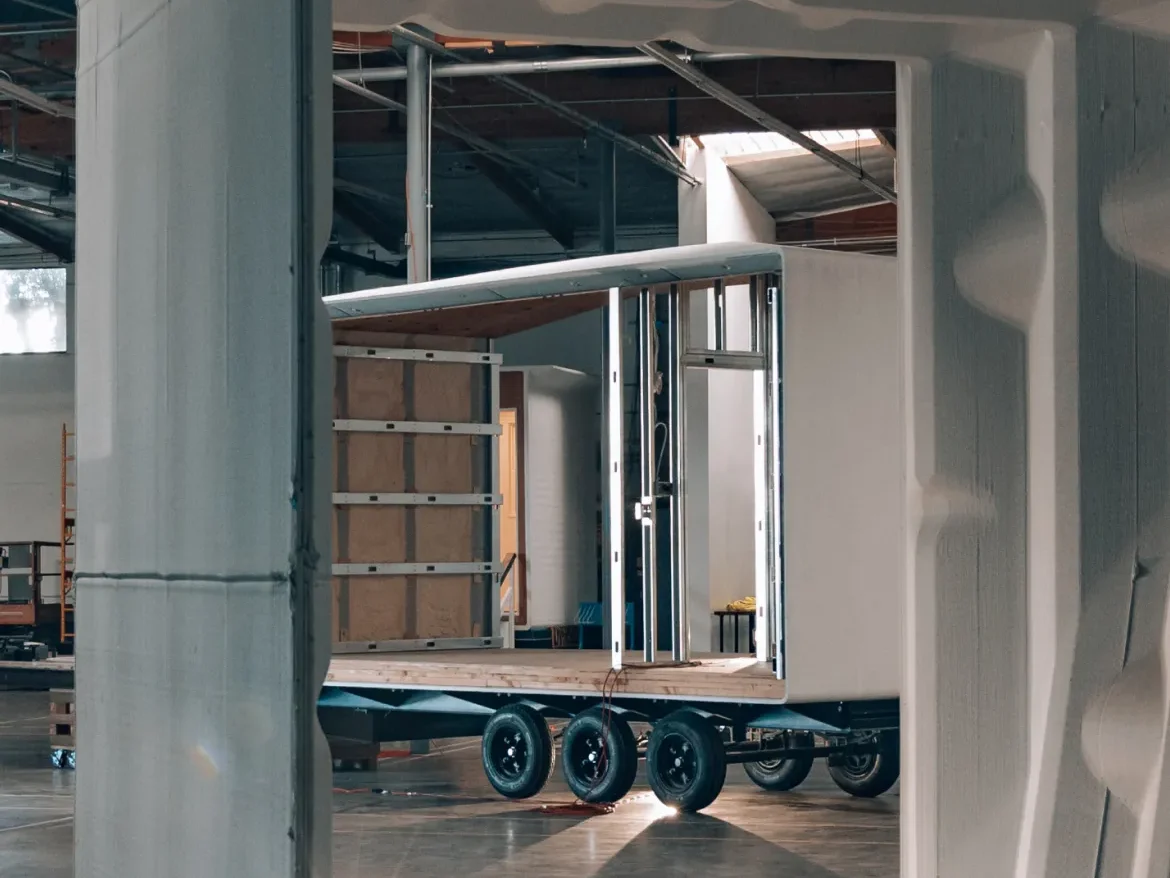
We see this same idea in modular housing and off-site construction. Building faster and more predictably can help, but it still has to work with local rules, site conditions, and real demand. A factory-built unit can simplify parts of the process, but it does not erase the need for land, utilities, permits, and planning.
Housing supply is practical. It is not just a policy phrase. It affects whether people can find a place to live without stretching too far.
Local Rules Can Change the Answer Completely
State rankings are useful, but housing decisions happen locally.
A state may be affordable overall, but one city inside that state may be expensive. Another city may be affordable but have strict zoning. A rural county may offer lower land prices but limited utility access. A suburb may allow ADUs. The next one over may not.
This is why the state name is never enough.
Before choosing a property or planning a build, it helps to check:
- Zoning rules
- Minimum lot size
- Setbacks
- Lot coverage limits
- Utility access
- Septic or sewer requirements
- Parking rules
- ADU rules
- Rules for homes on wheels
- Flood, fire, wind, or storm requirements
- HOA restrictions
- Delivery access
This part is not exciting, but it can save a project. A home that works well in one county may need a different plan in another.
Where Smaller Homes Fit Into the Affordability Conversation
Smaller homes can help with affordability, but only when they are used in the right way.
A smaller footprint can reduce the amount of material, labor, heating, cooling, maintenance, and site disruption needed. That can make a project more manageable. But smaller does not mean simple in every case. A compact home with a kitchen, bathroom, utilities, and residential use still needs proper planning.
This is why we separate small spaces by purpose.
A backyard studio is not the same as an ADU. A home on wheels is not the same as a foundation-based dwelling. A developer building multiple units has different needs than a homeowner adding a backyard space.
The category matters because the rules, budget, and use case change.
How Different Models Solve Different Space Needs
At Azure Printed Homes, we build different small-space formats because affordability is not one-size-fits-all. Some people need a real living space. Some need flexible extra room. Some want mobility. Some are planning larger housing projects.
Here is the practical way we would think about it.
Studio Series: Extra Space Without a Full Home Project
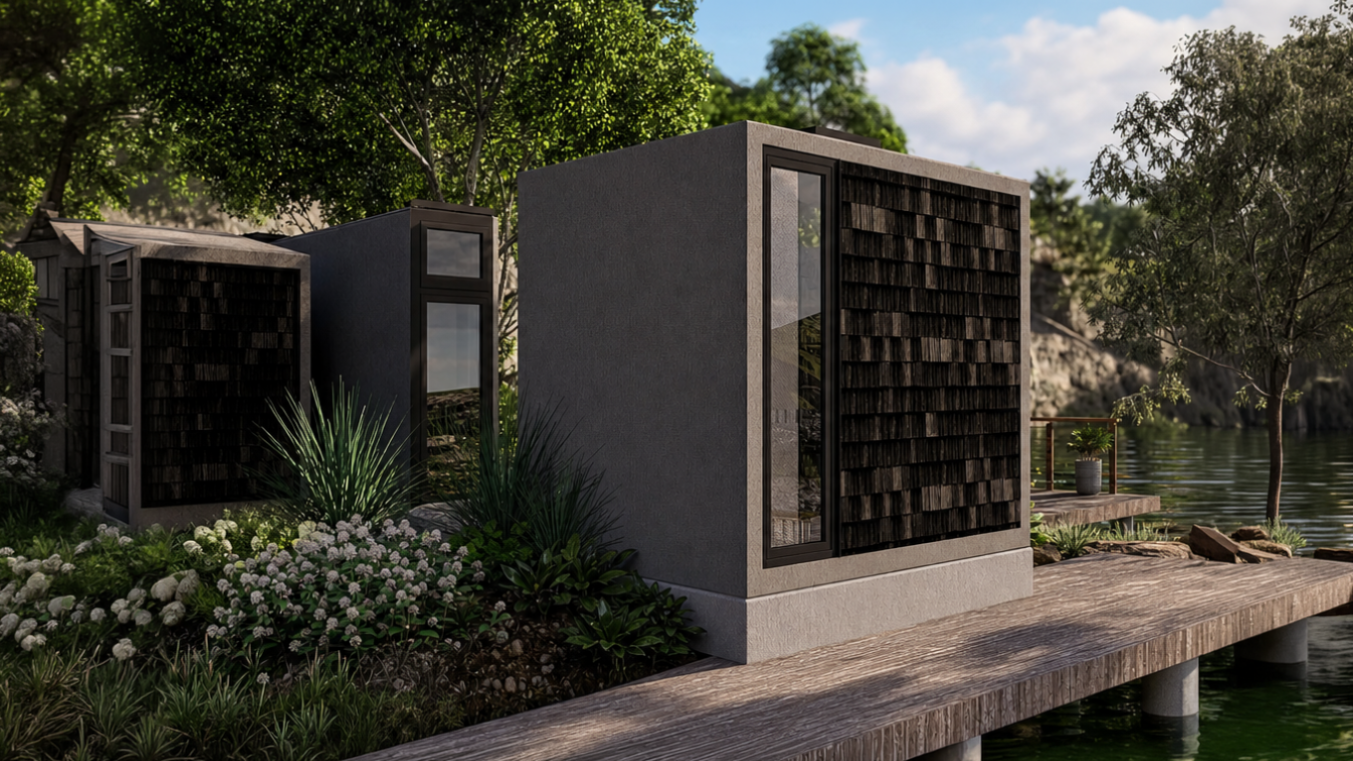
Our Studio Series is better for people who need a separate space, but not a full residential unit. That might mean a backyard office, creative room, hobby space, wellness room, or quiet area away from the main house.
This can support affordability in a different way. It may help someone avoid moving, avoid a larger renovation, or make better use of a property they already have.
It is not the right fit for every housing need. If someone needs a kitchen, bathroom, and full-time living setup, a studio is not the same as an ADU. But for practical extra space, it can be a simpler path.
X Series: Mobility With More Planning
Our X Series homes on wheels are built for people who want mobility and compact living. These models can make sense for certain parks, communities, travel-ready living, or flexible land use where local rules allow it.
The phrase “where local rules allow it” matters. A home on wheels still needs a legal place to go. It needs utility planning, access, and placement approval. Mobility can be useful, but it does not remove the need to check the rules.
For the right buyer and the right location, this category can create more flexibility than a traditional build.
Homes & ADUs: More Complete Residential Use
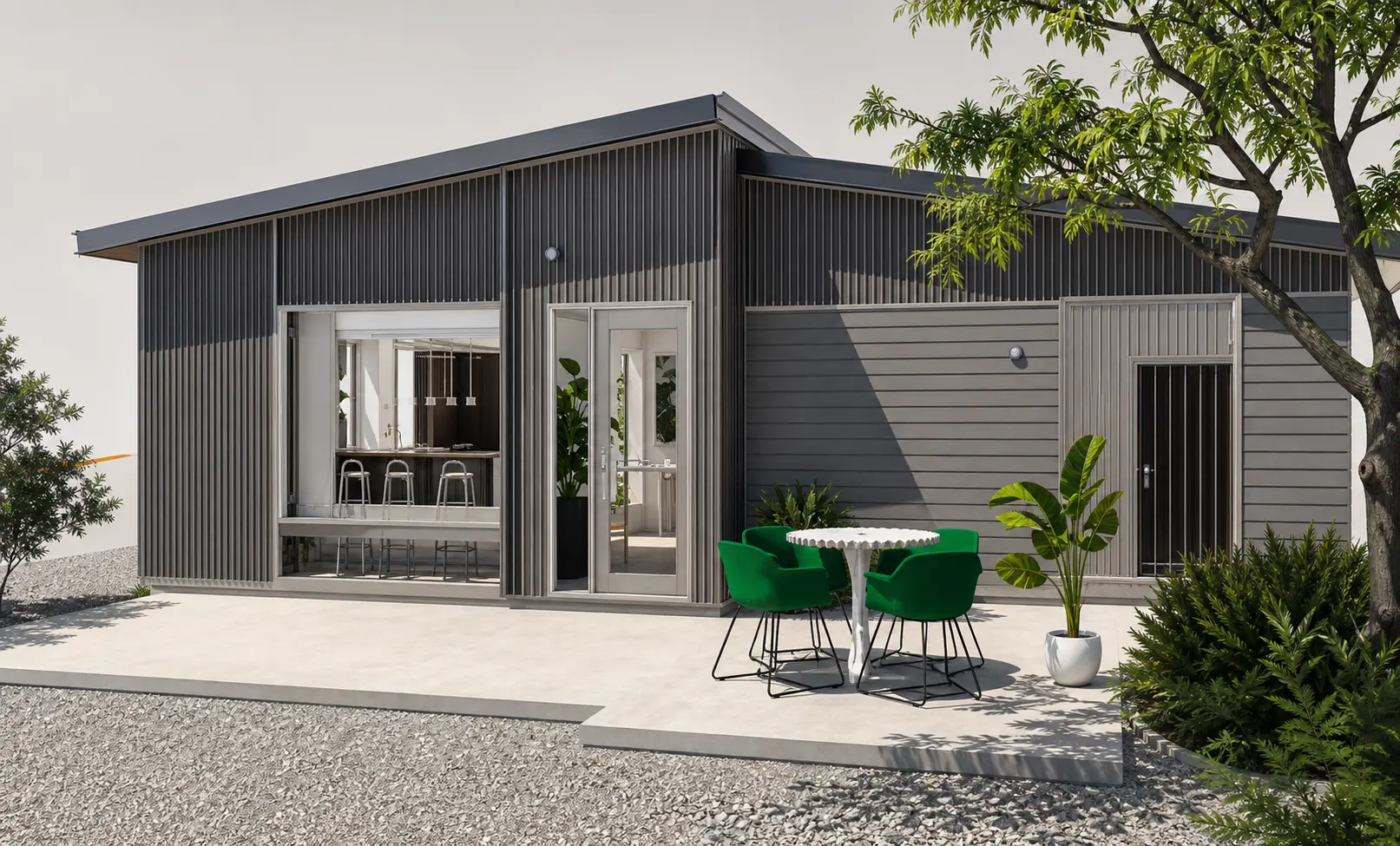
Our Homes & ADUs models are the better fit when the goal is more complete living space. These units are designed for family space, guests, rental potential where allowed, grandparents, adult children, or a more permanent backyard housing setup.
This category costs more than a small studio, but it also does more. It needs stronger planning around permits, utilities, foundation, drainage, access, and inspections.
For affordability, that can be a fair tradeoff. A well-planned ADU can help a property serve more people without buying a larger main home. It can also create rental potential in places where local rules allow it.
The Hidden Costs That Can Change the State Ranking
A state can look affordable until the hidden costs show up.
For buyers, the biggest surprises often come after the listing price. That is true for traditional homes, ADUs, homes on wheels, and small modular spaces.
Costs that can change the real number include:
- Property taxes
- Home insurance
- Flood, fire, wind, or storm coverage
- Utility connection fees
- Septic or sewer work
- Site grading
- Foundation needs
- Delivery access
- Permit fees
- Local impact fees
- Maintenance
- Heating and cooling
- Transportation
Insurance deserves special attention. Some lower-cost states also have weather risks. Tornadoes, hurricanes, flooding, hail, wildfire, and extreme heat can all affect the long-term cost of ownership.
That does not mean those states should be avoided. It means the full monthly cost needs to be checked before calling a place affordable.
So, Which State Has the Most Affordable Housing?
If we had to simplify the answer, we would put it this way:
Iowa is one of the strongest answers for pure affordability. Home prices compared with income tend to work better there than in many other states.
Indiana is one of the strongest answers for overall housing affordability and supply. It combines reasonable pricing with a healthier homebuilding picture.
West Virginia is one of the strongest answers for the lowest typical home values. For buyers focused mainly on purchase price, it is hard to ignore.
But the best state for affordable housing is not always the cheapest state. It is the state where the numbers, the rules, the job situation, and the home type all work together.
That is why the answer changes from person to person.
What Buyers Should Do Before Choosing a State
Before making a move or buying land, it helps to slow the decision down into a few practical steps.
- First, check income against the real monthly payment, not just the home price. A low listing price can still be a stretch once taxes, insurance, utilities, and maintenance are included.
- Second, look at the local area, not only the state average. Statewide data can hide expensive cities and affordable smaller towns.
- Third, check whether the housing type you want is allowed. This matters for ADUs, tiny homes, homes on wheels, backyard studios, and modular units.
- Fourth, understand the site. Land that looks affordable may need expensive grading, utility work, septic systems, road access, or drainage improvements.
- Fifth, think about the next five to ten years. A home should work beyond the first month after move-in. It should fit the way people live, work, host family, and handle change.
Conclusion
The state with the most affordable housing depends on how affordability is measured. Iowa is a strong answer for price-to-income affordability. Indiana stands out when affordability and homebuilding are considered together. West Virginia often leads when the focus is simply lowest home values.
But housing decisions should not stop at a ranking.
A real project needs land that works, rules that allow the use, utilities that can be connected, and a budget that includes more than the starting price. This is especially true for smaller homes, ADUs, homes on wheels, and modular living spaces.
At Azure Printed Homes, we care about affordability in that practical sense. A home should not only cost less on paper. It should make sense on the property, fit the local rules, support the people using it, and avoid unnecessary waste where possible.
The most affordable state is not just the one with the lowest prices. It is the place where a real housing plan can come together without getting lost in costs, delays, or rules that were missed too late.