Affordable housing can sound like a big policy phrase, but the idea behind it is simple. It is about helping people live in homes they can actually afford without stretching every paycheck too far.
An affordable housing program may help with rent, support first-time buyers, create lower-cost homes, or help communities build more housing where it is needed. Some programs are run by cities or counties. Some are managed by housing agencies, nonprofits, developers, or public-private partners.
The details change from place to place, but the goal usually stays the same: make safe, decent housing more reachable.
This matters because affordable housing depends on more than rent. It also depends on how homes are built, how much the full project costs, how fast the home can be delivered, and whether the site can support it. At Azure Printed Homes, we focus on that practical side of housing. A better building process can help homeowners, cities, and development partners create more usable housing options with less waste and more predictability.
Affordable Housing Is About More Than Low Rent
Affordable housing usually means housing that costs a reasonable share of a household’s income. That sounds clear enough, but real life is rarely that neat.
A rent that feels manageable in one city may be impossible in another. A senior on a fixed income may need a different kind of support than a young family. A teacher, nurse, service worker, student, or first-time buyer may earn too much for one program and still not enough for local market prices.
That gap is where affordable housing programs come in.
The goal is not just to make housing cheaper. Cheap housing can still be unsafe, poorly located, too small, or expensive to maintain. A stronger goal is practical affordability. The home should be livable, legally placed, connected to utilities, and realistic for the person or family using it.
A good program may consider:
- Household income
- Family size
- Local housing costs
- Accessibility needs
- Utility costs
- Transportation
- Long-term stability
- Whether the home can stay affordable over time
That is why affordable housing is not one single thing. It is a mix of people, policy, land, construction, money, and timing.
Who These Programs Usually Help
Affordable housing programs can serve many different groups. They are not only for one type of household.
Some programs help very low-income renters. Others support moderate-income households that cannot keep up with local housing costs. Some are built for seniors, veterans, people with disabilities, students, farmworkers, public employees, or families moving out of temporary housing.
Most programs look at income first, but income is not always the only factor. Household size, location, assets, rental history, current housing need, and program availability may also matter.
This is where people can get frustrated. Someone may qualify for one program but not another. A household may fit the income limit but still face a long waitlist. A person may assume they do not qualify and never apply, even though one local program could be a fit.
It helps to think of affordable housing as a set of doors. Each door has its own rules. The first step is figuring out which doors are actually open.
Common Types of Affordable Housing Programs
Affordable housing programs are not all built the same way. Some help renters directly. Some help buyers. Some help builders or cities create more homes.
Rental Assistance
Rental assistance helps households pay part of their rent. The renter may pay a portion based on income, while the program covers the rest up to certain limits.
This can help people stay housed without forcing them into one specific building. The hard part is availability. In many areas, demand is much higher than the number of available vouchers or rental support slots.
Income-Restricted Apartments
Some apartments reserve units for households below a certain income level. The rent is usually set below market rate, and applicants need to show that their income fits the program.
These buildings may be owned by private developers, nonprofits, housing authorities, or other partners. From the outside, they may look like any other apartment community. The difference is in the rent structure and eligibility rules.
Public Housing
Public housing is usually owned or managed by a housing authority or public agency. It is often designed for lower-income households, seniors, or people with disabilities.
The application process can be detailed, and wait times vary a lot by location.
Affordable Homeownership Programs
Some programs help people buy a home through down payment assistance, lower-interest loans, shared equity models, or price-restricted homes.
These can be useful for buyers who have steady income but cannot handle the upfront cost of buying. The details matter, though. Some homes have resale limits so the property stays affordable for the next buyer too.
Developer and Community Housing Programs
Not every program goes directly to the renter or buyer. Some programs help create affordable homes by supporting developers, nonprofits, or local governments.
This may include tax credits, density bonuses, fee reductions, public land partnerships, or funding for specific housing projects. These programs are less visible to the average applicant, but they matter because someone still has to build the homes.
Why Affordable Housing Is So Hard to Find
People often think affordable housing is hard to find because the application process is confusing. That is true, but it is only part of the issue.
The bigger problem is supply. Many communities simply do not have enough homes people can afford. When demand is high and available units are limited, even a good program can have long waitlists.
Housing also takes time to create. Land has to be found. Local approvals have to be handled. Designs need to meet code. Utilities have to be planned. Construction has to be financed, built, inspected, and finally occupied.
That is a long path.
If construction is slow, expensive, unpredictable, or wasteful, affordability becomes harder to protect. When a project runs over budget, the final homes may need higher rents, more subsidy, or more time before anyone can move in.
This is where the building method matters.
Where Smarter Building Fits Into the Picture
Affordable housing is often discussed as a funding issue. Funding is important, of course. But the way homes are built also affects cost, speed, waste, and predictability.
Traditional construction can involve long on-site timelines, weather delays, material waste, and many moving parts. That does not mean it is wrong for every project. It does mean communities need more tools when housing demand is urgent.
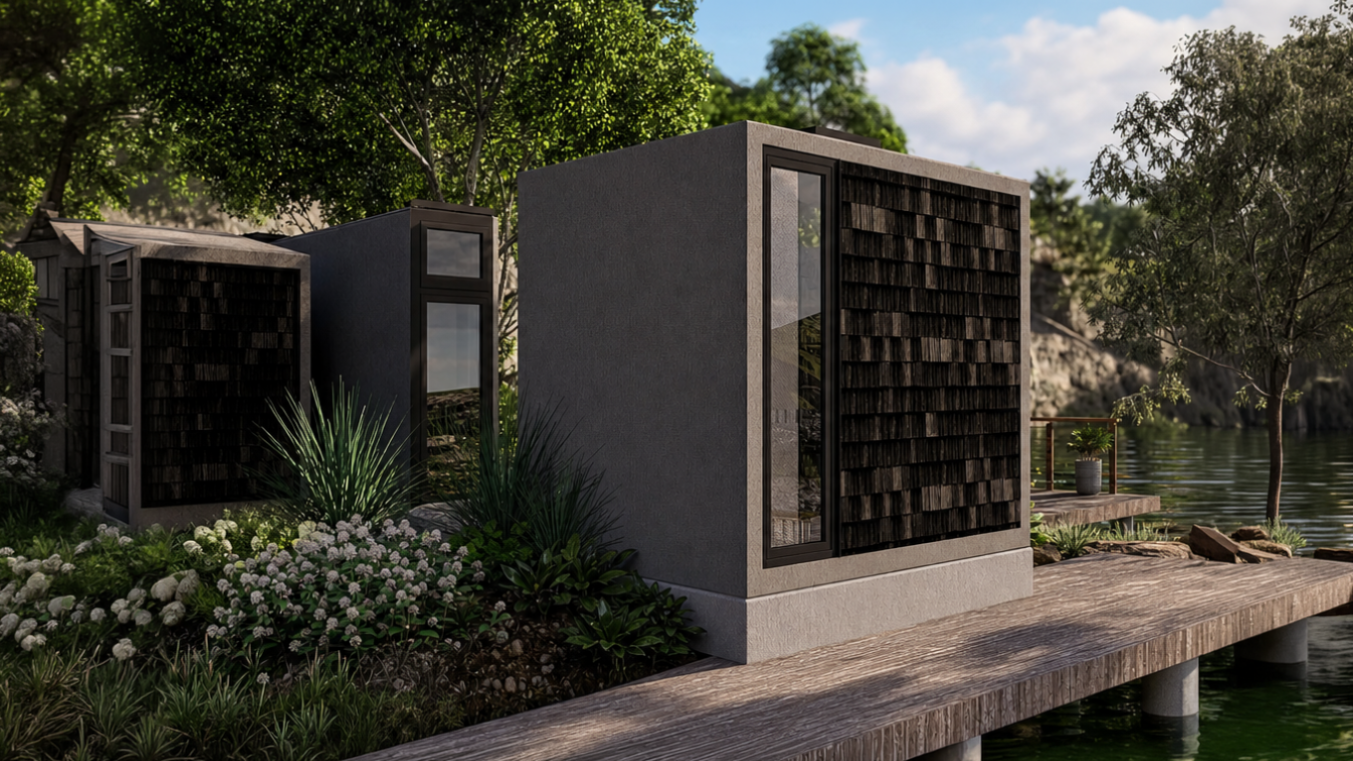
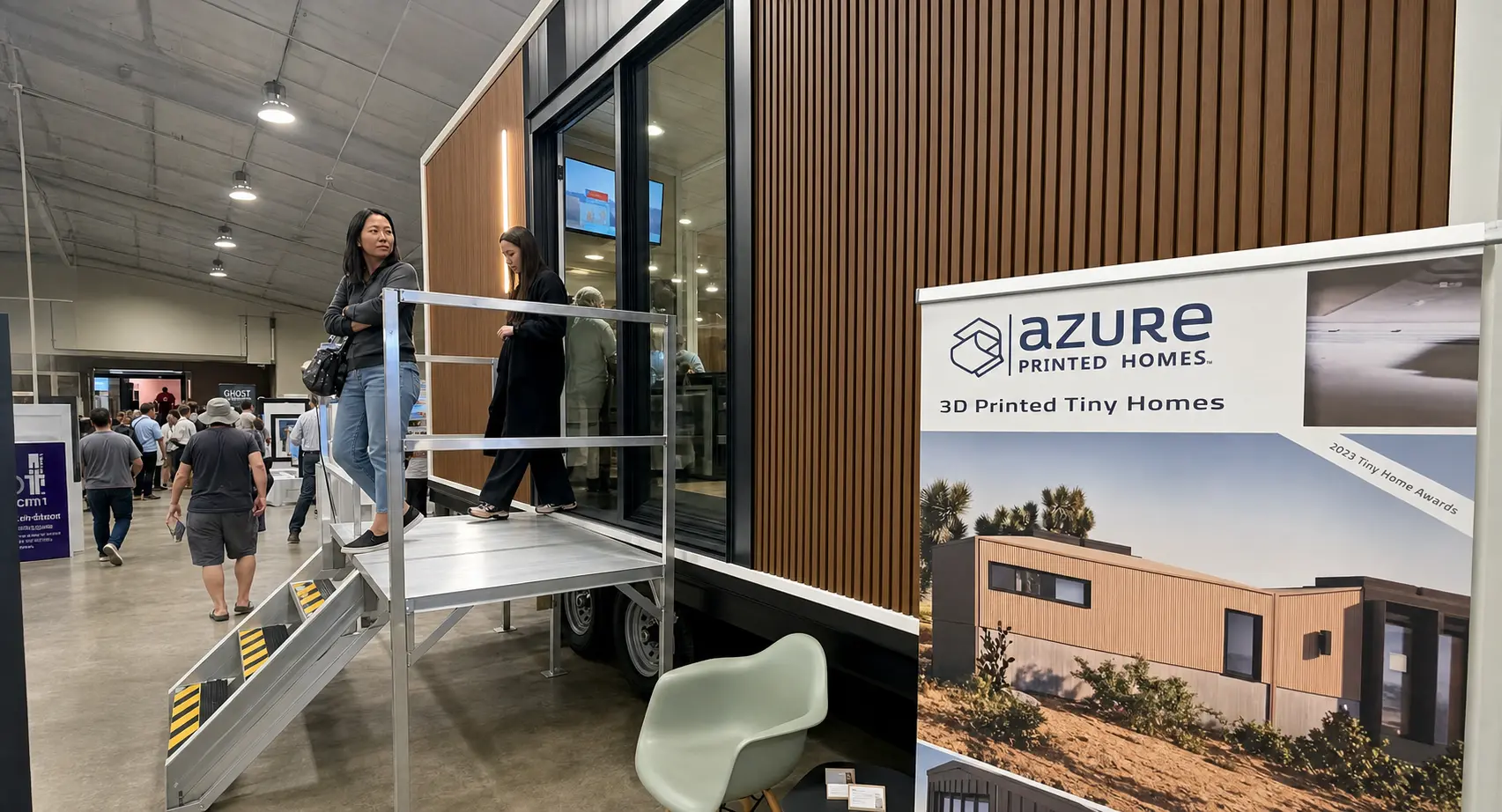
At Azure Printed Homes, we approach this from the manufacturing side. Our homes are robotically printed with recycled materials, then finished with the needed systems and interior details before delivery. The structural shell can be printed quickly, and much of the work happens in a controlled environment.
Predictability Helps the Budget
Affordable housing projects need clear numbers. Surprises can hurt the whole plan.
A more controlled building process can help reduce material waste, shorten timelines, and make production easier to plan. That can matter for homeowners, cities, nonprofits, and developers trying to create housing at a reachable cost.
The Site Still Matters
Smarter construction does not erase the need for site planning. The land still has to work.
Permits, foundation, grading, drainage, delivery access, utility connections, and inspections can all affect the final cost and timeline. A home can be well designed and still run into problems if the site is not ready for it.
The best projects look at both sides: the unit and the land around it.
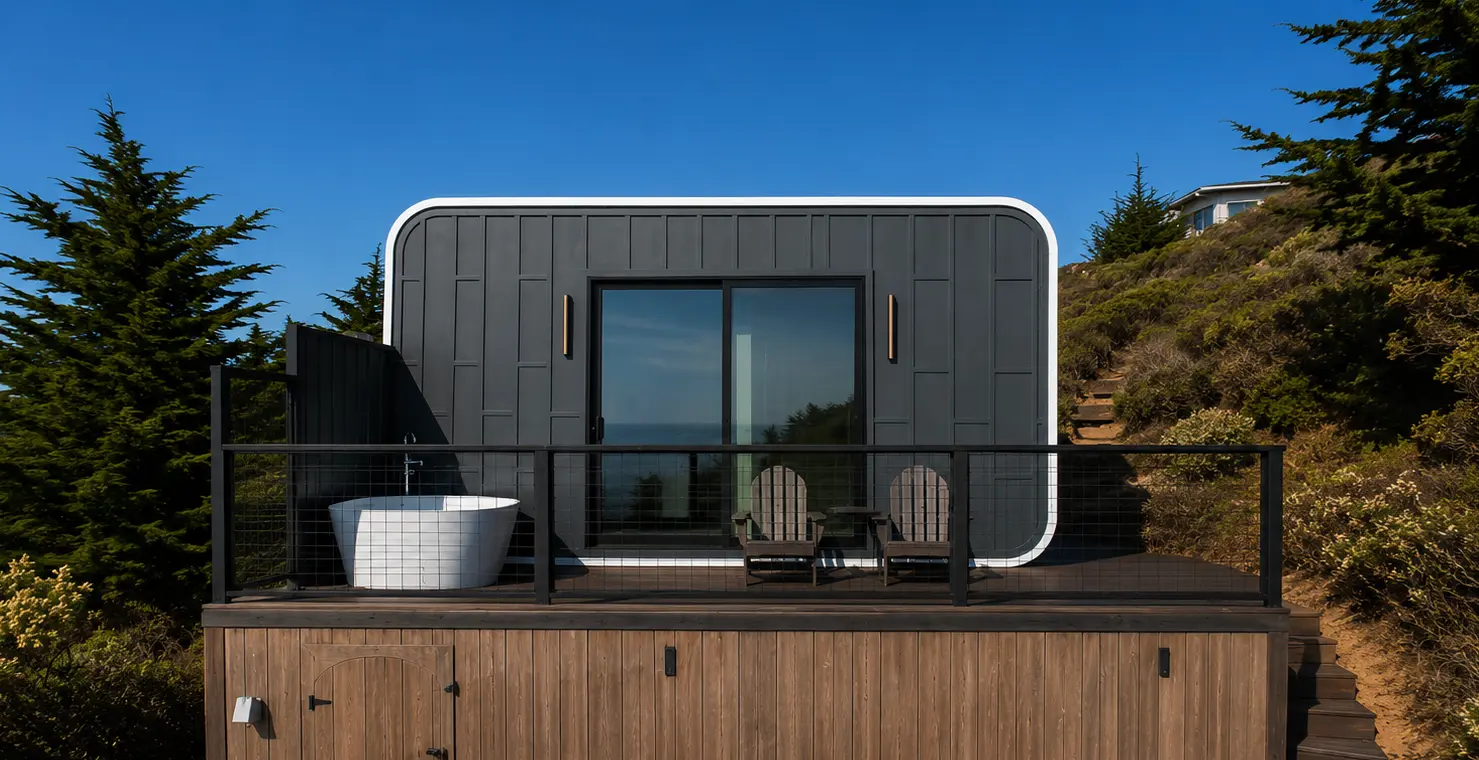
Where Modular Homes Fit Into Affordable Housing
Modular homes can support affordable housing because much of the building happens off-site. That can help shorten long construction timelines and make the process easier to plan.
For housing programs, modular construction may support:
- Backyard ADUs for family housing or rental use where allowed
- Small homes on infill lots
- Repeatable units for community housing
- Interim housing for people who need shelter quickly
- Workforce housing near job centers
The key is matching the model to the use. A backyard studio is not the same as a full residential unit. A home on wheels is not the same planning path as an ADU. A larger multifamily project has different needs than one home in a backyard.
ADUs for Added Housing on Existing Lots
ADUs can add housing without needing a large new development site. They are smaller homes placed on a property that already has a main home, and depending on local rules, they may be used for family, guests, caregivers, or rental housing.
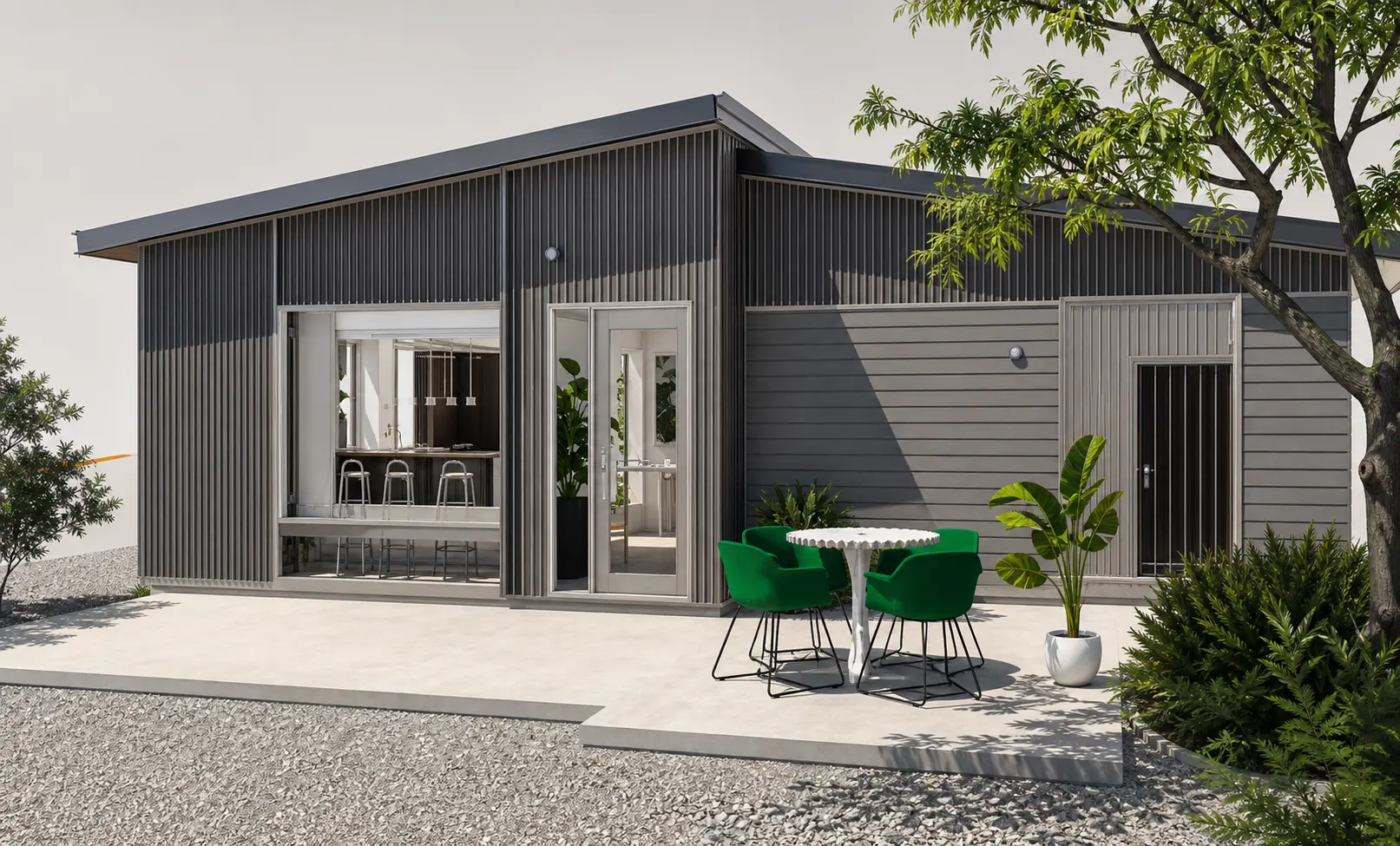
Our Homes & ADUs models are built for more complete living uses, with kitchen, bathroom, sleeping space, and utility planning. They can be useful for a parent, adult child, guest, caregiver, or rental use where allowed.
Still, an ADU should not be squeezed into a yard just because it fits on paper. Privacy, access, utilities, drainage, maintenance, and local rules all matter. A good ADU should make the whole property work better.
Different Small Spaces Solve Different Problems
Affordable housing conversations can get messy when every small structure is treated the same way.
Our Studio Series is best for flexible extra space, such as work, hobbies, wellness, or creative use. It is not the same as a full housing unit with a kitchen and bathroom.
Our X Series homes on wheels are designed for mobility and comfort. They can work for certain properties, parks, glamping settings, or communities where that type of placement is allowed. But a home on wheels still needs a legal place to go.
Our Homes & ADUs are a good fit when the goal is more permanent living space, family housing, guest use, or rental potential where local rules support it.
The best solution is the one that fits the land, the rules, the budget, and the people who will actually use it.
What Communities Should Think About
For cities, counties, nonprofits, and housing partners, affordable housing is not only about helping people apply. It is also about creating enough places to live.
That means asking practical questions early.
Where can homes be placed? Can utilities reach the site? Are the local rules clear? Can the project be repeated? Can construction happen fast enough to meet the need? Will the homes stay durable and comfortable over time?
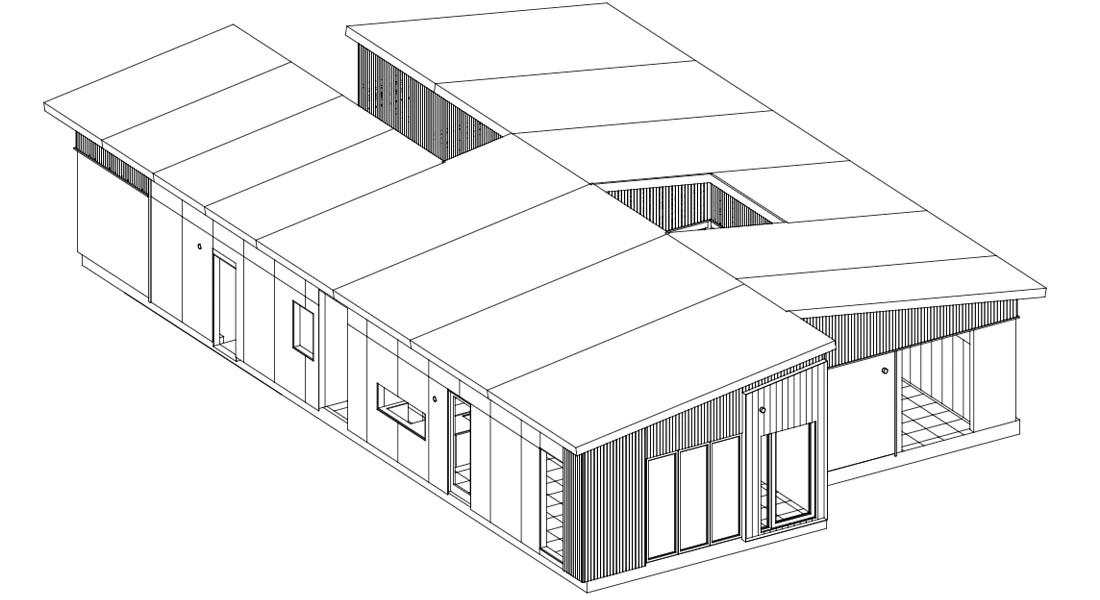
Our professional building systems are built for larger-scale and repeatable projects, including multifamily, infill housing, missing middle housing, wildfire-prone areas, mountain communities, and interim housing. These projects still need strong planning, code review, and local coordination. But a more predictable building system can give communities another way to think about delivery.
Affordable housing needs both care and logistics. People need homes, but homes also need land, approvals, utilities, delivery plans, and long-term maintenance.
Conclusion
An affordable housing program helps people access housing they can realistically afford. It may support renters, buyers, seniors, families, workers, or people who need housing stability. It may also help communities create more homes through partnerships, funding, and better planning.
The exact rules depend on the program and the location. That is why it helps to check eligibility, gather documents early, and understand what type of housing support fits the situation.
For us at Azure Printed Homes, the bigger conversation is also about how homes are made. Faster production, recycled materials, less waste, controlled fabrication, and thoughtful modular design can all play a role in making housing more practical.
No single program or building method solves the housing shortage. But when smarter construction lines up with the right land, the right rules, the right funding, and the right community need, affordable housing becomes less abstract. It becomes a real place where people can live.