Housing affordability is not one small problem. It is land, labor, materials, timelines, permitting, financing, utilities, and the way homes are built in the first place. When all of those pieces get expensive at the same time, the final price can move out of reach fast.
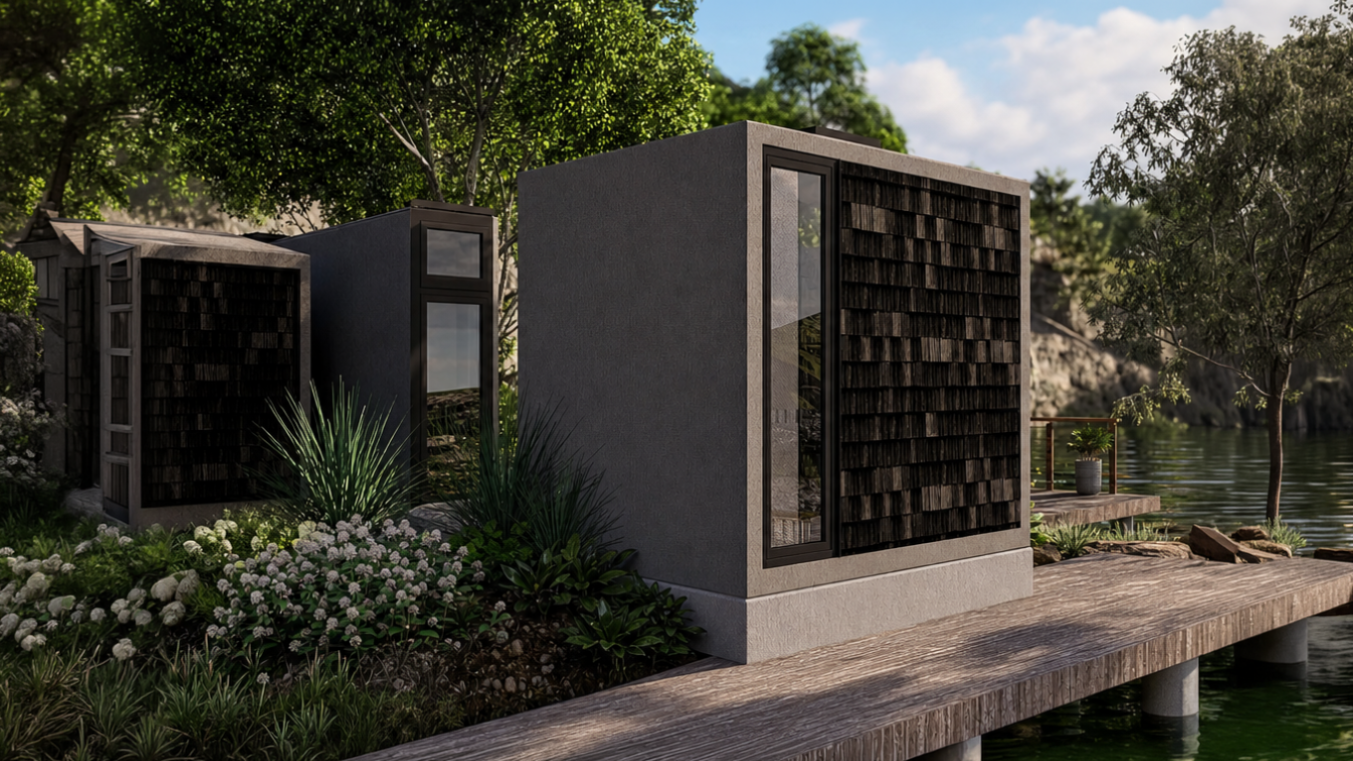
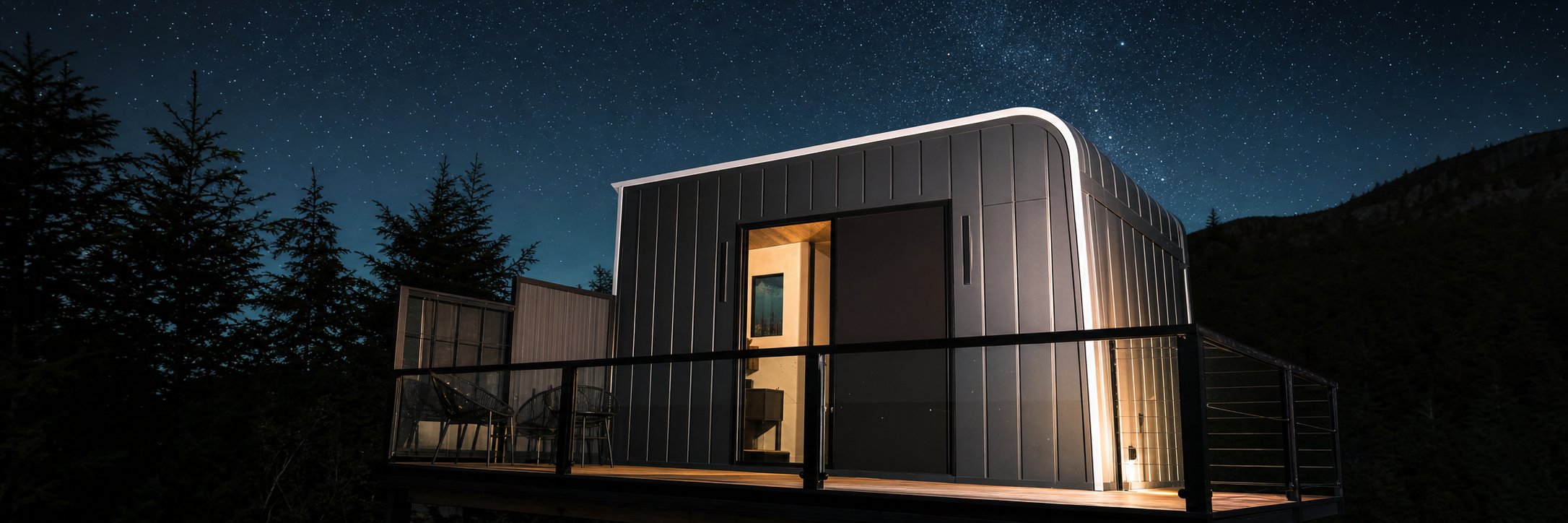
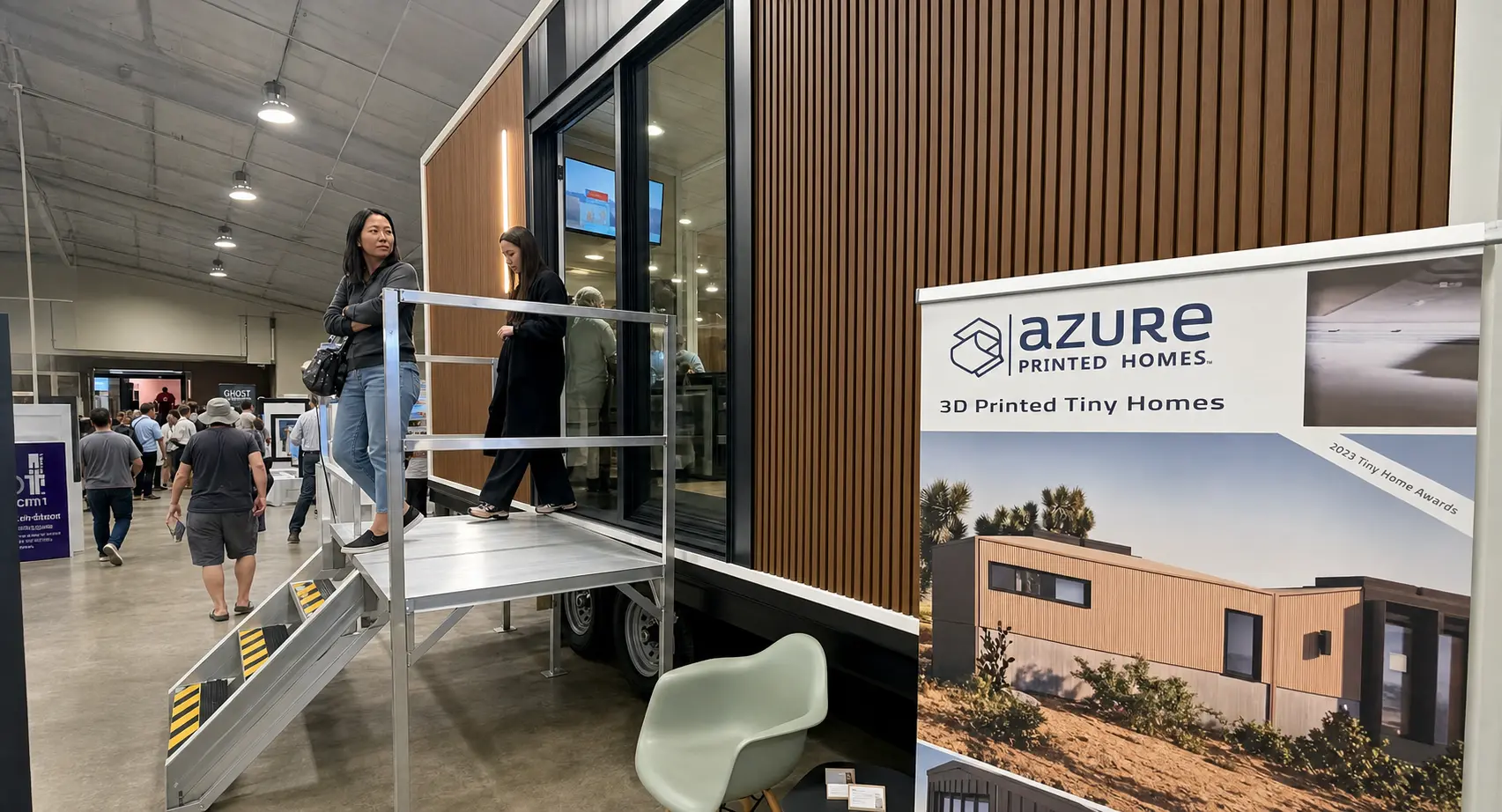
At Azure Printed Homes, we work on this from the building side. We make future-focused modular living spaces using robotic 3D printing, recycled materials, and a more controlled production process. That does not solve every housing challenge overnight. No single product does. But it can help reduce waste, shorten build timelines, and make some parts of the process more predictable.
A more affordable home still needs to be a real home. It needs comfort, performance, thoughtful design, and a clear path for where it will go. Whether the project is an ADU, a small backyard studio, a home on wheels, or a larger housing development, the goal should be simple: build smarter, plan earlier, and avoid spending money on problems that could have been solved before construction started.
Affordability Starts Before Construction Begins
A lot of money can be lost before construction even starts.
That usually happens when the project is not clearly defined. A unit is chosen before the property is reviewed. A floor plan is selected before the use is clear. Utilities are pushed to later. Permits are seen as paperwork instead of part of the planning process.
That is how small projects become expensive projects.
Start With the Use
The first question should not be “Which model looks best?” It should be “What does this space need to do?”
A backyard studio, a home on wheels, and an ADU do not solve the same problem. They also do not follow the same planning path.
A useful early review should ask:
- Who will use the space?
- Will it be used daily, seasonally, or part-time?
- Does it need a kitchen, bathroom, and sleeping area?
- Will it be used for family, guests, work, rental potential, or mobility?
- Does the property allow that use?
These questions are not exciting, but they save money. They help people avoid paying for too much space or choosing a unit that cannot legally support the intended use.
Check the Property Early
The property matters just as much as the structure.
A flat, open yard with nearby utilities is very different from a tight lot with slope, drainage issues, long utility runs, fences, trees, or limited access. The same unit can be simple on one site and much more complicated on another.
Before the project gets too far, it helps to review zoning, setbacks, delivery access, utility connections, foundation needs, drainage, and local approvals. Good planning does not make the project less exciting. It makes the project more real.
Build the Right Size, Not the Biggest Size
One of the most practical ways to make housing more affordable is to stop assuming every home has to be large.
More square footage means more structure, more materials, more labor, more finishes, more heating and cooling, and often more permit complexity. Sometimes a larger home makes sense. Sometimes it does not.
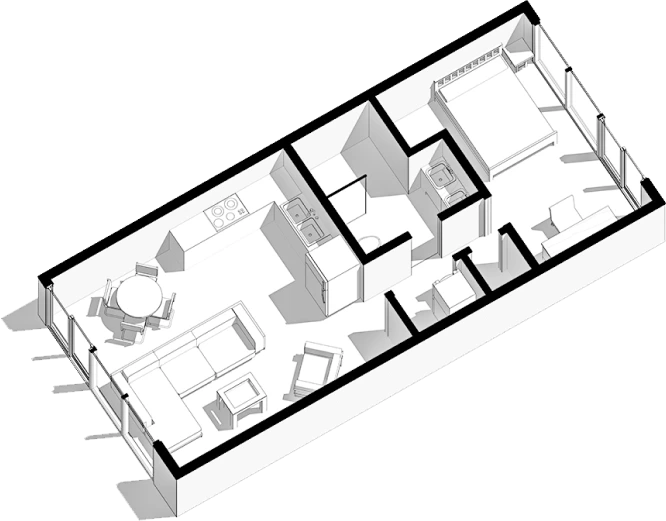
Smaller spaces can work very well when they are designed with purpose. A compact home can still have comfort, storage, a real kitchen, a bathroom, and a smart layout. A studio can give someone a quiet place to work, create, or step away from the main house. An ADU can create room for a parent, adult child, guest, caregiver, or renter where local rules allow it.
The point is not to make everything tiny. The point is to match the size to the need.
| Azure Model Family | Typical Use | How It Can Support Affordability |
| Studio Series | Backyard office, creative room, hobby space, extra room | Adds usable space without building a full dwelling |
| X Series Homes on Wheels | Compact living, travel-ready use, park-style placement where allowed | Offers a smaller living format with more flexibility |
| Homes & ADUs | Family space, guest housing, rental potential where allowed | Creates a more complete residential unit without a long traditional site build |
| Professional Building Systems | Multifamily, infill, repeatable projects, interim housing | Helps larger projects use off-site fabrication and repeatable systems |
This kind of matching matters. If someone only needs a separate workspace, a full ADU may be more than the project needs. If someone needs a livable unit with a kitchen and bathroom, a studio will not do the job. The more accurate the match, the less money gets wasted.
Use Factory Fabrication to Reduce Uncertainty
Traditional construction has a lot of moving parts. Weather, crews, deliveries, site access, inspections, subcontractor schedules, and changes in the field can all affect the timeline. Some of that is normal. Some of it is avoidable.
Factory-based construction moves more of the work into a controlled environment. That matters because time is money. So is rework. So is waste.
With our process, the structural shell is robotically printed with recycled materials. Then finishes, plumbing, electrical, and interior details are installed before delivery. The goal is not to make construction feel like magic. It is to make more of it predictable.
A typical Azure process includes:
- Configure the unit
- Print the home shell
- Install finishes and systems
- Deliver the completed unit
- Install it on-site and connect services
The printing stage can be fast. Some models can print in about one day. But the full project still includes planning, finishes, delivery, installation, site work, and approvals. That distinction matters.
Smarter construction is not only about speed. It is about reducing the number of things that can go wrong on-site. When more work happens in a factory, the property does not need to become a long construction zone for every step of the build.
For homeowners, that can mean less disruption. For developers, it can mean a more repeatable process. For both, predictability can help protect the budget.
Reduce Waste Because Waste Always Costs Someone
Construction waste is not only an environmental issue. It is also a cost issue.
When materials are over-ordered, cut poorly, damaged, thrown away, or handled inefficiently, someone pays for it. It may show up in material costs, disposal fees, extra labor, or delays.
We use recycled plastic waste as part of our 3D-printed construction process. Around 100,000 plastic bottles can be used for every 120 sq ft of our sustainable 3D-printed homes. That is a practical way to rethink what building material can be.
The material is only part of the story. Precision matters too. Robotic printing helps place material where it needs to go. A controlled manufacturing process can reduce mistakes and limit excess waste compared with more traditional methods.
Less waste does not make every project inexpensive. Land, permits, utilities, and site work still matter. But waste reduction is one of the places where better construction can help. It keeps more value in the home and sends less material to the dump.
Shorter Timelines Can Lower the Real Cost
People often look at the price of the unit first. That makes sense. But the timeline can also change the true cost of housing.
A longer construction schedule can mean more loan interest, more temporary housing costs, more labor coordination, more project management, and more time before the space can be used. For developers, delays can also mean slower occupancy and longer carrying costs.
Our approach is designed to reduce build time by moving more work into a controlled process. Azure homes can be built up to 70% faster than conventional construction, depending on the project type and conditions.
That does not mean every project follows the same timeline. A small studio is not the same as a larger ADU. A single backyard unit is not the same as a multifamily project. Site readiness, permits, delivery access, utility connections, and inspections all still affect the schedule.
But when the structure can be produced faster and site work can happen in parallel, the whole process can become more efficient. It is not speed for the sake of speed. It is a shorter path to usable housing.
Make Better Use of Existing Land
Affordable housing does not always require finding new land. Sometimes it starts with using existing land more thoughtfully.
Many properties already have space that could serve a better purpose. A backyard may support a studio. A larger lot may support an ADU. An infill site may support missing middle housing such as duplexes, triplexes, fourplexes, or townhomes.
This is where smaller and modular housing can be useful. It allows more housing options to fit into places where traditional construction may be too slow, too disruptive, or too expensive.
For homeowners, that might mean adding an ADU for family or rental potential where allowed. For developers, it might mean using repeatable building systems to make multifamily or infill housing more predictable. For cities and organizations, it might mean faster interim housing that still respects dignity, durability, and code requirements.
The land still has to work. Access, setbacks, grading, drainage, utilities, parking, fire access, and local rules all matter. A unit cannot be affordable if the site is wrong for it.
But when the site is right, using existing land better can create housing without starting from zero.
Design With Local Rules in Mind
Permits are often treated like a delay. In reality, they are part of the housing plan.
A project that ignores local rules early can become expensive later. A structure may need redesign. A use may not be allowed. Utilities may need a different path. A home on wheels may not be accepted on a certain property. A studio may be simple in one area but need extra review in another.
This is why the category matters.
A Studio Series unit, an X Series home on wheels, and a Homes & ADUs model may all be small compared with traditional housing, but they are not the same thing. They may follow different rules, need different permits, and support different uses.
A small backyard studio may be planned as flexible extra space. An X Series home on wheels may be better suited for places that allow chassis-based or park-style placement. A Homes & ADUs model is more relevant when the goal is a complete residential unit with kitchen, bathroom, sleeping space, and utility connections.
The affordable path is not the one that skips approvals. It is the one that avoids surprises.
Keep Site Work From Taking Over the Budget
The unit is only one part of the project. The site can change everything.
A backyard with easy access and nearby utilities is very different from a narrow lot with slope, drainage issues, long utility runs, or limited installation space. Even a well-designed unit can become more expensive if the property needs more preparation than expected.
Site Items That Deserve Early Attention
A practical site review should look at:
- Delivery access
- Grading and drainage
- Foundation needs
- Utility distance
- Electrical capacity
- Water and sewer access
- Fire access
- Space for installation equipment
- Privacy and placement
- Long-term maintenance access
These items are not as fun as choosing finishes or looking at floor plans. But they matter more than people sometimes expect. Drainage can affect the whole project. So can access. So can the distance between the unit and the utility connection points.
Affordable construction needs good site planning. Without it, the savings from a smarter building method can get eaten up by avoidable site problems.
Choose Materials That Support Long-Term Performance
A lower upfront cost can become expensive if the home performs poorly over time.
Heating, cooling, maintenance, repairs, and durability all affect affordability. A home should not only be less expensive to build. It should be reasonable to live in, maintain, and operate.
That is why energy efficiency and material performance matter. Our units are designed for year-round comfort and built with durable recycled plastic materials. For professional building systems, performance can also include high-performance envelopes, thermal values, fire resistance, and durable exterior systems.
This matters in places with heat, cold, wildfire risk, or strict energy requirements. A cheaper structure that struggles with comfort may not be affordable in daily life. People still have to pay utility bills. Owners still have to maintain the building. Developers still have to think about operating costs and long-term performance.
Smarter construction should look past the first invoice. It should ask how the structure will work after it is delivered, installed, lived in, rented, cleaned, maintained, and used for years.
Affordability Should Include Flexibility
People’s housing needs change.
A young person may need a smaller home. A family may need space for a grandparent. A homeowner may need a separate office. A property owner may want rental potential. A city may need interim housing. A developer may need repeatable units for an infill site.
More flexible housing types can help people respond to those changes without always needing a large traditional build.
That is one reason we work across different formats. A studio, a home on wheels, an ADU, and a professional building system all solve different problems. None of them is the right answer for every project. Together, they show how housing can become more adaptable.
Affordability improves when people can choose the right amount of space for the actual need.
A 100-120 sq ft studio may give someone a quiet workroom without touching the main house. A 180-360 sq ft home on wheels may support mobility and compact living where allowed. A 360-900 sq ft ADU may support family housing, guests, or rental potential where local rules allow. A larger building system may help bring more homes to a community faster.
That range matters. Housing is not one lifestyle. It is many real situations.
What Smarter Construction Does Not Mean
It is worth being honest here. Smarter construction does not mean every project becomes cheap.
Land can still be expensive. Permits can still take time. Utility work can still add cost. Some sites are difficult. Some local rules are strict. Some projects need more engineering, more foundation work, or more coordination.
The goal is not to pretend those things disappear. The goal is to reduce the parts of construction that are often too slow, too wasteful, or too unpredictable.
Smarter construction does not mean ignoring local rules, choosing the smallest unit even when it does not fit the use, skipping site review, treating permits as an afterthought, or assuming the starting price is the full project cost.
A home that cannot be used the way it was intended is not affordable. It is just a problem with walls.
A Practical Checklist for a More Affordable Housing Project
Before choosing a housing path, it helps to slow down and check the basics.
Project Basics
Start with the main purpose:
- What problem is this housing supposed to solve?
- Is the space for daily living, guests, work, rental use, or mobility?
- Which unit category fits that use best?
- Does the budget include more than the model price?
- Will the structure be comfortable and efficient to use over time?
Property Basics
Then review the site:
- What does the property allow?
- What permits are needed?
- Can utilities be connected without major extra work?
- Is the site ready for delivery and installation?
- Can the project still make sense if costs shift?
These questions do not make the project less exciting. They make it more realistic. And real planning is where affordability usually starts.
Conclusion
Housing becomes more affordable when we stop looking only at the final price tag and start looking at the full path to a usable home.
The building method matters. So does the size. So does the site. So do utilities, permits, delivery, timelines, and long-term performance. A lower starting price helps, but the strongest projects are the ones where all the pieces work together.
Smarter construction gives us a better way to approach that problem. Factory fabrication can reduce delays. Robotic 3D printing can reduce waste. Modular design can make projects easier to plan. Smaller and more flexible housing types can help people use land more effectively.
Affordable housing does not need to feel like a compromise. It needs to be practical, permitted, efficient, and built for real life.
That is the direction we care about at Azure Printed Homes. Not just smaller homes. Not just faster homes. Better-planned homes that make more sense for the people, properties, and communities they are meant to serve.