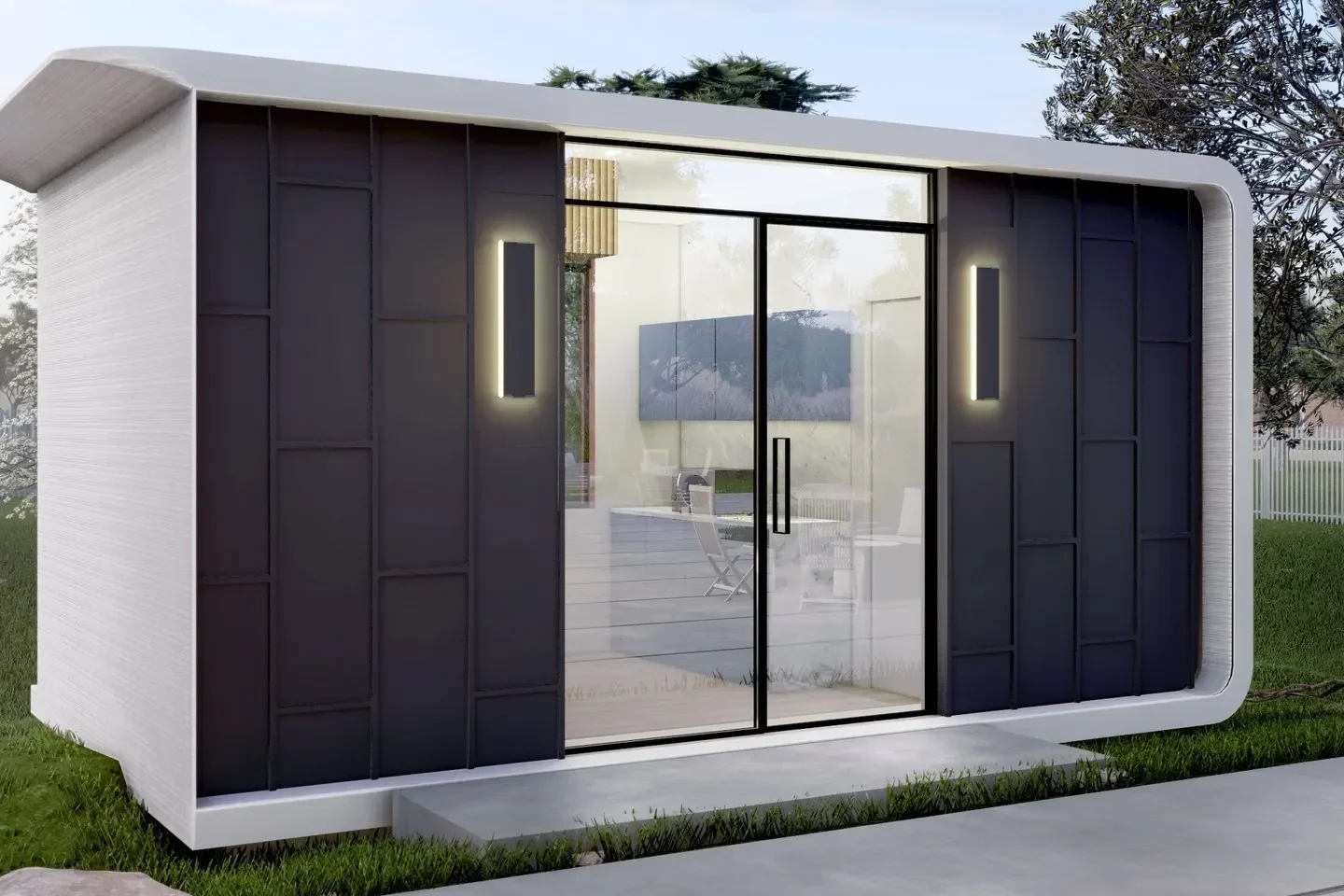
Affordable housing sounds simple at first. It means housing people can afford. But once you start looking closer, the answer gets more complicated.
A home may have a lower starting price and still be hard to afford after land, permits, utilities, financing, insurance, and monthly costs are added in. On the other hand, a smaller or faster-built home can make more sense when the full project is planned carefully from the beginning.
At Azure Printed Homes, we work with 3D-printed modular living spaces, ADUs, homes on wheels, studios, and larger building systems. So for us, affordable housing is not just about making something cheaper. It is about making housing more practical to build, easier to plan, and better matched to how people actually live.
That means looking at the real numbers. It also means looking at speed, waste, energy use, durability, location, and long-term comfort. Because a home is only truly affordable when people can use it, maintain it, and feel good living in it.
What Affordable Housing Usually Means
The common definition of affordable housing is tied to income. A home is often considered affordable when housing costs take up about 30% or less of a household’s income. That can include rent or mortgage payments, and sometimes utilities or other housing-related costs.
That is a useful starting point. It gives people a way to see whether housing is taking too much of their monthly income.
Still, real life is not always that clean. A family may spend under 30% on housing and still feel squeezed because childcare, transportation, healthcare, or debt is high. Another household may spend more and still manage because other costs are lower.
So the income rule matters, but it is only part of the answer.
Affordable housing should also ask:
- Can people pay for it without being stretched every month?
- Does the home fit their real needs?
- Are utility and maintenance costs manageable?
- Is the location practical for work, school, care, and daily life?
- Can the home stay useful over time?
A home that only looks affordable before the real costs show up is not really affordable.
Affordable Does Not Always Mean Low Cost
Affordable housing and low-cost housing are connected, but they are not the same thing.
A lower starting price helps. Of course it does. But a low price can be misleading if the rest of the project is not included. A small home may look affordable until the buyer adds delivery, site work, foundation, utility connections, permits, and insurance. A rental may seem affordable until utilities, parking, commuting, and repairs are added.
The better question is not only “What does it cost?”
It is “What does it cost to make this home usable?”
That difference matters.
For us, a realistic housing budget includes both the structure and the site around it. A 3D-printed shell can be produced quickly, and factory fabrication can make the process more predictable. But the land still has to be ready. The unit still needs the right placement path. Utilities still need to connect. Local rules still matter.
Affordability comes from planning those details early, not pretending they will disappear later.
The Monthly Cost Is Where People Feel It
People often talk about housing in big numbers. Purchase price. Construction cost. Rent. Starting price. Price per square foot.
Those numbers are useful, but the monthly number is what people actually live with.
A home may be less expensive than other options but still hard to afford if financing is tough. A larger unit may cost more upfront but make more sense if it supports family housing, rental income where allowed, or long-term use. A smaller studio may be the better choice if the goal is a backyard office, creative room, or extra space instead of full-time living.
What Monthly Costs Can Include
The monthly cost may include the loan or rent payment, utilities, insurance, taxes, maintenance, internet, parking, transportation, and repairs over time.
This is why affordable housing should not be judged by one number alone. A lower model price can help, but predictable monthly costs are just as important.
Energy efficiency matters here too. A home that performs better in different weather conditions can reduce pressure on utility costs and make the space more comfortable. That comfort is not a luxury detail. It affects daily life.
Land Can Make or Break the Budget
A home has to go somewhere. That sounds obvious, but the land is often where affordable housing gets complicated.
A flat, accessible lot with nearby utilities is very different from a tight backyard with slope, drainage issues, long utility runs, or limited delivery access. A unit that works in one city may need a different approval path in another. A plan that looks simple on paper may change once setbacks, lot coverage, fire access, parking, and utility routes are reviewed.
This is especially true for ADUs, homes on wheels, and small backyard structures. The category matters. The property matters. The intended use matters.
A Studio Series unit may be a practical way to add backyard space. But if electrical work is needed, that still has to be checked. A Homes & ADUs model may be better for family use or rental potential where allowed, but it usually needs a more complete permit and utility plan. An X Series home on wheels can support mobility and compact living, but placement rules are not the same everywhere.
Affordable housing is easier to plan when the land is reviewed before the design is locked in.
Permits Are Part of the Cost
Permits are not the fun part of a project, but they matter.
They decide what can be built, where it can go, and how it can be used. They can also affect the timeline and final cost.
A project may need review for zoning, setbacks, fire safety, utilities, grading, drainage, foundation, electrical, plumbing, mechanical systems, and final occupancy. A small structure may have a simpler path in some areas, but that does not always mean no rules. A full residential unit with a kitchen and bathroom usually needs more review than a simple backyard studio.
Questions to Check Early
Before a project moves too far, it helps to ask:
- What is the unit classified as?
- Is the intended use allowed on this property?
- What permits are required?
- Are water, sewer, and electrical connections available?
- Can the site support delivery and installation?
- Are there HOA, fire, flood, hillside, or coastal rules?
- What inspections are needed before use?
This is not meant to make the process feel heavy. It just keeps the project realistic.
Time Is a Housing Cost Too
When people talk about affordability, they usually talk about money. But time has a cost too.
A project that takes too long can create rent overlap, loan interest, carrying costs, missed income, storage costs, and stress. For developers, delays can affect financing and occupancy. For homeowners, delays can affect family plans, caregiving, work, or rental income where allowed.
This is one reason faster construction methods matter.
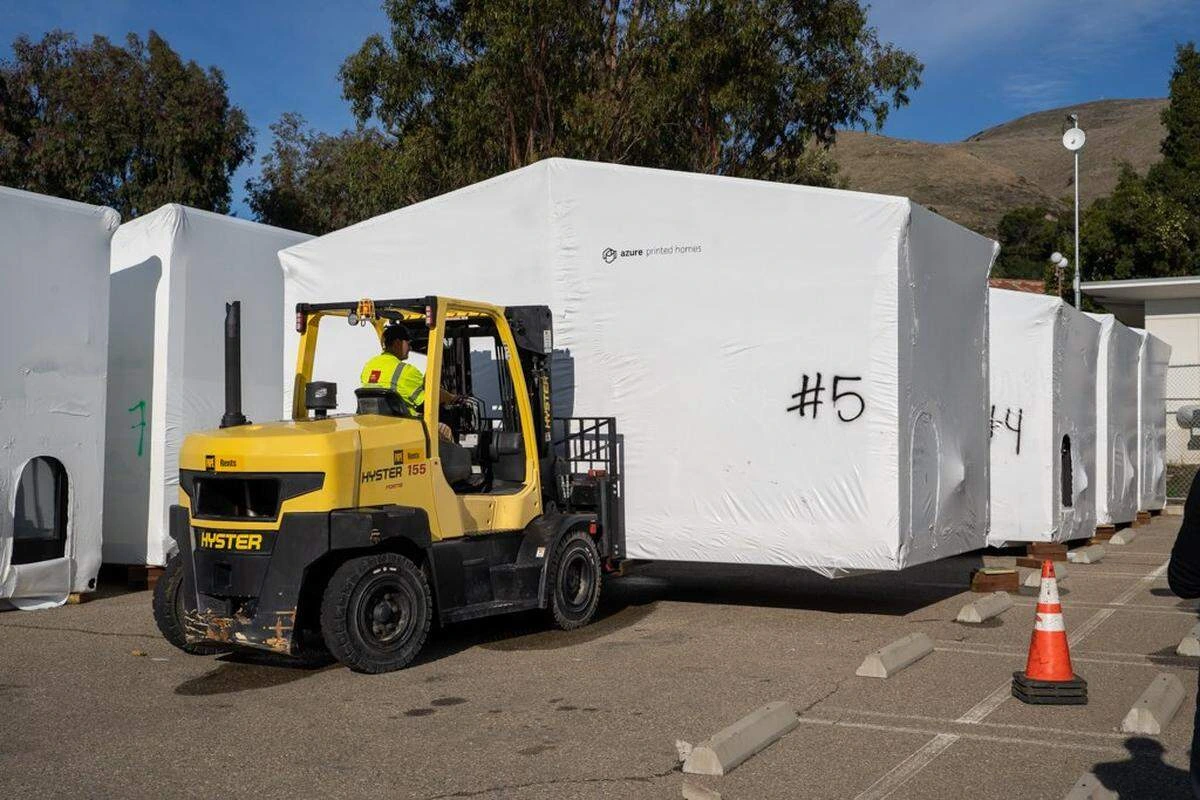
Our process is built around controlled factory fabrication. A unit is configured, the shell is robotically printed with recycled materials, finishes and systems are installed, and then the unit is delivered and installed on-site. The printing stage can happen quickly, sometimes in about a day, while permits, site work, utilities, and inspections still need proper planning.
That does not make every project instant. But moving more of the work into a controlled environment can make the process more organized and predictable.
For affordability, predictability matters.
Smaller Homes Can Help, But the Fit Comes First
Smaller homes are often part of the affordable housing conversation. Less square footage can mean less material, less energy use, less land pressure, and a lower starting price.
But smaller is not automatically better.
A 100 sq ft studio can be great for a backyard workspace, but it is not the same as a full living unit. A home on wheels may work well for certain lifestyles or communities, but it still needs a legal and practical place to go. A 360 sq ft ADU may fit one person or a couple, while a 720 sq ft or 900 sq ft model may make more sense for family use, guests, or longer-term living.
The right size depends on the use.
A good small-space project starts with a simple question: what does this space need to do every day?
Different Housing Needs, Different Azure Models
We do not look at every small structure the same way. Different models solve different problems, and that affects affordability.
| Azure Category | Best Fit | Affordability Angle |
| Studio Series | Backyard offices, creative rooms, flexible extra space | Adds useful space without a full residential build |
| X Series Homes on Wheels | Mobility, compact living, park-style placement where allowed | Supports smaller living with more flexibility |
| Homes & ADUs | Family space, guests, rental potential where allowed, longer-term living | Creates a more complete residential option |
| Professional Building Systems | Multifamily, infill, WUI and mountain projects, interim housing | Helps larger projects reduce timelines, waste, and delivery risk |
The key is matching the model to the real need.
A Studio Series unit may be affordable because it solves a space problem without becoming a full second home. An X Series home may work for someone who wants mobility and has a legal placement path. A Homes & ADUs model may cost more, but it can support more complete living needs. For developers and public partners, repeatable building systems can help deliver more units with better control over cost and timing.
Affordable housing is not one product. It is the right fit between people, budget, land, rules, and use.
Materials and Waste Matter
Housing affordability is also tied to how homes are made.
Traditional construction can be slow, labor-heavy, wasteful, and hard to predict. Material waste, weather delays, repeated site work, and trade coordination can all affect final cost.
Azure uses robotic 3D printing and recycled plastic materials to create modular living spaces. For every 120 sq ft, the material can represent the equivalent of about 100,000 recycled plastic bottles. Our process is designed to reduce waste and make production more predictable.
That matters because affordability is not only about the buyer’s price. It is also about whether housing can be produced with less waste, less delay, and fewer surprises.
No building method fixes the housing problem on its own. But better manufacturing can help remove some of the friction that makes housing harder and more expensive to deliver.
Affordable Housing Looks Different by Project Type
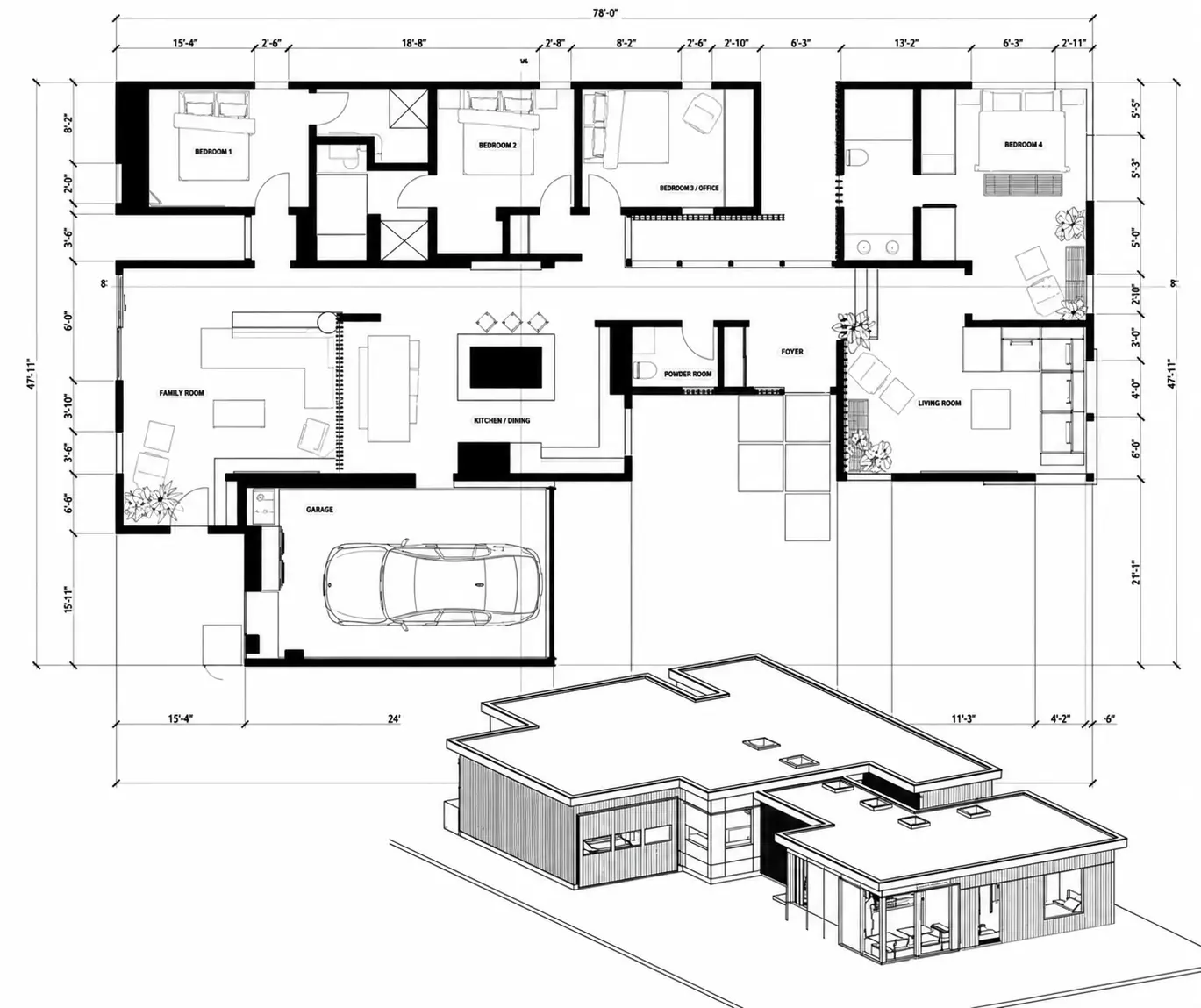
Affordable housing is not only one kind of project. For a homeowner, it may mean making better use of the property they already have. For a city, developer, architect, or general contractor, it may mean delivering more homes with less delay, less waste, and fewer moving parts.
The goal changes depending on the project, but the basic idea stays the same. Housing needs to be useful, buildable, and realistic once all the costs are counted.
For Homeowners: Making the Current Property Work Better
For many homeowners, affordable housing is not about buying something new somewhere else. It is about making the current property more useful.
An ADU can support a parent, adult child, guest, caregiver, or rental income where allowed. A backyard studio can create a separate work area without moving to a larger house. A compact home on wheels can support a different lifestyle when local placement rules make sense.
Moving is expensive. Renovating the main house can be disruptive. Buying a larger property may not be realistic. Sometimes the more affordable path is to use the land someone already has in a smarter way.
For Developers and Cities: Building More With Better Control
Affordable housing also has a larger side. Cities, developers, architects, and general contractors have to think about timelines, repeatability, labor, code compliance, risk, and long-term operating costs.
A single backyard unit is one challenge. A multifamily project, infill development, mountain or WUI residential project, or interim housing plan is another.
This is where industrialized building systems can help. Off-site fabrication, light-gauge steel, high-performance envelopes, structural insulated panels, and optional 3D-printed facades can make delivery more predictable. For repeatable projects, the value is not only in one unit. It is in reducing complexity across many units.
Affordable housing at scale needs more than good intentions. It needs systems that can be repeated without losing quality.
What Real Housing Costs Should Include
Before calling any housing option affordable, the full cost should be visible.
A realistic budget may include:
- Unit or structure cost
- Design and customization
- Land or site use
- Permits and local fees
- Foundation or support system
- Grading and drainage
- Utility connections
- Delivery and installation
- HVAC or energy systems
- Insurance
- Taxes or assessment changes
- Maintenance
- Financing costs
- Inspection and occupancy requirements
- Exterior details like access, privacy, lighting, and landscaping
Some of these costs may be small. Some may be major. The point is not that every project has the same list. The point is that the list should be checked before the budget is treated as final.
A lower model price is helpful. A complete plan is what makes the number trustworthy.
Common Misunderstandings About Affordable Housing
One misunderstanding is that affordable housing only means government-subsidized housing. Subsidized housing is part of the picture, but affordable housing is broader than that. It can include rentals, ADUs, smaller homes, workforce housing, starter homes, interim housing, and different forms of cost-conscious development.
Another misunderstanding is that affordability means the lowest possible price. The cheapest option is not always the most affordable if it brings high utility bills, repair issues, poor comfort, delays, or legal problems later.
A third misunderstanding is that smaller housing automatically solves affordability. Smaller homes can help, but only when the site, use, and rules line up.
The strongest housing plans usually avoid shortcuts. They look at the full cost, choose the right structure, and respect the real conditions of the property.
Conclusion
Affordable housing means more than a low price. It means housing that fits real incomes, real sites, real rules, and real daily life.
The cost of the unit matters, but so do land, utilities, permits, delivery, energy use, maintenance, financing, and time. A backyard studio, a home on wheels, an ADU, and a multifamily building system can all support affordability in different ways. None of them work well when they are forced into the wrong use.
The best affordable housing projects start with clear questions. Who is this for? Where will it go? What rules apply? What will it cost to make the space usable? What will it cost each month? Will it still make sense later?
That is the practical side of affordable housing. Not just cheaper. Not just smaller. Better planned, faster to deliver, less wasteful, and built around how people actually need to live.