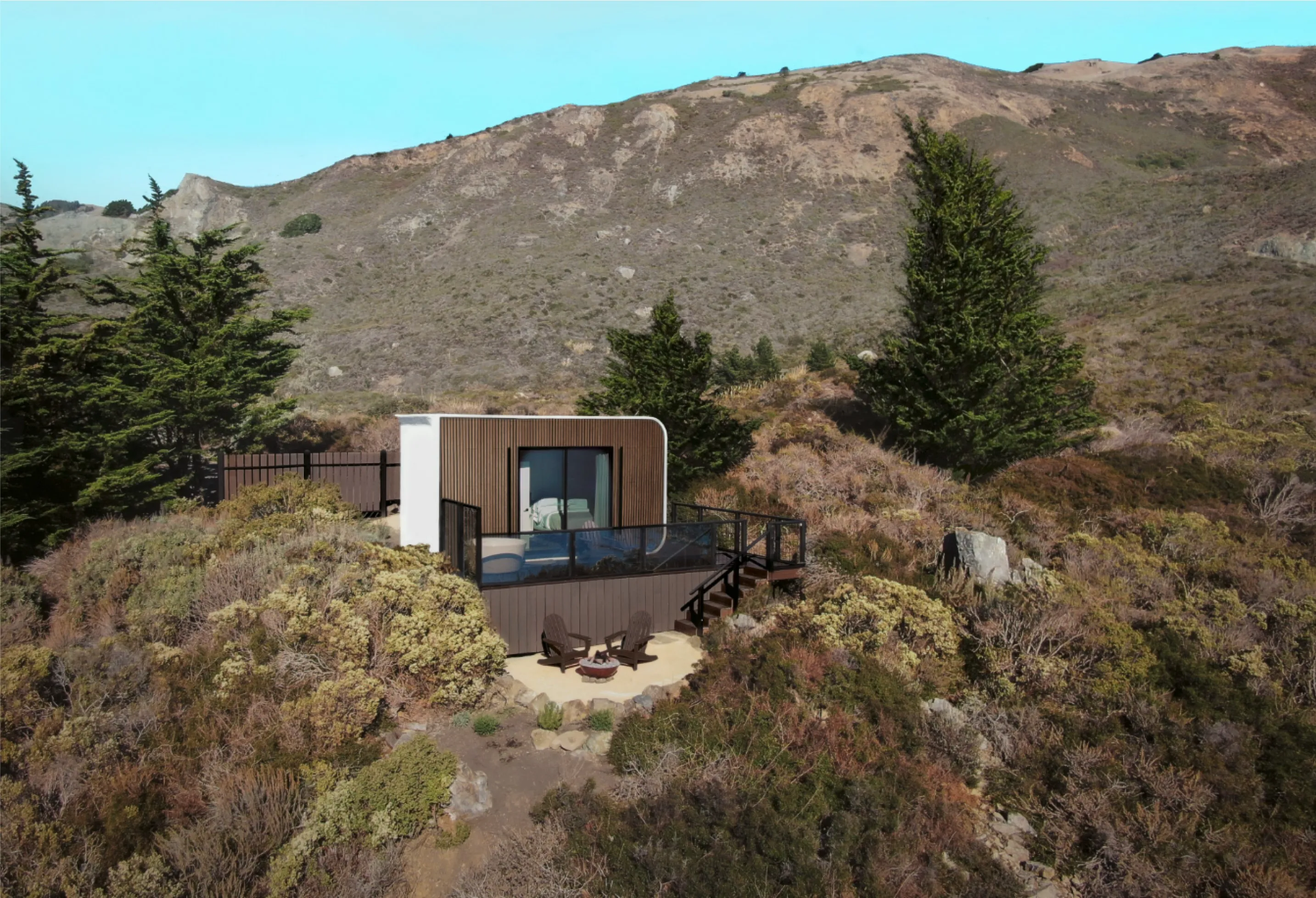
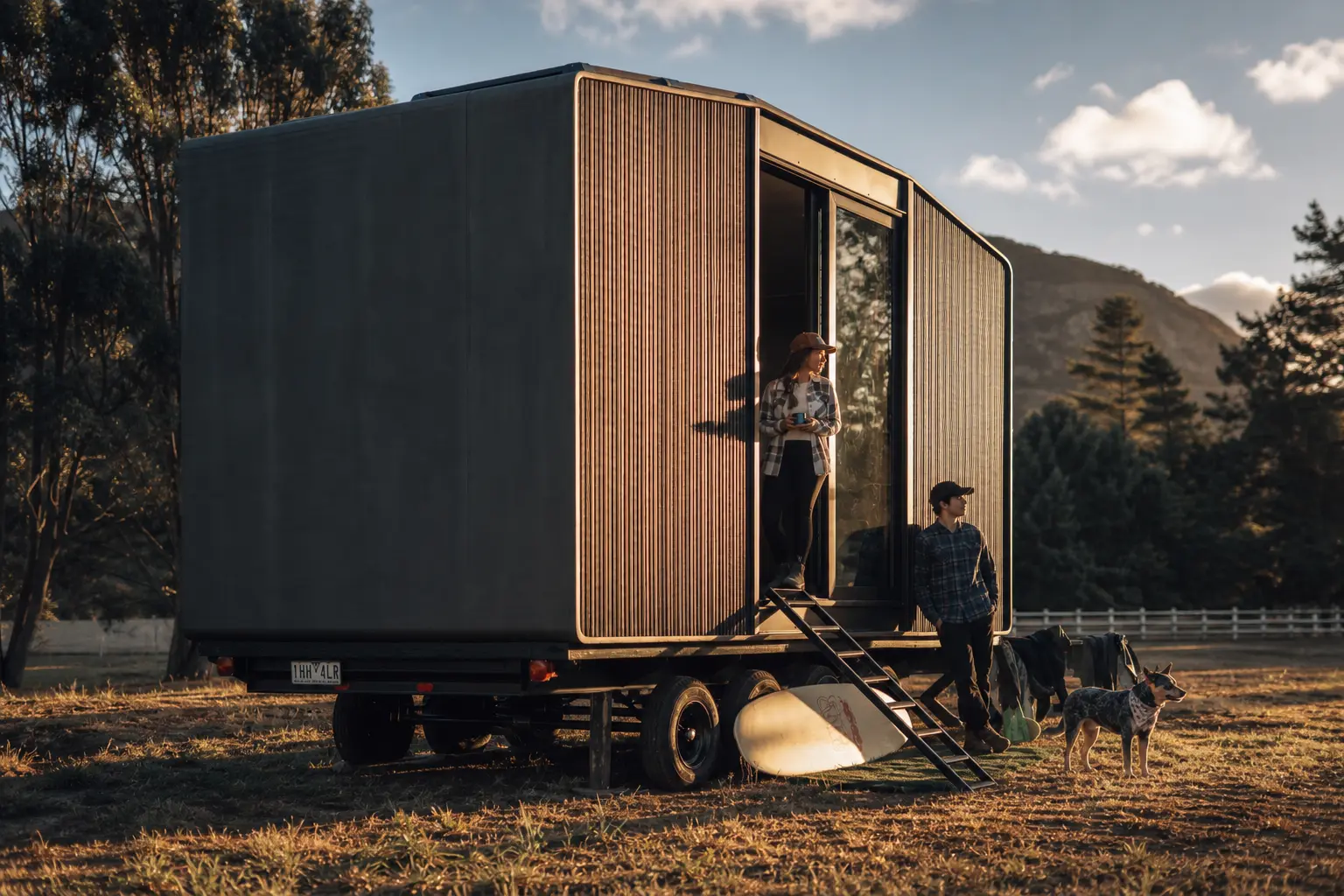
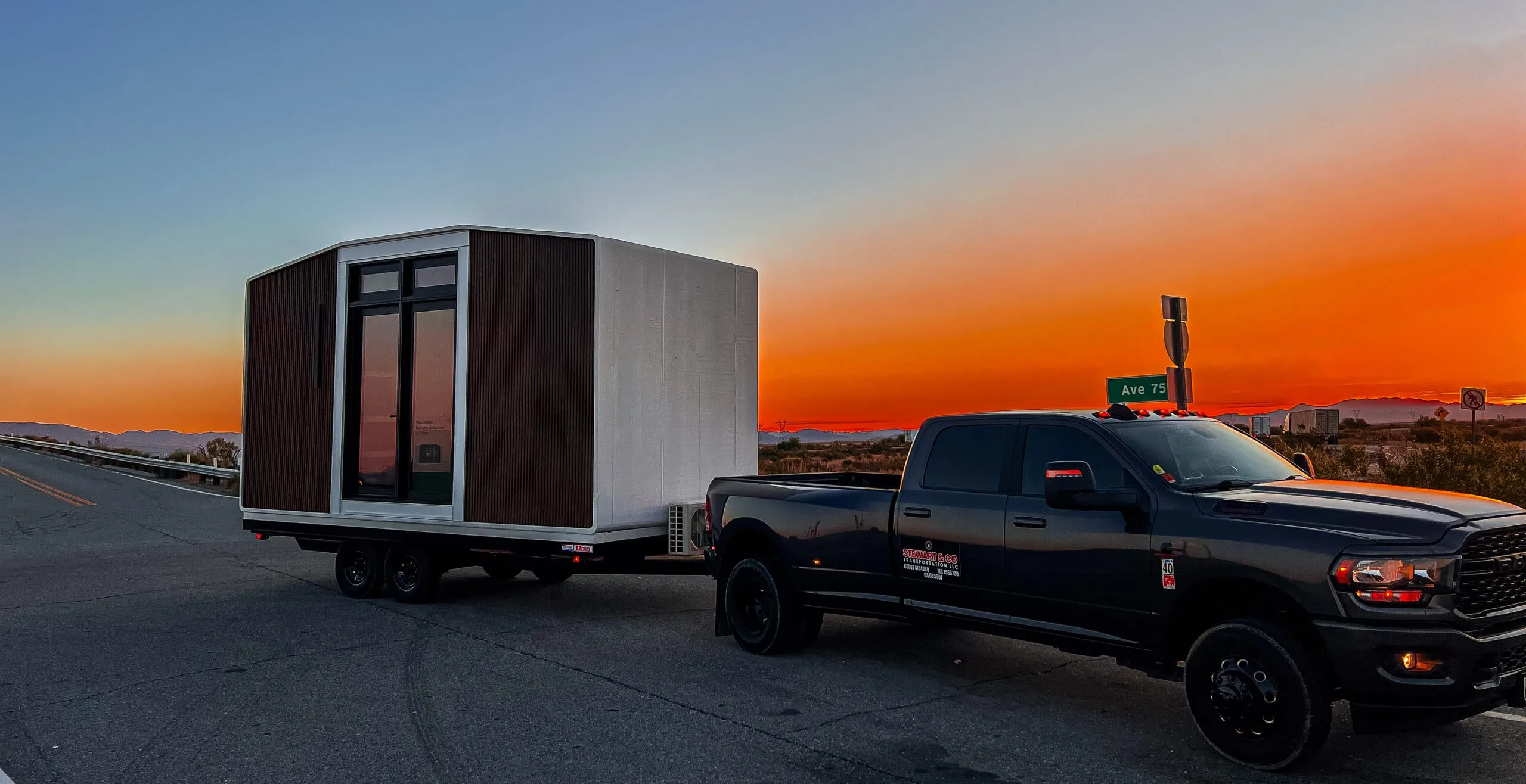
Sustainable housing design is an approach to building homes that uses resources more carefully, reduces waste, improves energy performance, and supports healthier living over time. It is not just about adding solar panels or choosing recycled materials. It is about looking at the full life of a home, from design and production to daily use, maintenance, and long-term impact.
At its best, sustainable housing design creates spaces that feel good to live in while using less energy, producing less waste, and making smarter use of materials. It blends comfort, function, durability, and environmental responsibility into one practical idea: homes should work better for people and the planet.
What Sustainable Housing Design Means and Why It Matters
Sustainable housing design is the practice of creating homes that use materials, energy, land, and resources more responsibly. It looks at how a home is planned, built, delivered, used, and maintained over time. The goal is not just to make a home look modern or eco-friendly. It is to create a living space that works better from the start.
This matters because housing affects more than the people who live inside it. Construction can use large amounts of raw materials, create waste, require repeated deliveries, and take months of on-site work. After move-in, a home continues to use energy every day for heating, cooling, lighting, appliances, and comfort.
Sustainable housing design offers a smarter path. It focuses on efficient layouts, better material choices, reduced waste, energy performance, durability, and long-term value. For homeowners, that can mean a more comfortable space that is easier to maintain. For communities, it can support faster housing solutions with less environmental impact.
The Core Principles of Sustainable Housing Design
Sustainable housing design works best when several ideas come together. A home should use materials thoughtfully, perform efficiently, fit the way people actually live, and stay durable over time. These principles help turn sustainability from a vague concept into practical design choices.
Efficient Use of Materials
One of the main goals of sustainable housing design is to reduce unnecessary material waste. This can happen through smarter planning, more precise production, and the use of recycled or responsibly sourced materials.
At Azure Printed Homes, we take this idea seriously. Our robotically printed homes use recycled plastic in the construction process. A 120 sq ft unit uses material equal to about 100,000 recycled plastic bottles. Instead of treating waste as the end of the line, we help turn it into future-focused modular living spaces.
Energy Efficiency
A sustainable home should be designed to use energy wisely. That includes insulation, efficient heating and cooling, smart window placement, ventilation, and systems that help keep the interior comfortable without wasting power.
Energy efficiency matters because the environmental impact of a home does not stop after construction. A home uses energy every day. Better design can help reduce that demand and make the space more comfortable through different seasons.
Smaller, Smarter Spaces
Sustainable housing is not always about building bigger. In many cases, it is about building smarter.
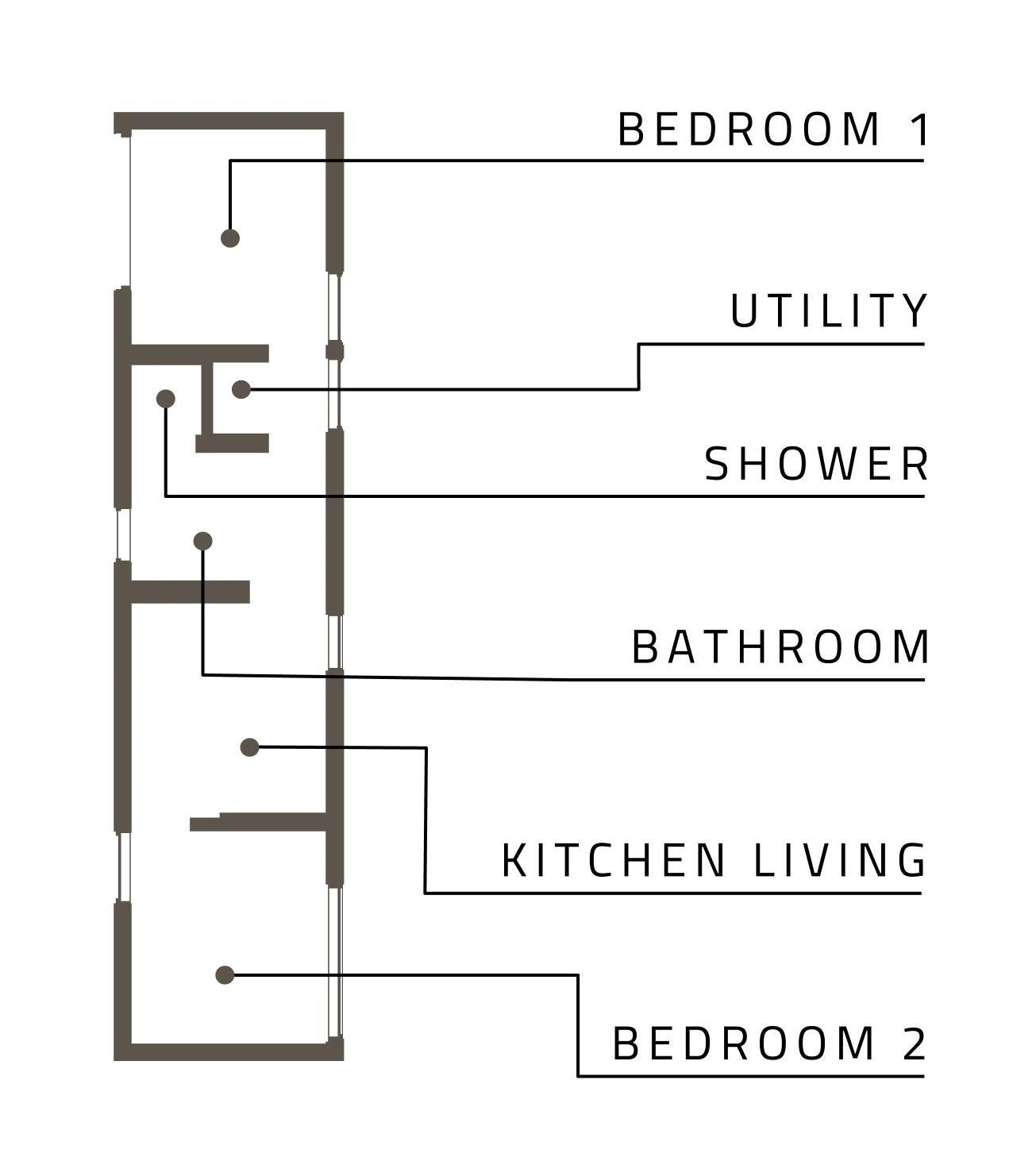
A well-designed compact home, studio, ADU, or home on wheels can provide real living value without using more space than needed. Smaller spaces often require fewer materials, less energy, and less maintenance. The key is thoughtful design. Every square foot should have a purpose.
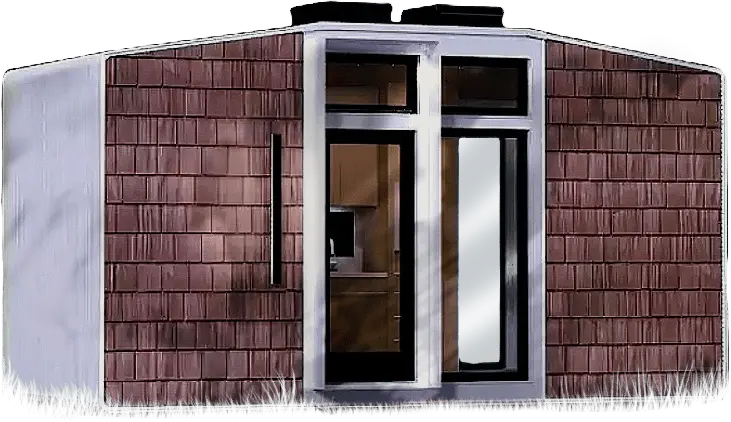
We offer modular living spaces that support different needs, including studio units, homes and ADUs, homes on wheels, glamping units, and development solutions. The goal is not simply to make homes smaller. It is to make them more efficient, flexible, and useful.
Sustainable Housing vs. Traditional Construction
Sustainable housing design is not only about the finished home. It is also about how the home is made. Traditional construction often depends on long on-site timelines, multiple crews, repeated material deliveries, and a building process that can create waste along the way.
Modern sustainable construction takes a more controlled approach. Methods like 3D-printed and modular construction can help improve precision, reduce excess material use, and make the path from design to installation more predictable.
| Area | Traditional Construction | Sustainable Modern Construction |
| Building process | Often built mostly on-site with several crews and trades | Can use controlled production, robotic printing, and modular fabrication |
| Material use | May create more offcuts, excess orders, and site waste | Focuses on precision, efficient material use, and waste reduction |
| Timeline | Can take longer due to weather, scheduling, inspections, and labor coordination | Can be more streamlined when production and finishing happen in a controlled setting |
| Consistency | Quality can vary depending on site conditions and crew coordination | Repeatable processes can support more consistent results |
| Site disruption | Usually requires more activity, deliveries, and work on the property | Modular delivery can reduce the amount of work needed on-site |
| Sustainability | Depends heavily on materials, design, and builder practices | Built around efficiency, smarter materials, and long-term performance |
At Azure, our process is built around configuration, robotic printing, finish installation, delivery, and on-site installation. This helps make sustainable housing feel less complicated. Instead of starting from a slow, scattered construction process, buyers can move through a clearer path from idea to usable space.
What Makes a Home More Sustainable?
A sustainable home usually includes several design choices working together. These may include:
- Recycled or responsibly sourced materials
- Strong insulation and energy-efficient systems
- Durable finishes that reduce replacement needs
- Smart layouts that avoid wasted space
- Water-conscious planning
- Reduced construction waste
- Efficient manufacturing or building methods
- Designs that can adapt to different uses over time
No single feature makes a home sustainable on its own. A truly sustainable design looks at the whole picture.
Durability Is Part of Sustainability
A home is not sustainable if it wears out quickly. Durability matters because replacing materials, repairing damage, or rebuilding too soon creates more waste and cost.
Sustainable housing design should consider weather, daily use, transportation if the unit is modular, and long-term maintenance. Materials should be selected not only for their environmental story, but also for how well they perform in real conditions.
That is why sustainable design is practical, not just idealistic. A home needs to look good, feel comfortable, and hold up over time.
Sustainable Housing Design for Different Uses
Sustainable housing design can look different depending on the purpose of the space. A backyard guest unit, full-time ADU, studio, home on wheels, and hospitality unit all have different needs. The best design is the one that uses only what is needed while still supporting comfort, function, and long-term value.
ADUs and Backyard Living Spaces
Accessory dwelling units can support multigenerational living, guest space, rental opportunities, or flexible backyard use. A sustainable ADU should be sized correctly, energy-efficient, and planned around the property’s utilities, access, privacy, and site conditions.
We at Azure design modular ADU-style homes for people who want useful additional space without the long, complicated path of traditional construction.
Studios and Workspaces
A compact studio can be a smart sustainable choice when someone needs a home office, creative room, wellness space, or guest area. Instead of adding a large extension to a house, a smaller standalone unit may provide exactly what is needed with fewer materials and less disruption.
Homes on Wheels
Homes on wheels bring flexibility into sustainable design. They can support travel, downsizing, rental use, or alternative living. The design still needs to account for comfort, storage, energy use, durability, and daily function.
Glamping and Hospitality
Sustainable housing design also matters in outdoor hospitality. Glamping units can create comfortable guest experiences while using compact footprints and efficient modular construction. For landowners and hospitality operators, this can help turn underused space into a more purposeful destination.
How to Plan a Sustainable Housing Project
Sustainable housing starts before construction. The planning stage shapes the layout, cost, comfort, performance, and long-term value of the home. Before choosing a model or finalizing details, it helps to think through the full project.
A smart planning process should include:
- Define the main use: Decide whether the space will be used as a guest suite, full-time home, office, rental unit, vacation space, or backyard studio. Each use requires different layouts, features, privacy levels, and utility needs.
- Study the site: Look at drainage, grading, delivery access, sun exposure, privacy, parking, and outdoor space. A sustainable home performs better when the site is prepared properly.
- Plan utilities early: Power, water, wastewater, heating, cooling, and internet should be considered before installation. Utility planning can affect placement, cost, and daily comfort.
- Check permits and local rules: Zoning, ADU rules, setbacks, occupancy limits, and foundation requirements can shape what is possible on the property.
- Think about long-term use: Choose a layout and materials that will stay practical over time. Durable surfaces, efficient systems, and flexible design can reduce maintenance and improve everyday living.
- Avoid overbuilding: Sustainable design is not about adding more than necessary. It is about creating the right amount of space for the way it will actually be used.
The best sustainable housing projects feel simple because the hard decisions were made early. A little more planning upfront can lead to a home that works better on day one and continues to perform years later.
Final Thoughts
Sustainable housing design is not only an environmental idea. It is also a better living idea.
A well-designed sustainable home can be more efficient, more comfortable, easier to maintain, and better matched to how people actually live. It can help reduce waste during construction and reduce energy demand after move-in. It can also make housing more flexible, whether someone needs a backyard studio, an ADU, a home on wheels, or a compact guest space.
The future of housing does not have to look like the past. With smarter materials, better design, and modern construction methods, homes can be built with more purpose from the very beginning.