Glamping has become a popular option for travelers who want nature, privacy, and a memorable stay without the discomfort of traditional camping. It appeals to people who like the idea of waking up near trees, mountains, water, desert views, or open land, but still want a real bed, a clean space, and simple everyday comforts.
For property owners, this shift has opened a new path in outdoor hospitality. A piece of land that once sat unused or underused can become a guest-ready destination with the right accommodations, site planning, and experience design. That is what makes glamping interesting as a business: it combines travel, real estate, hospitality, and lifestyle into one flexible model.
The Simple Definition of a Glamping Business
A glamping business is an outdoor hospitality business that provides guests with comfortable accommodations in a natural or scenic setting. Unlike traditional camping, guests do not need to bring their own tent, sleeping bag, or camping equipment. Instead, they stay in a fully prepared space designed to offer a balance between outdoor adventure and modern comfort.
The term “glamping” comes from “glamorous camping,” but today’s glamping industry includes much more than luxury tents. Accommodations may include cabins, tiny homes, modular studios, homes on wheels, domes, pods, and other compact living spaces built for short-term stays.
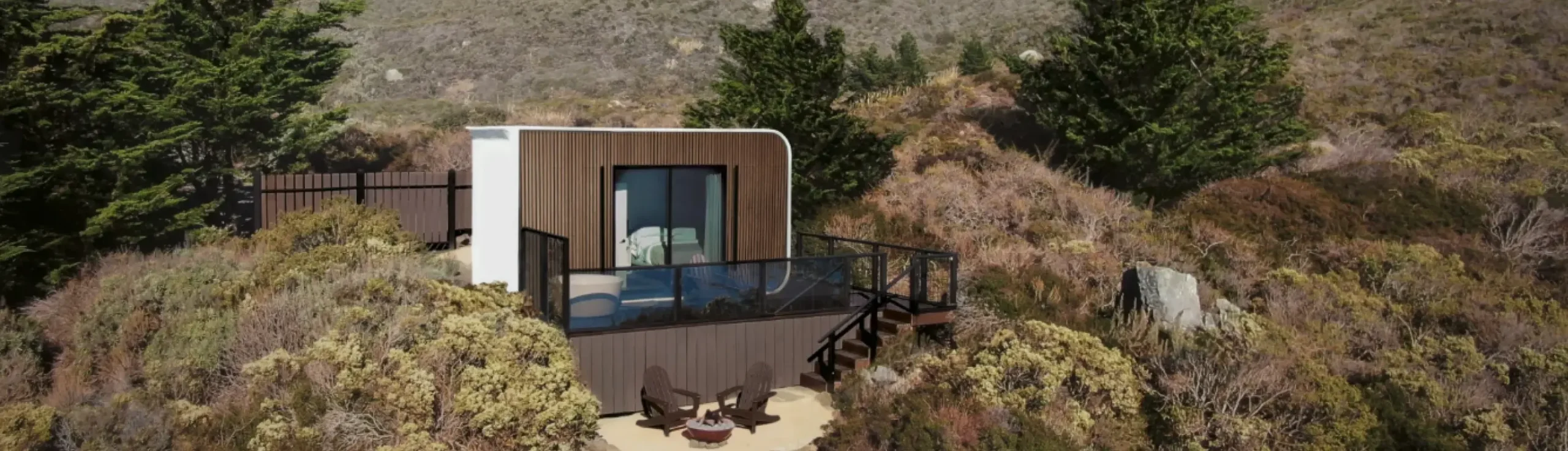
The goal of a glamping business is to create an experience that lets guests enjoy nature without giving up convenience. Many glamping properties combine scenic surroundings with features such as comfortable beds, climate control, private outdoor areas, bathrooms, kitchenettes, decks, or lounge spaces that make the stay easier and more enjoyable.
How a Glamping Business Works
A glamping business usually follows a simple model: prepare the land, add guest-ready accommodations, and rent those spaces for short stays. The exact setup can be small and simple or developed into a larger outdoor hospitality property.
Most glamping businesses include a few core steps:
- Start with the right land: This may be a private rural property, resort site, farm, vineyard, desert lot, wooded area, mountain property, or underused section of a larger hospitality project.
- Add guest accommodations: Owners place units such as cabins, tiny homes, modular studios, homes on wheels, pods, or other compact stays that match the location and guest experience.
- Plan the site infrastructure: The property may need access roads, parking, water, power, wastewater planning, lighting, landscaping, signage, and safe walking paths.
- Create the guest experience: Outdoor seating, fire pits, views, privacy, easy check-in, and thoughtful amenities help turn the stay into something more memorable.
- Earn revenue through bookings: The business makes money by renting each unit by the night. Some owners operate one or two units as a side business, while others build larger glamping resorts with multiple units and shared amenities.
Common Types of Glamping Accommodations
Glamping does not have one fixed look. Different properties use different structures based on climate, budget, guest expectations, and site layout.
Common glamping accommodations include:
Tents
Tents work well for seasonal stays and rustic outdoor experiences. They can create a close-to-nature feeling because guests are more exposed to the sights, sounds, and atmosphere of the setting. However, they usually need careful planning around weather protection, insulation, bathroom access, and long-term durability.
Cabins
Cabins are often used for cozy retreats and year-round stays. They feel familiar to many guests, which can make them easier to market to people who want nature without giving up too much comfort. Depending on the design, cabins can support heating, cooling, private bathrooms, small kitchens, and outdoor decks.
Tiny Homes
Tiny homes are a strong fit for compact stays with more complete living features. They may include a sleeping area, storage, bathroom, kitchenette, and small lounge space in one efficient footprint. This makes them useful for longer stays, higher nightly rates, and guests who want a more private, self-contained experience.
Modular Studios
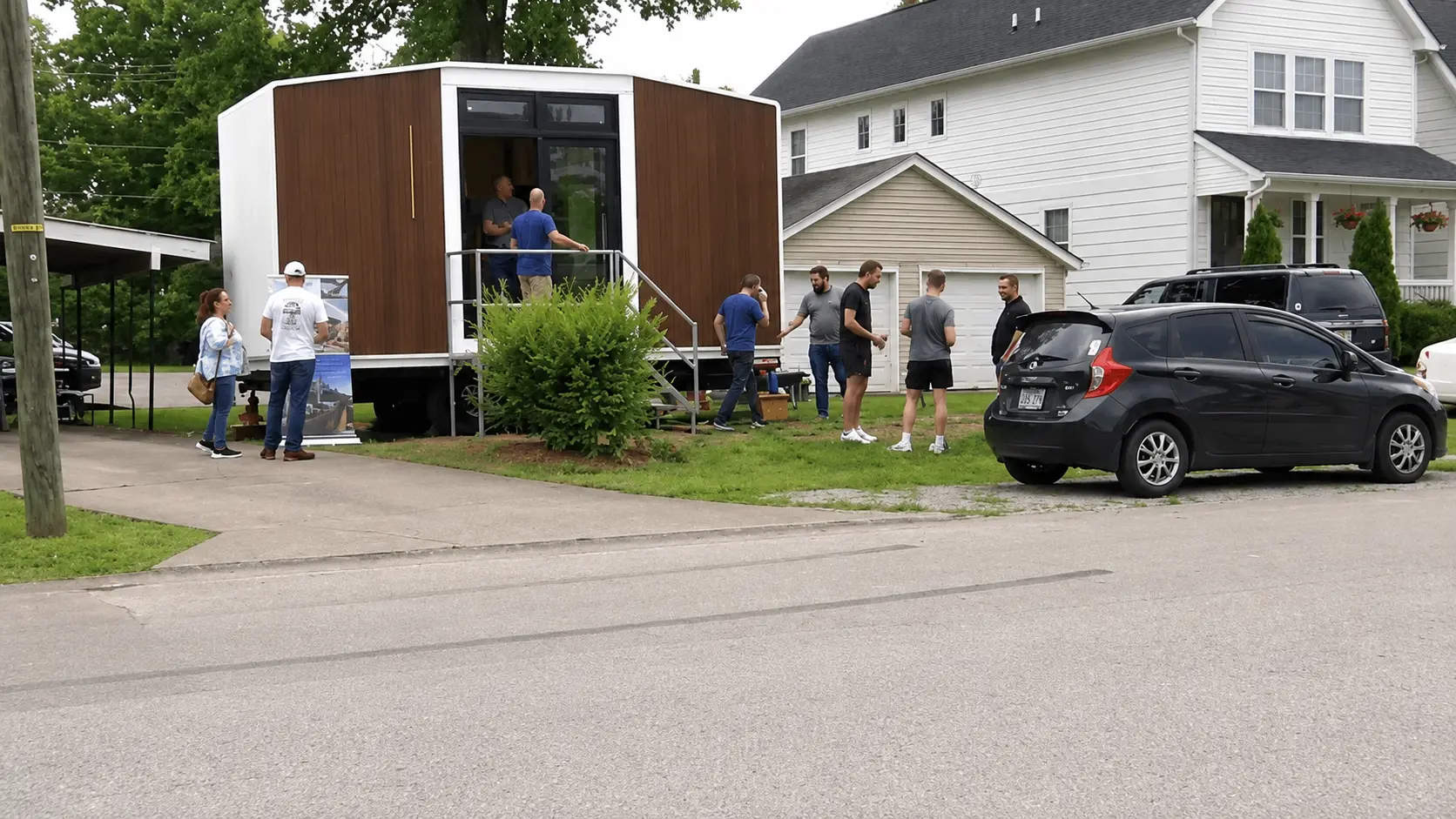
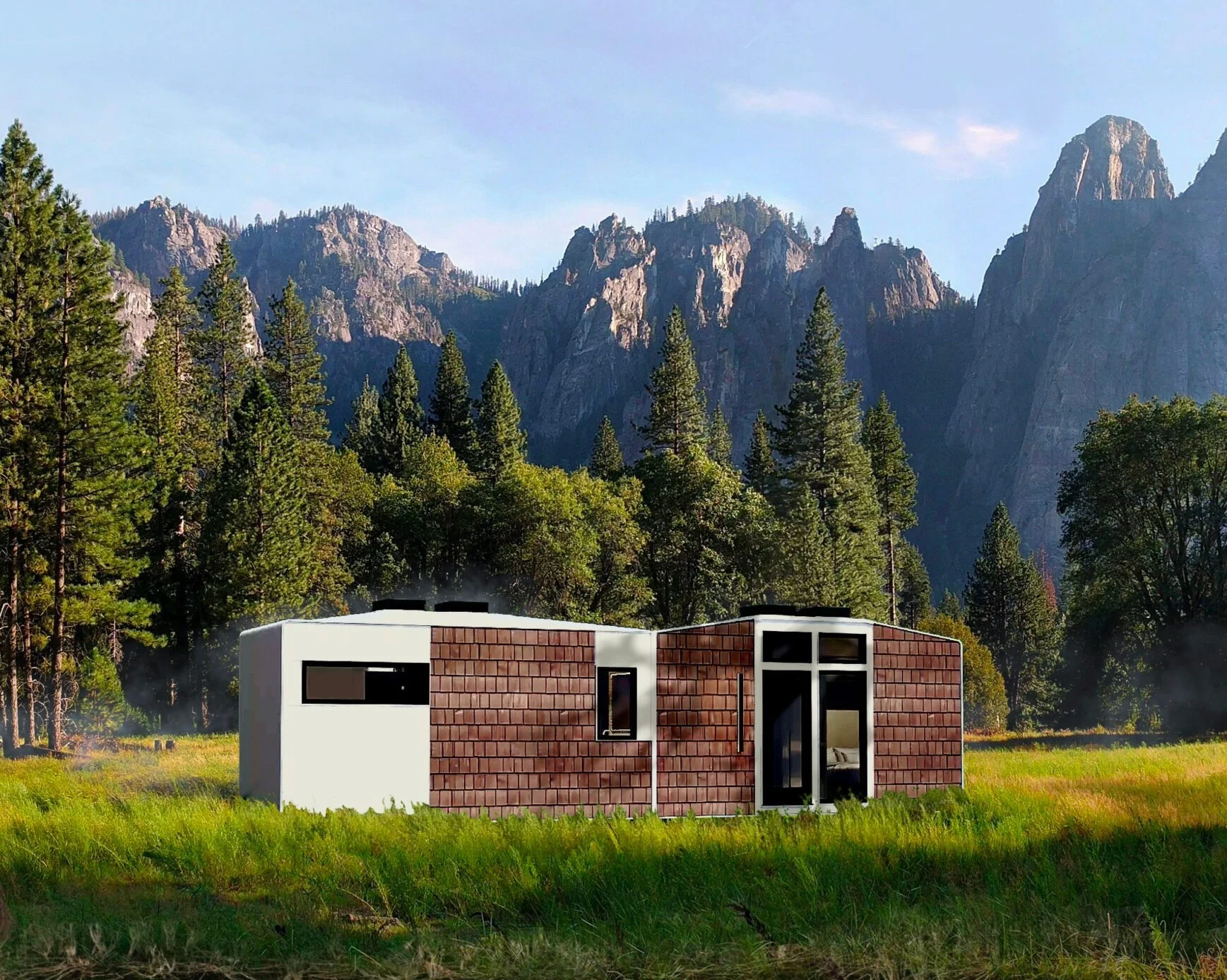
Modular studios can work well for flexible guest units, backyard stays, and hospitality sites. They give owners a compact structure that can be planned around privacy, views, outdoor seating, and short-term guest use. At Azure Printed Homes, our Studio Series can support this kind of simple, modern guest experience with a streamlined modular approach.
Homes on Wheels
Homes on wheels are useful for properties that need mobility or flexible placement. They can help owners test a location, adjust a site layout, or create a guest stay that feels compact but complete. This option may be especially useful for landowners who want more flexibility before committing to a permanent site plan.
ADU-Style Units
ADU-style units are better suited for more complete guest lodging with added comfort. They can support a fuller living experience with more space, privacy, and amenities for guests who expect a stay closer to a small home. For glamping operators, ADU-style units may work well for premium stays, longer bookings, or sites designed around higher comfort.
We at Azure Printed Homes, focus on 3D-printed modular living spaces, including studios, homes on wheels, and ADU-style homes. For glamping operators, these options can support different types of guest stays, from simple overnight escapes to more comfortable long-weekend retreats.
What Makes a Good Glamping Business Location?
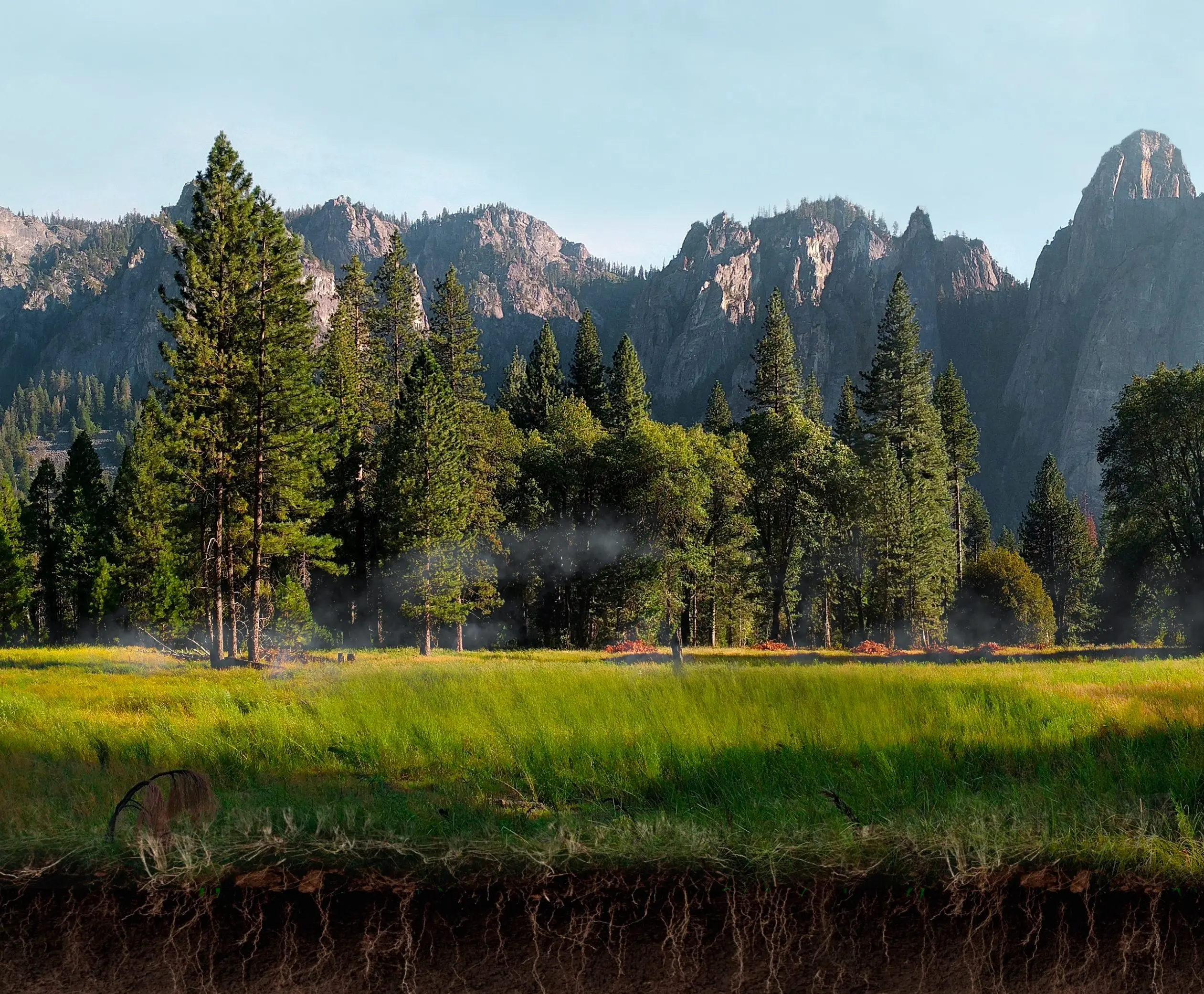
Location is one of the biggest factors in a glamping business. Guests usually choose glamping because of the setting. A beautiful view, quiet landscape, nearby attraction, or peaceful outdoor environment can make the stay feel special.
Good glamping locations often have:
- Natural beauty or privacy
- Easy road access
- Enough space between units
- Safe parking
- Utility access or a clear off-grid plan
- Local activities nearby
- Strong photo potential for marketing
A location does not need to be perfect, but it should offer a reason to stay. That reason might be the view, the quiet, the design, the outdoor amenities, or the experience created around the unit.
Planning Business From the Guest Experience to the Site
A glamping business should be planned as a full guest experience, not just a place to put a unit. The structure matters, but so does everything around it: the arrival, the parking, the path to the unit, the outdoor space, the privacy, the lighting, and the feeling guests have once they settle in.
1. Start With the Guest’s Point of View
Owners should walk through the stay as if they were the guest. What will guests see when they arrive? Where will they park? How will they find the unit at night? Is the bed comfortable? Is the bathroom easy to access? Does the outdoor area feel private?
These details can shape the entire stay. Clean pathways, simple instructions, clear signage, and thoughtful lighting can make the property feel more welcoming and professional.
2. Balance Comfort, Nature, and Ease
The best glamping businesses usually balance three things: comfort, nature, and ease. Guests want to feel close to the outdoors, but they do not want the stay to feel confusing, uncomfortable, or unfinished.
Small upgrades can make a big difference. Outdoor seating, privacy screens, landscaping, fire pits, soft lighting, and easy check-in can help turn a simple stay into something guests remember.
3. Plan the Practical Side Early
Before starting a glamping business, property owners should look beyond the unit itself. The accommodation is only one part of the project. The site also needs to work safely, legally, and comfortably for guests.
Important planning areas include:
- Zoning and permits
- Land use rules
- Utility access
- Site grading and drainage
- Delivery access
- Fire safety
- Guest parking
- Wastewater planning
- Cleaning and maintenance
- Booking and marketing strategy
4. Match the Plan to the Property
Some properties are easier to prepare than others. A site with flat land, good access, and nearby utilities may be simpler to develop. A remote, wooded, or sloped property may still work well, but it may need more planning before guests can stay there comfortably.
The goal is to create a site that feels natural and relaxing for guests while still being practical for daily operations. When the guest experience and the property plan work together, the business has a stronger foundation from the start.
How Much Does It Cost to Start a Glamping Business?
The cost of starting a glamping business depends on the land, unit type, site work, utilities, permits, amenities, furniture, and marketing. A simple setup with one compact unit may cost far less than a larger resort with multiple accommodations and shared facilities.
The structure is one of the most visible costs, but owners should also budget for the full site. That may include foundation or placement preparation, electrical connections, plumbing, septic or sewer planning, outdoor lighting, landscaping, access paths, furniture, photography, and booking tools.
At Azure Printed Homes, our models are available across compact studios, ADU-style homes, and homes on wheels:
| Product Type | Models | Starting Price |
| Studio Series | A/D/C-100, N100 | $24,900 |
| Studio Series | A/D/C-120 | $29,900 |
| ADU-Style Homes | A-180 | $49,900 |
| ADU-Style Homes | A-360 | $89,900 |
| ADU-Style Homes | A-540 | $134,900 |
| ADU-Style Homes | A-720 | $174,900 |
| ADU-Style Homes | A-900 | $219,900 |
| Homes on Wheels | X180 | $69,900 |
| Homes on Wheels | X270 | $84,900 |
| Homes on Wheels | X360 | $109,900 |
These options give property owners several ways to think about scale. A smaller studio may work for a simple guest stay, while a larger model may support a more complete glamping experience with added living space.
Revenue Potential for a Glamping Business
A glamping business makes money through nightly bookings. Revenue depends on occupancy, nightly rate, seasonality, location, amenities, guest reviews, and marketing.
A property with strong photos, a clear concept, and a comfortable guest experience may be able to charge more than a basic campsite. Guests are often paying for privacy, design, comfort, and the feeling of being somewhere memorable.
Owners should think about:
- Average nightly rate
- Expected occupancy
- Cleaning costs
- Maintenance costs
- Platform fees
- Utilities
- Insurance
- Taxes
- Replacement and repair budget
A glamping business can be attractive, but it still needs real planning. The numbers should work before the first unit is ordered.
Is a Glamping Business Right for Your Property?
A glamping business may be a good fit when a property has space, access, a pleasant setting, and a clear guest concept. It may work especially well for landowners who want to add revenue without building a traditional hotel or large permanent structure.
It can also be useful for hospitality operators who want to expand capacity with unique accommodations. A few well-placed units can create a new guest experience without changing the entire property.
Before moving forward, owners should be honest about the work involved. A glamping business still needs cleaning, maintenance, guest support, utilities, safety planning, and marketing. The more professional the experience, the better the chance of strong reviews and repeat bookings.
Conclusion
A glamping business is a modern outdoor hospitality model built around comfort, nature, and memorable design. It gives guests a way to enjoy the outdoors without the rougher parts of traditional camping, and it gives property owners a way to turn land into a more useful and potentially profitable destination.
The best glamping projects start with a clear plan. Owners need to understand the land, the guest, the budget, the required utilities, and the type of stay they want to create.
At Azure Printed Homes, we help bring that idea into the next dimension of living with 3D-printed modular spaces made with recycled materials. From compact studios to homes on wheels and larger ADU-style units, our products can support glamping businesses that want a cleaner, smarter, and more future-focused way to build.