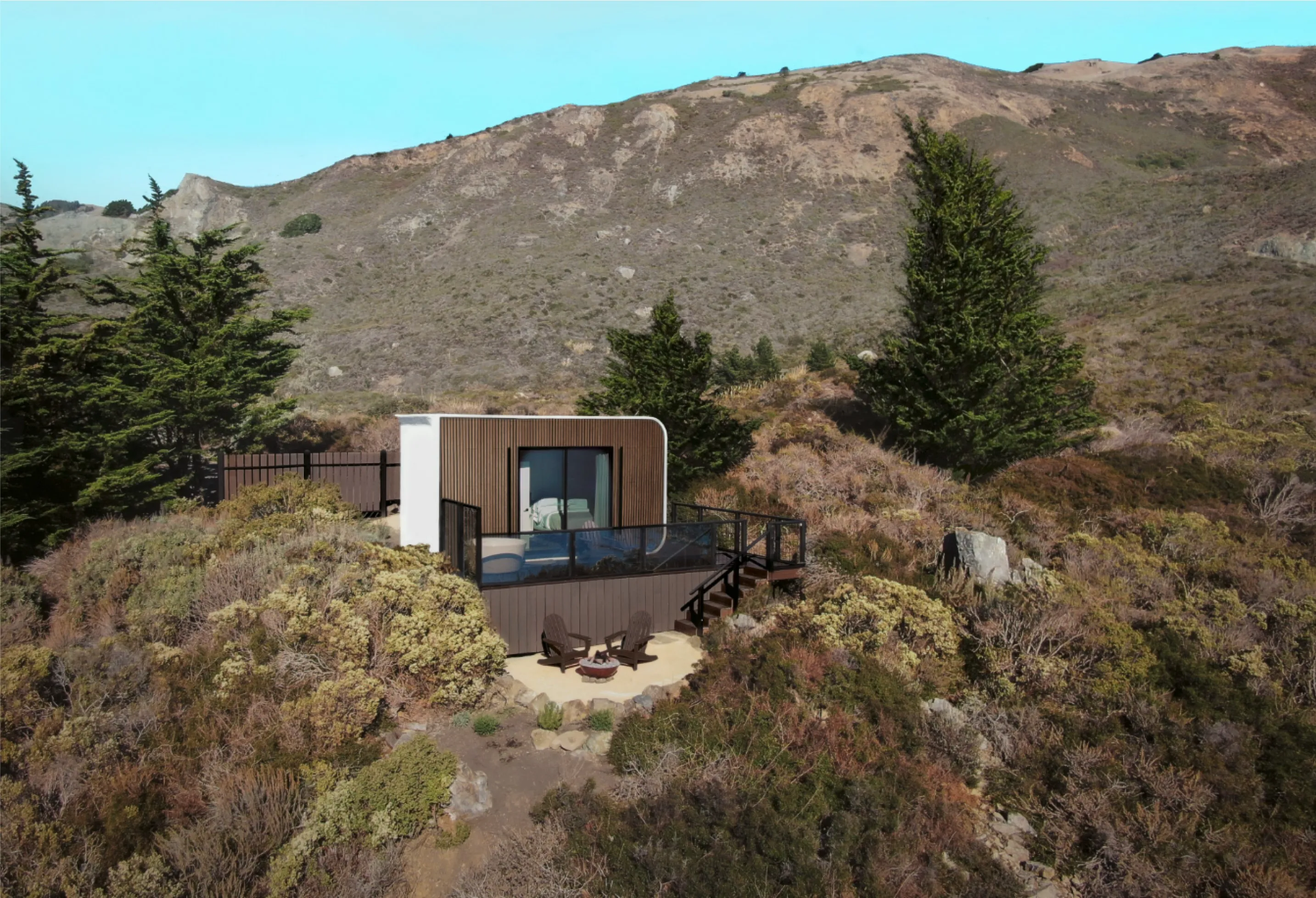
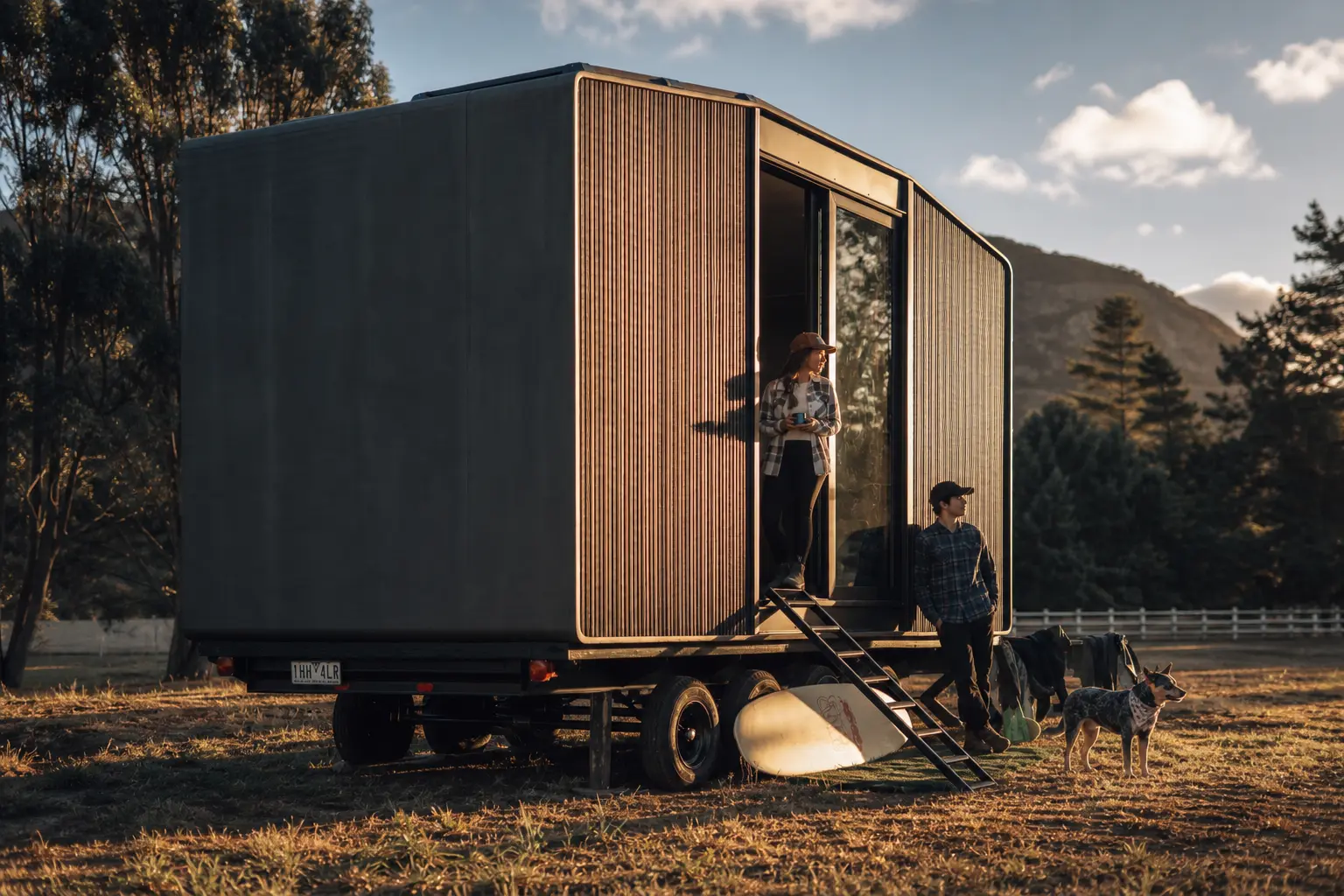
Glamping has grown from a niche travel trend into a popular hospitality business model. Travelers increasingly want outdoor experiences without giving up comfort, privacy, and modern amenities. For property owners and entrepreneurs, that creates an opportunity to transform land into a unique destination that can attract guests throughout the year.
Starting a glamping business involves much more than placing a structure on a piece of land. Success depends on location, planning, guest experience, regulations, infrastructure, marketing, and choosing accommodations that fit the target audience.
Whether the goal is a single luxury retreat or a larger glamping destination, understanding the process can help avoid costly mistakes and create a stronger foundation for long-term growth.
Understanding the Glamping Business Model
Glamping combines elements of traditional camping with the comfort of hospitality accommodations. Guests enjoy nature while still having access to features such as climate control, comfortable beds, private bathrooms, kitchens, outdoor seating areas, and modern design.
Unlike standard hotels, glamping properties often focus on the experience itself. Guests may be looking for:
- Scenic views
- Privacy and relaxation
- Unique accommodations
- Outdoor recreation
- Wellness retreats
- Romantic getaways
- Family experiences
- Digital detox escapes
The more memorable the experience, the more likely guests are to leave positive reviews and return in the future.
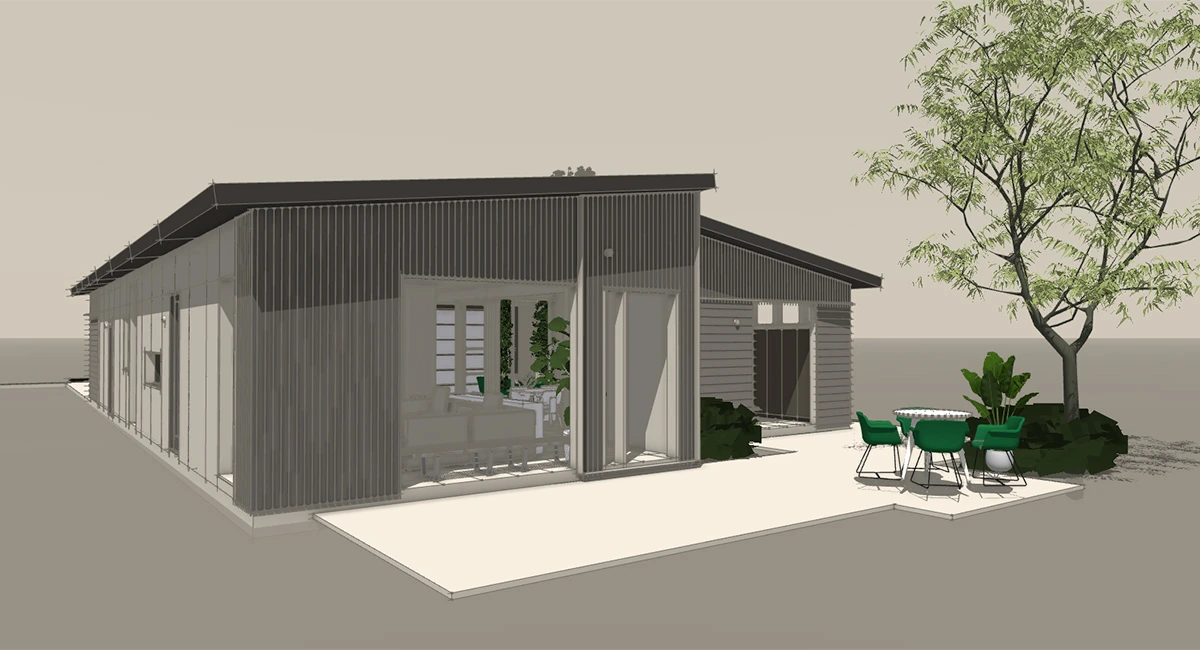
Step-by-Step Instructions to Starting a Glamping Business
Starting a glamping business is easier to manage when the process is broken into clear steps. Each decision builds on the one before it, from choosing the concept and property to planning utilities, selecting accommodations, and preparing for guests.
The goal is not just to place units on land. The goal is to create a complete guest experience that is comfortable, memorable, easy to operate, and realistic for the property. Use the steps below as a practical roadmap before investing heavily in the project.
Step 1: Define Your Glamping Concept
Before making any investment, it’s important to determine what type of glamping experience will be offered.
Different concepts attract different guests.
Luxury Retreats
These properties focus on premium accommodations, high-end finishes, private outdoor spaces, and upscale amenities.
Family-Friendly Destinations
Family-oriented glamping sites often include larger units, outdoor activities, fire pits, gathering areas, and recreational spaces.
Romantic Getaways
Couples typically look for privacy, scenic surroundings, outdoor soaking tubs, wellness features, and memorable design elements.
Adventure-Focused Sites
Properties near hiking trails, lakes, mountains, deserts, or outdoor recreation areas can attract guests seeking active experiences.
Choosing a clear concept helps guide future decisions about accommodations, pricing, marketing, and amenities.
Step 2: Choose the Right Property
Location is often one of the biggest factors in a glamping business’s success.
Many successful glamping destinations are located near:
- National parks
- Lakes and rivers
- Mountain regions
- Desert landscapes
- Forested areas
- Coastal destinations
- Wine regions
- Popular tourist attractions
The property itself should be evaluated carefully before development begins.
Important considerations include:
- Accessibility
- Utility availability
- Road conditions
- Drainage
- Site grading
- Privacy
- Views
- Environmental restrictions
- Emergency access
A beautiful property can become expensive if infrastructure challenges are overlooked early in the planning process.
Step 3: Research Local Regulations
Every area has different rules regarding short-term rentals, hospitality businesses, land use, zoning, and utility requirements. Before investing in accommodations or site development, property owners should take time to understand how local regulations may affect the project. This can include zoning rules, building requirements, occupancy limits, utility approvals, environmental considerations, health and safety standards, fire safety requirements, and any regulations that apply specifically to short-term rentals or hospitality operations.
Addressing these requirements early in the planning process can help avoid costly delays, unexpected redesigns, permit issues, or restrictions that could impact the long-term success of the business.
Step 4: Plan the Guest Experience
One of the biggest differences between successful and unsuccessful glamping businesses is the overall guest experience.
Guests remember much more than the accommodation itself.
They notice:
- Arrival experience
- Parking convenience
- Outdoor lighting
- Landscaping
- Privacy
- Walking paths
- Seating areas
- Views
- Wi-Fi access
- Cleanliness
- Customer service
A simple structure in a beautiful setting can often outperform a more expensive accommodation if the guest experience is thoughtfully designed.
Step 5: Choose the Right Accommodations
The accommodations selected for a glamping property directly influence both startup costs and guest satisfaction.
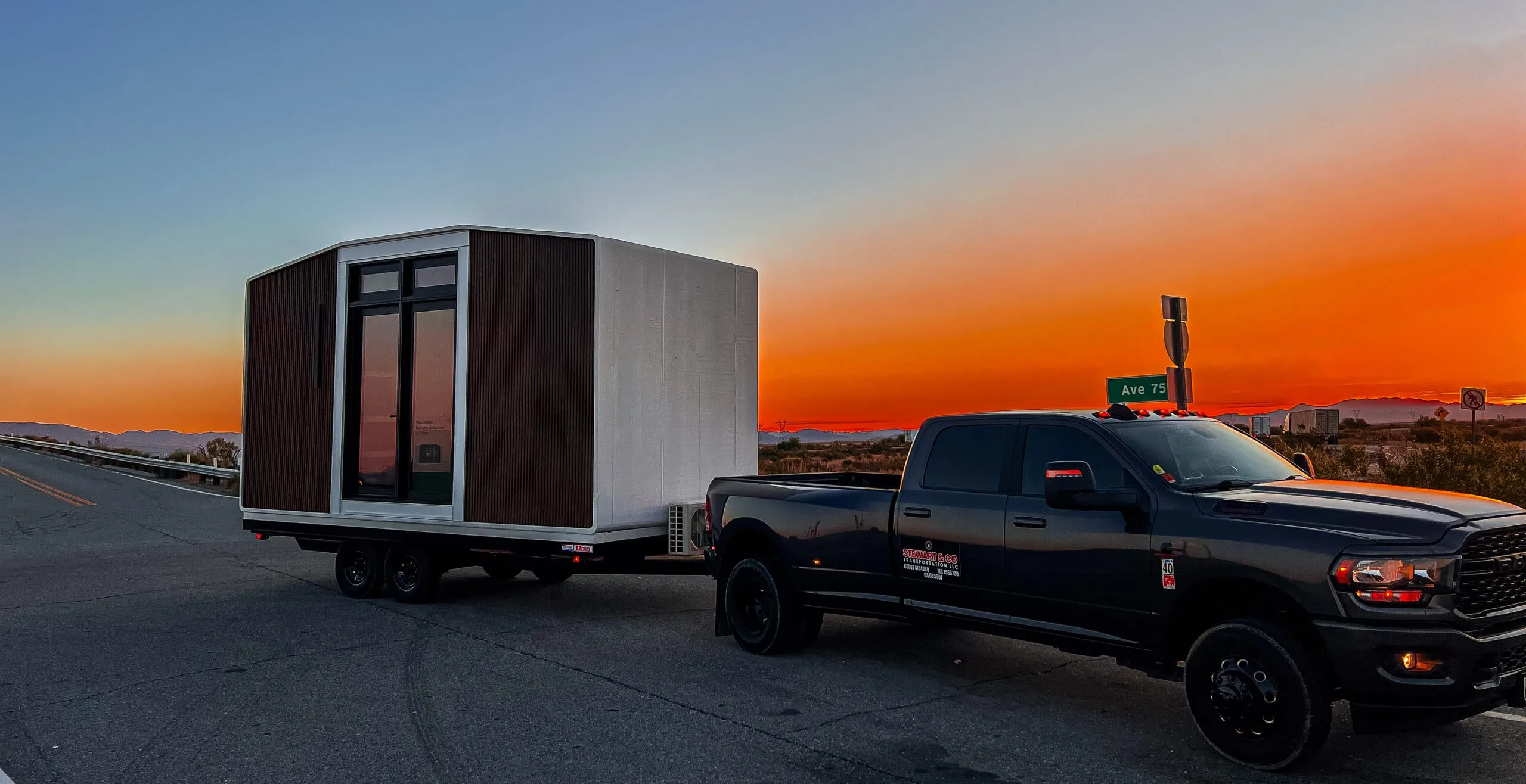
Many operators are looking for solutions that can be installed more quickly than traditional construction while still delivering comfort, durability, and modern design.
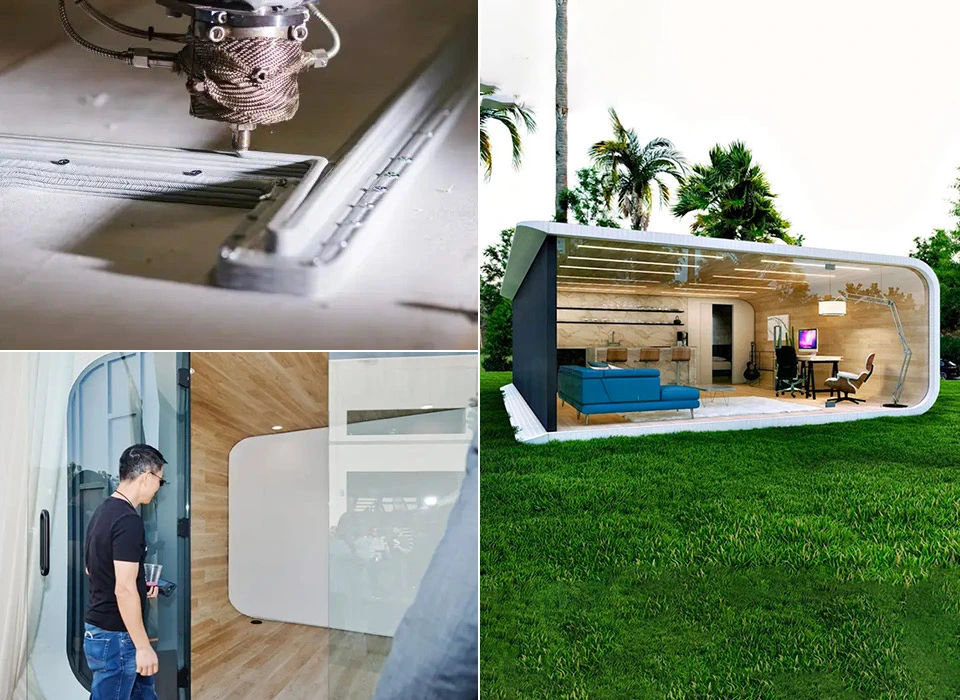
At Azure Printed Homes, we create robotically printed modular living spaces using recycled materials. Our approach combines precision manufacturing, customizable layouts, energy-efficient design, and streamlined installation to help property owners bring projects to life more efficiently.
Depending on the business model, accommodations may include compact studio units, guest suites, glamping cabins, and tiny homes. The right choice depends on the target audience, budget, available space, and long-term operating goals.
Step 6: Prepare Infrastructure and Utilities
Guests expect comfort, even when staying in nature. That means infrastructure planning is critical. Common utility considerations include:
- Electrical service
- Water supply
- Wastewater management
- Internet access
- Heating and cooling
- Stormwater drainage
- Outdoor lighting
The cost of utilities can vary significantly depending on the property’s location and existing infrastructure. In many projects, utility work represents a substantial portion of the overall investment.
Step 7: Create a Realistic Budget
Many first-time operators underestimate the total cost of launching a glamping business. The accommodations themselves are only one part of the investment.
A complete budget should account for:
Land and Site Preparation
This includes the cost of buying or leasing the property, clearing the site, improving access, grading the land, planning drainage, and preparing the area for accommodations. A well-prepared site can make delivery, installation, utilities, and long-term maintenance much easier.
Utilities, Permits, and Approvals
Budget for electrical service, water, wastewater, internet access, heating, cooling, outdoor lighting, zoning approvals, building permits, safety reviews, and any local hospitality requirements. These details should be reviewed early because they can affect both the project timeline and the final layout.
Delivery, Installation, and Setup
This includes transporting the unit to the property, placing it on-site, connecting services, furnishing the interior, and adding essentials such as beds, seating, storage, lighting, linens, and kitchen items. Planning setup costs in advance helps create a smoother path from delivery to guest-ready accommodations.
Outdoor Experience and Guest Access
Landscaping, walking paths, privacy features, outdoor seating, parking areas, and guest lighting all help shape the experience and should be part of the budget. These details may seem small, but they often influence how comfortable and memorable the stay feels.
Marketing, Insurance, and Maintenance
Plan for photography, booking promotion, insurance coverage, cleaning, repairs, seasonal upkeep, replacement items, and a reserve for unexpected operating costs. A strong operating budget helps protect the business after launch, not just during construction.
Step 8: Design for Long-Term Operations
A glamping business should be designed with ongoing operations in mind. Durable materials, practical layouts, and efficient maintenance plans can help reduce future operating costs.
Property owners should consider:
- Cleaning requirements
- Guest turnover procedures
- Seasonal maintenance
- Security systems
- Weather resistance
- Pest management
- Replacement schedules
A well-designed operation is often easier to scale and manage as bookings increase.
Step 9: Build a Strong Marketing Strategy
Even the best glamping destination needs effective marketing to attract guests. Travelers often discover unique stays through search engines, social media, travel blogs, online booking platforms, influencer content, guest reviews, and personal recommendations.
Professional photography is especially important because glamping is a highly visual experience. Clear, high-quality images of the accommodations, views, outdoor spaces, interiors, and amenities can help guests imagine the stay before they book.
Step 10: Focus on Reviews and Guest Satisfaction
Positive reviews can become one of the most valuable marketing assets for a glamping business. Guests are more likely to recommend a property when the accommodations are clean, comfortable, reliable, and supported by responsive communication.
Small details often make the biggest difference. A comfortable bed, thoughtful lighting, attractive outdoor seating, smooth check-in, and a well-maintained space can help turn a first-time guest into a repeat visitor.
Step 11: Scale the Business
Many successful glamping operators begin with a small number of units before expanding.
Starting smaller allows owners to:
- Test demand
- Refine operations
- Gather guest feedback
- Improve pricing strategies
- Reduce financial risk
Once occupancy levels and operational systems become more predictable, additional accommodations can often be added with greater confidence.
Final Thoughts
Starting a glamping business requires careful planning, but the opportunity can be significant for property owners who focus on both the accommodations and the overall guest experience.
The most successful projects usually begin with a clear concept, realistic budgeting, thoughtful site selection, and a commitment to creating memorable stays. By planning for infrastructure, operations, marketing, and guest satisfaction from the beginning, entrepreneurs can build a stronger foundation for long-term success.
As demand for unique outdoor hospitality experiences continues to grow, well-designed glamping destinations are positioned to attract travelers looking for comfort, nature, and something different from the traditional hotel experience.