Glamping means “glamorous camping.” It is a style of travel that combines the outdoor feel of camping with the comfort of a more finished, thoughtfully designed space.
Instead of sleeping in a basic tent, packing every piece of gear, or giving up everyday comforts, glamping gives people a way to enjoy nature with fewer tradeoffs. A glamping stay might include a real bed, climate control, a private bathroom, a small kitchen, stylish interiors, and a better sense of privacy.
The idea is simple: guests still get the views, fresh air, quiet mornings, and outdoor setting, but they do not have to rough it.
What Glamping Actually Is
Glamping is an upgraded form of camping designed around comfort, convenience, and experience. It is often used for weekend trips, nature retreats, vacation rentals, wellness stays, and outdoor hospitality businesses.
Traditional camping usually depends on tents, sleeping bags, shared facilities, and a lot of setup. Glamping is different. The space is usually ready when guests arrive, and the design is part of the attraction.
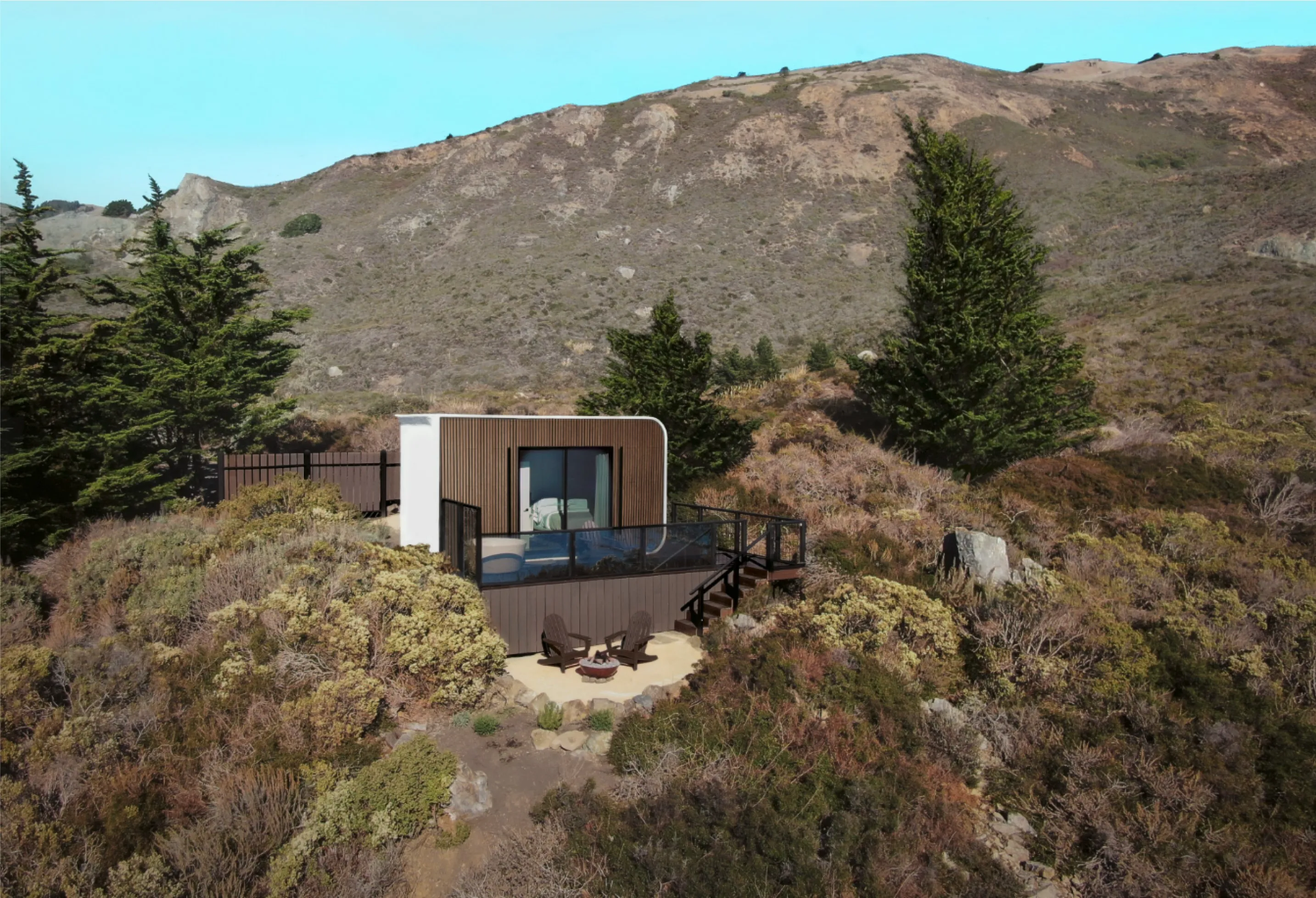
A glamping unit can be simple or more complete. Some are small sleeping spaces with basic amenities. Others feel closer to a tiny home, with a bathroom, kitchen area, heating, cooling, and a private deck.
Glamping vs Camping
The biggest difference between glamping and camping is the level of comfort.
Camping is usually more hands-on. Guests may bring their own tent, cooking equipment, bedding, lighting, and supplies. They may also need to set everything up themselves.
Glamping is more prepared. The structure is already in place, and the experience is designed to feel easy from the start. Guests can arrive, settle in, and enjoy the location without spending the first hour building a campsite.
That does not mean glamping removes the outdoor feeling. A good glamping experience still feels close to nature. It simply adds better shelter, better rest, and better design.
Why Glamping Has Become So Popular
Glamping has grown because many travelers want outdoor experiences without giving up comfort. They want something that feels different from a hotel, but easier than traditional camping.
For guests, glamping can offer:
- More comfort than a tent
- A stronger connection to nature
- More privacy than a crowded campground
- A memorable design or setting
- Less packing and setup
- A better option for people who do not camp often
For property owners and hospitality operators, glamping can also create new ways to use land. A well-planned glamping site can work for rural properties, vineyards, wellness retreats, destination resorts, campgrounds, and nature-based rentals.
What Makes a Good Glamping Unit?
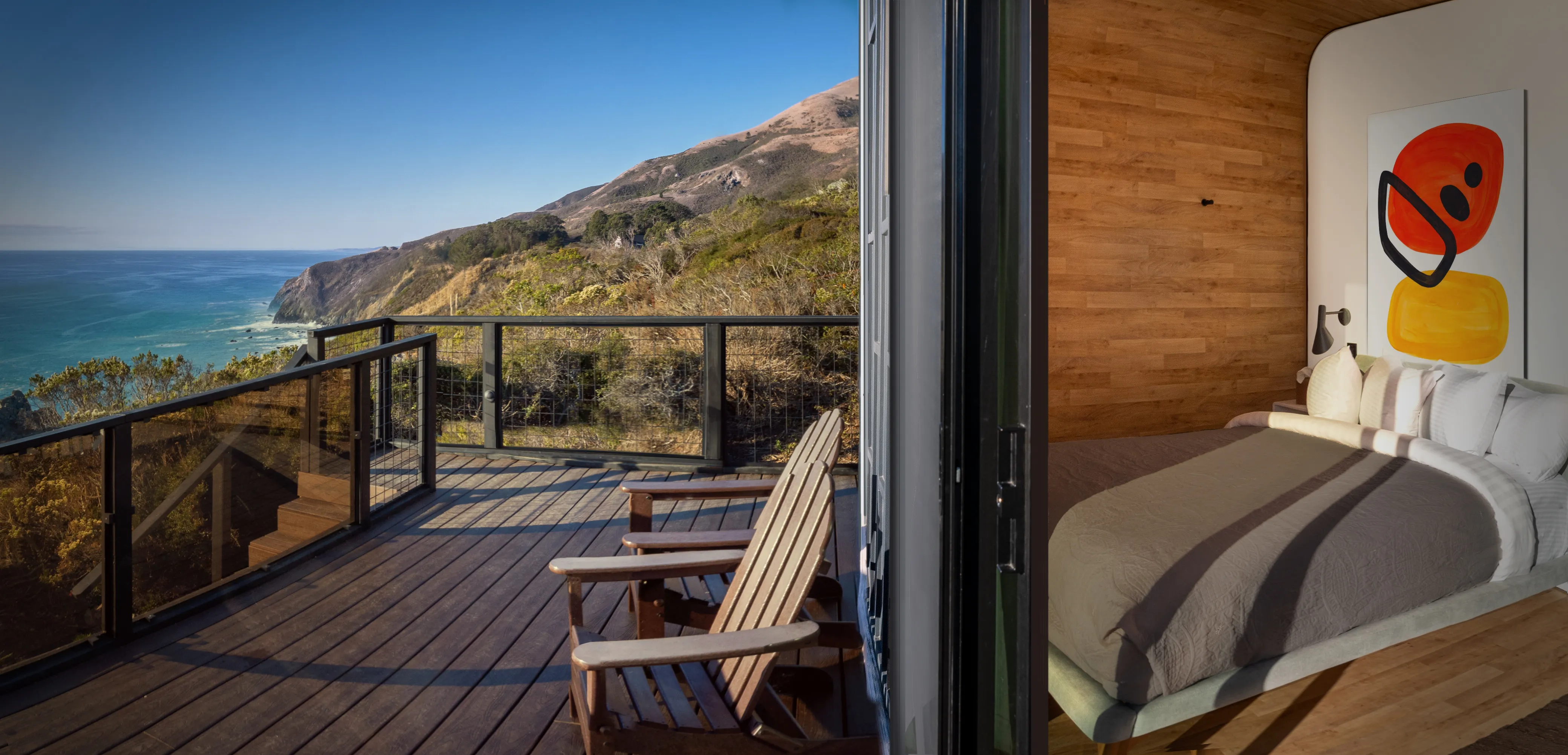
A good glamping unit should feel comfortable, practical, and connected to its surroundings. It does not need to be large, but it should be well planned.
Important features may include:
- A comfortable sleeping area
- Good insulation
- Weather resistance
- Heating and cooling options
- Easy-to-clean surfaces
- Smart storage
- Natural light
- A bathroom or nearby restroom access
- A small kitchen or kitchenette where needed
- Outdoor seating or deck space
Guests often choose glamping because they want the location and the experience. The unit should support both.
Common Types of Glamping Spaces
Glamping can take many forms depending on the property, climate, budget, and guest experience. Some stays are simple and nature-focused, while others feel closer to a small modern home. The best choice depends on how the space will be used, how long guests will stay, and what level of comfort the property owner wants to provide.
Tiny Homes
Tiny homes are a popular choice for glamping because they offer a complete stay in a compact footprint. They can include sleeping space, storage, a small kitchen, and a bathroom, making them useful for guests who want nature without giving up everyday comfort.
At Azure Printed Homes, we create 3D-printed modular spaces that can support compact living and outdoor hospitality uses. These units are designed to feel modern, efficient, and easy to place into a well-planned glamping setting.
Modular Studios
Modular studios work well for simple guest stays, private retreats, creative spaces, or wellness-focused rentals. They can be a good fit when the goal is to provide a quiet, comfortable room rather than a full home.
Our Studio Series includes compact options such as A/D/C-100, A/D/C-120, and N100 models. These can be used for flexible small-space needs, including backyard studios, guest areas, retreat spaces, and glamping-style accommodations where a simple, finished unit makes sense.
Homes on Wheels
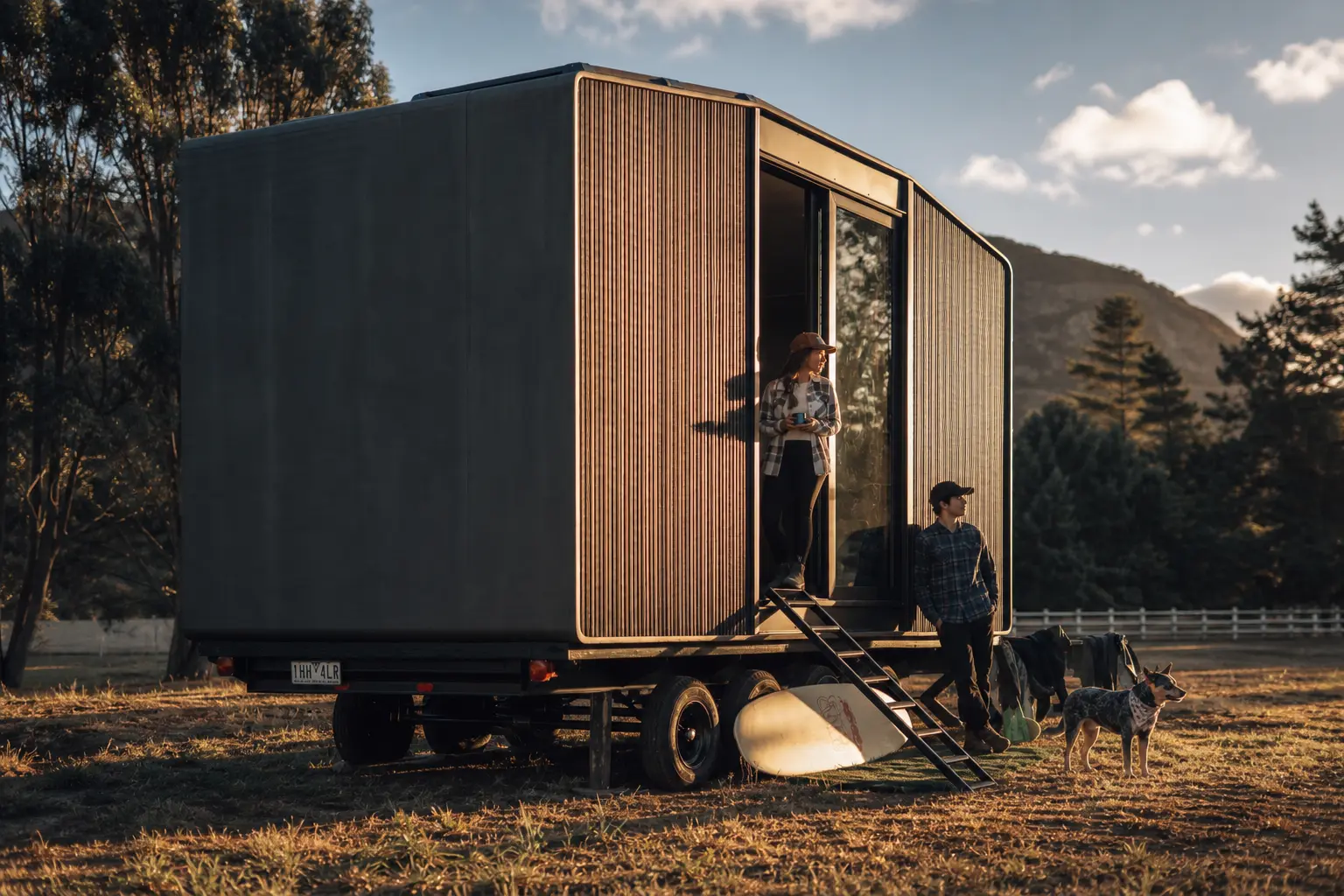
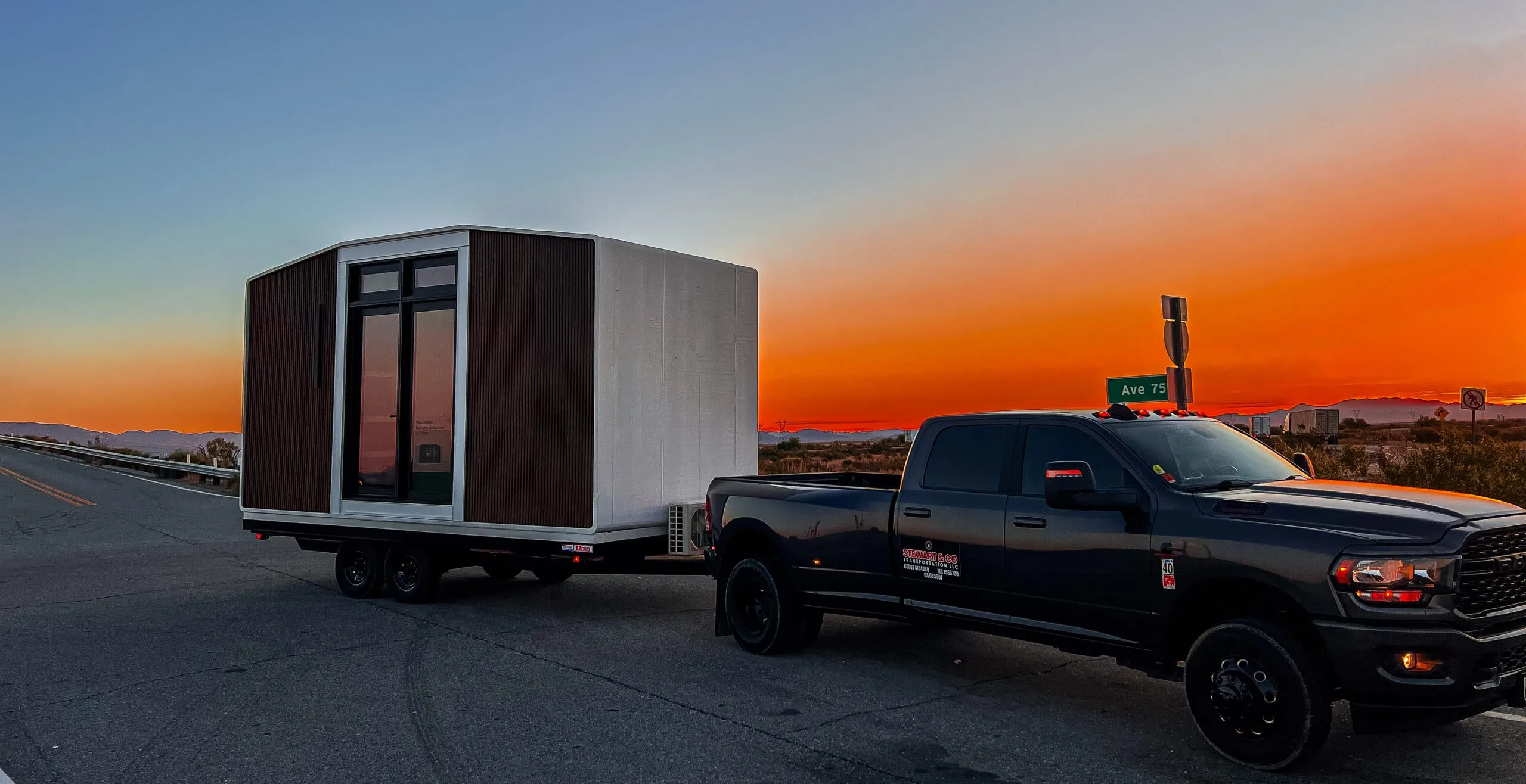
Homes on wheels are useful for glamping projects that need more flexibility. They can work well for properties where mobility, seasonal placement, or a chassis-based structure is important.
Our X Series homes on wheels include X180, X270, and X360 models. These units are designed for compact living with more mobility, making them a practical option for buyers who want a ready-made space that can support travel-inspired stays or flexible outdoor lodging.
Small ADU-Style Units
Small ADU-style units can be a strong option for glamping sites that need more complete accommodations. These spaces may include a kitchen, bathroom, sleeping area, and living space, which can make them better suited for longer stays or higher-comfort guest experiences.
Azure’s Homes & ADUs line includes larger models for buyers who need more room than a basic studio. These can support more complete layouts for guests, families, or rental-style stays where comfort and function matter.
Pods, Cabins, Domes, and Tents
Some glamping properties use pods, cabins, domes, or safari-style tents to create a distinctive look. These options can work well when the main goal is atmosphere, views, and a memorable guest experience.
The right structure depends on the site and the type of stay being offered. A weekend rental may only need a simple sleeping space, while a wellness retreat or long-term nature stay may need stronger insulation, better climate control, a private bathroom, and more complete utilities.
Why 3D-Printed Units Can Work Well for Glamping
Glamping is not just about shelter. It is about creating a place people remember. A 3D-printed modular unit can help create that kind of experience because it feels fresh, intentional, and different from standard outdoor lodging.
For glamping operators, 3D-printed modular spaces can offer several advantages:
- A modern look that stands out
- A controlled production process
- Reduced on-site disruption
- Recycled material use
- Repeatable designs for multi-unit sites
- Flexible layouts for different guest needs
- Faster setup compared with many traditional building paths
This can be especially helpful for properties that want to add guest units without taking on a long, complicated construction process.
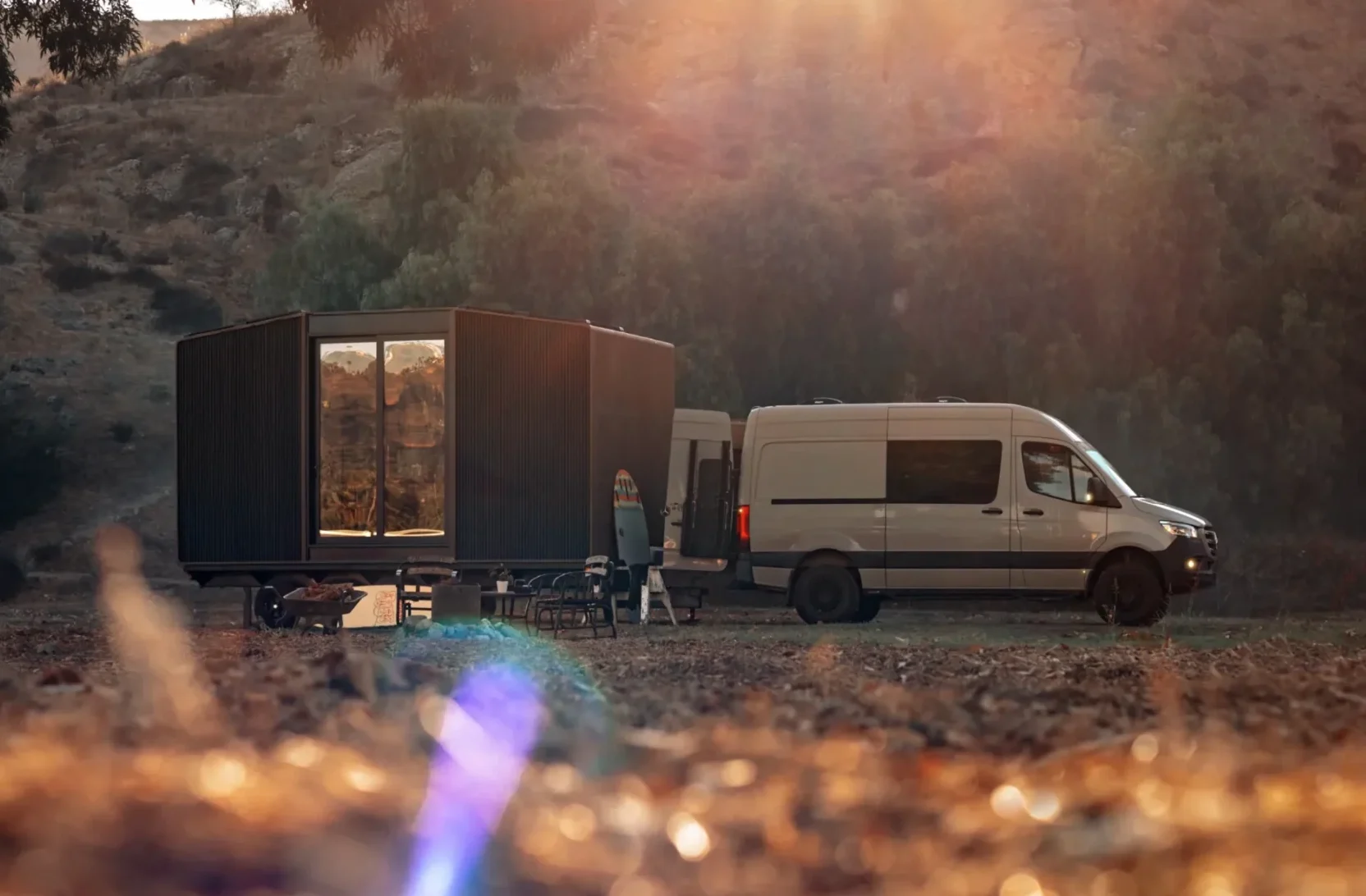
Glamping for Property Owners and Guests
Glamping works best when it serves both sides of the experience. Property owners need a practical way to use land, plan the site, and manage the guest stay. Guests want a comfortable escape that still feels close to nature.
| For Property Owners | For Guests |
| Turns unused or underused land into a guest experience | Offers a nature-focused stay without the rough parts of camping |
| Can work on scenic land, open fields, wooded areas, desert settings, or private backyard-style spaces | Gives travelers comfort, privacy, and a more memorable setting |
| Requires planning around access, utilities, permits, zoning, parking, drainage, and maintenance | Works well for couples, families, remote workers, wellness guests, and weekend travelers |
| Depends on both the unit and the surrounding site experience | Can include better sleep, climate control, private facilities, and a calmer place to recharge |
| Needs thoughtful details like walkways, lighting, outdoor seating, views, and privacy | Feels peaceful, simple, and a little special when the space is well designed |
The unit matters, but glamping is never only about the structure. A strong glamping stay includes the setting, the path to the unit, the outdoor area, the view, the lighting, and the way guests move through the space.
For property owners, that means planning the full experience before choosing a model. For guests, it means arriving somewhere that feels easy, comfortable, and connected to the outdoors.
What to Consider Before Starting a Glamping Project
A glamping project should begin with the guest experience. Before choosing a unit, owners should ask what kind of stay they want to create.
Useful planning points include:
- Who will use the space?
- Will it be for short stays or longer stays?
- Does the unit need a bathroom?
- Does it need a kitchen?
- How private should each unit feel?
- What utilities are available?
- What permits are required?
- How will guests access the site?
- How many units could the property support?
The more clearly the project is planned, the easier it is to choose the right structure and layout.
Final Thoughts
Glamping means enjoying the outdoors without giving up comfort. It gives guests a way to stay close to nature while still having a better place to sleep, relax, and recharge.
For property owners, glamping can also be a practical way to create memorable guest stays and make better use of land. The right unit can turn a simple outdoor setting into a destination.
At Azure Printed Homes, we build 3D-printed modular living spaces for people who want something more future-focused than a standard cabin or traditional small structure. With recycled materials, efficient production, and flexible designs, our glamping-ready units can help bring modern outdoor living to life.