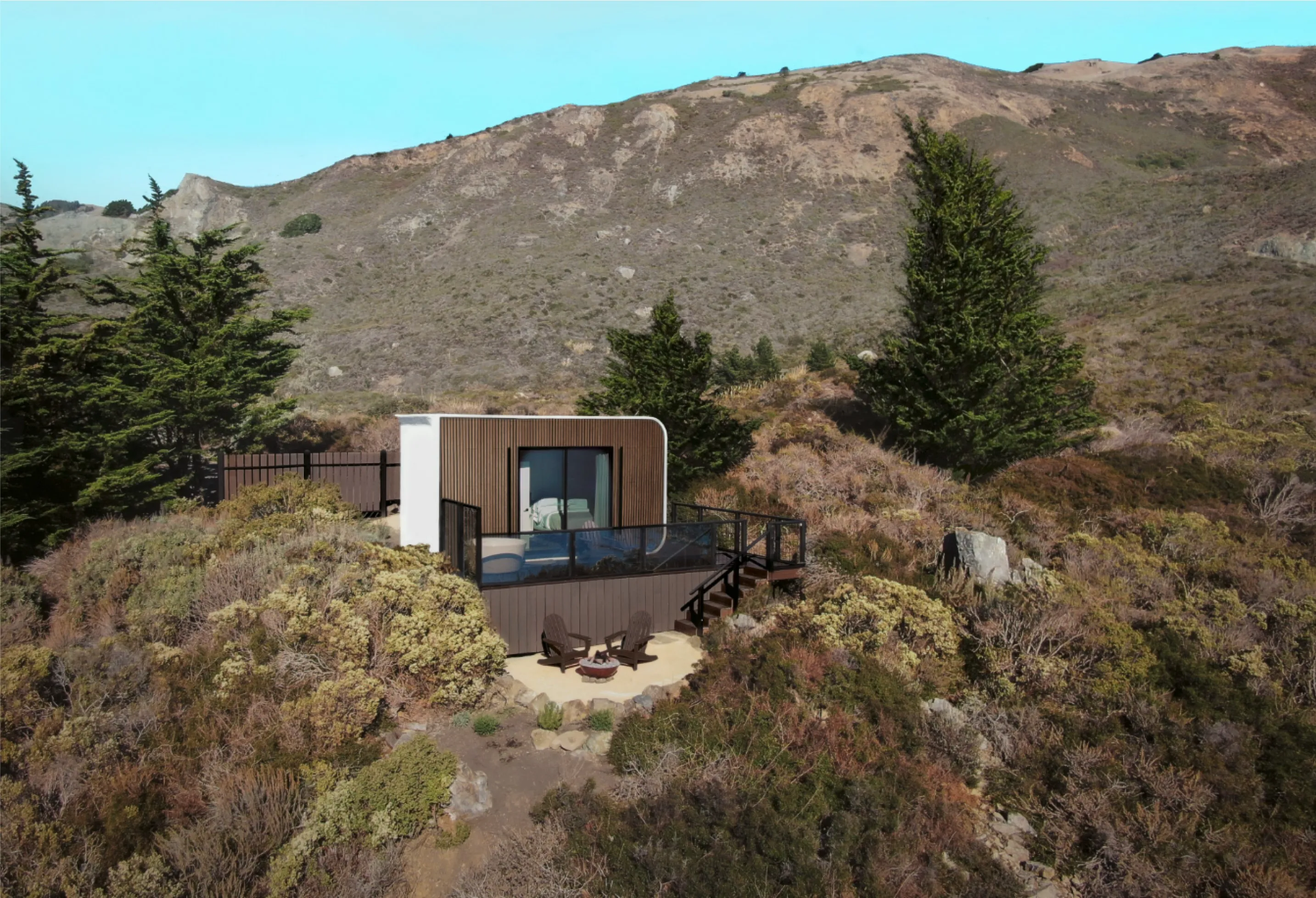
3D printed homes can start under $30,000 for compact studio units and rise into the low hundreds of thousands for larger ADUs or complete living spaces. The final cost depends on size, layout, finishes, site work, delivery, installation, permits, and utility connections.
A small backyard studio will not cost the same as a larger home with bedrooms, a bathroom, kitchen, storage, and full living features. Homes on wheels also follow a different pricing path than permanent backyard units.
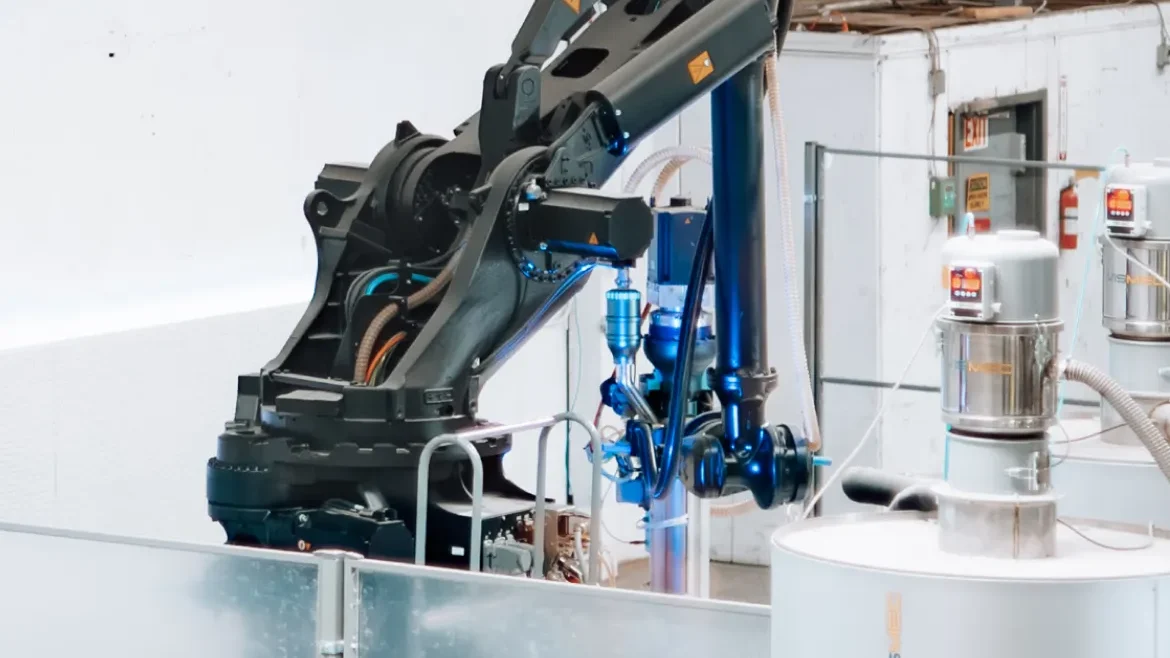
At Azure Printed Homes, we create robotically printed modular living spaces using recycled materials, including plastic waste. Our goal is to make future-focused housing feel practical, customizable, and easier to plan from the start.
Average 3D Printed Home Prices
In the broader market, 3D printed home costs can vary widely. Small units may start in the tens of thousands of dollars, while larger finished homes can reach the low hundreds of thousands or more. The final price depends on size, location, materials, interior finishes, site work, utility needs, delivery, and permitting.
It is also important to compare what each price includes. A basic studio, a shell structure, a finished ADU, and a full living unit are not the same type of project. A lower starting price may look attractive, but buyers should also consider the cost of making the space usable.
At Azure Printed Homes, pricing starts at $24,900 for compact studio models. These smaller units can work well for backyard offices, creative rooms, guest space, wellness rooms, or other flexible uses.
For larger projects, our A Series homes start at $49,900 and range up to $219,900, while our X Series homes on wheels start at $69,900. This gives buyers several entry points, from small backyard spaces to larger modular homes and mobile living units.
Detailed 3D Printed Home Cost by Model Type
The cost of a 3D printed home usually starts with the model size and category. Smaller units are more affordable, while larger homes with bedrooms, bathrooms, kitchens, and expanded layouts naturally cost more.
For buyers comparing options, it helps to separate 3D printed homes into a few common categories.
Studio Units
Studio units are usually the most compact and affordable option. They can work well for backyard offices, creative rooms, wellness spaces, guest areas, hobby rooms, or flexible personal use.
Our compact studio models include:
- A/D/C-100 and N100, starting at $24,900
- A/D/C-120, starting at $29,900
These smaller units are designed for buyers who want usable extra space without taking on the size or cost of a full home.
A studio may not need the same plumbing, kitchen, or residential setup as a full-time dwelling. That can make it a simpler project in the right setting, especially when the property already has good access and a clear installation area.
ADUs and Larger Modular Homes
Accessory dwelling units and larger modular homes cost more because they often need more complete living features. A full ADU may include sleeping space, a bathroom, a kitchen, storage, utilities, HVAC, and more interior finishing.
Our larger A Series models include:
| Model | Starting Price |
| A-180 | $49,900 |
| A-360 | $89,900 |
| A-540 | $134,900 |
| A-720 | $174,900 |
| A-900 | $219,900 |
These homes are useful for buyers planning guest housing, rental use, family space, compact full-time living, or additional living space on a property where local rules allow it.
A larger 3D printed home may have a higher upfront cost, but it can also offer more long-term flexibility. The key is choosing a model that fits the actual use, not just the lowest price.
Homes on Wheels
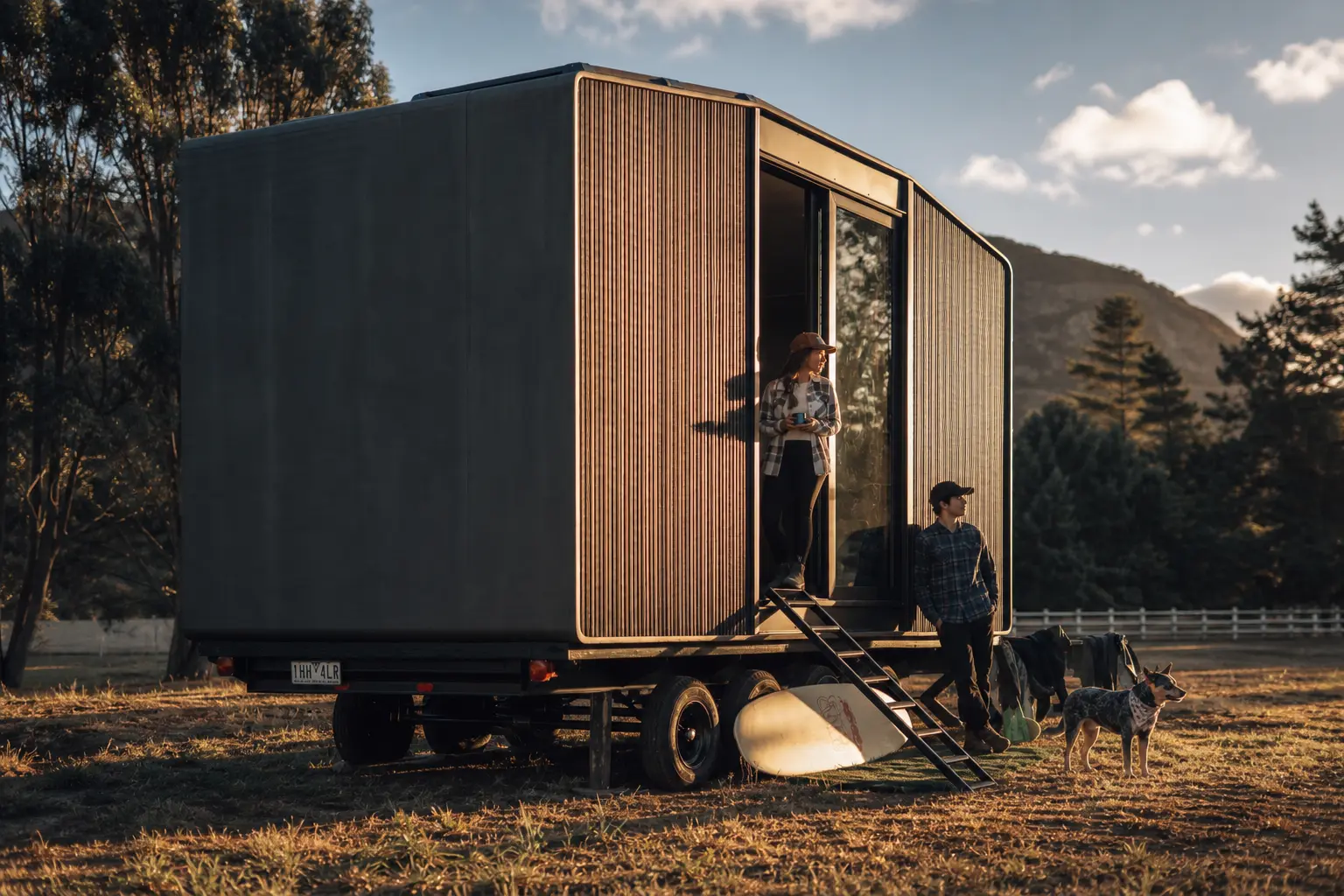
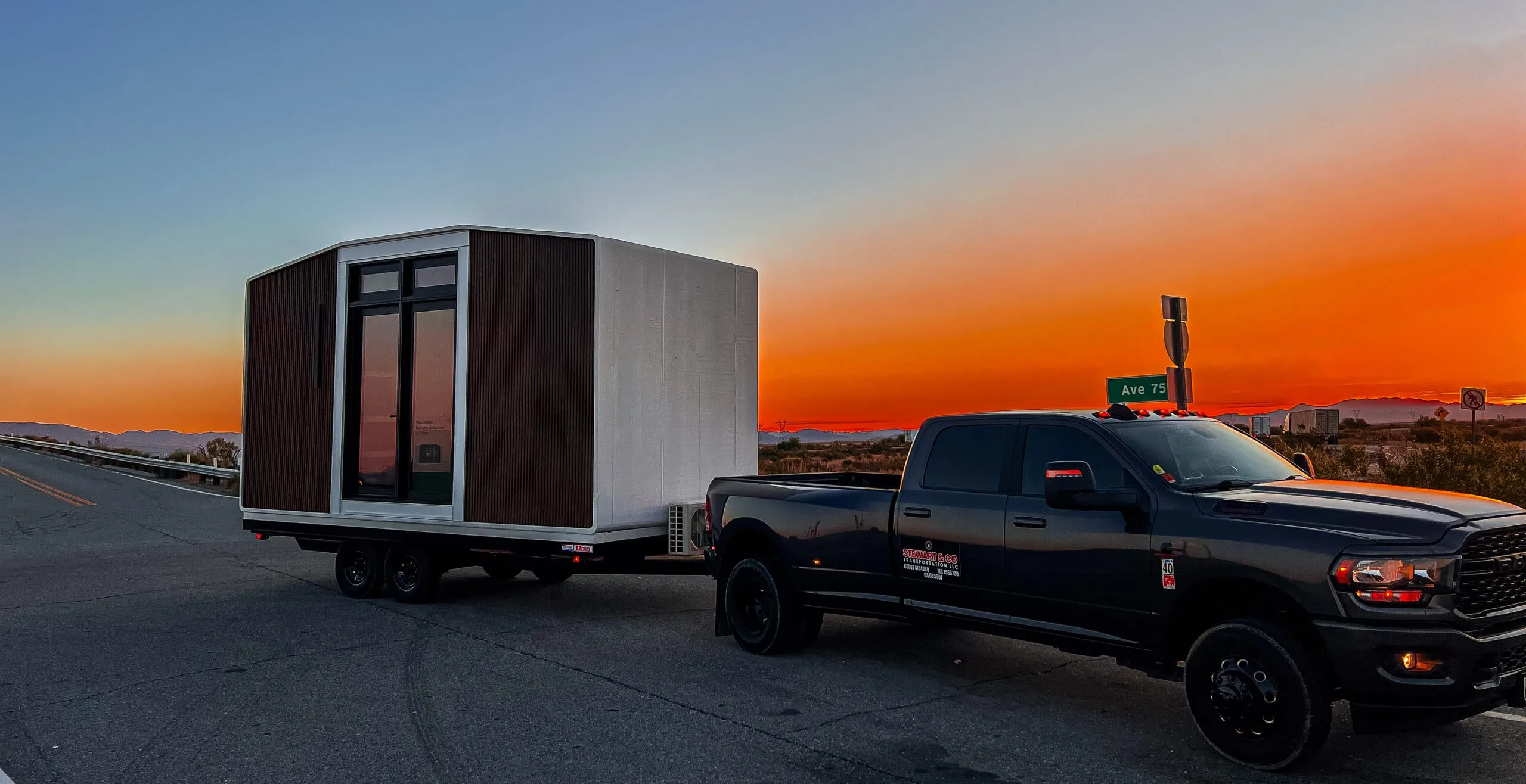
Homes on wheels have a different cost structure because they are built on a chassis and designed for mobility or flexible placement. These units may appeal to buyers who want a compact living solution that does not feel tied to one permanent foundation in the same way as a site-built ADU.
Our X Series homes on wheels include:
| Model | Starting Price |
| X180 | $69,900 |
| X270 | $84,900 |
| X360 | $109,900 |
These models can work well for compact living, vacation use, rental settings, glamping sites, or flexible housing plans where a chassis-based structure makes sense.
Why 3D Printed Home Prices Vary
A starting price gives buyers a useful baseline, but it is not always the full project cost. The final price depends on what the buyer needs, what the property requires, and what local rules allow.
A 3D printed home is still a real structure. It may be faster and more efficient to produce, but the full project still needs planning.
Size and Layout
Size is one of the biggest cost factors. A 100 sq ft studio will usually cost far less than a 720 sq ft or 900 sq ft ADU with bedrooms and bathrooms.
Layout also matters. A simple open room is easier to build and finish than a space with separate rooms, plumbing walls, kitchen equipment, storage areas, and more complex utility needs.
Interior Finishes
Finishes can change the cost of a 3D printed home quickly. Flooring, cabinetry, lighting, bathroom fixtures, kitchen features, appliances, wall finishes, windows, doors, and built-in storage all affect the final number.
Some buyers want a clean, simple unit. Others want a more complete living space with upgraded finishes. Both can make sense, but they should be budgeted differently.
Plumbing, Electrical, and HVAC
A backyard studio used as an office may only need electrical, lighting, climate control, and basic comfort features. A full ADU may need plumbing, kitchen systems, bathroom fixtures, water heating, ventilation, and more detailed utility planning.
The more complete the living function, the more the buyer should expect to plan for mechanical, electrical, and plumbing costs.
Site Work
The property itself can influence the cost as much as the home. A flat, accessible site with nearby utilities is much easier to work with than a steep, tight, restricted, or hard-to-access lot.
Common site-related costs may include grading, foundation preparation, drainage, utility trenching, delivery access, crane access, permits, inspections, and final connections.
Before choosing a model, buyers should think about where the unit will go and what needs to happen before it can be installed.
Delivery and Installation
Delivery and installation costs depend on the unit size, site distance, access route, placement area, and local conditions. A small studio going into an easy backyard may be much simpler than a larger ADU that requires more equipment or site coordination.
At Azure Printed Homes, our process is built around configuration, robotic printing, finish installation, delivery, and on-site installation. The goal is to make the path from idea to usable space more organized and easier to follow.
What Is Included in a 3D Printed Home Price?
This depends on the provider and the model. In general, a starting price usually reflects the base unit or base configuration. Additional features, customizations, site requirements, and installation needs may change the final cost.
For our Azure Printed Homes, the process begins with choosing and configuring a unit. The home is then robotically printed with recycled materials, finished according to the order, delivered, and installed on-site with necessary service connections as part of the project process.
Buyers should always clarify what is included before making a decision. Important items to review include:
- Model size and base layout
- Interior finish level
- Electrical package
- Plumbing package
- Bathroom or kitchen features
- HVAC or climate control
- Delivery
- Installation
- Foundation or support requirements
- Utility connections
- Permit responsibilities
- Site preparation needs
The more specific the quote, the easier it is to avoid surprises.
How to Budget for a 3D Printed Home
The best way to budget for a 3D printed home is to think beyond the model price. A practical budget should include both the unit and the project around it.
Start With the Use Case
Before choosing a model, buyers should decide how the space will actually be used. A backyard office, guest suite, rental unit, glamping cabin, tiny home, and full-time ADU all need different features.
The use case affects size, layout, permits, utilities, privacy, storage, and comfort. A clear purpose makes it easier to choose the right model and avoid paying for features that are not needed.
Check Local Rules Early
Zoning, permits, setbacks, utility rules, and ADU regulations can affect whether a 3D printed home is allowed on a property. These rules vary by city and county, so buyers should check local requirements before making major decisions.
This step may not feel exciting, but it can save time and money. A great unit still needs to fit the legal and practical conditions of the site.
Plan the Site Before Ordering
A prepared site can make the project smoother. Buyers should look at access, grading, drainage, foundation needs, utility locations, and delivery routes.
A difficult site does not always mean the project cannot happen. It simply means the budget needs to reflect the extra work.
Choose the Right Size
Bigger is not always better. A smaller unit can be a smart choice if it fits the purpose well. A larger unit may be worth the investment if the buyer needs a true living space with long-term flexibility.
The goal is not just to buy the cheapest model. The goal is to choose a model that will stay useful over time.
When a 3D Printed Home Is the Right Choice and When It Isn’t
3D printed homes can be a strong option when buyers want efficient construction, compact living, customization, and a more sustainable building method. They can also be cost-efficient in many cases, especially when compared with larger traditional building projects.
Best-Fit Use Cases
3D printed homes may work well for:
- Backyard offices or studios
- Guest spaces or in-law suites
- ADUs
- Tiny homes
- Homes on wheels
- Glamping units
- Rental or vacation properties
- Compact family housing
At Azure Printed Homes, we focus on modular spaces that can support different needs, from compact studios to larger ADUs and homes on wheels. Our homes are designed with recycled materials, energy efficiency, customizable layouts, and a streamlined production process.
Common Limits
A 3D printed home may not be the right fit for every property or every buyer. If the site is hard to access, local zoning is unclear, utilities are far away, or the buyer needs a highly customized traditional house, the project may require more planning.
Some properties also have restrictions related to ADUs, tiny homes, mobile units, or accessory structures. A 3D printed home works best when the design, site, budget, and local rules all line up.
Real-World Cost Comparisons
A 3D printed home may be cheaper than a traditional home in some situations, but buyers should compare the full project cost, not just the model price.
Costs may still include:
- Site work
- Permits and approvals
- Utility connections
- Delivery and installation
- Foundation or support needs
- Interior finish upgrades
Final Thoughts
So, how much do 3D printed homes cost?
Our compact studio models start at $24,900, larger A Series homes start at $49,900, and homes on wheels start at $69,900. Final project costs can vary based on size, layout, finishes, delivery, installation, site work, utilities, and permits.
The smartest approach is to look at the full picture. A 3D printed home is not just a product. It is a housing project, and the right budget should include both the unit and everything needed to make it usable.
For buyers who want a future-focused, more sustainable way to create extra space, 3D printed homes offer a practical path forward. With the right model and the right site, they can make modern compact living feel simpler, faster, and much more achievable.