3D printed homes can be cheaper in some situations, but the real answer depends on the home size, site conditions, finishes, delivery, utilities, permits, and installation needs. The printed structure is only one part of the full project cost. A simple compact unit on an easy site will usually be more affordable than a larger custom home that needs extensive site work.
Still, 3D printed housing has changed the cost conversation. By using robotic printing, factory-based production, recycled materials, and modular design, builders can reduce some of the delays, waste, and labor challenges that often make construction expensive.
At Azure Printed Homes, we create future-focused modular living spaces using robotically printed construction and recycled plastic materials. Our goal is to make compact homes, ADUs, studios, and homes on wheels more practical for people who want faster, smarter, and more sustainable ways to build.
Why 3D Printed Homes Can Cost Less
The biggest cost advantage of 3D printed homes usually comes from efficiency. Traditional construction often involves many different crews, long timelines, material waste, weather delays, and changing site conditions. 3D printed construction moves part of that process into a more controlled environment.
Instead of building every wall by hand on-site, the home or unit can be robotically printed with a high level of precision. That can help reduce waste and shorten parts of the construction schedule.
For buyers, this matters because delays cost money. Labor costs money. Wasted materials cost money. A faster and more predictable process can make the overall project easier to manage.
Understanding the Full Project Cost
A common mistake is comparing only the base price of a 3D printed home to the cost of a traditional house. That does not show the full picture.
A complete project may include:
- The unit itself
- Design and configuration
- Interior finishes
- Electrical and plumbing
- Delivery
- Site preparation
- Foundation or placement requirements
- Utility connections
- Permits and local approvals
- Installation
- Optional features such as HVAC, solar panels, or batteries
This is why two homes with the same model price can have different final costs. A property with easy access, nearby utilities, and supportive local rules will usually be simpler than a remote or difficult site.
How We at Azure Printed Homes Approach Cost
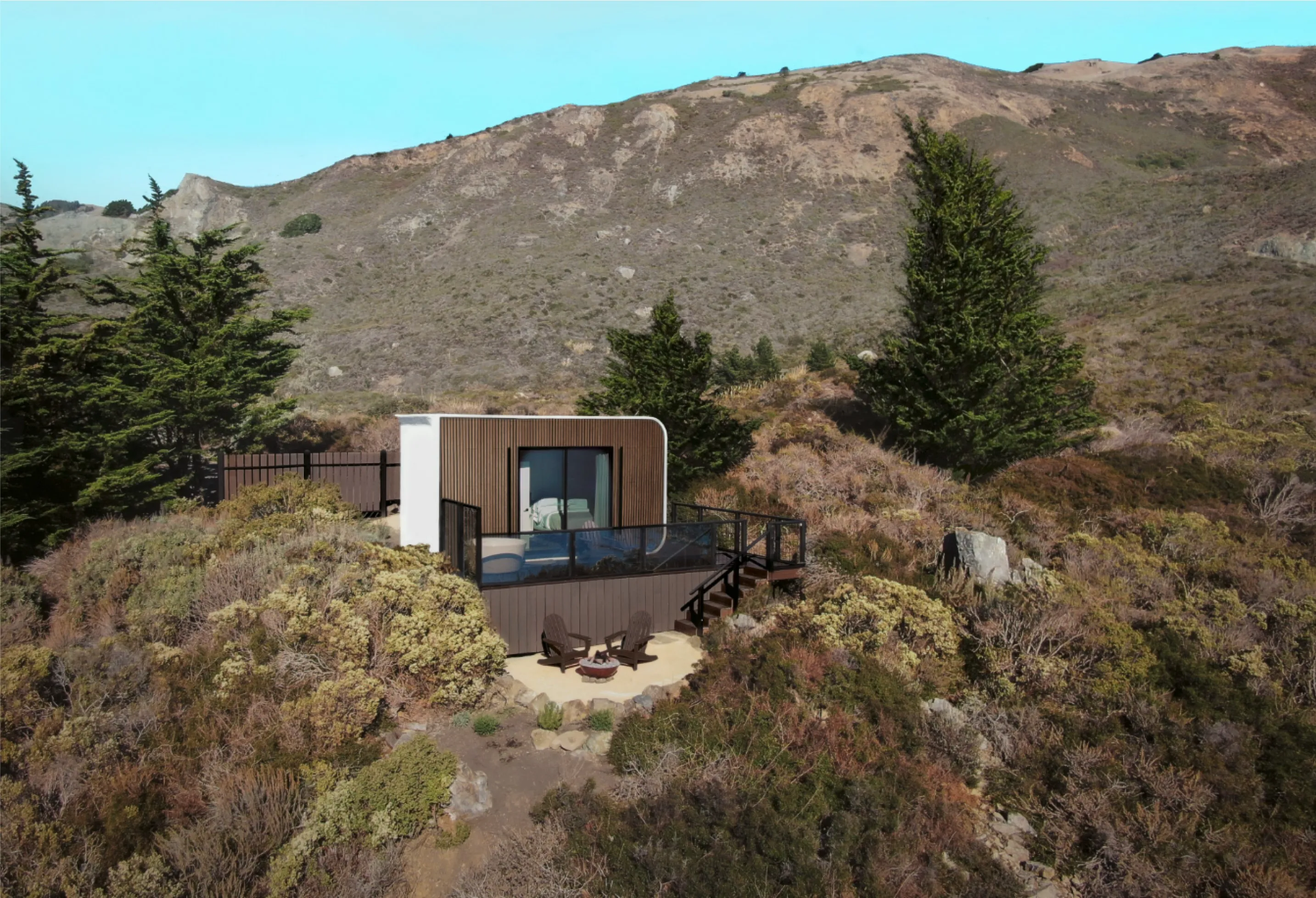
We focus on compact, modular spaces that can be configured for different uses. That includes backyard studios, ADUs, tiny home-style units, glamping spaces, office pods, and homes on wheels.
Our Studio Series starts with compact models such as the A/D/C-100, A/D/C-120, and N100. These units can work well for offices, guest spaces, wellness rooms, creative studios, backyard use, or flexible personal space.
For buyers looking at larger layouts, our A Series includes models such as the A-180, A-360, A-540, A-720, and A-900. These are better suited for ADUs, small homes, guest housing, rental use where allowed, or compact residential projects.
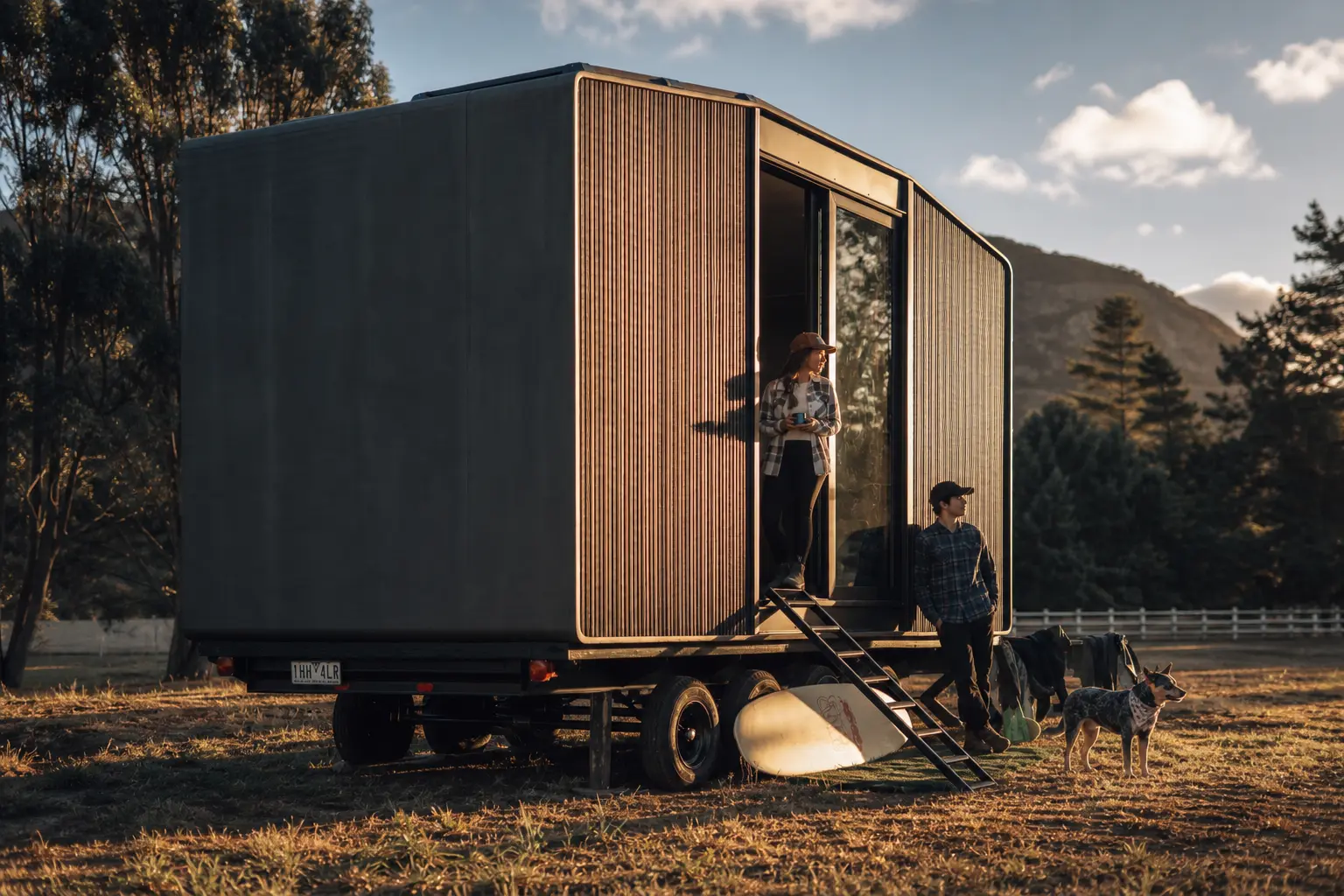
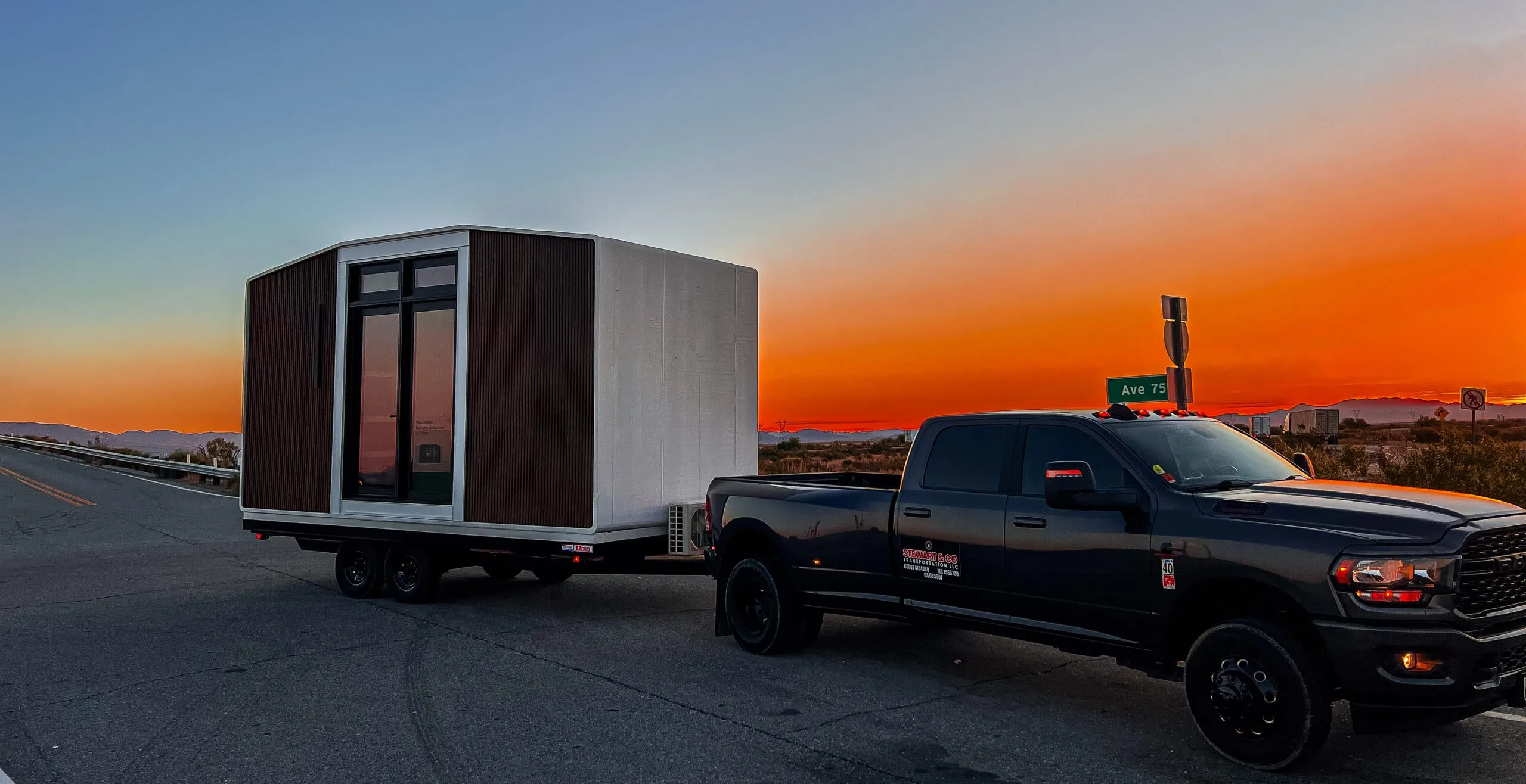
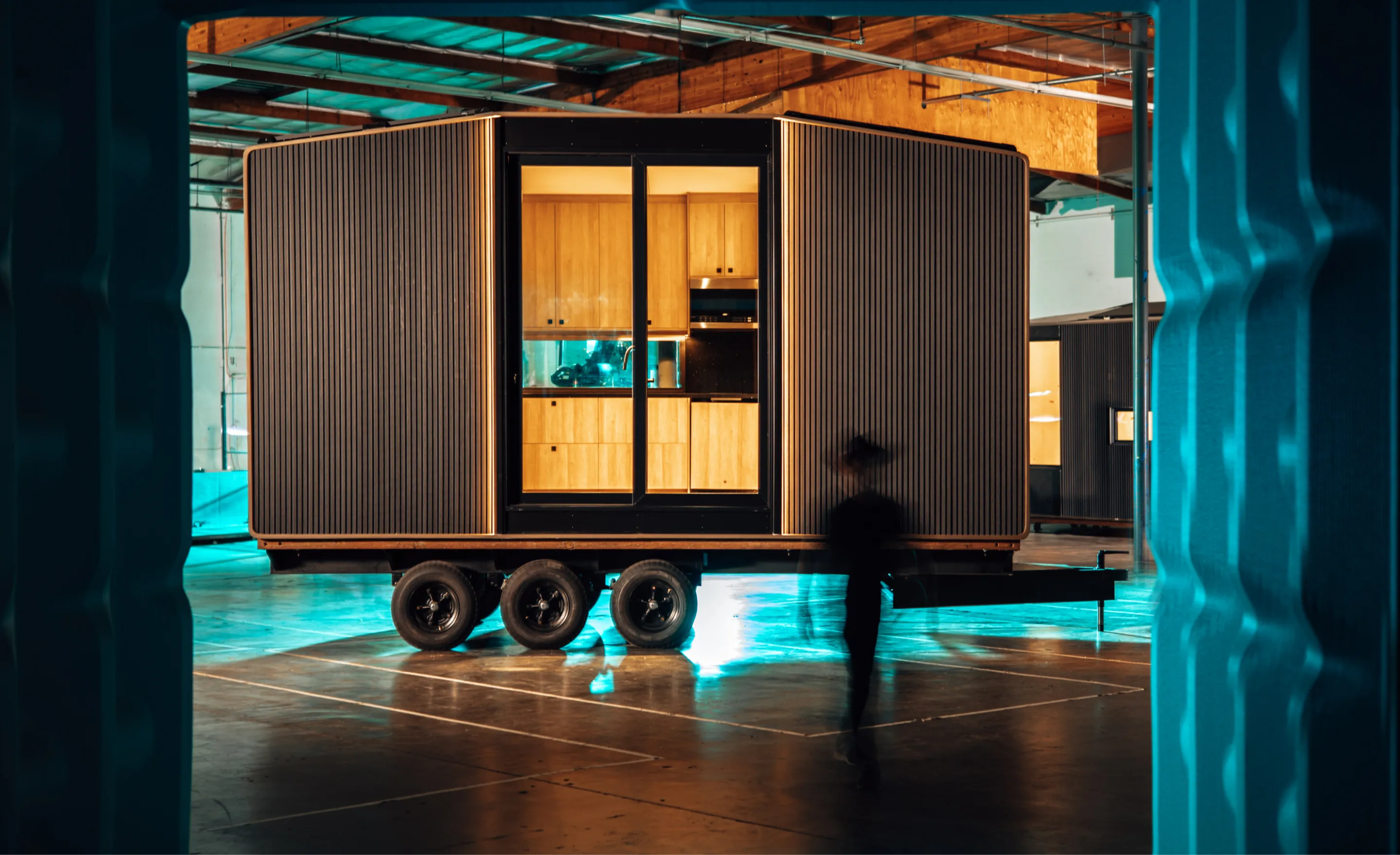
We also offer X Series homes on wheels, including the X180, X270, and X360. These chassis-based units are designed for people who want more mobility and flexibility than a permanent unit may provide.
Azure Price Guide
Pricing depends on model, configuration, finishes, site needs, delivery, and installation.
| Model | Starting Price | Brief Description |
| A/D/C-100 | $24,900 | Compact studio-style unit for small backyard spaces, offices, guest use, or flexible personal space. |
| A/D/C-120 | $29,900 | Slightly larger compact unit suited for studios, workspaces, guest areas, or creative rooms. |
| N100 | $24,900 | Compact 100 sq ft unit designed for flexible small-space use. |
| A-180 | $49,900 | Small modular living unit for compact residential, guest, or rental-style use where allowed. |
| A-360 | $89,900 | Larger ADU-style model with more room for everyday living, hosting, or backyard housing. |
| A-540 | $134,900 | Mid-size modular home option for buyers needing more complete living space. |
| A-720 | $174,900 | Larger home or ADU model for expanded layouts and more comfortable long-term use. |
| A-900 | $219,900 | Spacious modular home model for buyers who need the largest Azure living option. |
| X180 | $69,900 | Compact home on wheels for flexible living, travel-inspired use, or mobile hospitality projects. |
| X270 | $84,900 | Mid-size home on wheels with more interior space while keeping mobility in mind. |
| X360 | $109,900 | Largest X Series home on wheels for buyers wanting a more complete mobile living setup. |
These starting prices can help buyers compare options before looking at the full project scope.
Where 3D Printed Homes May Save Money
Cost savings usually come from the way the project is planned, produced, and installed. A 3D printed home may reduce waste, shorten certain construction stages, and make the building process more predictable. The biggest benefits are often seen when the design is simple, the site is ready, and the buyer chooses a model that fits the intended use without unnecessary customization.
Faster Construction
Speed is one of the clearest advantages. At Azure, the printing stage can take as little as about one day, depending on the unit. Finishes, delivery, and installation still take time, but robotic printing helps shorten one major stage of the process. A shorter timeline can reduce some labor needs and help projects move forward with fewer delays.
Less Material Waste
Traditional construction can create a lot of waste through offcuts, over-ordering, mistakes, and site changes. 3D printed construction is more controlled. Materials are placed with precision, which can help reduce unnecessary waste. We at Azure also use recycled plastic materials, giving plastic waste a new purpose in durable modular structures.
More Predictable Production
Factory-based construction can be easier to manage than fully site-built construction. Weather, scheduling issues, and labor availability can all affect a traditional build. A more controlled production process can make timelines and costs easier to estimate. That does not remove every variable, but it can reduce some of the uncertainty.
Smaller, Smarter Layouts
A 3D printed home does not need to be large to be useful. Many buyers are not looking for a full-size house. They may need a guest unit, backyard office, rental-ready space, glamping cabin, or compact ADU. In those cases, a smaller modular unit may offer a much lower entry point than building a conventional addition or full home from scratch.
When 3D Printed Homes May Not Be Cheaper
A 3D printed home is not automatically the lowest-cost option for every property. The printed structure is only one part of the full budget, and costs can rise when a project needs major grading, long utility runs, difficult delivery access, special foundations, complex permitting, or heavy customization.
Local rules also matter. They can affect what type of unit is allowed, how it must be installed, what approvals are needed, and whether the space can be used as housing. A compact studio on a prepared backyard site may be fairly straightforward, while a larger ADU on a steep lot with utility upgrades and extra approvals will usually involve more planning and cost.
Comparing 3D Printed Homes With Traditional Construction
Traditional construction can still make sense for large custom homes, highly specific architectural plans, or projects where the buyer wants a fully site-built process. It also has familiar permitting pathways and many available contractors.
3D printed homes are different. They are especially useful when buyers want a faster modular option, a compact footprint, sustainable materials, and a more streamlined building method. The best choice depends on what the buyer is trying to build. A backyard office, ADU, glamping unit, or home on wheels does not need the same process as a large custom house.
Cost Planning Tips for 3D Printed Homes
Before deciding whether a 3D printed home is cheaper, buyers should look beyond the model price and think through the full project. The right plan can make the budget clearer from the start.
Define the Main Use
A guest unit, full-time residence, office pod, rental space, and vacation unit all need different layouts. A space used every day will usually need more storage, comfort, privacy, and utility planning than a simple studio or short-stay unit. The clearer the purpose is, the easier it becomes to choose the right model and avoid paying for features that are not needed.
Review the Property Conditions
A prepared site with good access and nearby utilities is easier to work with. A difficult site can add cost before the unit even arrives, especially if it needs grading, clearing, drainage work, or longer utility connections. Buyers should also think about delivery access, since narrow roads, tight turns, slopes, or overhead obstacles can affect installation planning.
Check Local Rules Early
Zoning, permits, foundation requirements, ADU rules, and utility approvals vary by location. These rules can affect both the timeline and total cost. Checking them early helps avoid redesigns, delays, or choosing a unit that does not match how the property can legally be used.
Keep Finish Choices Practical
Simple finishes help keep costs lower. Higher-end materials, custom layouts, upgraded systems, and added features can raise the final budget. It is usually better to prioritize durable surfaces, efficient storage, and easy maintenance before spending on design details that may not improve everyday use.
Plan Delivery and Installation
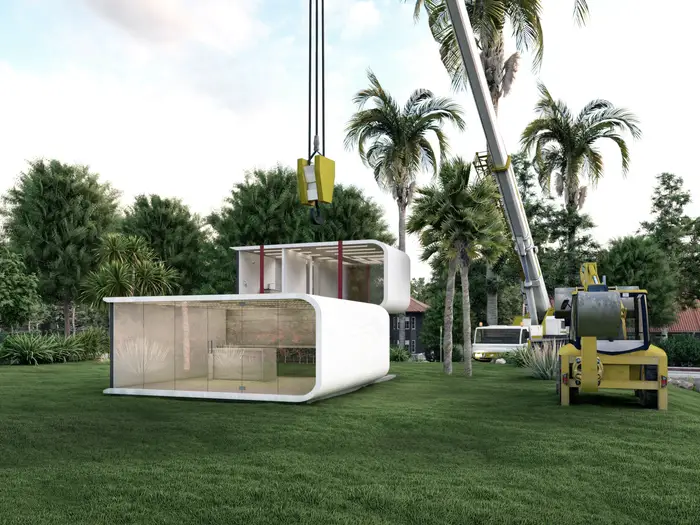
Delivery and installation are part of the project. Access routes, crane needs, foundation type, and utility connections should be reviewed early. A smooth installation plan can help reduce surprises and make the move from factory-built units to usable space much easier.
Final Takeaway
3D printed homes can be cheaper than traditional construction, especially for compact units, ADUs, studios, tiny home-style spaces, glamping units, and homes on wheels. The savings often come from faster production, reduced waste, smaller layouts, and more predictable manufacturing.
But the final cost depends on the full project. Site work, permits, utilities, delivery, installation, finishes, and local rules all matter.
The smartest way to compare costs is not to ask only, “What does the home cost?” A better question is, “What will the complete project cost from design to move-in?”
For buyers who want a faster, more sustainable, and more flexible way to create space, 3D printed homes can be a strong option. And with Azure Printed Homes, that option starts with robotically printed modular living spaces made from recycled plastic and designed for the way people live, work, host, and build today.