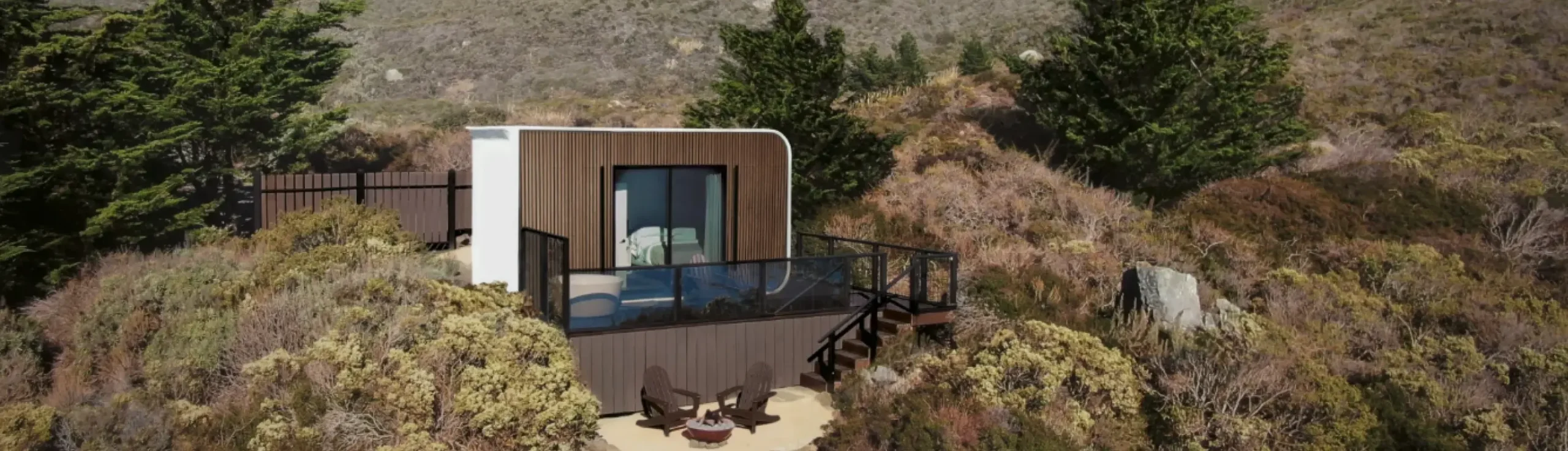
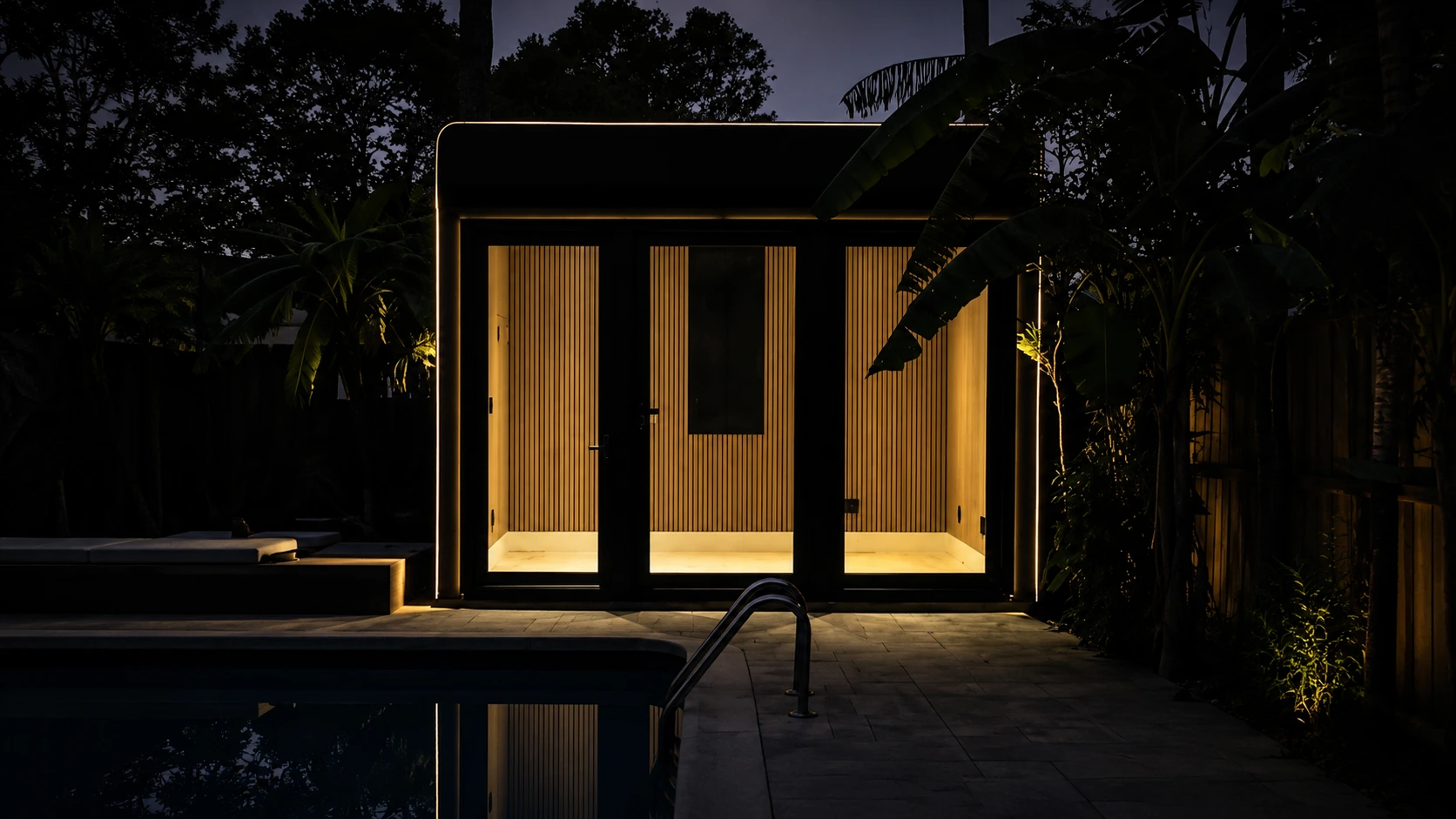
ADU housing sounds more technical than it really is. An ADU, or accessory dwelling unit, is a smaller home built on the same property as a main house. It has its own living space and may include a kitchen, bathroom, bedroom, and separate entrance depending on the design.
For many homeowners, the easier way to picture it is this: an ADU is a real home, just smaller and placed on land you already have. It might sit in the backyard. It might be attached to the main house. It might be created from a garage or another part of the property. The exact setup depends on the lot, local rules, and what the homeowner wants the space to do.
At Azure Printed Homes, we build ADUs and other compact living spaces because the way people use their homes is changing. Families need more flexible space. Parents want room for adult children or aging relatives. Homeowners want options for rental income where local rules allow it. Some people simply want a quieter, more separate place to live, work, host, or breathe.
The old answer was often a large remodel or a long on-site build. We think there is a better path. Our Homes & ADUs are robotically 3D-printed with recycled materials, designed as modular living spaces, and built to make the process more predictable than traditional construction. That does not mean every project is simple. Permits, utilities, foundation, and site conditions still matter. But the idea behind ADU housing is practical: use existing land in a smarter way.
What Does ADU Housing Mean?
ADU housing means adding a secondary residential unit to a property that already has a primary home. The word “accessory” is important because the ADU is not usually the main house on the lot. It is a smaller, supporting dwelling that gives the property more usable living space.
A complete ADU often includes:
- A sleeping area
- A bathroom
- A kitchen or kitchenette
- Living space
- Utility connections
- A separate entrance
- Heating, cooling, and basic residential systems
Some ADUs are used as full-time homes. Others are used for family stays, guests, caregivers, or rental use where allowed. The main thing is that an ADU is not just a shed or bonus room. When designed as a dwelling unit, it needs to function like a small home.
This is where people sometimes get mixed up. A backyard studio and an ADU are related, but they are not always the same thing. A studio might be perfect for work, hobbies, or extra space, but it may not include plumbing or a kitchen. A true ADU is usually planned for residential living, which means more site work, more systems, and more local approvals.
Why ADUs Are Becoming So Popular
ADUs are getting more attention because housing needs have become more flexible. A single home has to do a lot more than it used to. It may need to support remote work, family changes, guests, multigenerational living, or extra income.
A backyard home can help without forcing the homeowner to move. That is a big part of the appeal. People may like their neighborhood, their school district, their yard, or their mortgage. They just need more usable space.
ADUs can be useful for:
- Housing a parent or relative nearby while keeping privacy
- Giving an adult child a more independent place to live
- Creating a guest house for visiting family or friends
- Adding rental potential where local rules allow it
- Making better use of a large backyard
- Supporting caregivers or long-term family needs
- Downsizing on the same property while keeping the main home in use
There is also a larger housing conversation behind all of this. Many communities need more housing, but not every neighborhood has room for large apartment buildings or new subdivisions. ADUs can add smaller housing in places that already have infrastructure, roads, and residential land.
That does not make them a perfect answer to every housing problem. But they are a practical option, especially when the property is suitable and the project is planned properly.
Backyard Homes Are Not One-Size-Fits-All
When people hear “ADU,” they often picture a small house in the backyard. That is a common version, but it is not the only one.
ADU housing can take several forms:
Detached ADUs
A detached ADU is a separate structure from the main house. This is the classic backyard home. It usually gives the most privacy because the people living in the ADU have their own space, and the main household keeps more separation too.
Detached ADUs work well when the lot has enough room, access, and utility options. They are often chosen for family housing, guest space, or rental potential where allowed.
Attached ADUs
An attached ADU is connected to the main house but still functions as its own unit. It may be built onto the side or back of the home. It may have a private entrance and separate living systems depending on the design and local rules.
This can be a good choice when there is not enough backyard space for a separate unit, or when the homeowner wants the new living area physically connected to the main structure.
Garage Conversions
Some ADUs are created by converting an existing garage. This can make sense when the garage is already in a good location and the structure can be adapted safely. The project still needs proper planning because garages are not always built to the same comfort or energy standards as living spaces.
Interior Conversions
In some cases, an ADU can be created inside the main home, such as a basement apartment or a separate suite. This depends heavily on local codes, ceiling height, exits, fire separation, and utility requirements.
At Azure Printed Homes, our main focus is not turning an old space into something else. We build new prefab living spaces, including Homes & ADUs, Studio Series units, and Homes on Wheels. That gives homeowners and developers a more defined product path instead of starting from a blank page on-site.
How ADU Housing Is Different From a Tiny Home
ADUs and tiny homes are often discussed together, but they are not always the same thing.
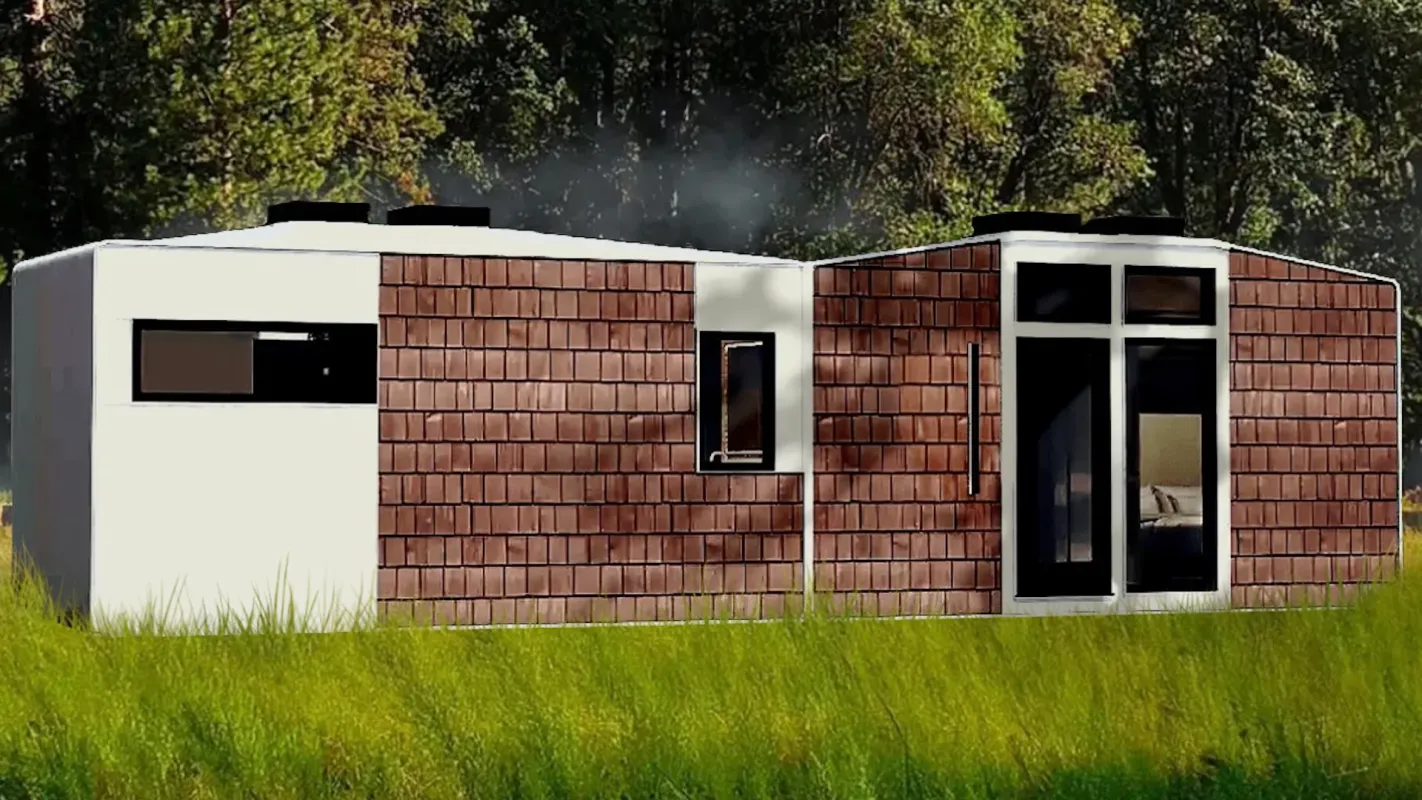
A tiny home usually refers to a small dwelling by size. It may be on a foundation, on wheels, or placed in a tiny home community. An ADU refers more to the relationship between the unit and the property. It is an additional dwelling on a lot with a primary home.
So a tiny home can be used as an ADU in some situations, but only if local rules allow it and the unit meets the requirements for residential use. A backyard studio might be small and beautiful, but that does not automatically make it an ADU.
The difference matters because it affects permits, utilities, foundation, inspections, and legal use. A 100 sq ft studio used as a workroom is a very different project from a 720 sq ft backyard home with a kitchen, bathroom, bedroom, and sewer connection.
This is why we separate our products by use case. A compact studio is great when the goal is extra room. A Homes & ADUs model is better when the goal is a more complete residential setup.
What Makes an ADU Useful?
A good ADU is not just about square footage. It is about whether the space solves the right problem.
A small backyard home can feel comfortable when the layout is smart. A larger unit can feel awkward if it is not designed around real daily use. This is especially true with compact housing. Every foot matters, but not in a fussy way. It just needs to work.
Before choosing an ADU, it helps to ask a few honest questions:
- Who will use the unit?
- Will it be used every day or only sometimes?
- Does it need a full kitchen?
- Does it need one bedroom or two?
- Will someone live there long-term?
- Is rental use allowed in the area?
- How much privacy is needed from the main house?
- Where will parking, access, and utilities go?
- Is the backyard ready for this kind of project?
These questions are not exciting, but they save people from choosing the wrong type of unit. A backyard office does not need the same systems as a family ADU. A rental-ready unit has different needs than a guest space. A home for an aging parent needs comfort, access, and privacy in a way that a hobby room does not.
How Azure Printed Homes Builds ADUs Differently
We approach ADU housing through 3D-printed construction and modular design. Our units are printed robotically using recycled plastic materials, then finished with the systems and interiors needed for the order.
One of the things we care about is making the process easier to understand. Construction can feel like a black box. Timelines shift. Costs move. Site work gets messy. People hear one thing at the start and something else halfway through. That frustration is one reason prefab and modular building have become more appealing.
Our process is built around a clearer sequence:
- Configure the unit: The homeowner chooses and customizes the design with our team or through our online platform.
- Print the home: The structure is robotically printed with recycled materials. In some cases, printing can take as little as one day.
- Install finishes: The unit is fabricated with the ordered electrical, plumbing, and interior finishes.
- Deliver the unit: Once complete, the home is brought to the property.
- Install on-site: The unit is placed and connected to the needed services so it can become move-in ready.
That process does not remove every step a homeowner has to think about. Local permits, foundation, access, drainage, and utility connections still matter. But it does move much of the building work into a more controlled production environment, which can help reduce some of the uncertainty that comes with conventional construction.
Recycled Materials and Why They Matter
A lot of people like the idea of an ADU because it makes better use of land. We also think the materials should make better use of resources.
Our homes use recycled plastic in the printing process. A useful way to understand the scale is this: about 100,000 recycled plastic bottles are used for every 120 sq ft of printed structure. That is not a small detail. It is part of how we think about building for the future without pretending construction has no impact.
Using recycled materials is only helpful if the final product still performs well. An ADU has to deal with real weather, real people, real utilities, and real daily use. So the goal is not just to build something that sounds sustainable. The goal is to build something comfortable, durable, and practical enough to be lived in.
We see ADUs as part of a more modern housing mix. They can be smaller, faster to produce, and more efficient with land and materials. That combination matters, especially as more homeowners and communities look for housing options that do not rely only on large, slow, expensive builds.
Azure Homes & ADUs: What the Models Look Like
Our Homes & ADUs line is built for people who need more than a simple backyard room. These are larger residential-style units designed for real living, with space for sleeping, cooking, bathing, and everyday use.
| Model Size | Layout | Dimensions | Starting Price |
| 360 sq ft | Kitchen, 1 bedroom, 1 bathroom | 18′ x 20′ | $89,900 |
| 540 sq ft | Kitchen, 1 bedroom, 1 bathroom | 18′ x 30′ | $134,900 |
| 720 sq ft | 1-bedroom option or 2 junior bedroom option, kitchen, 1 bathroom | 18′ x 40′ | $174,900 |
| 900 sq ft | Kitchen, 2 bedrooms, 1.5 bathrooms | 18′ x 50′ | $219,900 |
The 360 sq ft unit can make sense for a compact living setup, guest space, or smaller rental use where allowed. The 540 sq ft model gives more breathing room while still staying efficient. The 720 sq ft option can work for people who need a larger layout without jumping into a full-size house. The 900 sq ft model is the largest ADU option and is better suited for modern families or homeowners who want more long-term flexibility.
These starting prices are useful for early planning, but they are not the whole project budget. Site preparation, permits, foundation, delivery, utility connections, options, and local requirements can all affect the final cost.
That is true for any ADU, not just ours. The unit price is one part of the decision. The property around the unit is the other part.
The Site Matters More Than People Think
A well-built ADU still needs the right place to sit. This is where a lot of homeowners underestimate the project. They look at the backyard and think, “There is room.” That may be true, but room alone is not enough.
A good ADU site needs to be reviewed for things like:
- Access for delivery and installation
- Setbacks from property lines
- Distance from the main house
- Foundation or support requirements
- Soil conditions
- Drainage and grading
- Electrical service
- Water and sewer connections
- Fire safety access
- Privacy and windows
- Parking rules where applicable
Water deserves special attention. Poor drainage can create problems for almost any structure. If water collects around or under the unit, the home may age faster than it should. Good grading and site prep are not glamorous, but they help protect the investment.
Utilities matter too. A small studio may only need electrical service. A larger ADU with a kitchen and bathroom needs more planning. The more residential the unit becomes, the more important those connections are.
ADU Rules Are Local
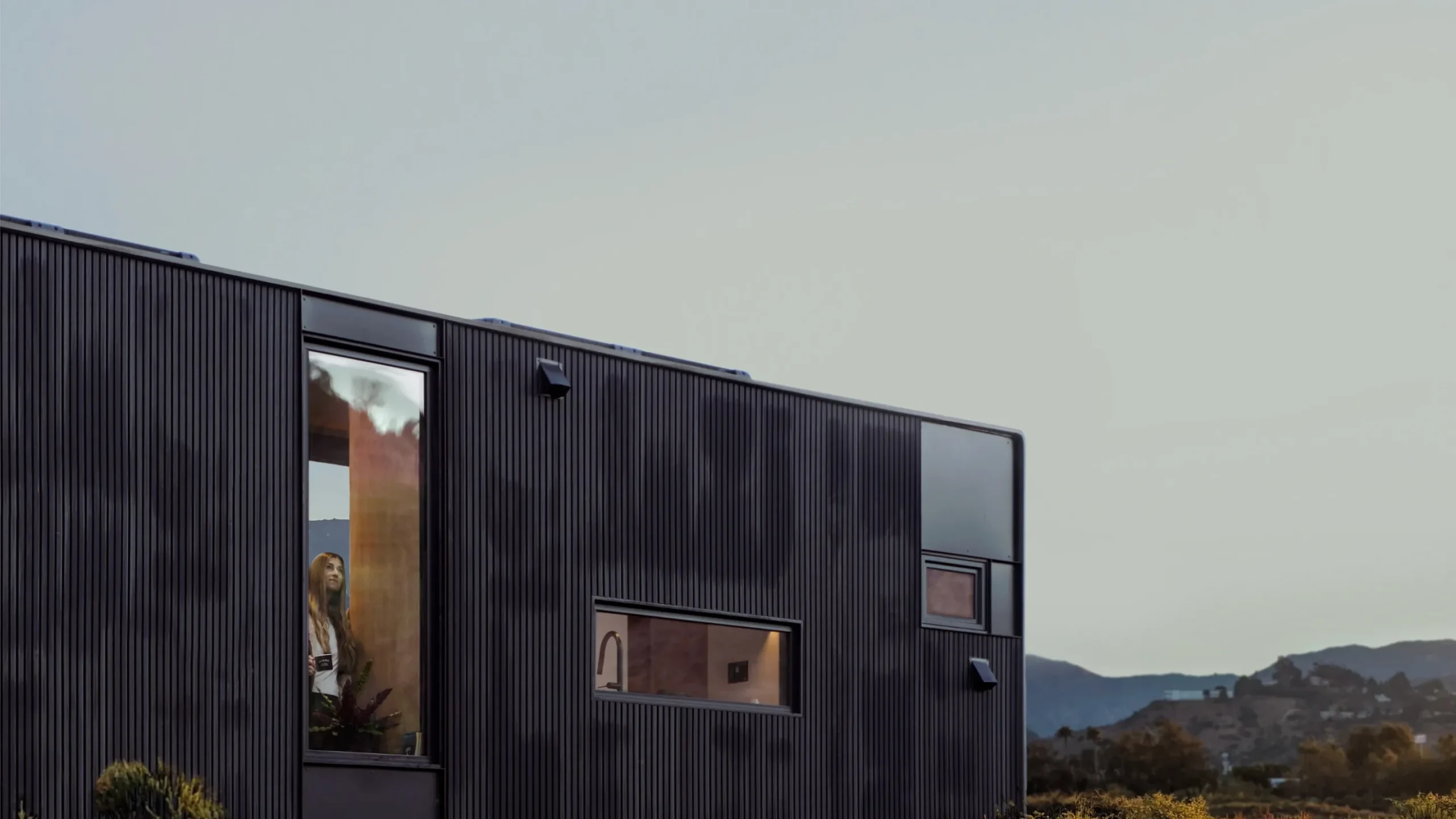
ADU housing is shaped by local rules. That is one of the most important things for homeowners to understand early.
Some areas are very ADU-friendly. Others have stricter requirements. Rules can affect the size of the unit, where it can be placed, whether it can be rented, how many units are allowed, what parking is needed, and which permits or inspections apply.
This is why no one should assume that a backyard home can be added anywhere in exactly the same way. Two properties in different cities may have very different paths, even if the lots look similar.
Before moving too far into design, homeowners should check:
- Whether ADUs are allowed on the property
- Maximum ADU size
- Height limits
- Setback rules
- Owner-occupancy rules, if any
- Short-term or long-term rental rules
- Parking requirements
- Utility connection requirements
- Permit and inspection steps
This does not mean the process has to be scary. It just means the legal fit should be checked before the project becomes too detailed. A good ADU plan starts with both the dream and the rules.
How People Use ADUs in Real Life
The most useful ADUs usually begin with a clear reason. Not a vague “more space would be nice” reason, but a real one.
A family may want a nearby place for grandparents. That ADU needs comfort, privacy, and easy access. A homeowner may want rental income. That unit needs to meet local rental rules and feel livable enough for long-term use. Someone may want a future downsizing option. That unit should be planned with daily living in mind, not just weekend guests.
Common ADU uses include:
- Multigenerational living
- Long-term rental housing where allowed
- Guest housing
- Space for adult children
- Caregiver housing
- Downsizing on the same property
- Flexible housing for changing family needs
- Extra living space for a growing household
The best part of ADU housing is that it can adapt. A unit used for guests today might support a family member later. A rental unit may become a downsizing option in the future. A backyard home can give a property more flexibility over time.
That flexibility is one of the strongest reasons to consider an ADU. Life changes. A useful property should be able to change a little too.
ADUs as an Investment
An ADU can be a good investment, but not automatically. It depends on the property, the local rules, the total budget, and the use case.
Some people think of investment only as rental income. That can be part of it, but it is not the only value. An ADU can also help avoid moving, make room for family, support caregiving, or turn unused land into something functional.
The numbers usually work best when the homeowner looks beyond the starting price and includes the full project. That means site work, utilities, permits, foundation, delivery, installation, maintenance, and any upgrades.
An ADU may be worth considering when:
- The property has enough usable space
- Local rules support the intended use
- The budget includes more than the unit price
- The homeowner has a clear purpose for the space
- Utility connections are realistic
- The unit size matches the way it will be used
- The site can be prepared without extreme cost
An ADU becomes risky when too much is assumed. If rental rules are unclear, utility costs are unknown, or the site is difficult, the project needs more homework before moving forward.
What to Think About Before Building an ADU
Before choosing a model, it helps to slow down and think through the whole picture. A backyard home is exciting, but it is still a real housing project.
Here are the main things to review:
Purpose
Start with the reason for the ADU. Family housing, rental income, guest space, and downsizing all lead to different design choices.
Size
A smaller unit may be easier to place and more cost-effective, but it still has to feel usable. A larger unit costs more, but it may support long-term living better.
Privacy
Think about where doors, windows, patios, and pathways will go. A good ADU should feel connected enough to be convenient but separate enough to feel comfortable.
Utilities
Water, sewer, electrical, heating, and cooling are not afterthoughts. They shape cost, timeline, and comfort.
Access
Delivery and installation need physical access. Daily use also needs access. People should be able to get to the unit safely and easily.
Maintenance
A smaller home still needs care. Exterior surfaces, drainage, HVAC, plumbing, and utility connections should be checked over time.
Future Use
A good ADU should not only solve today’s problem. It should still make sense if the family situation changes.
Is ADU Housing Right for Every Property?
No. And honestly, that is worth saying.
Some lots are too small. Some sites are difficult to access. Some utility connections are expensive. Some local rules limit what can be built or how it can be used. Some homeowners may be better served by a studio, home office, renovation, or different housing plan.
ADU housing works best when the site, budget, rules, and purpose all line up. When those pieces fit, a backyard home can be one of the most useful additions a homeowner makes. When they do not fit, it is better to find out early.
At Azure Printed Homes, we believe in smarter building, not forcing the same answer onto every property. A 360 sq ft ADU may be right for one homeowner. A 900 sq ft ADU may be better for another. Someone else may only need a Studio Series unit for extra workspace. The right solution depends on what the space needs to do.
Final Thoughts on ADU Housing
ADU housing is really about making better use of the space people already have. It gives homeowners a way to add a smaller, separate living unit without buying another property or taking on a traditional home addition.
A backyard home can support family, guests, rental use where allowed, or future flexibility. But the best ADU projects are not built on excitement alone. They are built on clear goals, good site planning, realistic budgets, and a unit that matches the way people will actually live.
For us at Azure Printed Homes, ADUs are part of a bigger shift in how homes can be built. We use robotic 3D printing, recycled plastic materials, and modular design to create living spaces that are more future-focused and practical. Our Homes & ADUs range from compact 360 sq ft layouts to larger 900 sq ft models, giving homeowners different ways to add real housing value to their property.
So, what is ADU housing? It is a second small home on an existing property. But when it is planned well, it can be much more than that. It can be room for family. A smarter use of land. A new income option where allowed. A place to grow without leaving home. And, in our view, a better way to think about what a backyard can become.