Yes, a VA loan can cover a modular home in many cases. The cleaner path is usually a modular home that is treated as real property, installed on a permanent foundation, built to the right code path, and used as the borrower’s primary residence.
The confusing part is that “modular” gets mixed up with manufactured homes, mobile homes, tiny homes, park models, homes on wheels, and prefab structures. A lender will not rely on the casual label. They will look at how the home is built, how it is installed, what code it follows, whether it meets VA property requirements, and whether the borrower qualifies.
VA explains that its home loan benefit can help eligible Veterans, service members, and surviving spouses buy, build, repair, retain, or adapt a home for personal occupancy. VA loans are made by private lenders, while VA guarantees part of the loan.
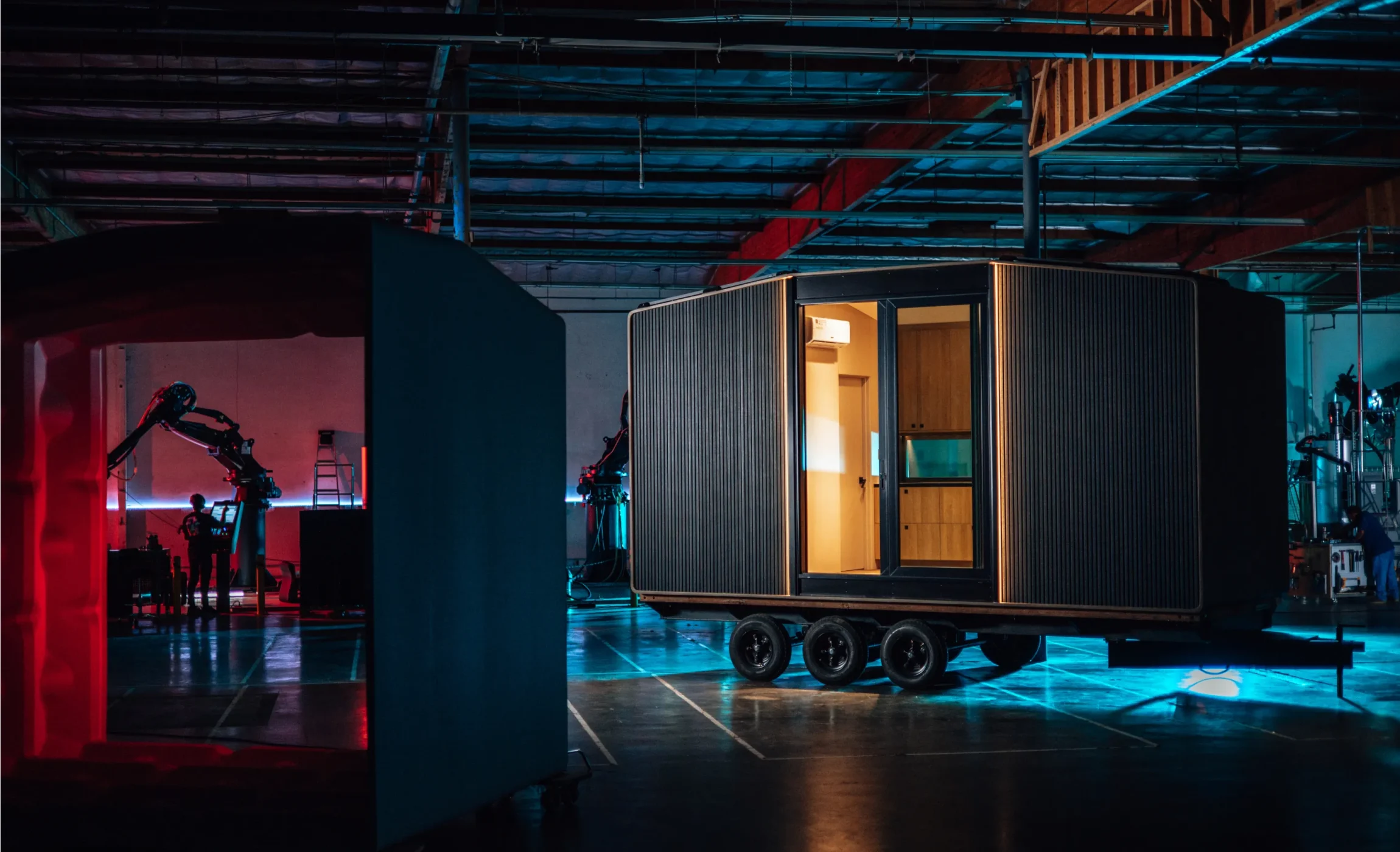
This question comes up naturally in the kind of work we do. At Azure Printed Homes, we build 3D-printed prefab homes, ADUs, modular living spaces, and compact backyard units, so financing is often part of the early planning conversation. A full residential modular home is a very different lending question from a small studio or a chassis-based home on wheels.
The Basic Answer
A VA loan may be used for a modular home when the borrower qualifies and the property meets VA and lender requirements. The home generally needs to be safe, sound, sanitary, properly classified, and acceptable to the lender.
VA training materials say modular housing is typically treated by the appraiser in the same manner as conventionally built housing. The same materials also distinguish modular homes from manufactured homes and note that modular homes are factory-built, built to local building codes, require local code approval, must be on a permanent foundation, and must be considered real property.
That gives modular homes a clearer VA loan path than many movable structures. But it does not mean every prefab unit qualifies. The site, foundation, permits, appraisal, lender policy, and occupancy plan still matter.
Modular Homes Are Not the Same as Manufactured or Mobile Homes
This distinction matters more than people expect.
A modular home is usually built in sections off-site and then assembled on the property. It normally follows state or local building codes. A manufactured home follows federal HUD standards and has its own set of requirements. VA training materials also state that VA does not accept mobile homes for VA lending purposes.
So the wording matters. A buyer might call something “modular” in conversation, but the lender may classify it differently after reviewing the documents.
A few common differences:
- Modular home: Usually built to local code, assembled on-site, and reviewed more like conventional housing.
- Manufactured home: Built to HUD standards and subject to manufactured housing requirements.
- Mobile home: Not accepted for VA lending purposes according to VA training materials.
- Home on wheels or park model-style unit: Needs a separate financing check because it may not be treated as real property.
That is why it is better to confirm the category early instead of assuming the loan will work because the structure was built off-site.
What VA and the Lender Usually Need to See
VA does not make most VA loans directly. The lender makes the loan, and VA guarantees part of it. That means the borrower has to meet VA and lender requirements, and the property has to be acceptable for VA financing.
For a modular home, the strongest path usually includes:
- Borrower eligibility: The buyer needs VA loan eligibility and a Certificate of Eligibility.
- Primary residence use: The home generally needs to be for personal occupancy.
- Permanent foundation: The home should be secured to a foundation that meets state and local requirements.
- Real property status: The home and land should be treated as real estate.
- Local code approval: The home should fit the local building code path.
- VA appraisal: The property has to support value and meet VA property standards.
- Lender approval: The lender still has to be willing to finance that property type.
VA’s own home loan materials explain that borrowers typically obtain a Certificate of Eligibility and work through a lender of their choice.
Buying an Existing Modular Home With a VA Loan
Buying an existing modular home can be simpler than financing a new build, because the home is already installed. The lender can review the property as it stands: foundation, permits, condition, utilities, title status, appraisal value, and whether it meets VA Minimum Property Requirements.
The main thing is documentation. A modular home with clear local approval, permanent foundation records, utility connections, and real property status is easier for a lender to evaluate. A home with unclear paperwork can slow down the process, even if the structure itself is fine.
This is where buyers should ask for details early. The home may look like a regular house, but the lender may still want to confirm how it was built, what code path it followed, and whether it is properly attached to the land.
Building a New Modular Home With VA Financing
A new modular home can also be possible with VA financing, but it usually takes more coordination. The lender may need plans, builder information, permits, specifications, appraisal documents, foundation details, and proof that the finished home will meet VA standards.
VA construction guidance notes that VA has authority to guarantee loans for construction of a home to be owned and occupied by a Veteran, and that construction/permanent loans have to meet VA requirements before the loan guarantee is issued.
This is not the same as buying a finished home. A new modular build may require a lender that understands VA construction-to-permanent financing. Not every lender offers that product, even if VA allows it.
A buyer planning a new modular home should ask the lender the following:
- Does the lender offer VA construction or construction-to-permanent loans?
- Does the lender need builder registration, licensing, or insurance details?
- How are payments handled during fabrication and site work?
- What must be complete before the loan becomes permanent?
- Will the value be based on plans, specs, land, and completed work?
These questions are not small details. They decide whether the financing path fits the build process.
Why the Type of Home Matters
A full residential modular home is a stronger fit for VA financing than a small accessory unit or movable structure. That is not because one is better than the other. It is because the loan is usually tied to a dwelling that qualifies as real property and will be occupied by the borrower.
For example, our smaller units and larger homes are planned differently from the start. Units larger than 120 sq ft are designed with electricity, water, and sewer connections. Units under 120 sq ft are wired for electrical only. Plumbing and electrical work is completed inside the unit before delivery, with exterior connections prepared for site hookup.
That distinction matters in a financing conversation. A compact electrical-only studio may be useful as extra space, but it is not the same thing as a full residential modular home. A lender will usually care about whether the structure is a primary dwelling, whether it has the required systems, and whether the property can be appraised as eligible real estate.
For ADUs and homes, any unit over 120 sq ft requires a building permit with the local authority. We handle the building permit side as a factory-built unit, while the owner still needs to manage permits for foundation, grading, drainage, and site utilities. Those site details can matter to a lender because they affect the final property, not just the unit.
Homes on Wheels Need a Different Check
A home on wheels should not be assumed to qualify for a VA loan just because it has residential features.
The issue is classification. A wheel-based or chassis-based unit may be treated differently from a modular home on a permanent foundation. VA training materials clearly separate modular homes from manufactured homes and mobile homes, and they state that modular homes must be on a permanent foundation and considered real property.
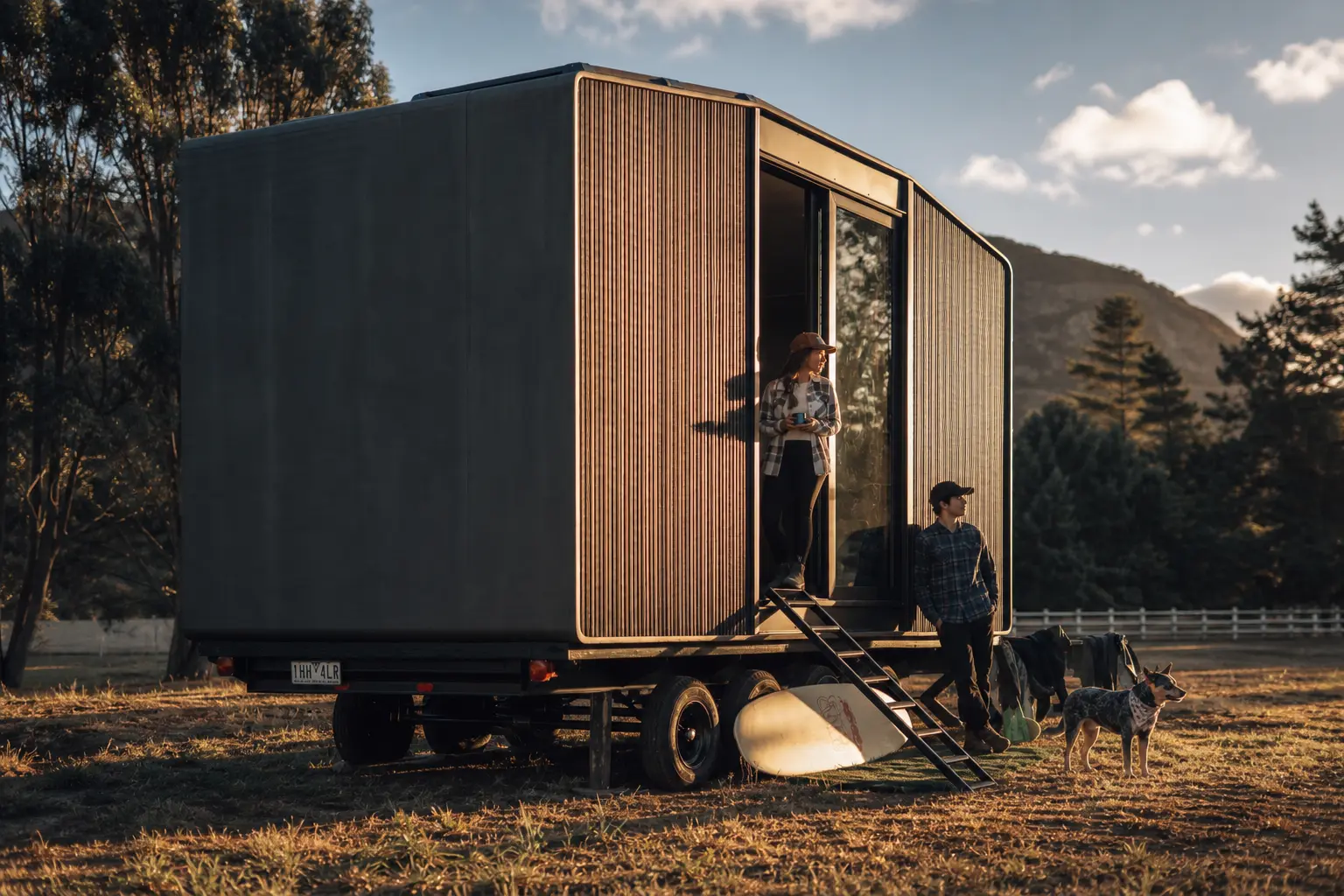
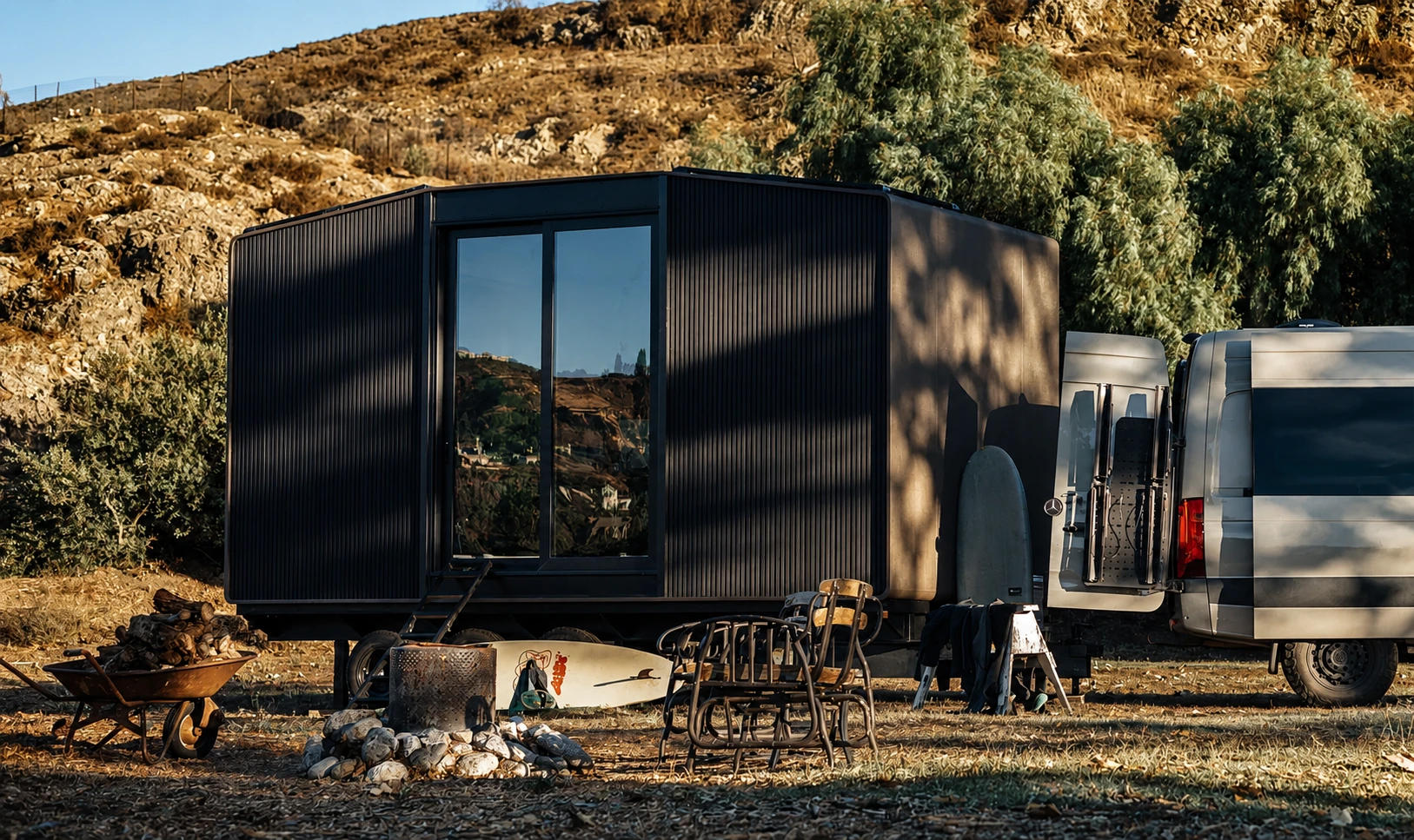
Our X Series Homes on Wheels can make sense for certain sites where park model-style placement is allowed, but financing should be checked separately before the buyer plans around a VA loan. A lender may look at wheels, foundation status, title, occupancy, property classification, and local approval before deciding whether the structure is eligible.
The practical rule is simple: movable does not automatically mean mortgage-ready.
What Can Stop a VA Loan From Covering a Modular Home
A modular home may be a good candidate for VA financing, but a few issues can still block or delay the loan.
Common problems include:
- Unclear real property status: The lender cannot confirm the home and land are treated as real estate.
- Foundation concerns: The home is not properly secured to a permanent foundation.
- Code approval gaps: The home does not have the right local approval or documentation.
- VA property issues: The property does not meet safety, soundness, or sanitation expectations.
- Weak appraisal support: The appraiser cannot support the value with acceptable evidence.
- Wrong use case: The borrower does not plan to use the home as a primary residence.
- Lender overlays: The lender has stricter rules than VA’s baseline requirements.
- Misclassification: The structure is actually mobile, RV-style, or park model-style rather than modular real property.
Most of these are not about modular construction itself. They are about documentation, site work, lender review, and how the property is legally treated.
Land and Site Work Are Part of the Loan Conversation
A VA loan usually looks at the home and land together. The site is not separate from the financing decision.
The land can affect zoning, utility access, foundation requirements, appraisal value, property condition, and whether the home can be occupied. A strong modular unit on a weak or unclear site can still create financing trouble.
For a modular home project, the lender may care about:
- Zoning: Is the home allowed on the property?
- Foundation: Is the support system permanent and approved?
- Utilities: Are water, sewer, electrical, and other systems available and compliant?
- Access: Can the property be reached and serviced safely?
- Permits: Are building and site approvals in place?
- Appraisal: Can the finished property support the loan amount?
This is why the financing conversation should happen alongside design and site planning, not after the unit is ready.
Final Thoughts on VA Loans and Modular Homes
A VA loan can cover a modular home when the borrower qualifies, the lender accepts the property type, and the home meets VA and local requirements. The strongest path is usually a modular home built to state or local code, installed on a permanent foundation, classified as real property, and used as the borrower’s primary residence.
The risk is assuming every prefab or small structure qualifies. Modular homes, manufactured homes, homes on wheels, ADUs, backyard studios, and mobile homes can all be treated differently.
For our projects, the safest approach is to plan the structure, site, permits, utilities, foundation, and financing path together. A modular home has a much better chance of working with VA financing when the lender can clearly see what the home is, how it will be installed, and how it will function as a real property dwelling.