Modular homes can hold their value well, especially when they are built to local building codes, placed on a permanent foundation, maintained properly, and located in a strong housing market. In many cases, a modular home is valued more like a traditional site-built home than a manufactured home because the code path and foundation are different.
That does not mean every modular home automatically appreciates. No home works that way. Value depends on the same things that affect most residential property: location, land ownership, build quality, maintenance, floor plan, local demand, financing options, and how well the home fits the neighborhood.
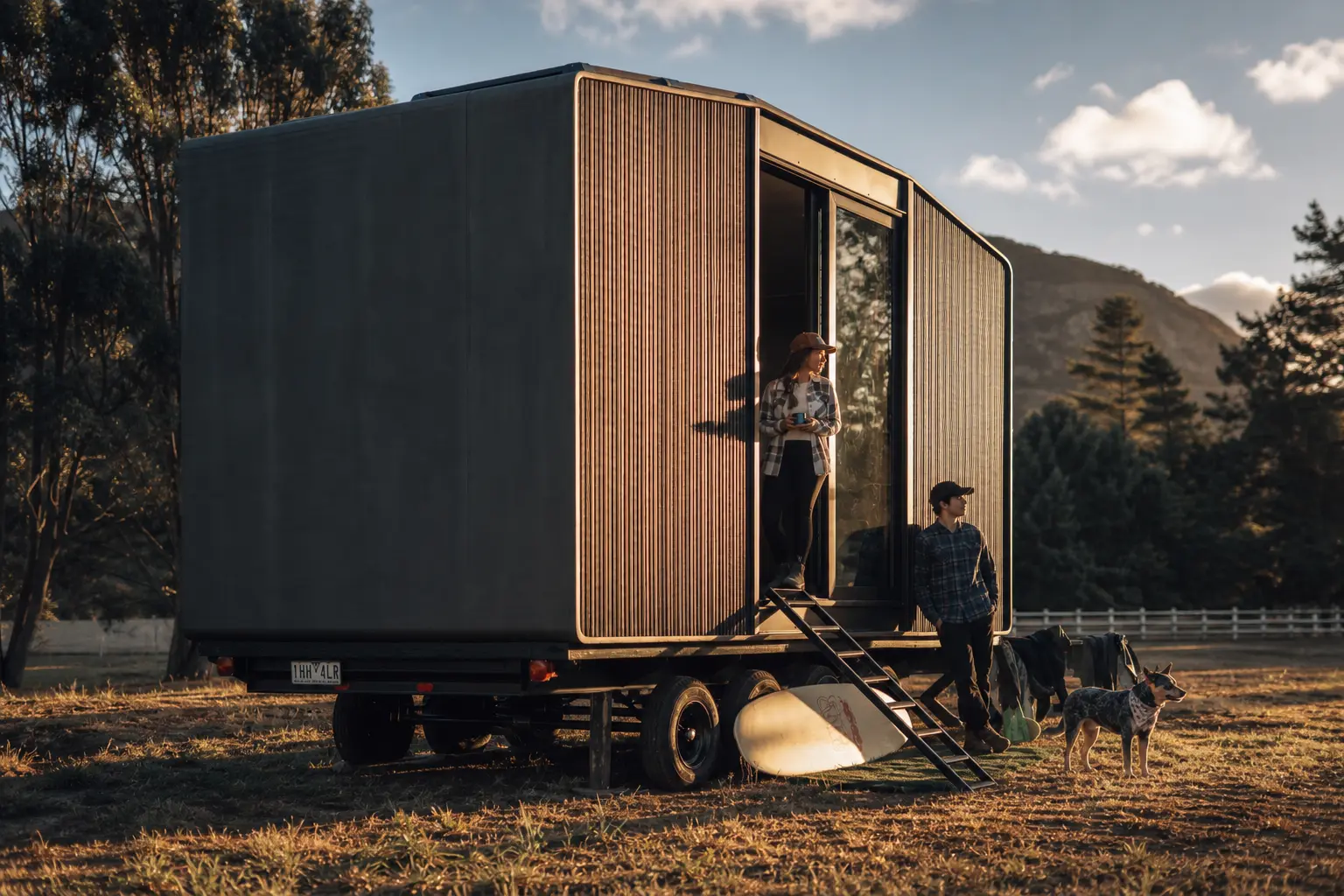
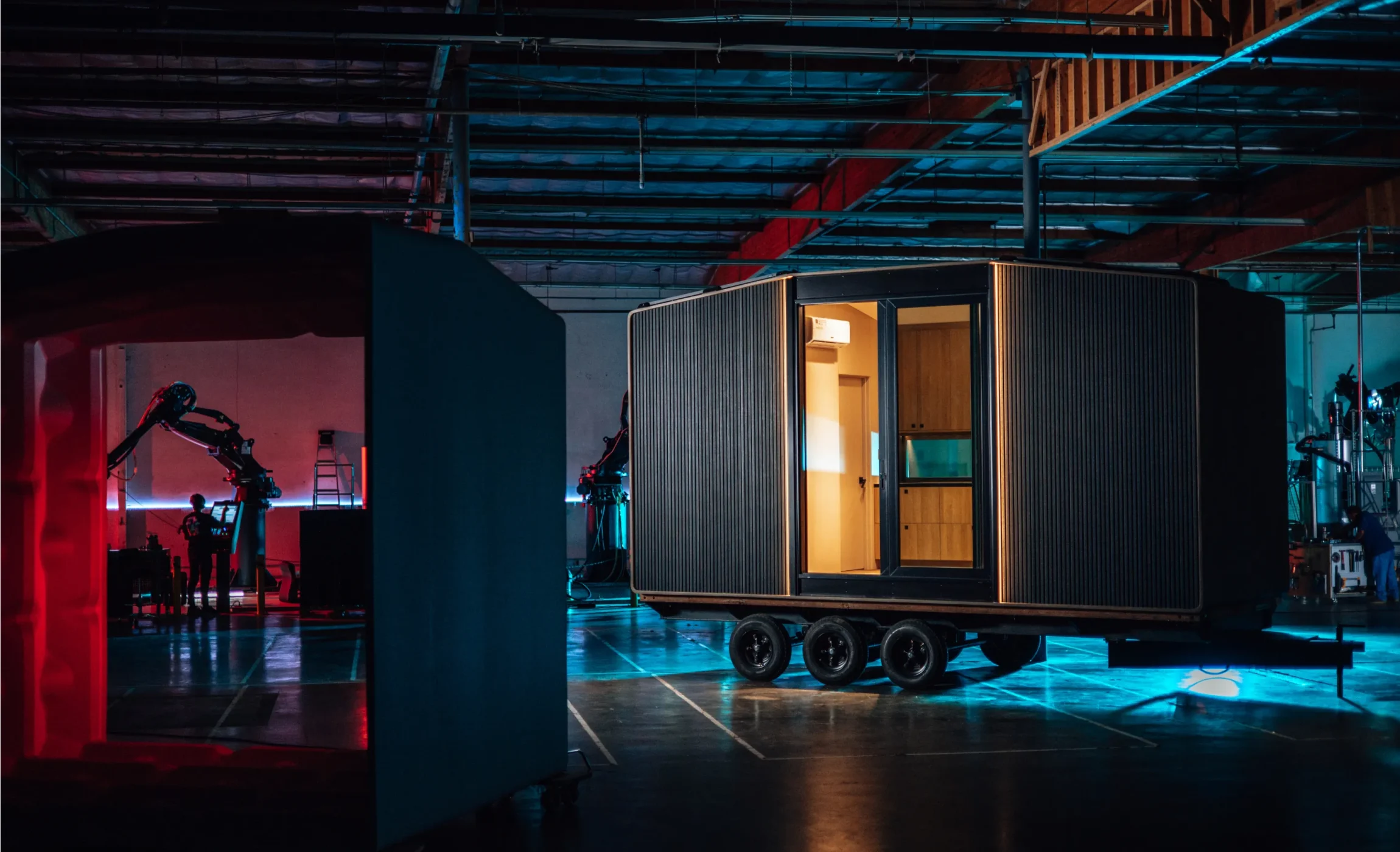
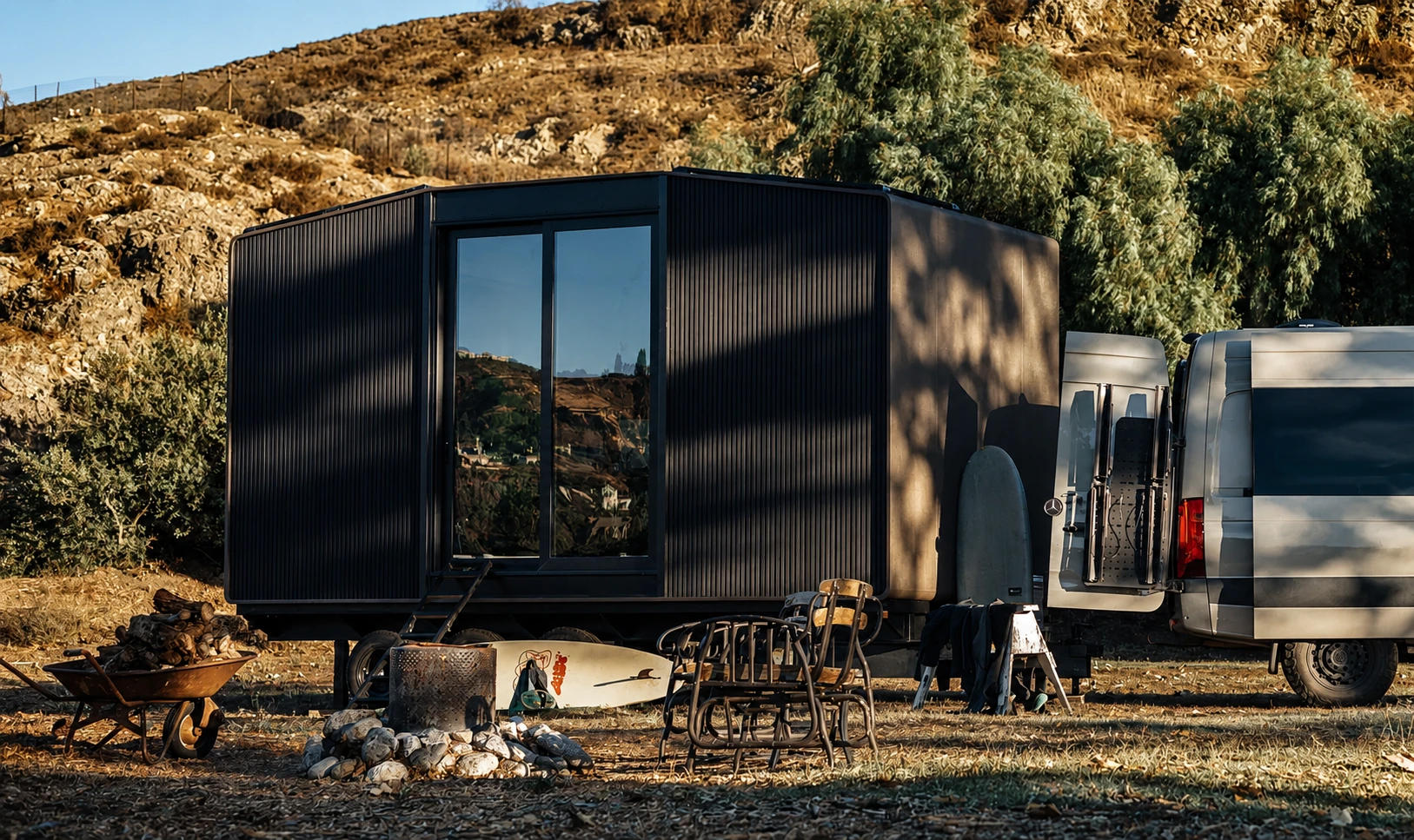
At Azure Printed Homes, our work with 3D-printed homes, ADUs, backyard studios, and homes on wheels shows the same pattern: value is shaped long before resale. It starts with the structure, the site, the foundation, utility planning, local approvals, and how the space is meant to be used.
For modular and prefab homes, long-term value starts before the unit is delivered. Buyers need to understand what kind of home they are choosing, how it is built, where it can be placed, and what site work is needed. A home can be well designed, but its value still depends on how well the full project is planned.
The Short Answer
Yes, modular homes can hold their value, and they can appreciate like site-built homes when they are installed permanently and treated as real property. The key is that modular homes are usually built to state and local building codes, then placed on a permanent foundation.
That makes them different from manufactured homes, which are built to the federal HUD Code and constructed on a permanent chassis.
In simple terms, modular value depends less on the word “modular” and more on the full setup:
- Is the home built to the right code?
- Is it on owned land?
- Is it installed on a permanent foundation?
- Is it well maintained?
- Is the local market strong?
- Can buyers finance it easily?
- Does it fit the neighborhood and buyer demand?
A modular home that checks those boxes is usually in a better position to hold value than one with unclear permitting, weak site planning, poor maintenance, or limited resale demand.
Why Modular Homes Can Hold Value
The main reason modular homes can hold value is that they are usually treated similarly to site-built homes once installed. They are built in factory sections, transported to the property, and assembled on a permanent foundation. They still have to meet the building codes that apply where they will be placed.
This matters because buyers, appraisers, lenders, and insurers often care more about code, foundation, and legal classification than the construction method alone. If the home is permanently installed, properly permitted, and clearly documented, the fact that it was built in a factory does not automatically hurt its resale position.
So the factory-built part is not the problem. In many cases, it can be neutral or even helpful if the home is well built, installed correctly, and located in a market where buyers are comfortable with modular construction.
What Can Help A Modular Home Keep Its Value?
A modular home holds value best when it is not treated as a shortcut. It still needs good design, solid site work, local approval, and long-term maintenance.
Location And Land
Location is still the biggest value factor. A well-built modular home in a desirable area can perform better than a larger home in a weak market. School districts, access to jobs, neighborhood demand, property size, views, utilities, and local housing supply all matter.
Land ownership also matters. A modular home placed on owned land and a permanent foundation is usually easier to value and finance than a unit placed in a more temporary or unclear setting.
Permanent Foundation
A permanent foundation can support long-term value because it makes the home function more like conventional real estate. It also gives buyers, lenders, appraisers, and insurers a clearer structure for resale and financing.
This is one of the reasons modular homes are often separated from manufactured homes. Manufactured homes are built on a permanent chassis under the HUD Code, while modular homes are typically assembled on-site on a permanent foundation and regulated under local or state building codes.
Build Quality
A modular home still needs quality construction. Factory production can help because the home is built in a controlled environment, protected from weather delays and some site-related issues. But quality still depends on the builder, materials, engineering, finishes, inspections, and installation.
Poor-quality construction can hurt value in any home. Modular construction does not erase that risk. It simply changes where much of the building happens.
Maintenance
Maintenance has a direct effect on resale. Roofs, siding, windows, HVAC, plumbing, drainage, foundation, interior finishes, and exterior condition all matter. A modular home that is clean, dry, updated, and structurally sound is easier to resell than one with deferred maintenance.
This is especially important for smaller homes and ADU-style units because buyers notice every inch of the space. Wear and tear can feel more obvious when the layout is compact.
Local Demand
Value also depends on whether buyers in the area want that type of home. In some markets, modular housing is normal and accepted. In others, buyers may need more education. Local appraisers also need comparable sales that support the value.
This is why the same modular home can perform differently in two different locations. The home matters, but the market around it matters too.
What Can Hurt Modular Home Value?
Modular homes can lose value or struggle at resale when the project is not planned well.
Common problems include:
- Poor location
- Weak buyer demand
- Low-quality construction
- Bad installation
- Foundation problems
- Drainage issues
- Unclear permits
- Limited comparable sales
- Outdated finishes
- Poor maintenance
- Confusion with manufactured or mobile homes
The last point matters more than people think. Some buyers use “modular,” “manufactured,” “mobile,” and “prefab” as if they all mean the same thing. They do not. If a home is clearly documented as modular, built to the right code, and permanently installed, that can help reduce confusion during resale.
Modular Homes Vs Manufactured Homes And Value
This is where many buyers get stuck. Modular and manufactured homes are both factory-built, but they are not the same category.
A modular home is generally built to state and local building codes and installed on a permanent foundation. A manufactured home is built to the federal HUD Code and constructed on a permanent chassis.
That difference can affect value because it influences:
- Appraisal method
- Financing options
- Insurance
- Zoning treatment
- Buyer confidence
- Real property classification
- Resale expectations
Manufactured homes can still be practical and affordable, and some can qualify for favorable financing when they meet specific requirements. But modular homes are often closer to traditional real estate in how they are financed, appraised, and resold when installed permanently.
Do Modular Homes Appreciate Like Traditional Homes?
They can. A modular home can appreciate when it is well built, placed on a permanent foundation, located in a strong market, and maintained over time.
But appreciation is not guaranteed. Traditional homes can also lose value if the market drops, the home is poorly maintained, or the location becomes less desirable. Modular homes follow the same basic pattern. The construction method matters, but it is only one part of the value equation.
A good way to think about it is this: modular construction does not automatically create resale value, but it also does not automatically reduce it. The home’s long-term value depends on how well the project is executed and how the local market responds.
How Buyers Can Protect Resale Value
Buyers can protect value by thinking beyond the first purchase price. The cheapest option is not always the best long-term choice.
For prefab and modular projects, that means looking at the unit and the site together. In our work at Azure Printed Homes, this is one of the reasons we separate factory production from site planning. The unit can be manufactured in a controlled setting, but the property still needs the right foundation, drainage, access, utility connections, and local approvals.
Before choosing a modular or prefab home, it helps to ask:
- Is this unit allowed on the property?
- What code or standard applies?
- Will it sit on a permanent foundation?
- What permits are required?
- How will utilities connect?
- Is the site properly graded and drained?
- Are there comparable sales nearby?
- Will lenders and insurers understand the home category?
- Does the layout fit future buyers, not just the first owner?
- What maintenance will be needed over time?
These questions are practical, not overly cautious. They help buyers avoid the kinds of issues that can make resale harder later.
Why Documentation Matters
Documentation can make a difference when it is time to sell, refinance, insure, or appraise the home. Buyers should keep records for permits, installation, inspections, foundation work, utility connections, warranties, upgrades, and maintenance.
Clear documentation helps show that the home was built and installed properly. It can also help appraisers, lenders, insurers, and future buyers understand what the home is and how it should be valued.
This matters especially in the prefab housing world, where terms are often mixed up. A home that is clearly documented as modular, prefab, factory-built, ADU-style, or manufactured is easier to explain than one with unclear records.
Final Thoughts
Modular homes can hold their value when they are well built, permanently installed, properly permitted, and located in a market where buyers want them. In many cases, they are valued more like site-built homes than manufactured homes because they follow state or local building codes and are placed on permanent foundations.
The biggest value factors are not mysterious: location, land, code, foundation, build quality, maintenance, financing, and local demand. A modular home that gets those things right has a much better chance of holding value over time.
At Azure Printed Homes, we see value as part of the full project, not just the unit. A modern prefab home or small-space unit should be designed well, built carefully, placed correctly, and supported by a clear site plan. That is what gives the structure the best chance to remain useful, practical, and valuable over the years.