Modular homes can be worth it, but not because they are automatically cheaper, faster, or easier in every situation. They are worth it when the building method actually solves a real problem: too much on-site construction, unpredictable timelines, limited space, rising project costs, or the need for a cleaner way to add housing.
The mistake is treating “modular” like a shortcut. It is not. A modular home still needs land, permits, a foundation or support plan, utilities, delivery access, and a design that fits the way the space will be used.
Because we at Azure build 3D-printed prefab spaces and larger industrialized building systems, we usually look at the question in a simple way: does the modular approach make the project clearer, faster, more useful, or easier to control than the alternatives? When the answer is yes, modularity can make a lot of sense.
Worth Depends on What Problem You Are Solving
A modular home is not worth it just because it is built off-site. It becomes worth it when off-site production helps with something that matters to the project.
For a homeowner, that might mean adding a backyard office without months of disruption. For a family, it might mean creating space for guests or relatives without moving. For a developer, it might mean using a repeatable building system to reduce schedule risk across multiple units.
The value is different in each case. A compact backyard studio is judged by daily usefulness. A larger ADU is judged more like housing. A multifamily modular system is judged by speed, coordination, risk, and repeatability.
That is why the better question is not “Are modular homes worth it?” It is “Worth it for what?”
A Cost Reality Check
The model price is only the first number. A real modular project also includes the site around the home: delivery, permits, foundation, utilities, grading, drainage, inspections, and optional systems like HVAC, solar, or batteries.
Here is a practical view of our current small-space starting ranges:
| Project Type | Current Starting Range | Where the Value Usually Shows Up |
| Small prefab tiny home formats | From $19,900 | Compact space starting around 100 sq ft |
| Studio Series | About $24,900-$29,900 | Extra room without a full home addition |
| X Series Homes on Wheels | About $69,900-$109,900 | Compact living with kitchen, bathroom, and mobility where allowed |
| Homes & ADUs | About $89,900-$219,900 | Larger residential-style space for family, guests, or rental potential where allowed |
| Developer building systems | Project-specific | Repeatable housing, faster schedules, and more coordinated delivery |
Our Studio Series includes the N_100 at 100 sq ft, plus the D_120 and A_120 at 120 sq ft, with main product listings showing starting prices from $24,900 to $29,900. The X Series Homes on Wheels range from 180 to 360 sq ft, with main listings from $69,900 to $109,900. Homes & ADUs include larger 360 to 900 sq ft layouts, with main listings from $89,900 to $219,900.
These ranges are useful for early planning, but they are not full installed project totals. The final number depends heavily on the land.
When Modular Homes Are Usually Worth It
Modular homes tend to make sense when the project needs more control. That can mean a cleaner construction process, less time on the property, a more predictable production path, or a repeatable system for multiple units.
They are usually worth considering when:
- The site is suitable: Delivery access, drainage, foundation conditions, and utilities are realistic.
- The use case is clear: The home is being chosen for a specific job, not just because modular sounds efficient.
- The design can stay disciplined: Modular works best when major decisions are made before production starts.
- The timeline matters: Faster off-site work can reduce disruption and help the space become usable sooner.
- The project repeats: Multiple units, infill housing, or developer work can benefit from standardized systems.
- The budget includes site work: The project is planned as a full build, not just a model purchase.
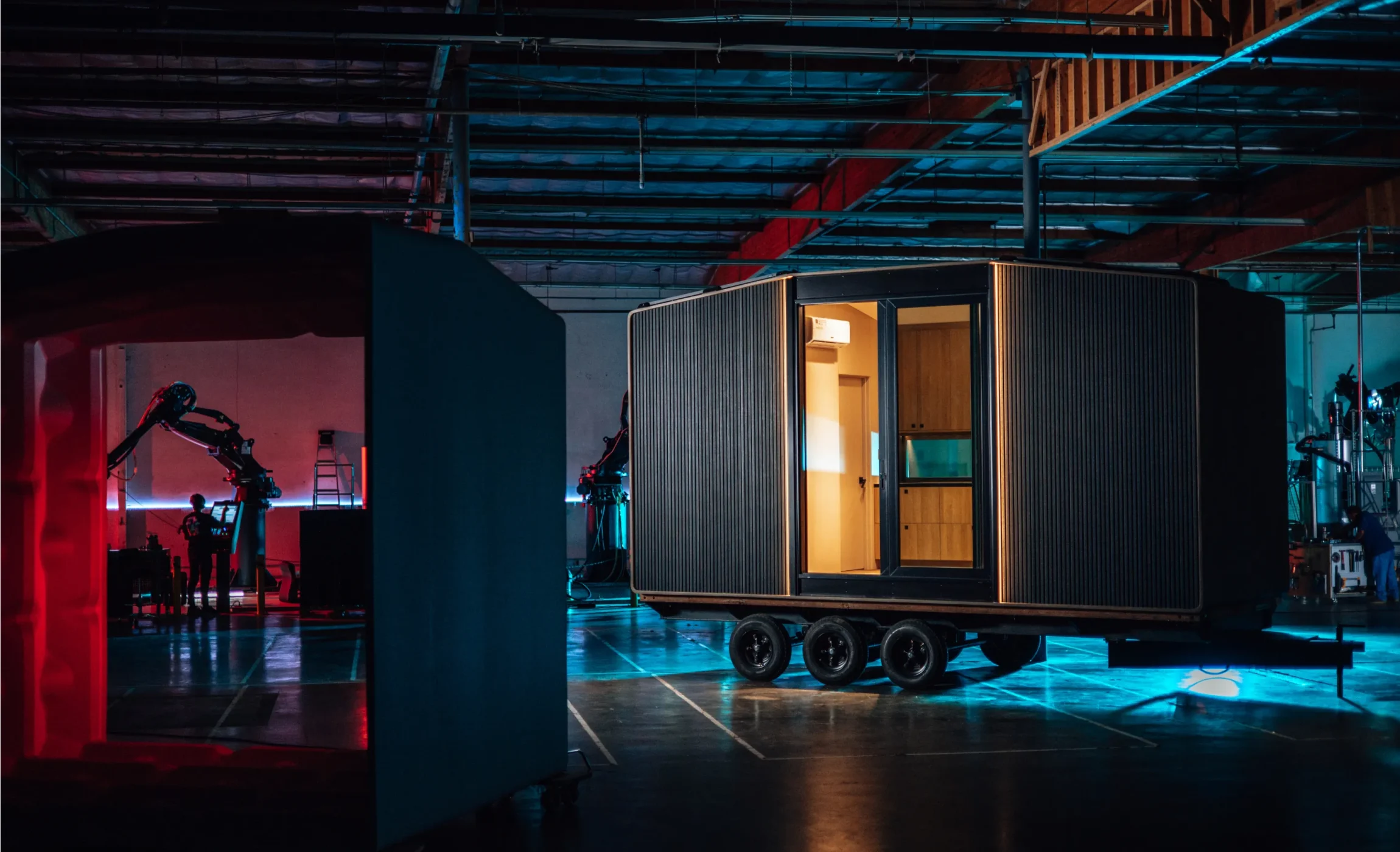
For larger development work, our off-site fabrication and panelized construction approach is designed to compress construction schedules by up to 70%. Precision manufacturing is also used to reduce material waste, shorten labor schedules, and reduce on-site trade coordination, with up to 30% cost savings compared with conventional construction.
Where the Value Feels Different by Project Type
A modular home can be worth it for very different reasons depending on the format. This is where it helps to separate smaller prefab spaces from more complete residential projects.
Compact Backyard Spaces
A compact backyard unit is usually worth it when the goal is simple: more usable room without changing the main house.
A Studio Series unit can work as an office, creative room, hobby space, wellness room, guest-style space, or quiet retreat. The value is often practical rather than dramatic. It gives the property another room without turning the whole yard into a long construction site.
This type of project is not trying to replace a full home. That is part of why it can make sense. When the need is focused, a smaller modular space can be the better fit.
Homes on Wheels
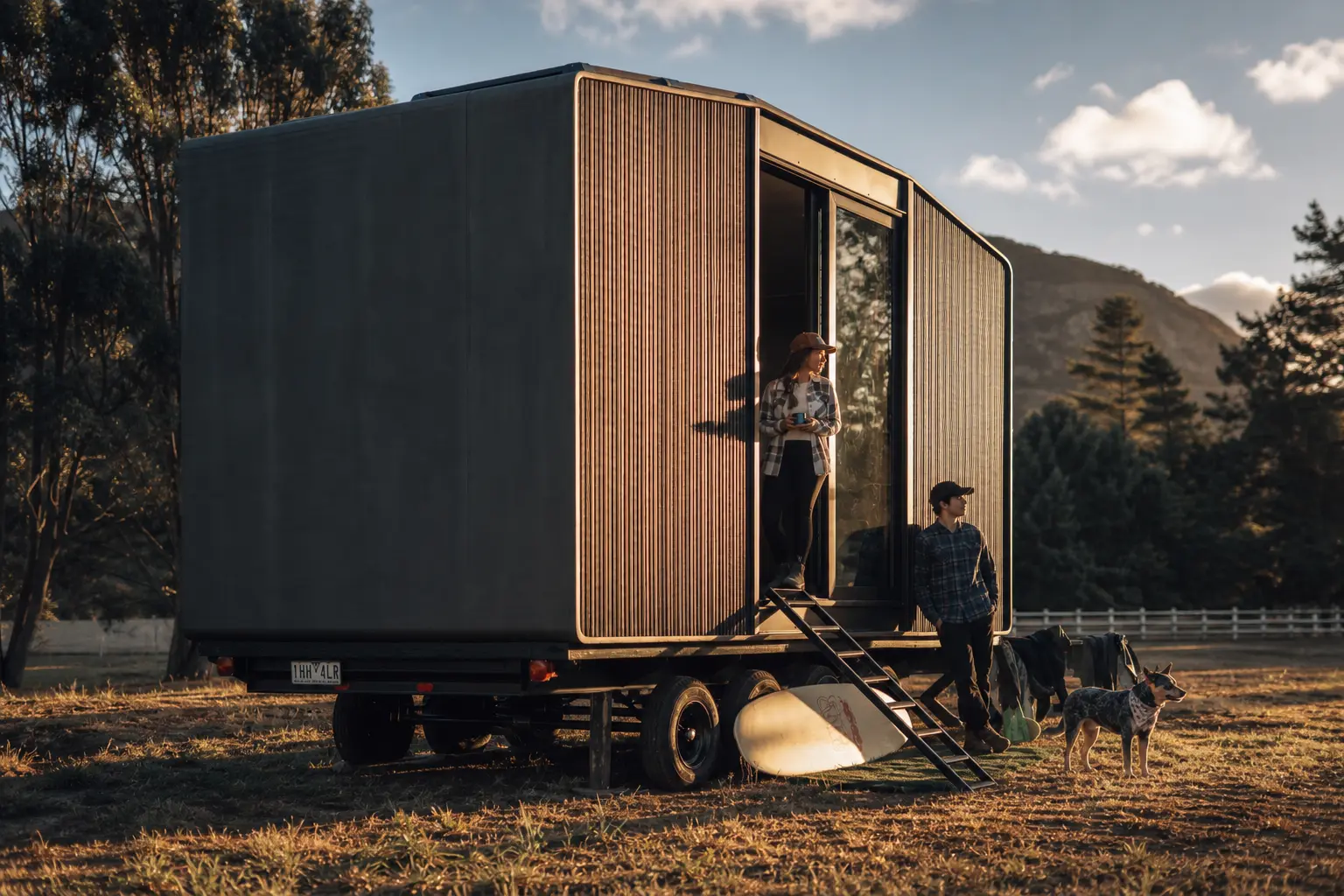
A home on wheels is worth considering when flexibility matters, but only if the placement rules work.
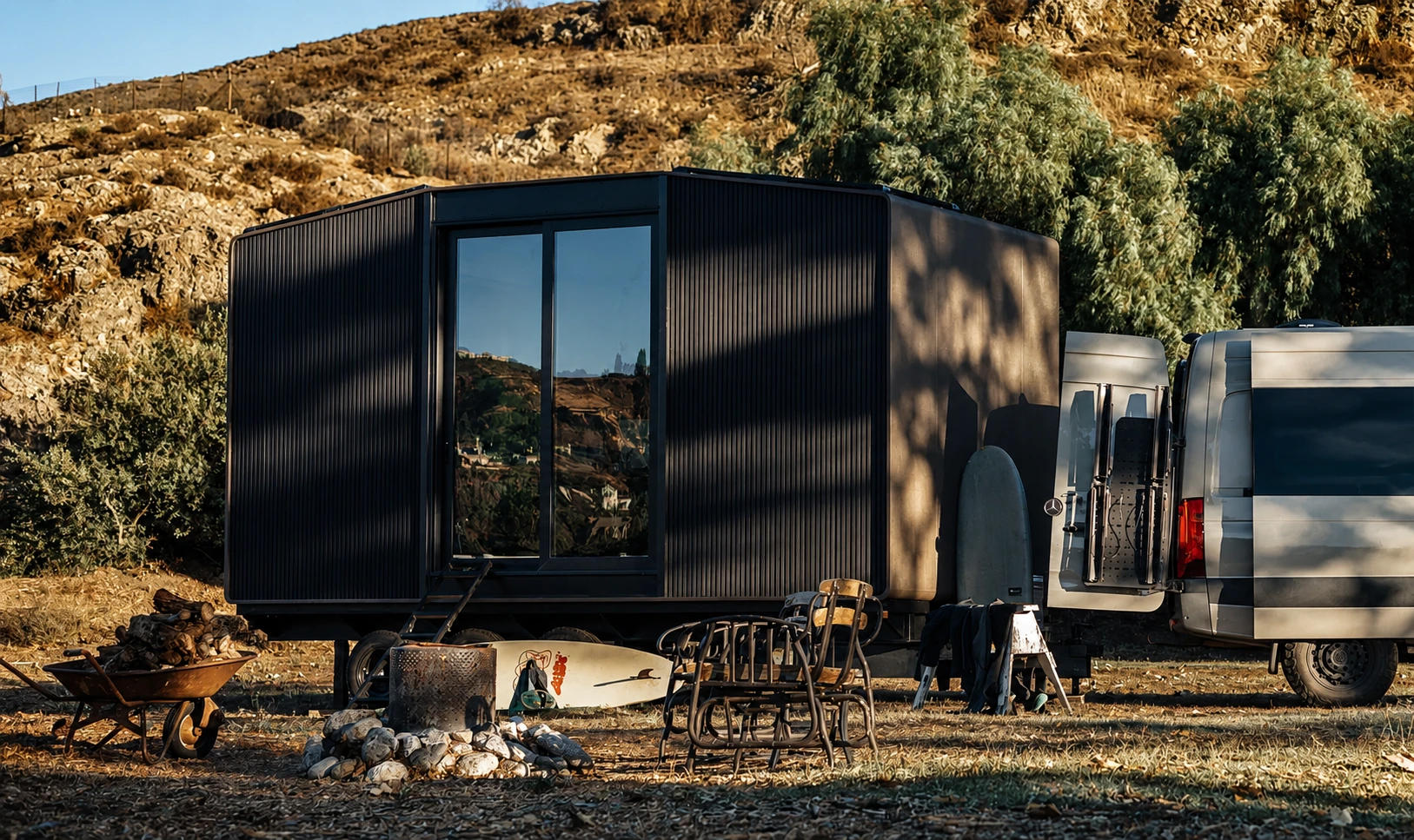
Our X Series is chassis-based and includes kitchen and bathroom layouts, with larger models adding dedicated bedroom space. That makes this category more complete than a simple studio, but also more dependent on where the unit can legally and practically sit.
The value here is not just mobility. It is mobility plus a real use case. A home on wheels may work well for park-style settings, flexible living, or rental use where allowed. It may not be worth it if the site cannot support it or local rules make placement difficult.
Homes and ADUs
Homes and ADUs are worth looking at when the project needs more residential function. This may include family housing, guest space, multigenerational living, or rental potential where local rules allow it.
This category costs more because it does more. Kitchens, bathrooms, bedrooms, utility connections, foundation planning, and permitting all become part of the project. The value is strongest when the unit solves a real housing need and the property can support it.
A larger modular ADU should not be judged like a small studio. It is closer to a compact home project, and the budget should reflect that.
Developer and Multifamily Projects
For developers, “worth it” often means something different. It may be less about one unit and more about whether the building system reduces uncertainty across many units.
Our professional building system uses digitally prefabricated light-gauge steel framing, high-performance Structural Insulated Panels, and optional 3D-printed recycled composite facades. Components are fabricated off-site and shipped for assembly by the general contractor. We also support standardized studio, 1-bedroom, and 2-bedroom module libraries that can be stacked, mirrored, or combined.
That kind of system can be worth it when speed, repeatability, entitlement support, technical coordination, and construction predictability matter as much as the unit design itself.
The Site Can Decide the Whole Thing
A modular home can be well designed and still become a frustrating project if the site is not ready.
The land has to handle access, foundation, drainage, utility connections, inspections, and local approval. A flat lot with clear access is one kind of project. A tight backyard, sloped parcel, remote location, or site with drainage issues is another.
For our units, a slab is not always necessary, but a perimeter concrete or CMU foundation is advisable. We also advise bolting each unit down to the foundation with hold-down bolts, similar to traditional structures. A standard foundation detail can work for a flat lot with good compacted soil, while more specific designs may be needed for sites that do not meet those conditions.
This is where modular homes are sometimes oversold. Building off-site can help, but it does not make the property problems disappear.
Utilities Can Change the Answer Fast
A small modular studio and a residential modular home do not need the same systems. That difference can change cost, timeline, permits, and long-term usefulness.
We design units larger than 120 sq ft with electricity, water, and sewer connections. Units under 120 sq ft are wired for electrical only. Plumbing and electrical work is completed inside the unit before delivery, with exterior connections prepared for hookup at the site.
That matters when deciding whether a modular home is worth it. A lower-cost electrical-only space can be perfect for work or creative use. But if the goal is guest housing, daily living, or rental use where allowed, the project may need water, sewer, HVAC, and a more complete utility plan.
Trying to save money by choosing the wrong unit type usually does not save money for long.
Timeline Is Part of the Value
Time can be a hidden cost in any building project. Delays can affect financing, temporary housing, rental plans, contractor coordination, and general stress.
We manufacture our units in Los Angeles, CA. Backyard studios can usually be delivered within 30-60 days depending on location, while ADUs and homes usually take around 90-120 days. Buyers configure a Backyard Studio, ADU, tiny home, or home through our online configurator before the unit is printed and prefabricated.
That does not mean every project is finished automatically in that window. Local approvals, site work, foundation, drainage, and utilities still need to be handled. But the value of modular construction is that the unit and the site can often move forward at the same time, instead of waiting for every step to happen one after another on the property.
When Modular Homes May Not Be Worth It
Modular is not the right answer for every project. Sometimes the site is too difficult. Sometimes local rules are unclear. Sometimes the buyer wants heavy customization that fights the modular process. Sometimes the budget only includes the unit and ignores everything needed around it.
A modular home may be a poor fit when:
- The site is hard to access: Delivery, staging, and placement can become expensive or impractical.
- Local approval is uncertain: Zoning, permits, or inspections may slow down or block the project.
- Utilities are too far away: Water, sewer, electrical, and trenching costs can change the budget quickly.
- The design keeps changing: Modular construction works best when decisions are settled early.
- The project is judged only by starting price: A low model price does not include every site cost.
- The wrong format is chosen: A studio should not be pushed into the role of a full home.
The method is useful, but it still needs the right project around it.
A Simple Scorecard Before You Decide
A modular home is more likely to be worth it when the main parts of the project are already aligned. Before choosing a model, it helps to check the project against a few plain questions.
| Question | Why It Matters |
| What problem does space solve? | A clear use case makes the right model easier to choose. |
| Can the property support delivery and placement? | Access, slope, drainage, and staging affect feasibility. |
| What utilities are needed? | Electrical-only space and full residential use have different costs. |
| What permits apply? | Local rules can decide whether the project works. |
| How much customization is needed? | Too many late changes can reduce modular efficiency. |
| Does timeline matter? | Faster production can be valuable when the site is ready. |
| Is the full budget realistic? | Site work, utilities, foundation, and delivery should be included. |
This kind of check is simple, but it prevents a lot of expensive confusion. A modular home is usually worth it when the answers are clear before production begins.
Conclusion
Modular homes are worth it when they make the project easier to plan, faster to deliver, more predictable to build, or more useful for the property. They are not worth it when the site is ignored, the permit path is unclear, or the model is chosen before the real use case is understood.
For a homeowner, the value may be a quiet studio, a flexible home on wheels, or a compact ADU that adds real living space. For a developer, the value may be repeatability, shorter schedules, reduced on-site coordination, and a building system that can scale.
The best modular projects are not built around the idea that off-site construction solves everything. They work because the unit, land, foundation, utilities, permits, and timeline are planned as one project from the start.