Tiny homes can be worth it, but not for everyone and not in every situation. The real answer depends on what problem the space is supposed to solve. A tiny home used as a quiet backyard office is a very different decision from a home on wheels, a rental unit, or a larger ADU-style space for a family.
The biggest mistake is treating “tiny home” like one single thing. Some tiny homes are small flexible spaces. Some are compact living units with kitchens and bathrooms. Some are more permanent residential projects with utilities, permits, and site work. The value changes with each one.
At Azure Printed Homes, we design and build 3D-printed prefab spaces, including small tiny home formats, backyard studios, homes on wheels, and Homes & ADUs. Our smallest tiny home formats start from $19,900, with sizes beginning around 100 sq ft, while larger models cost more because they add more room, more systems, and more residential function.
The Value Depends On What You Need The Space To Do
A tiny home is worth it when it solves a real need better than the alternatives. That need might be extra workspace, guest space, family housing, rental flexibility, downsizing, or faster site development. It is usually less worth it when someone buys only because the home looks good online or because the starting price seems low.
A tiny home still needs land, access, utilities, delivery planning, and local approval. Even a smaller unit has to work with the property around it. So the better question is not only “Is a tiny home worth it?” It is “Is this type of tiny home worth it for this site and this use case?”
That shift matters. A compact studio can be a smart choice for extra room. A home on wheels can work well when mobility or park-style placement matters. A larger ADU-style unit may make more sense when the goal is long-term housing or rental use.
Cost Is Only Part Of The Answer
Price is usually where people start, and that makes sense. Tiny homes are often attractive because the starting cost can be lower than a traditional full-size build. But the listed model price is not the whole project budget.
Here is a simple look at our current Azure starting ranges:
| Type Of Space | Azure Starting Price Range | Where It Usually Makes Sense |
| Small prefab tiny home formats | From $19,900 | Compact spaces starting around 100 sq ft |
| Studio Series | About $24,900-$29,900 | Backyard offices, studios, creative rooms, flexible extra space |
| Homes on Wheels | About $69,900-$109,900 | Compact living with kitchen, bathroom, and sleeping layouts |
| Homes & ADUs | About $89,900-$219,900 | Larger residential-style units with more room and full living features |
Our Studio Series N_100 start at $24,900, with the D_120 and A_120 starting at $29,900. Our X Series Homes on Wheels start at $69,900 for the X_180, $84,900 for the X_270, and $109,900 for the X_360. Our Homes & ADUs start at $89,900 for the 360 model and go up to $219,900 for the 900 model.
These prices help with early planning, but the final cost can change. Delivery, taxes, site preparation, foundation needs, permits, utility hookups, HVAC, solar, batteries, and other choices can all affect the total.
When Tiny Homes Usually Feel Worth It
Tiny homes tend to make the most sense when the use case is clear. The buyer knows what the space is for, where it will go, and what systems it needs. Without that clarity, even a good tiny home can feel like the wrong choice later.
They are usually worth considering when they solve a specific problem, such as:
- You need a separate workspace and do not want to renovate the main house
- Your family needs more privacy without moving to a larger property
- You want a guest-ready space where local rules allow it
- You are planning rental use and the property supports that kind of setup
- You need a compact unit for a park-style or glamping-style site
- You want to make better use of land that already has room for an additional structure
- You prefer a faster, more predictable process than a traditional on-site build
The strongest projects usually have a few things in common: the site is suitable, local rules are understood early, utilities are planned properly, and the model is chosen for the actual use rather than just the lowest starting price. A tiny home feels much more worth it when it fits the property and the daily life around it.
How We Think About Different Tiny Home Options
Different tiny home formats create value in different ways. That is why we do not treat every small structure the same. A 100 sq ft backyard studio, a 270 sq ft home on wheels, and a 900 sq ft ADU-style unit can all be useful, but they are built around different expectations.
Backyard Studios
A backyard studio is often worth it when the goal is extra space, not full-time living. It can become a home office, creative room, hobby space, guest-style room, wellness space, or quiet retreat close to the main house.
Our Studio Series includes 100-120 sq ft models. These units do not try to do the job of a full home. That is part of the appeal. They are smaller, simpler, and usually easier to plan than a full residential project.
This option is less likely to make sense if the buyer really needs a bathroom, kitchen, bedroom, or long-term living setup. In that case, a studio can feel limited. It is better to be honest about that before choosing the smallest model.
Homes On Wheels
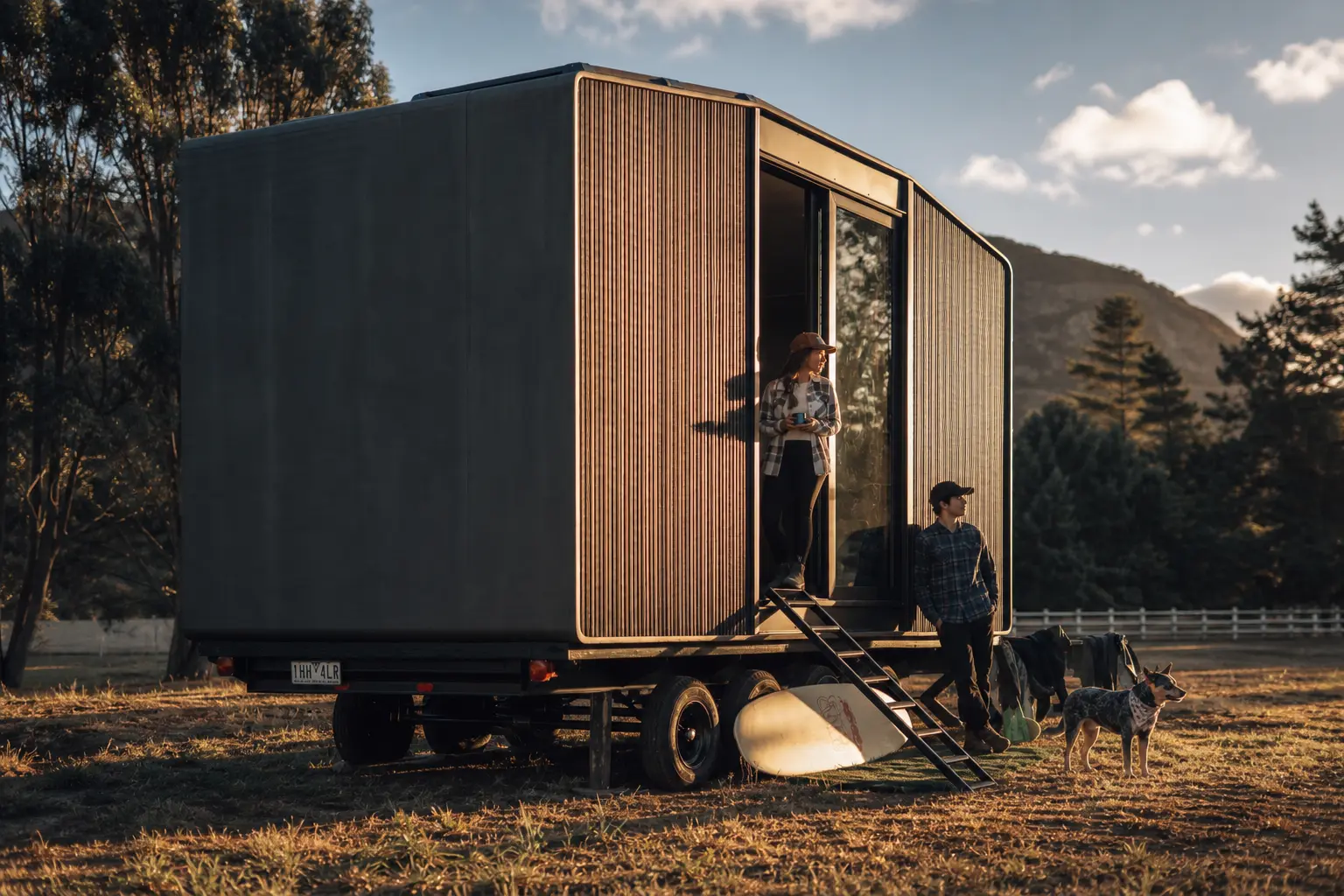
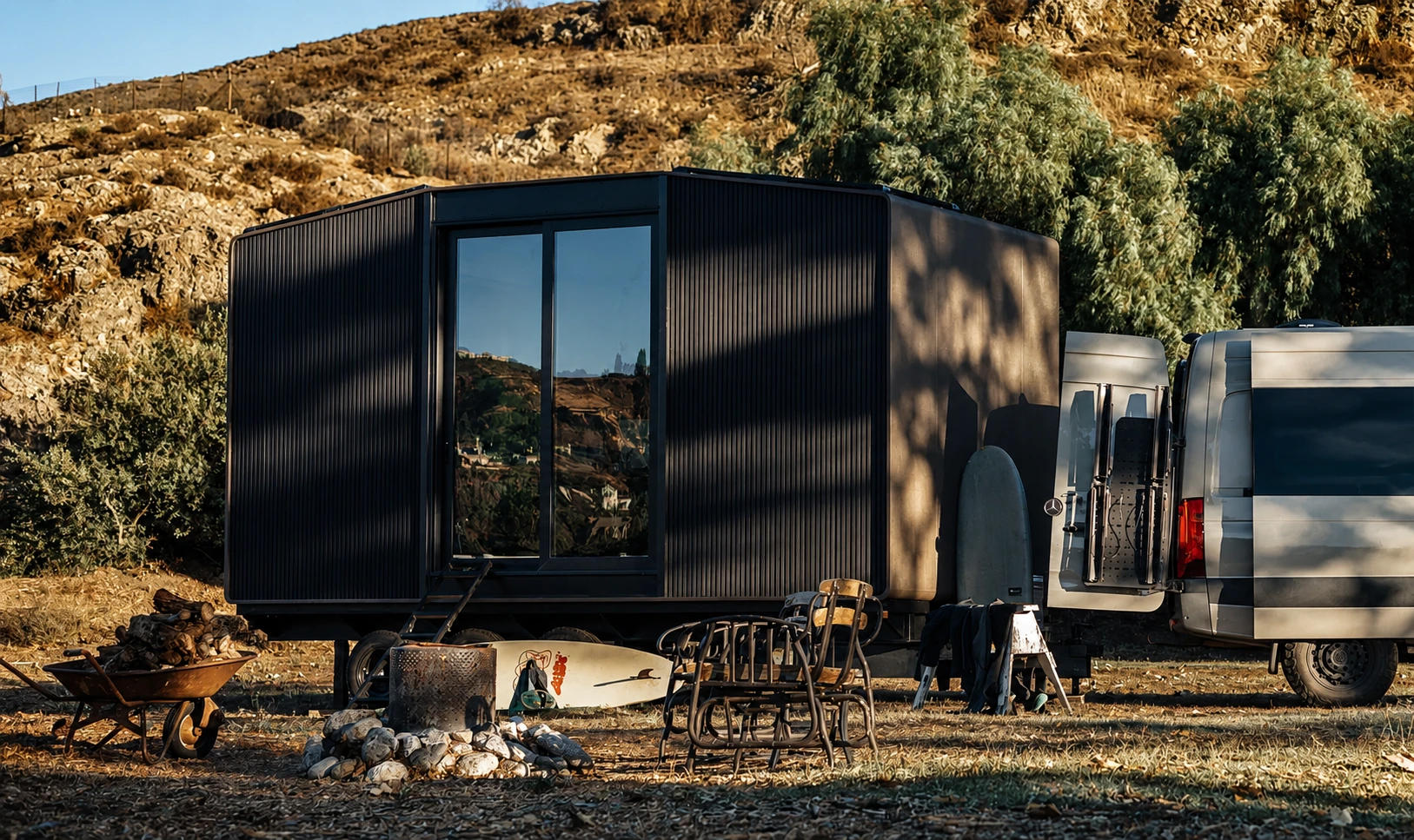
Homes on wheels can be worth it when flexibility matters. These units are more complete than simple studios because they can include kitchens, bathrooms, sleeping space, and built-in living features.
Our X Series ranges from the X_180 at 9′ x 20′ to the X_270 at 9′ x 30′ and the X_360 at 9′ x 40′. The X_180 works more like a studio-on-the-move, the X_270 adds a one-bedroom layout, and the X_360 includes two bedrooms, one bathroom, a kitchen, and washer/dryer space.
This path can be worth it for park communities, rental settings, flexible living, or sites where a chassis-based unit is allowed. It may not be worth it if zoning, placement rules, or community restrictions make the unit difficult to use.
Homes And ADUs
Homes and ADU-style units are usually worth considering when the goal is more permanent. They can support family housing, rental income where allowed, multigenerational living, guest space, or a fuller backyard housing setup.
Our Homes & ADUs category includes larger layouts from 360 sq ft up to 900 sq ft, with kitchen, bathroom, and bedroom configurations depending on the model.
These projects usually need more planning because they behave more like residential builds. The cost is higher, but the use case is also stronger when the unit needs to support daily living. For many buyers, this is where a tiny home stops being a “small structure” and becomes a real housing decision.
Other Factors That Affect Whether A Tiny Home Is Worth It
Price and layout are important, but they are not the whole decision. A tiny home can look like the right choice on paper and still become difficult if the site is not ready, utilities are hard to connect, or the timeline does not match the buyer’s plans.
This is where the practical side matters most. Before choosing a model, it helps to look at the land, delivery access, utility needs, local rules, and how quickly the space needs to be usable.
The Site Can Make Or Break The Value
A tiny home can be well designed and still be a poor choice for the wrong site. The land needs to support delivery, placement, access, utilities, drainage, and local requirements.
A flat, accessible property is usually easier to work with than a tight backyard, steep lot, or remote location. A unit with a bathroom and kitchen needs more utility planning than a simple studio. A larger ADU-style space may need foundation work, inspections, and stronger coordination with local rules.
We design units larger than 120 sq ft with electricity, water, and sewer connections. Units under 120 sq ft are wired for electrical only. Plumbing and electrical work is completed inside the unit before delivery, with exterior connections prepared for site hookup.
That difference matters. A tiny home is worth more when the systems match the way the space will actually be used.
Speed And Predictability Matter Too
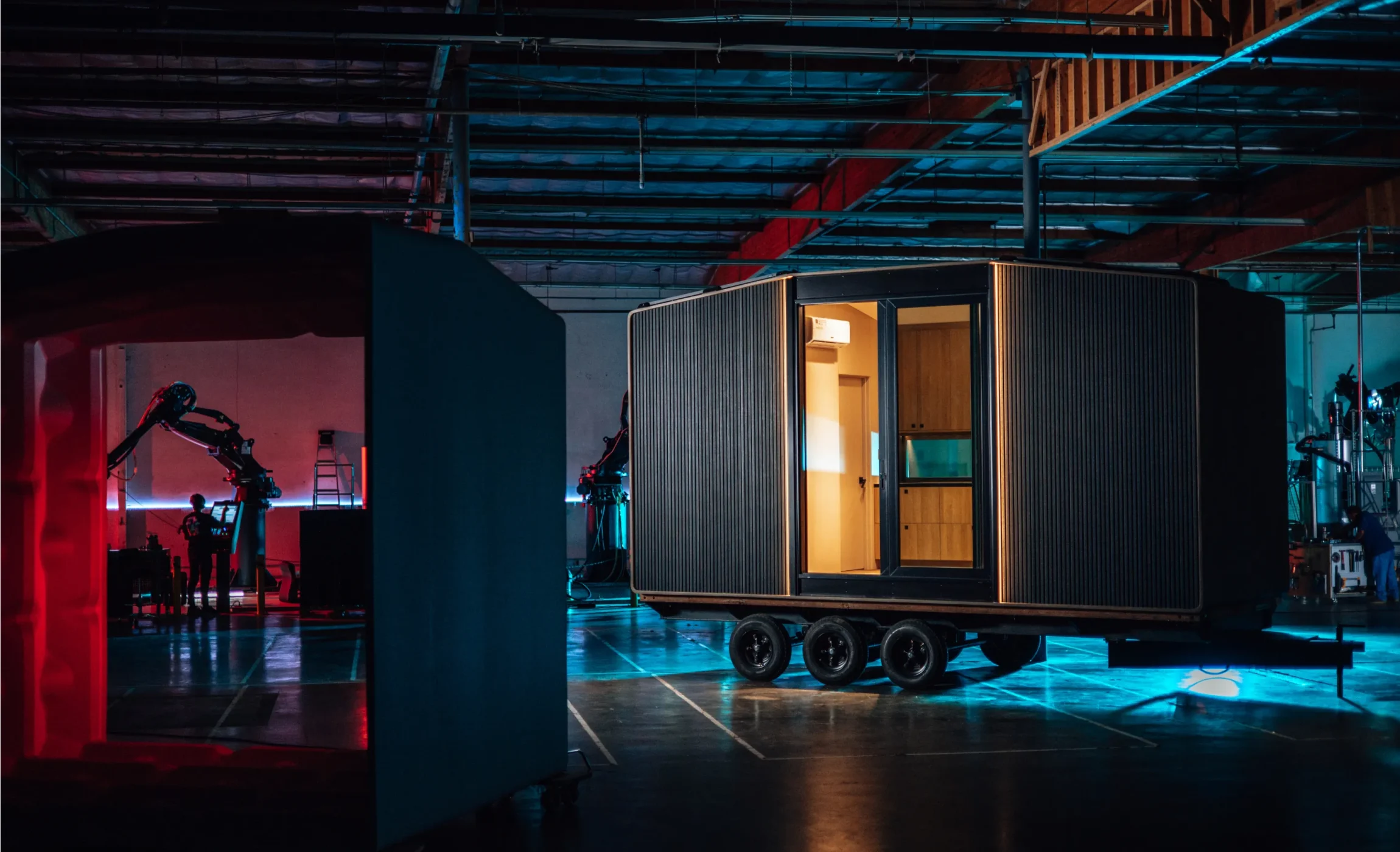
One reason tiny homes can feel worth it is the timeline. Traditional construction can stretch out, especially when everything happens on site. Prefab construction can make the process more predictable because the unit is built before delivery while the site can be prepared at the same time.
We manufacture our units in Los Angeles, CA. Backyard studios can usually be delivered within 30-60 days depending on location, while ADUs and homes usually take around 90-120 days. We also use more than 60% recycled plastic in our print material, which supports our goal of building durable prefab spaces with less waste.
Speed alone does not make a tiny home worth it. But when faster delivery, less site disruption, and a clear production process solve a real problem, the value becomes easier to see.
When A Tiny Home May Not Be Worth It
A tiny home may not be worth it when the project is built around assumptions instead of facts. A lower starting price can look attractive, but the full picture still includes land, delivery, utilities, permits, site work, and local rules.
It may be a poor fit when:
- Local rules do not allow the unit or make approval difficult
- The site is expensive to prepare or hard to access
- Utilities are difficult or costly to connect
- Parking, setbacks, drainage, or foundation needs make the project more complex
- The expected use does not match the model being considered
- The budget is based only on the starting price, not the full project cost
A tiny home is not a shortcut around planning. The smaller size can make the project simpler, but permits, zoning, utility needs, delivery access, and foundation details can still matter. It is usually a better decision when those questions are checked early, before choosing a model or setting expectations around cost.
A Simple Way To Decide
A tiny home is more likely to be worth it when you can answer these questions clearly:
- What will the space be used for?
- Where will it be placed?
- Does it need electricity only, or full water and sewer connections?
- Is the unit allowed by local rules?
- Will it be used occasionally, seasonally, or every day?
- Is the budget based on the full project, not just the model price?
These questions are simple, but they prevent a lot of expensive confusion. The best tiny home projects usually start with the use case, not the floor plan.
Final Thoughts On Whether Tiny Homes Are Worth It
Tiny homes are worth it when they fit the property, budget, rules, and real-life use. They can be a smart way to add space, create flexibility, support family, build rental potential where allowed, or make better use of land. They are less worth it when the project ignores site work, utilities, permitting, or the limits of a small footprint.
At Azure Printed Homes, we look at tiny homes as practical spaces first. The right choice is not always the cheapest model or the biggest layout. It is the one that solves the actual problem without adding more space, cost, or complexity than needed.