If you need emergency housing in Virginia, the first step is getting connected to the right local support. For most people, that means calling 211, reaching out to a local housing crisis line, or contacting your city or county social services office. They can help point you toward shelter, rental help, rapid rehousing, or other options based on where you are and what is happening right now.
Housing emergencies do not wait for a perfect timeline. A family may need a safe place after a storm. A community may need interim housing after a fire. A city may need more units before the next crisis hits. That is where faster building starts to matter.
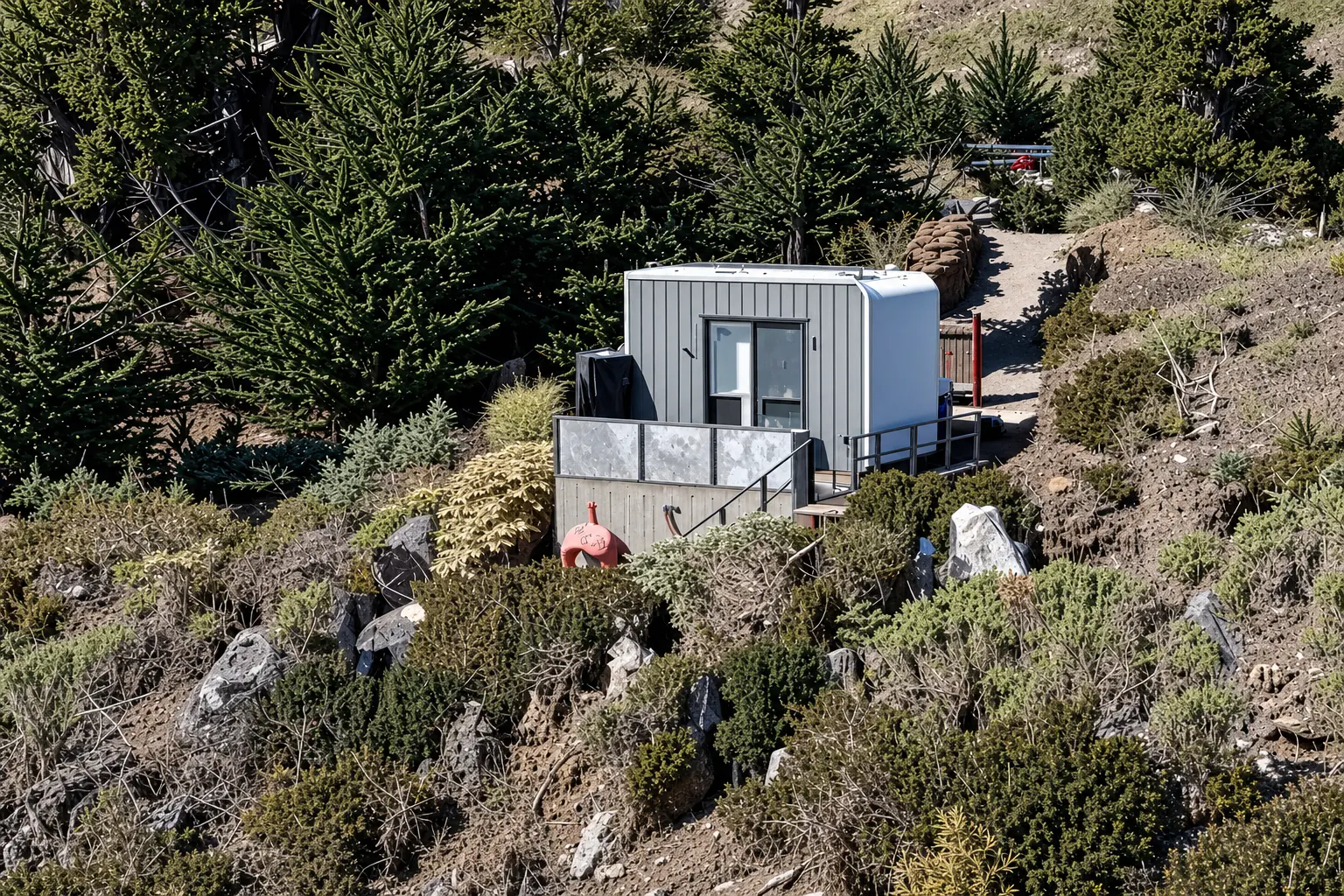
At Azure Printed Homes, our robotically printed modular spaces are built with recycled materials, designed for efficient installation, and made to support real people in real situations. Not as a quick patch. Not as a one-size-fits-all answer. But as part of a smarter way to help communities respond when housing is needed most.
What Emergency Housing Usually Means in Virginia
Emergency housing can mean different things depending on the situation. For one person, it might mean a shelter bed for the night. For another, it may mean help staying in their current rental before an eviction happens. For a family after a house fire, it may mean temporary shelter, financial assistance, or a short-term place to stay while they recover.
In Virginia, emergency housing can include:
- Emergency shelter
- Temporary housing
- Homelessness prevention
- Rapid re-housing
- Domestic violence shelter referrals
- Family shelter programs
- Veteran housing support
- Local social services assistance
- Disaster-related housing help
- Permanent supportive housing for eligible households
The key thing to understand is that emergency housing is not always a direct application for an apartment. In many areas, you first go through a screening or coordinated entry process. That system helps local providers understand your situation and match you with available resources.
It may feel frustrating when you want a quick answer. When housing is urgent, nobody wants to make five phone calls and repeat the same story. But coordinated entry is designed to keep access fair and help providers decide who needs what type of help first.
First Step: Call 211 or Your Local Housing Crisis Line
For most people in Virginia, 211 is the best first call. You can dial 2-1-1, use live chat, email, or text CONNECT to 247211. The service can connect people with housing, food, healthcare, utility help, and other local resources.
When you contact 211, ask specifically for emergency housing or homeless services in your city or county. If you are not sure what to say, keep it simple.
You can say:
- “I need emergency housing tonight”
- “I am about to lose my housing”
- “My family has nowhere safe to stay”
- “I need the homeless crisis line for my area”
- “I need help after a fire, flood, or other emergency”
- “I need shelter and I do not know where to start”
The person on the line may refer you to a local homeless crisis response system, a coordinated entry number, a shelter, a community nonprofit, or your local department of social services.
Try to write down every number, name, and instruction they give you. If you are stressed, tired, or making calls from a car, library, school, or public place, details can disappear fast. A small note in your phone can save you from starting over later.
Emergency Shelter and Rapid Re-Housing
Shelter Comes First When Safety Is Urgent
Emergency shelter is usually the first step when someone has nowhere safe to stay. It is meant to provide short-term safety while a longer housing plan is worked out.
In Virginia, shelter options can vary by location. Some serve families with children. Others serve single adults, youth, veterans, or people escaping violence. Some shelters accept walk-ins, but many require a referral through coordinated entry or a local housing crisis line.
That is why it helps to call before showing up. If a shelter is full or does not take direct intake, you may lose time you do not have.
What to Ask Before Going to a Shelter
When you speak with a housing worker, ask a few direct questions:
- Do I need a referral before going to a shelter?
- Is there a shelter for my household type?
- What time should I arrive?
- What documents should I bring?
- Can I bring medication, work items, school supplies, or important papers?
- What are the rules for children, partners, pets, or service animals?
- What should I do if every shelter is full?
That last question matters. If there is no bed available, ask about overflow shelter, motel placement, seasonal programs, faith-based options, or warming and cooling centers.
Rapid Re-Housing May Come Next
Rapid re-housing is different from emergency shelter. Shelter helps with immediate safety. Rapid re-housing is meant to help people move into more stable housing as quickly as possible.
It may include help finding a rental, short-term financial assistance, and support services. Not everyone qualifies, and availability depends on local funding, program rules, and open spots.
A useful question to ask is:
“Am I eligible for rapid re-housing, or do I need to go through shelter or outreach first?”
In some areas, referrals come through shelter staff or street outreach teams. In others, coordinated entry reviews your situation first and then connects you to a provider.
Rapid re-housing can be a strong next step, but it is not instant. There may be paperwork, landlord checks, inspections, income reviews, and wait times. If you are in crisis today, focus on immediate safety first. Then ask what the path to stable housing looks like after that.
Why Emergency Housing Is Also a Building Problem
Most emergency housing conversations focus on services. That makes sense. People need case managers, crisis lines, rental help, food, healthcare, and transportation. But there is a physical side to the problem too.
A community may know exactly what it needs and still struggle to build it fast enough.
Traditional construction can be slow, expensive, and complicated. Permitting, site work, labor availability, materials, weather, inspections, utility connections, and budget changes can stretch timelines. When the need is emergency shelter, interim housing, supportive housing, or rapid replacement after disaster, long timelines can leave people waiting too long.
That is where emergency building becomes part of the answer.
Emergency building does not mean throwing up poor-quality structures and hoping for the best. It means planning housing that can be delivered faster, installed with less mess, and still feel safe, dignified, and useful.
Emergency housing should be built around a few practical ideas:
- People need privacy where possible
- Units should be durable enough for real use
- Construction should reduce delays, not add new ones
- Materials should be responsible and efficient
- Communities need predictable costs
- Installation should be planned around utilities, access, and long-term operations
- Temporary should not mean careless
This is one reason modular housing and off-site fabrication are getting more attention. When more of the building happens in a controlled environment, the site can be prepared while the units are being made. That can reduce the amount of work happening in the middle of a neighborhood, campus, recovery site, or emergency housing location.
Housing That Can Respond Faster
Modular housing is not a magic switch. A city still needs land. A nonprofit still needs funding. A developer still needs approvals. Utilities still matter. Fire safety still matters. Accessibility still matters.
But modular construction can help because it changes the timing and the process.
Instead of building every piece on site from the ground up, a modular approach allows parts of the project to be manufactured off-site, delivered, and installed more efficiently. For emergency housing, that can be a big deal.
A faster building system may help communities create:
- Interim housing villages
- Supportive housing units
- Disaster recovery housing
- Temporary staff or responder housing
- Small residential units for local housing programs
- ADU-style emergency housing on suitable sites
- Modular expansions for existing shelter campuses
- Flexible units for nonprofits, cities, counties, and housing providers
For us at Azure Printed Homes, this work starts with the idea that housing can be built smarter. Our homes and modular spaces use robotic 3D printing, recycled materials, and controlled fabrication. The goal is not to make emergency housing feel futuristic for the sake of it. The goal is more practical than that: reduce waste, improve predictability, and help communities get usable space faster.
How Azure Printed Homes Supports Emergency Housing Projects
We work in future-focused modular living spaces. Our systems are designed for faster construction, recycled materials, and efficient delivery. Depending on the project, that can support emergency housing planning for local governments, developers, architects, general contractors, nonprofits, and community partners.
Our models and systems can be useful in different ways:
Studio Series
Compact studio-style units can support flexible space needs, depending on local use and code requirements. These may work better for support spaces, offices, services, or small non-residential uses unless a project is specifically designed and permitted for housing.
Homes on Wheels
Chassis-based units can offer mobility and compact living features, but placement rules matter. A home on wheels needs the right site, the right approvals, and the right operating plan.
Homes & ADUs
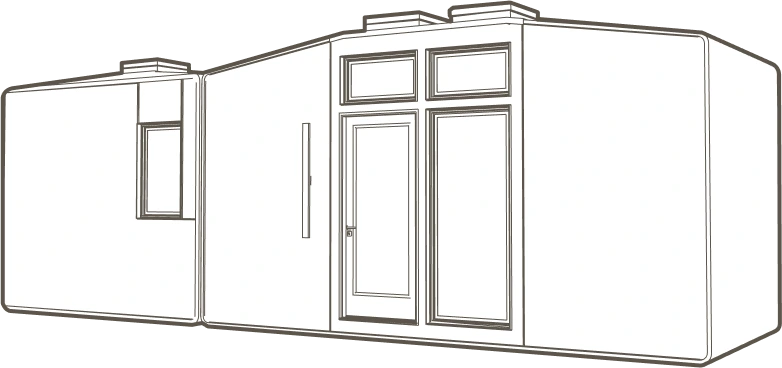
Larger residential-style units can be a better fit when the goal is more complete living space, family use, guest housing, or local housing programs where permitted.
Professional Building Systems
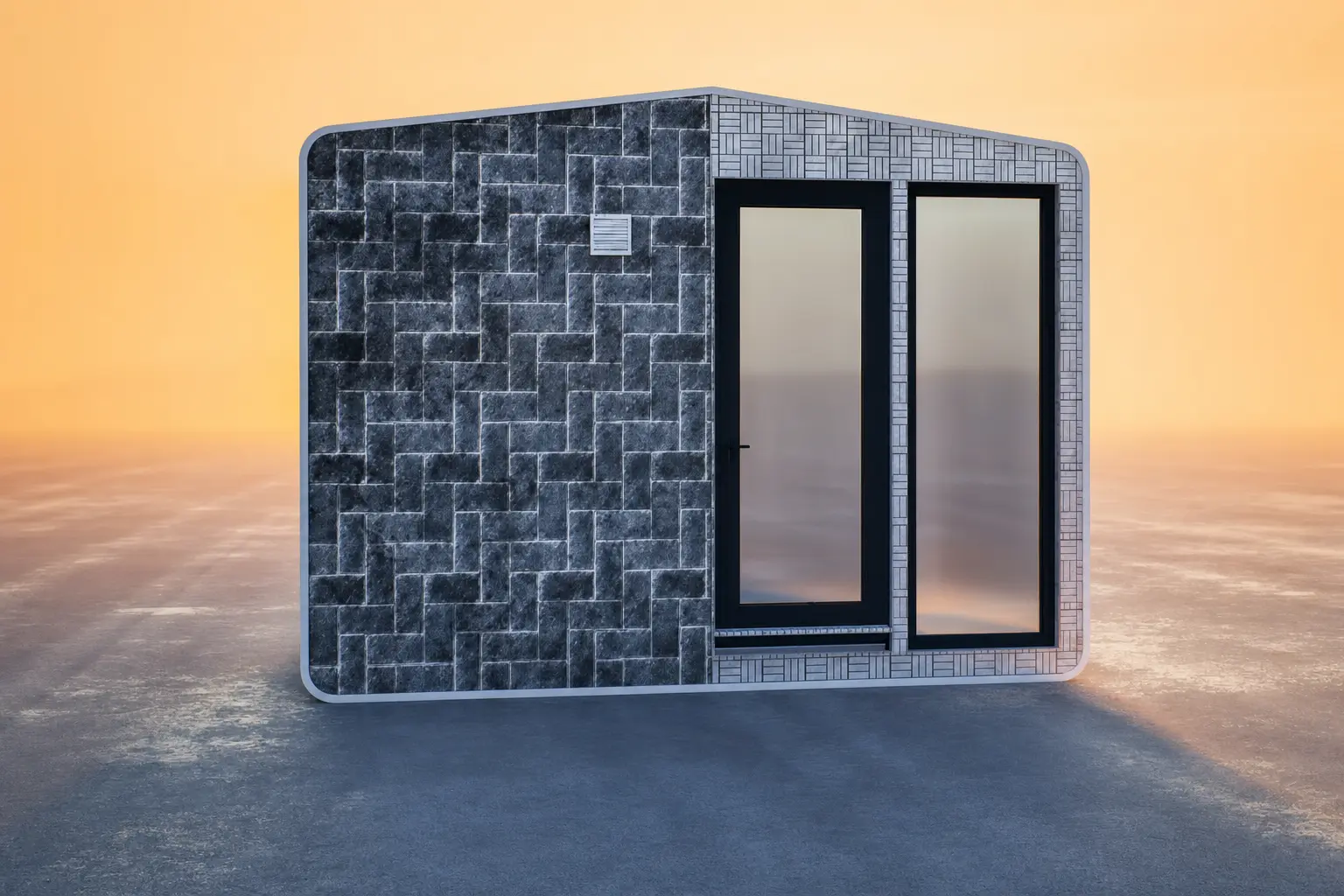
For larger projects, our professional building approach can support developers, architects, and GCs with industrialized building systems, off-site fabrication, high-performance envelopes, light-gauge steel, SIPs, and optional 3D-printed recycled composite facades.
That last category matters for emergency building. A community trying to create more interim or supportive housing may need more than a single unit. It may need a repeatable building system that can scale without turning every project into a brand-new construction puzzle.
What Communities Should Plan Before Emergency Units Are Built
Emergency building works best when the boring details are handled early. That may not sound exciting, but it is where projects succeed or stall.
Before a community brings in modular emergency housing, it should look closely at:
- Land ownership and site control
- Zoning and permitted use
- Fire access and emergency vehicle routes
- Water, sewer, and electrical connections
- Stormwater and drainage
- Foundation or anchoring needs
- ADA accessibility
- Heating, cooling, and insulation
- Security and lighting
- Laundry, trash, storage, and maintenance
- Case management and service space
- Transportation access
- Long-term operations and staffing
- Whether the housing is temporary, interim, transitional, or permanent
A unit can print quickly, but a project still needs a real plan. Speed matters, but speed without coordination can create more problems. The goal is not just to place structures. The goal is to create housing that is safe, connected, maintained, and ready for people to use.
A Simple Checklist If You Need Emergency Housing in Virginia
If you are looking for help right now, start here.
- Call 211: Ask for emergency housing, shelter, or the homeless crisis line for your city or county.
- Say how urgent it is: Tell them if you have nowhere to stay tonight, are sleeping outside, are in a car, have children with you, or are unsafe.
- Ask about coordinated entry: Find out whether your area uses a central intake or referral system for shelters and housing programs.
- Ask about shelter and prevention: If you are already homeless, ask about shelter. If you are about to lose housing, ask about prevention or rental help.
- Mention special circumstances: Say if you are a veteran, pregnant, disabled, fleeing violence, displaced by disaster, caring for children, or under 18.
- Keep documents close: Hold onto ID, eviction notices, benefit letters, pay stubs, medical paperwork, school documents, and disaster reports if you have them.
- Call back if needed
Shelter availability can change. Ask when to check again and whether there are other options. - Use local social services: Your city or county department of social services may know about emergency assistance, public benefits, and local programs.
- Do not wait for the last day: If you are still housed but close to losing it, call now. Prevention help is usually easier before homelessness happens.
Final Thoughts
Getting emergency housing in Virginia usually starts with a call, not a construction site. For individuals and families, the most important first step is to reach 211 or the local housing crisis response system. From there, the path may lead to shelter, prevention, rapid re-housing, social services, or a specialized program.
But the larger problem does not end with referrals. Virginia communities, like many others, need more places for people to go. They need housing that can be planned faster, built with less waste, installed more predictably, and designed around dignity instead of delay.
That is where emergency building matters.
At Azure Printed Homes, we provide modular construction as one practical part of the housing response. It does not replace crisis workers, shelters, rental assistance, or local service providers. Those services are essential. Modular construction helps address the physical supply problem behind many housing emergencies: the need for real units that can be built, delivered, and installed faster.
When people need housing now, communities need options that can move quickly. And when they are preparing for the next emergency, not only reacting to the current one, faster and more predictable building systems can help.
Smarter. Faster. Useful when it matters.