When someone is searching for emergency housing in Ontario, they usually need clear steps, not a long policy lesson.
Maybe they need a safe place tonight. Maybe rent is due and there is no way to cover it. Maybe a family situation changed fast. Maybe a shelter, motel placement, or short-term housing program is the only option left.
So the first answer is simple: start local, and start now.
In Ontario, emergency housing help usually begins with 211 Ontario, a local shelter intake line, a municipal housing service, or emergency assistance if the issue is money for food, rent, or basic needs. The exact path depends on where you are, because shelter systems and housing supports are handled locally.
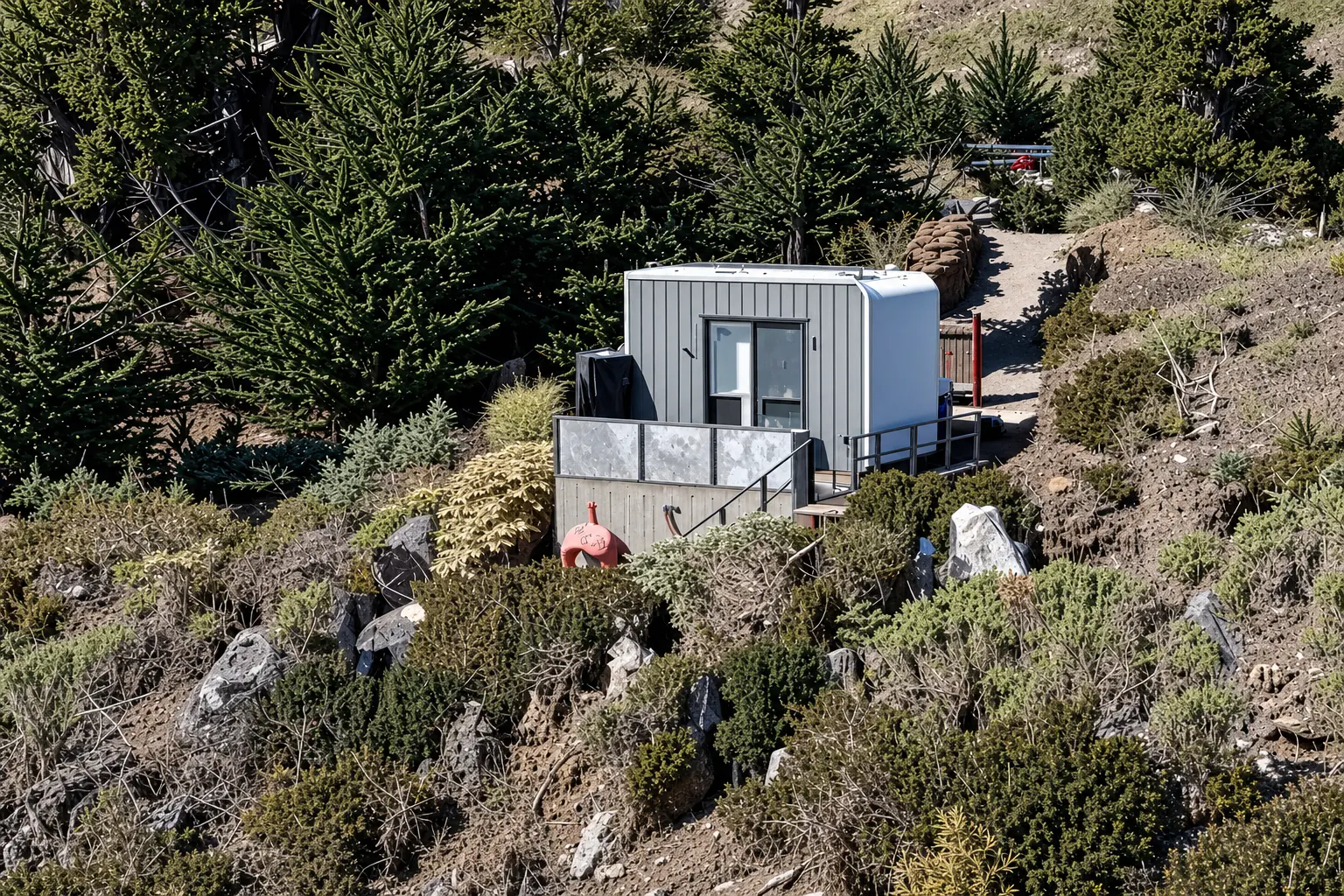
At Azure Printed Homes, the focus is on the housing supply side of emergency response. Intake lines, applications, and support programs are important, but people also need real spaces they can use. That means rooms, housing units, washrooms, heat, privacy, and secure doors that close.
That is why emergency housing is also an emergency building question. Ontario needs faster ways to create practical, dignified housing when communities are already under pressure.
Start With Safety, Then Shelter
If you are in immediate danger, call emergency services first. Housing support is important, but safety comes before paperwork, waitlists, or intake appointments.
If you are not in immediate physical danger but have nowhere safe to stay, contact 211 Ontario or your local shelter intake line. In some cities, there is one central number for emergency shelter. In other places, 211 can help point you to the right local program.
You do not need to explain everything perfectly. Plain language is enough.
You can say:
- “I have nowhere safe to stay tonight”
- “I need emergency shelter”
- “I may be evicted and need housing help”
- “I am leaving an unsafe situation”
- “I need shelter for myself and my children”
- “I need help paying for housing because of an emergency”
The person helping you may ask where you are, who is with you, whether you have children, whether you are fleeing violence, and whether you have any urgent health or accessibility needs. That can feel personal, especially when you are already stressed. But those details help them find the right kind of support.
What Emergency Housing May Include
Emergency housing can mean different things depending on the situation and location.
In Ontario, it may include:
- An emergency shelter bed
- A family shelter
- A youth shelter
- A shelter for women and children leaving violence
- A motel or hotel placement arranged by a local program
- Transitional housing
- Supportive housing with services
- Short-term financial help to avoid homelessness
- Rent bank or eviction prevention support
- Outreach support for people sleeping outside
- Temporary housing after a fire, flood, or sudden crisis
Not every option is available everywhere. A larger city may have several shelters and a central intake line. A smaller community may rely on regional programs, local agencies, outreach teams, nonprofits, or temporary motel placements.
That is why the best first question is not only “How do I get emergency housing in Ontario?”
It is also: “Who handles emergency housing in my area?”

What To Bring If You Need Shelter
If you are going to a shelter or intake appointment, bring what you can. Do not panic if you do not have everything.
Useful items include:
- Photo ID, if available
- Health card
- Medication or prescriptions
- Phone and charger
- A few clothes
- Basic toiletries
- Bank card or direct deposit details
- Eviction notices, letters, or benefit documents
- Contact numbers for family, friends, workers, doctors, or schools
- School documents for children, if relevant
If you do not have ID or documents, still ask for help. Missing paperwork can make things harder, but it should not stop you from contacting shelter intake, 211, or emergency support.
One small practical thing: keep your phone charged whenever you can. A lot of housing steps now happen by phone, text, or email. It is a tiny detail until it becomes the thing that keeps you connected.
Why Emergency Housing Is Also a Building Problem
The personal steps matter first. People need help now.
But Ontario’s emergency housing problem does not end at the intake desk. If there are not enough rooms, beds, units, washrooms, staff spaces, and safe buildings, the system gets stuck.
Shelters fill. Families wait longer. Encampments grow. Hospitals feel the pressure. Frontline workers spend too much time searching for space instead of helping people move toward stability.
That is where emergency building becomes part of the answer.
Communities need housing that can be deployed faster, built with care, and used for more than one emergency season. Temporary does not have to mean careless. Small does not have to mean cheap. Fast does not have to mean flimsy.
What Faster Building Should Actually Do
Emergency building should be practical from day one.
For a city, nonprofit, housing provider, or developer, the question is not only “How quickly can we put units on this site?”
Better questions are:
- Can the units be installed without a long, messy construction process?
- Can they handle Ontario weather?
- Can they connect to water, sewer, electricity, heating, and cooling?
- Can they support privacy and dignity?
- Can the site work for individuals, couples, families, seniors, or people with accessibility needs?
- Can staff operate the site safely?
- Can the buildings be maintained without unusual problems?
- Can the project scale if the need grows?
- Can the units shift from emergency use to transitional or supportive housing later?
That last point matters. Emergency housing should not always be disposable. If a community is going to invest in buildings, those buildings should keep making sense after the first crisis response.
How Modular Building Helps Emergency Housing Move Faster
Modular housing can help because much of the work happens off-site. Instead of building every part from scratch in the weather, the structure can be manufactured in a more controlled setting, then delivered and installed when the site is ready.
For emergency housing, that can make a real difference. It can reduce some of the delays that slow down conventional construction, including long timelines, weather setbacks, heavy site disruption, labor scheduling issues, material waste, and budget uncertainty.
Why Off-Site Construction Matters
In an emergency housing project, speed is important. But speed alone is not enough. The building still needs to be safe, durable, comfortable, and practical to operate.
That is where a controlled fabrication process can help. When more of the work happens before the unit reaches the site, the project can become easier to plan. Communities can look at delivery, installation, utilities, maintenance, and future scaling with fewer unknowns.
At Azure Printed Homes, our work is built around robotically printed modular living spaces using recycled plastic waste in the print material. The technology matters, but not because it sounds futuristic. It matters because a repeatable, factory-based process can make housing delivery more predictable.
And predictability matters in an emergency.
A community does not need one impressive pilot project that cannot be repeated. It needs a building approach that can be planned, approved, delivered, maintained, and scaled.
Smaller Units Can Still Be Serious Infrastructure
One common mistake is thinking small housing is not serious housing.
A smaller unit can be a practical part of an emergency housing plan when it is matched to the right use. Some sites need private sleeping cabins with shared services. Some need self-contained units. Some need transitional housing for people moving out of shelter. Some need family-sized layouts. Some need staff offices, intake rooms, hygiene facilities, storage, or community rooms.
That is why the model should follow the need.
Matching the Model to the Emergency Housing Plan
Our Studio Series can support compact, flexible space where a full dwelling is not required. Our X Series Homes on Wheels is designed for mobility and comfort, with chassis-based models that may fit certain placement needs where allowed. Our Homes & ADUs models offer larger residential-style layouts when a project needs more complete living functions.
For emergency housing, the best option is not automatically the largest model or the lowest starting price. It is the one that fits the site, the approval path, the service model, and the people who will actually use it.

Emergency Housing Needs More Than a Unit
A modular unit can be fast. A printed shell can be fast. Off-site fabrication can be fast.
The full project still needs a real plan.
Emergency housing sites usually need to account for:
- Land ownership or site control
- Zoning and permitted use
- Building code requirements
- Fire access and life safety
- Water, sewer, and electrical connections
- Heating and cooling
- Stormwater and drainage
- Snow and winter maintenance
- Accessibility
- Waste collection
- Laundry, showers, or food service if needed
- Staff space and security planning
- Transportation access
- Long-term maintenance
- Operating partners
This is not a reason to avoid modular housing. It is a reason to plan it well.
Fast building works best when the site is ready, the use is clear, and the local approval path is understood early. The unit matters, but the land around it matters too.
For Individuals: What To Do Today
If you personally need emergency housing in Ontario, keep the steps simple.
Start here:
- If you are in immediate danger, call emergency services
- Contact 211 Ontario and ask for emergency shelter or housing help in your area
- Ask whether your city or region has a central shelter intake line
- If you are at risk of losing housing, ask about emergency assistance and eviction prevention
- If you are leaving an unsafe home, ask for specialized shelter options
- If you have children, say that right away
- If you have accessibility needs, say that right away
- If you already have a worker, doctor, school contact, legal clinic, or community agency, ask them to help you call
You do not need perfect words. “I need somewhere safe to stay” is a clear place to start.
For Communities: What To Build Next
For municipalities, housing providers, developers, architects, and community partners, the question is different.
It is not only “How do I get emergency housing tonight?”
It is “How do we create enough emergency housing so fewer people are left waiting?”
That means planning for speed and dignity at the same time.
Ontario needs practical sites, clear approvals, repeatable unit designs, strong operating partners, and housing that can move faster than conventional construction usually allows. Modular building can help shorten the path, but the strongest projects still bring the right people together early: local governments, service providers, architects, engineers, funders, outreach teams, and the people who understand the community need firsthand.
Small, well-built spaces can play a serious role in emergency and transitional housing. Robotically printed construction, recycled materials, controlled fabrication, and faster delivery are not just product details. They help answer a practical question: how can useful housing be built when the old timeline is too slow?
Emergency housing should be ready faster. It should feel safer. It should waste less. And it should give communities something they can keep using as needs change.
Final Thoughts
If you need emergency housing in Ontario, start with the closest help system. Call 211. Ask for shelter intake. Ask about emergency assistance if money is the crisis. Contact your local housing service if you are at risk of homelessness.
The first step is not perfect paperwork. It is getting connected.
If you are looking at this from the building side, the need is just as urgent. Ontario needs more emergency housing capacity, and that means building faster without treating people like temporary problems.
Emergency building is a part of the housing response. Not the whole answer. But a necessary one.
When modular units are planned well, placed legally, connected properly, and operated with care, they can help move people from waiting lists and unsafe situations into real rooms with real doors.
And in an emergency, that matters.