Affordable housing is easy to discuss in big numbers. Units needed. Costs reduced. Timelines improved. More density. Better use of land.
All of that matters. But at the end of the process, someone has to live there.
That is the part we try not to lose. Affordable housing should not feel like a budget exercise with walls. It should be safe, comfortable, practical, and planned around the way people actually live.
At Azure Printed Homes, we work with 3D-printed modular living spaces because housing needs a smarter path forward. The goal is not just to build smaller or cheaper. The goal is to build faster where possible, reduce waste, use better materials, and create spaces that still feel like real homes.
A good affordable housing project starts with the basics: the land, the budget, the approval path, the construction method, and the people who will use the space. When those pieces are clear early, the project has a much better chance of staying on track.
Start With the Actual Housing Need
Before choosing a model or layout, it helps to ask one plain question: what is this housing supposed to solve?
Affordable housing can mean different things. A homeowner may need an ADU for a parent, adult child, caregiver, guest, or rental use where allowed. A city may need interim housing that can be delivered faster. A developer may need repeatable units for a multifamily or missing middle project. A landowner may want smaller spaces for a tiny home community, glamping site, or workforce housing setup.
Those are not the same project.
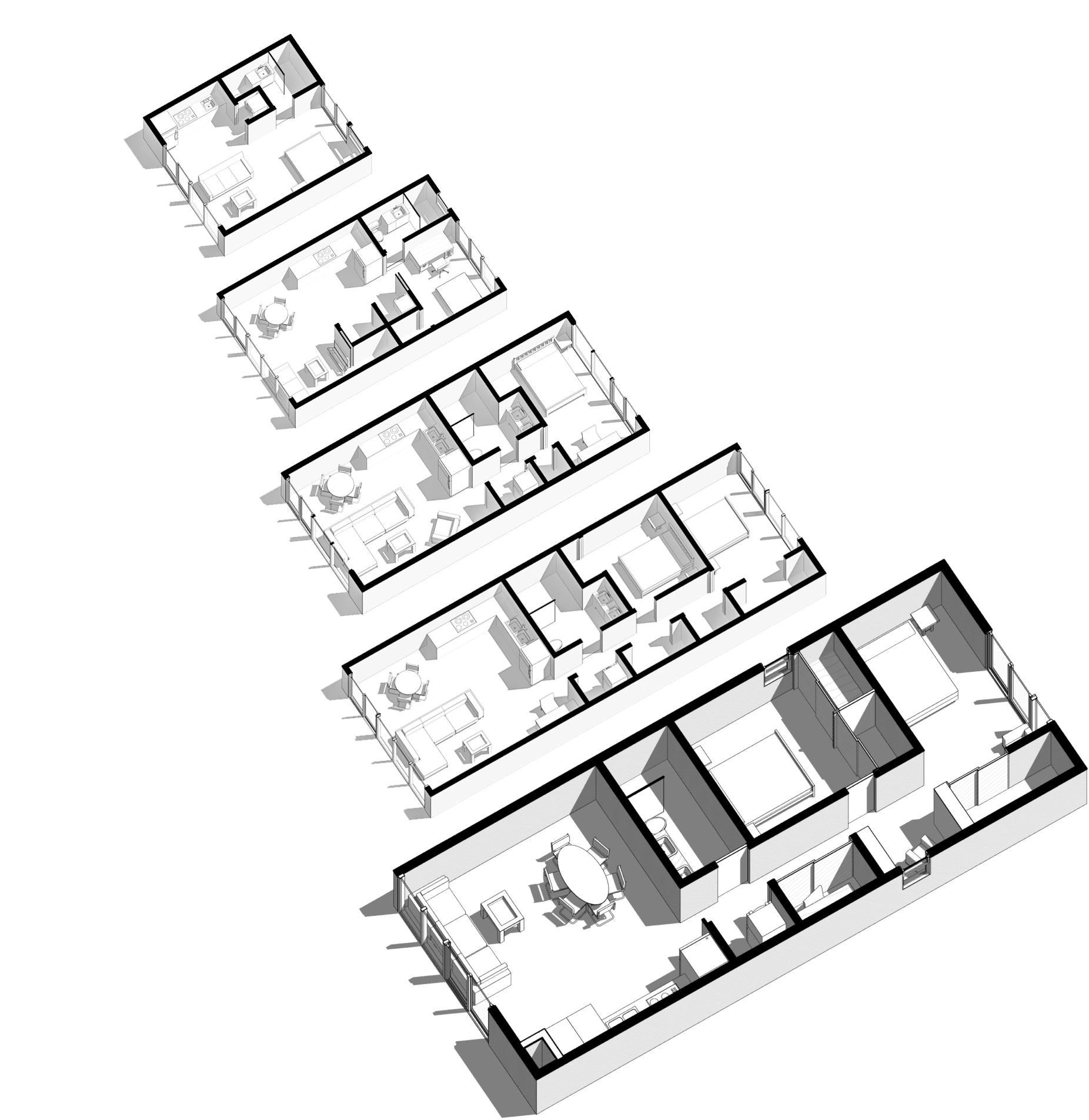
A 120 sq ft studio, a 360 sq ft home on wheels, a 720 sq ft ADU, and a larger developer system all follow different paths. The size matters, but the use matters more.
Early planning should answer:
- Who will use the space?
- Will it be temporary, seasonal, long-term, or permanent?
- Does it need a kitchen, bathroom, bedroom, or laundry?
- Will the project need parking, accessibility, or shared outdoor space?
- What local approvals are required?
- What budget range is realistic after site work is included?
Affordable housing gets harder when the plan starts too loosely. A clear use case keeps the whole project grounded.
Match the Format to the Project
One common mistake is treating every small structure as the same kind of solution. Smaller does not always mean simpler. It depends on how the space will be used and where it will go.
Studio Series for Extra Space
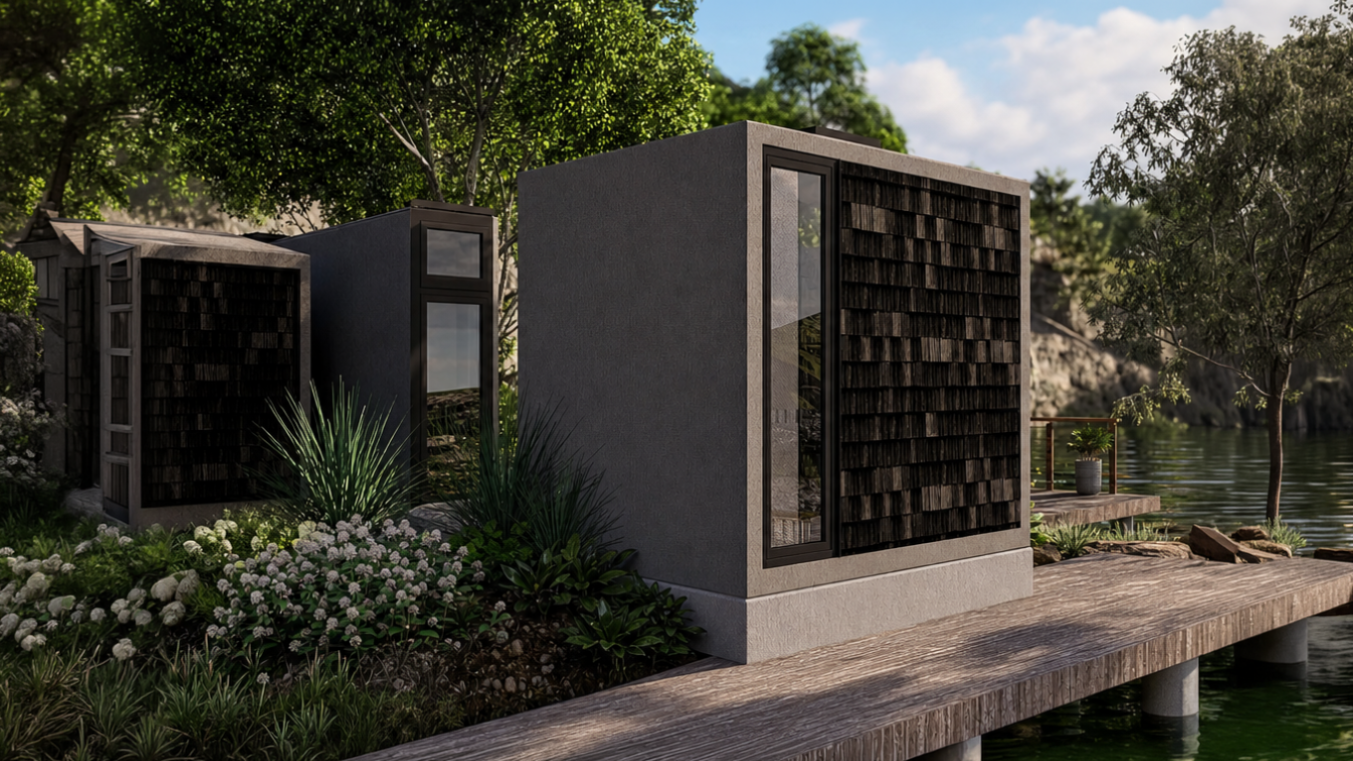
Our Studio Series models are compact structures for flexible use. Models like the N_100, D_120, and A_120 are not full homes. They do not include kitchens, bedrooms, or bathrooms.
They can work well as backyard offices, creative rooms, hobby spaces, wellness areas, or quiet rooms near a main home. For some properties, that kind of extra space can be a practical and lower-complexity option.
This can support affordability in a simple way. Instead of moving, expanding the main house, or taking on a large renovation, the property gets a useful separate space.
X Series for Mobility and Compact Living
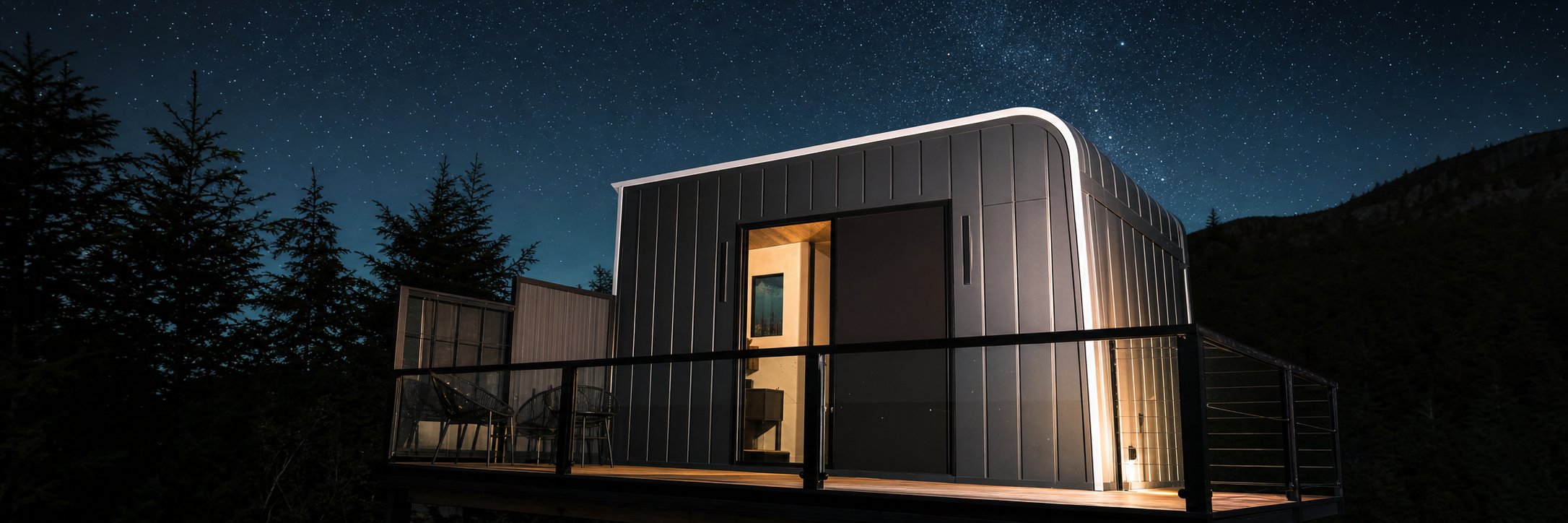
Our X Series homes on wheels are chassis-based models for people who need mobility and comfort. The X_180, X_270, and X_360 include different layouts with kitchen, bathroom, and sleeping features depending on the model.
This path can make sense for tiny home communities, park-style placement, travel-focused use, or flexible land plans where this type of unit is allowed.
The key phrase is “where allowed.” A home on wheels still needs a legal place to go. It also needs safe placement, drainage, utility planning, and site access. Mobility is useful, but it does not replace local rules.
Homes & ADUs for Complete Living
Our Homes & ADUs models are designed for more complete residential use. These units include kitchens, bathrooms, bedrooms, and utility connection planning. They can support family space, guest housing, rental potential where allowed, or a more permanent backyard living setup.
This path usually needs more planning than a small studio. Permits, foundation, drainage, delivery access, utility connections, and inspections all matter. That is not a bad thing. It just means the project should be treated like real housing from the start.
For many affordable housing goals, this category has stronger long-term use because it gives people a complete place to live.
Developer Systems for Repeatable Housing
Larger housing projects need more than one-off thinking. Developers, architects, cities, and general contractors often need repeatable systems that can work across a site.
Azure’s professional building systems use industrialized methods such as light-gauge steel, high-performance envelopes, panelized construction, advanced fabrication, and optional 3D-printed recycled composite facades. These systems can support multifamily housing, infill projects, missing middle housing, WUI and mountain residential projects, and interim housing.
A repeatable system does not remove local review, but it can make the delivery path more predictable.
Build the Budget Around the Whole Project
Starting price matters. It is usually the first number people check, and that makes sense. But affordable housing cannot be planned from the model price alone.
The full cost depends on the unit, the site, and everything needed to make the space usable.
A realistic budget should include:
- The unit itself
- Delivery and installation
- Foundation or support system
- Utility connections
- Electrical, water, sewer, or septic work
- Grading and drainage
- Permit and inspection fees
- Site access needs
- Fire, flood, hillside, or WUI requirements where relevant
- Walkways, lighting, privacy, and basic exterior setup
Those last details are easy to push aside, but they affect daily life. A home still needs safe access, lighting, privacy, and a site that works after move-in.
A project can look affordable at first and become difficult once the land is reviewed. Long utility runs, tight access, sloped yards, drainage issues, and local fees can change the number quickly.
The better approach is simple: budget for the full picture, not only the structure.
Let the Site Shape the Plan
A floor plan can look great online and still be wrong for the property. The site has a strong opinion, even if nobody asks it at first.
The land affects delivery, utilities, drainage, foundation needs, setbacks, privacy, parking, outdoor space, and local approval. It can also decide whether the project should be a studio, a home on wheels, an ADU, or a larger building system.
Before the design goes too far, the site should be reviewed for a few practical things.
Access
Can the unit reach the final spot safely? Are there fences, trees, gates, overhead lines, narrow driveways, or tight turns? A modular unit still needs a clear delivery path.
Utilities
A small studio may only need electrical service. A full living unit with a kitchen and bathroom needs water, sewer or septic, plumbing, and electrical capacity. Utility connection points should be checked early because long runs can add cost.
Drainage
Water has to move away from the structure. Grading, slope, soil, and drainage should be part of the early plan, not a fix after installation.
Daily Use
Privacy, window placement, outdoor access, storage, trash access, lighting, and walkways all matter. These are not fancy extras. They shape how the space feels every day.
Use Faster Construction the Right Way
Speed is one reason people look at modular and 3D-printed housing. Traditional construction can be slow, messy, weather-dependent, and labor-heavy. A factory-based process can make the project more predictable.
With our process, the structural shell can be robotically printed with recycled materials, and much of the fabrication work happens in a controlled environment. Site work can often happen while the unit is being manufactured, which helps the project move in a more organized way.
But speed should be understood clearly.
Printing a structure quickly is not the same as finishing the entire project overnight. Affordable housing still needs planning, permitting, site work, delivery coordination, installation, utility hookups, inspections, and final setup.
A smarter timeline looks like this:
- Define the use
- Review the site and local rules
- Choose the right model or system
- Prepare permits where needed
- Manufacture and fabricate the unit
- Complete site work in parallel when possible
- Deliver and install the structure
- Connect utilities and complete inspections
The advantage is not only faster construction. It is fewer surprises. When more work happens in a controlled environment, the project can avoid some of the delays and waste that come with building everything from scratch on site.
Keep Sustainability Practical
Sustainability should not feel like a slogan. In affordable housing, it has to connect to real outcomes: less waste, better material use, stronger performance, and lower long-term strain.
Our approach uses recycled plastic waste in robotically printed structures. Around 100,000 plastic bottles can be used for every 120 sq ft of printed home material. That matters because construction waste and plastic waste are both real problems.
But sustainability also has to work after the home is built.
The space should be durable. It should perform in different weather conditions. It should feel comfortable year-round. It should be reasonable to maintain. A sustainable home that is hard to place, hard to permit, or uncomfortable to live in does not solve enough.
The better goal is housing that uses better materials, creates less waste, and still works as a real place to live.
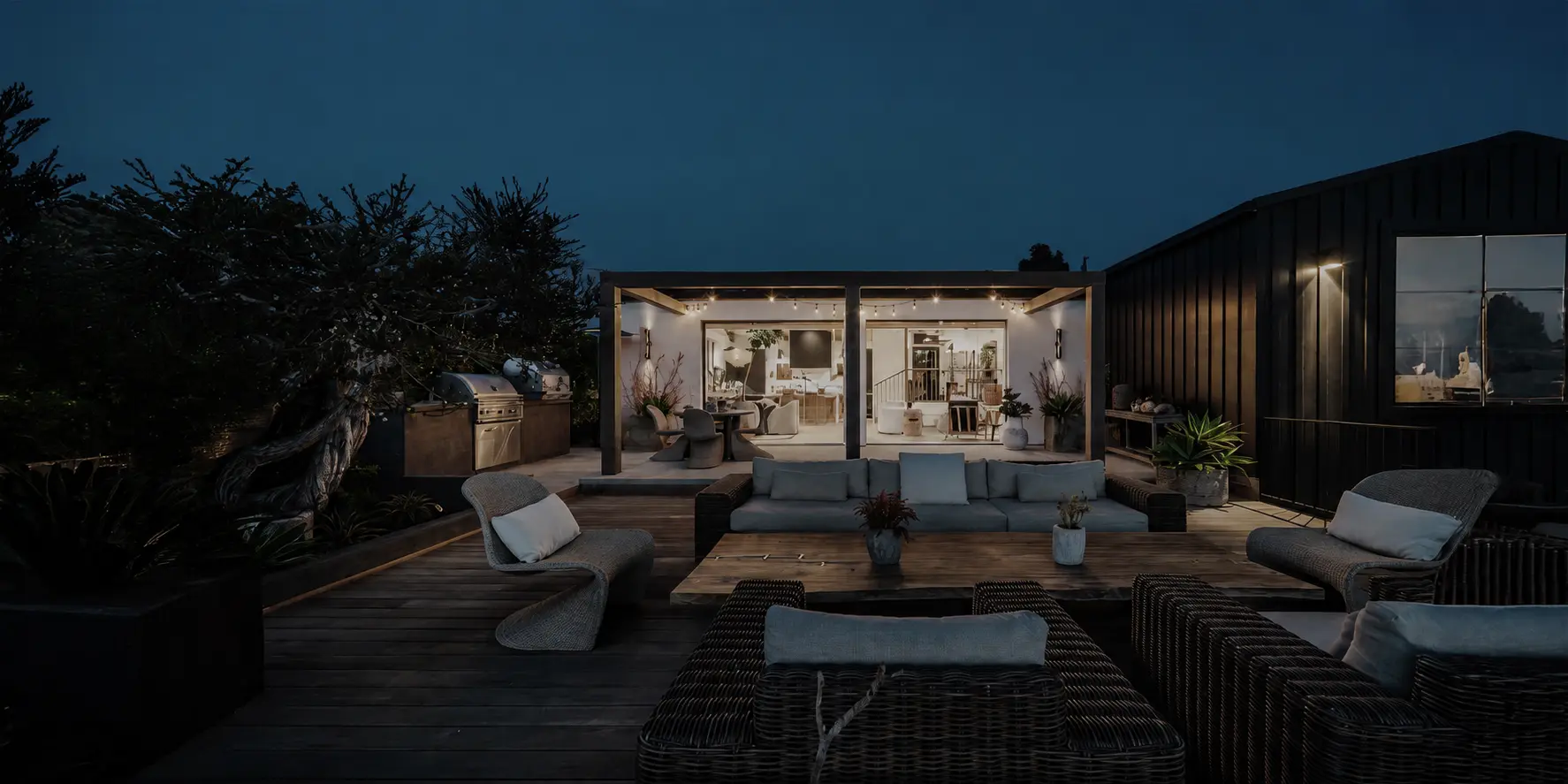
Design for Real Comfort
Affordable housing sometimes gets pushed toward the smallest possible size. Smaller can help with cost, but only if the space still works.
People need places to sleep, cook, store belongings, sit, clean, work, and move around. Families need privacy. Long-term residents need a layout that does not make daily life harder.
Good affordable design should think about:
- Natural light
- Storage
- Heating and cooling
- Kitchen function where needed
- Bathroom comfort
- Privacy
- Durable finishes
- Easy maintenance
- Clear walking paths
A 360 sq ft unit can work well when the layout is honest about what it can do. A 720 sq ft or 900 sq ft ADU can support a different kind of living. A studio can be great as a workspace, but it should not be asked to act like a full home.
Good design is not about making a small space pretend to be large. It is about making the space useful for the life it is meant to support.
Confirm Local Rules Early
Permits and zoning are not the most exciting part of housing, but they can decide the entire project.
Local rules affect what can be built, where it can go, how it can be used, and what approvals are needed. A unit that works in one city may need a different path in another.
This matters for ADUs, homes on wheels, backyard studios, and larger housing projects. The category matters. A small studio may have one approval path. A home on wheels may depend on placement rules. An ADU may need building permits, utility review, foundation planning, and inspections. A multifamily project may need deeper coordination with architects, engineers, and local authorities.
The review should happen early. It should not be the final step after the model is already chosen.
Plan for Life After Installation
Affordable housing does not end when the unit is placed. Someone has to live in it, maintain it, clean it, repair it, manage it, or live next to it.
For homeowners, that can mean utility bills, insurance, property tax changes, parking, privacy, and trash access. For developers, it can mean maintenance cycles, operating costs, resident experience, and turnover. For cities or housing partners, it can mean durability, safety, services, staffing, and long-term support.
A project can be affordable to build and still expensive to operate if the planning is weak.
This is why simple, durable choices matter. Simple does not mean cheap-looking. It means clear, usable, and easier to live with over time.
A Practical Checklist Before Moving Forward
Before developing affordable housing, it helps to slow down and check the project from all sides.
- Start with the use. Is the housing for family, rental use, interim housing, workforce housing, guest space, or flexible extra space?
- Review the site. Look at access, utilities, slope, drainage, setbacks, parking, and local restrictions.
- Choose the right format. A studio, home on wheels, ADU, or developer system should fit the project, not just look good in a photo.
- Build the real budget. Include the unit, site work, permits, delivery, installation, utility connections, inspections, and basic exterior needs.
- Think about daily life. Storage, light, privacy, maintenance, comfort, safety, and outdoor access all matter once someone is actually using the space.
Affordable housing should not only pass inspection. It should work on a normal day, when someone is making coffee, getting ready for work, helping a child with homework, or trying to rest.
Conclusion
Developing affordable housing is not about chasing the lowest number. It is about making smart decisions early so the finished project works financially, legally, and in real life.
The right approach starts with the need. It looks at the site before the design gets too far ahead. It includes permits, utilities, delivery, installation, and long-term use in the budget. It uses faster construction methods carefully, without pretending that speed solves every problem.
At Azure Printed Homes, we build with robotic 3D printing, recycled materials, controlled fabrication, and modular thinking because housing needs better options. But the technology only matters when it supports real people and real projects.
Affordable housing should be easier to plan, faster to deliver where possible, and less wasteful to build. Most of all, it should feel like a place where life can actually happen.