Affordable housing can feel like a simple idea until it is time to apply. Then the process can quickly turn into forms, income limits, waiting lists, local rules, deadlines, and terms that are not always easy to understand.
At Azure Printed Homes, we work in a part of housing where planning matters. Our homes, ADUs, studios, and modular living spaces are built with faster construction, recycled materials, and smarter fabrication in mind. But even with a better way to build, affordable housing still depends on the right program, the right location, and the right application path.
This guide walks through how to apply for affordable housing in a clear, practical way. We will look at what affordable housing usually means, where to search, what documents you may need, how waiting lists work, and what to check before you submit anything. The goal is not to make the process sound easier than it is. The goal is to make it feel less confusing before you start.
What Affordable Housing Usually Means
Affordable housing is not one single program. It can mean different things depending on your city, county, income, household size, and housing need.
In most cases, affordable housing may include:
- Public housing
- Housing Choice Vouchers, often called Section 8
- Subsidized apartments
- Income-restricted rental homes
- Senior housing
- Housing for people with disabilities
- Local workforce housing programs
- Nonprofit housing programs
- First-time homebuyer assistance
The first thing to know is that there is usually no one application that covers everything. Most programs are local. That means your path may look different from someone applying in another city, even if you both need the same kind of help.
Start With the Type of Help You Need
Before filling out forms, get clear on what kind of housing support you are looking for. This step saves time.
Some people need help paying rent. Some need a lower-cost apartment. Some want a voucher they can use with a private landlord. Others need senior housing, disability-accessible housing, or emergency support.
These are different paths.
If You Need Help Paying Rent
The Housing Choice Voucher program may be an option. With this program, a local housing agency helps eligible households pay part of the rent. The household usually rents from a private landlord, and the home must meet program rules.
The challenge is that voucher waitlists are often long. In many areas, they are not open all the time.
If You Need a Lower-Cost Apartment
You may want to look for subsidized or income-restricted apartment communities. These properties often have their own applications and waitlists.
Some are managed by private property managers. Others work with local housing agencies or nonprofit housing groups.
If You Need Public Housing
Public housing is usually owned or managed by a local housing authority. It may include apartments, townhomes, or single-family homes.
Eligibility often depends on income, household size, citizenship or eligible immigration status, and local program rules.
Find Your Local Housing Agency
For many affordable housing programs, the local housing agency is the best place to start. You may see it called a Public Housing Agency, PHA, housing authority, or housing department.
Search for the housing agency that serves your city or county. Nearby areas may have separate agencies, so it can be worth checking more than one.
Look for pages with terms like:
- Apply for housing
- Housing Choice Voucher
- Section 8
- Public housing
- Affordable housing waitlist
- Rental assistance
- Applicant portal
- Income limits
- Eligibility
Some agencies accept online applications. Others use paper forms. Some require appointments. Some only open their waitlist during certain periods.
If the website feels confusing, you are not alone. Take it one page at a time.
Check Whether the Waitlist Is Open
Affordable housing demand is usually higher than the number of available homes. That is why waitlists are common.
A waitlist may be open, closed, or open only for certain groups. Some agencies use a lottery system when too many people apply.
Open Waitlist
An open waitlist means you can apply or submit a pre-application. It does not mean you will get housing right away.
You may still need to wait months or longer, depending on the program and location.
Closed Waitlist
A closed waitlist means the program is not accepting new applications right now. That does not always mean you are not eligible. It may only mean the agency has too many people waiting.
If one waitlist is closed, check nearby housing agencies, nonprofit housing providers, subsidized apartment communities, and local housing resource pages.
Applying to more than one waitlist can help, as long as the program allows it.
Review the Eligibility Rules
Every program has its own requirements, but most affordable housing applications look at a few common details.
These may include:
- Household income
- Household size
- Age, for some senior housing programs
- Disability status, for some programs
- Citizenship or eligible immigration status
- Local residency rules
- Rental history
- Student status, for some properties
- Background screening rules
- Program-specific preferences
Income limits are usually based on the area where the housing is located. A household of one and a household of four will not usually have the same limit.
Local Preferences Can Matter
Some programs give preference to certain applicants. This may include people who live or work in the area, seniors, veterans, people with disabilities, families with children, or people experiencing homelessness.
A preference does not always guarantee housing, but it can affect your place on the waitlist. If a preference applies to you, be ready to show proof.
Prepare Your Documents Early
Many applications begin with basic information. Later, when your name moves forward, you may need to provide documents.
It helps to gather them before you are under a deadline.
Common documents may include:
- Photo ID
- Birth certificates
- Social Security numbers or eligible immigration documents, when required
- Recent pay stubs
- Benefit letters
- Tax returns or W-2 forms
- Bank statements
- Child support records
- Current lease
- Utility bills
- Contact information for current or past landlords
- Proof of local residency or employment, if needed
Not every program will ask for all of these. Some may ask for more. The goal is to be ready.
Keep digital and paper copies if you can. A simple folder on your phone, computer, or in your home can make the process easier.
Fill Out the Application Carefully
Affordable housing applications can be long, but do not rush through them. Small mistakes can create delays.
Read each section before answering. Use your legal name. Double-check your phone number, email, mailing address, household members, and income details.
Be honest about all income sources. Part-time work, benefits, child support, pension income, and gig work may all matter.
Also be clear about who will live in the home. Affordable housing programs review the full household, not only the person filling out the form.
This is not the place to guess. If the information does not match later, the application may be delayed or denied.
Track Every Application
Once you start applying, keep a simple record. This can be a notebook, spreadsheet, phone note, or folder.
Write down:
- Program or property name
- Website or office location
- Date you applied
- Login details
- Confirmation number
- Current status
- Next step
- Contact person, if you have one
This sounds basic, but it helps a lot. Affordable housing applications can take time, and it is easy to forget where you applied or what each program asked for.
Stay Reachable After You Apply
After you apply, check your mail, email, phone, and online portal regularly.
Housing agencies may contact you months later. If you miss the notice, you may lose your place or have to start over.
Update your application if anything changes, including:
- Mailing address
- Phone number
- Household members
- Income
- Employment
- Preference status
This part is easy to overlook, especially during a long wait. But staying reachable is one of the most important things you can do.
What Happens When Your Name Comes Up
When your name reaches the top of a waitlist, you are usually not finished yet. The agency or property manager may still need to verify your eligibility.
You may be asked to:
- Complete a full application
- Provide updated documents
- Attend an interview
- Complete screening
- Choose from available units
- Submit landlord paperwork, if using a voucher
For vouchers, the process may also include a briefing, housing search period, rent review, and inspection before assistance begins.
For income-restricted apartments, the property manager may review income, household size, rental history, and program rules before offering a unit.
This review can take time. Respond quickly and keep copies of everything you send.
Common Mistakes to Avoid
Affordable housing applications are already competitive. Avoiding a few common mistakes can make the process smoother.
Watch out for:
- Applying to only one waitlist and stopping there
- Missing waitlist opening dates
- Using an email you rarely check
- Forgetting to update your contact information
- Guessing income instead of reporting it clearly
- Leaving household members off the application
- Missing document deadlines
- Ignoring letters because they look confusing
- Assuming every program works the same way
- Paying someone who promises guaranteed approval
No one handles every step perfectly. The main thing is to stay organized enough to catch problems early.
Be Careful With Scams
Housing stress can make people vulnerable. Scammers know that.
Be careful with anyone who promises fast approval, guaranteed vouchers, secret government money, or a special way to move you to the top of a waitlist.
Real programs usually review income, household size, documents, and eligibility before approval. A real agency or property manager should be connected to a housing authority, government office, nonprofit provider, or recognized housing program.
Be cautious if someone asks for a large fee just to apply. When in doubt, check directly with the local housing agency.
Building More Practical Housing Choices
Affordable housing is not only about applications. It is also about supply. There are not enough homes that people can reasonably afford, and paperwork alone cannot fix that.
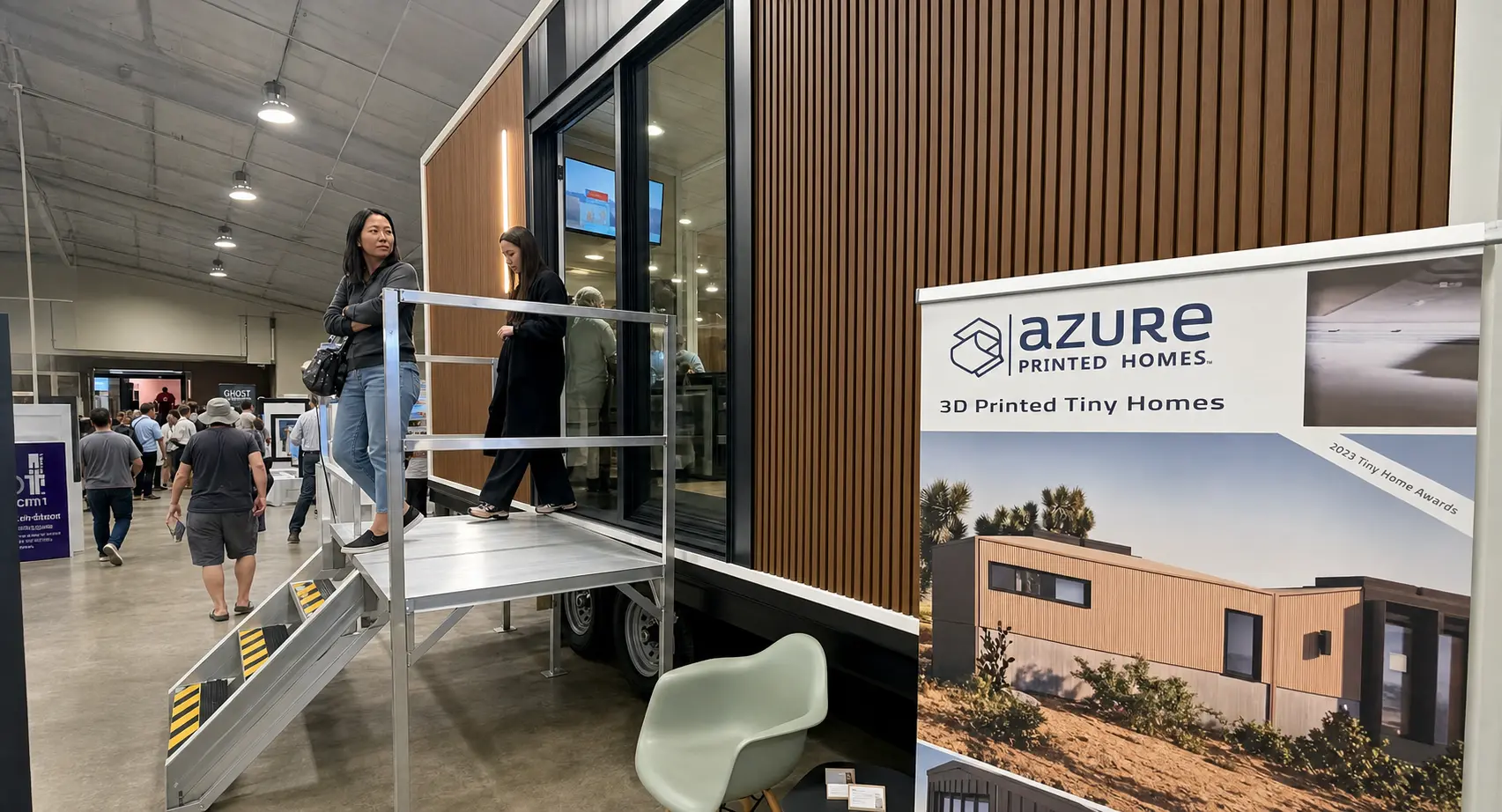
That is part of why we build the way we do. Azure Printed Homes focuses on robotically printed modular living spaces made with recycled materials. Our process uses off-site fabrication, faster production, and controlled manufacturing to make homebuilding more predictable and less wasteful.
Still, applying for affordable housing through a public agency is different from planning an Azure home. Public housing programs have their own rules, funding limits, waitlists, and eligibility requirements.
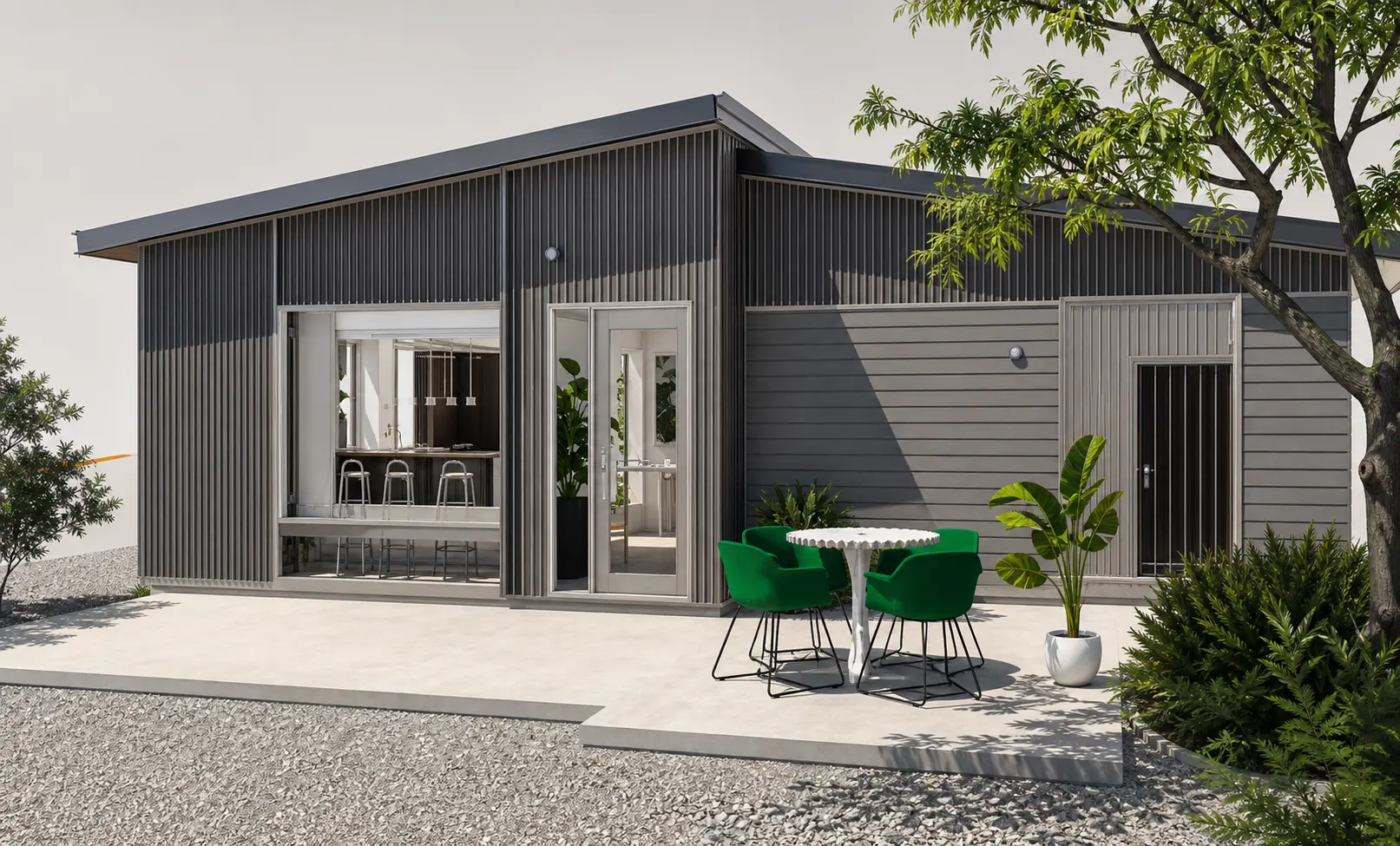
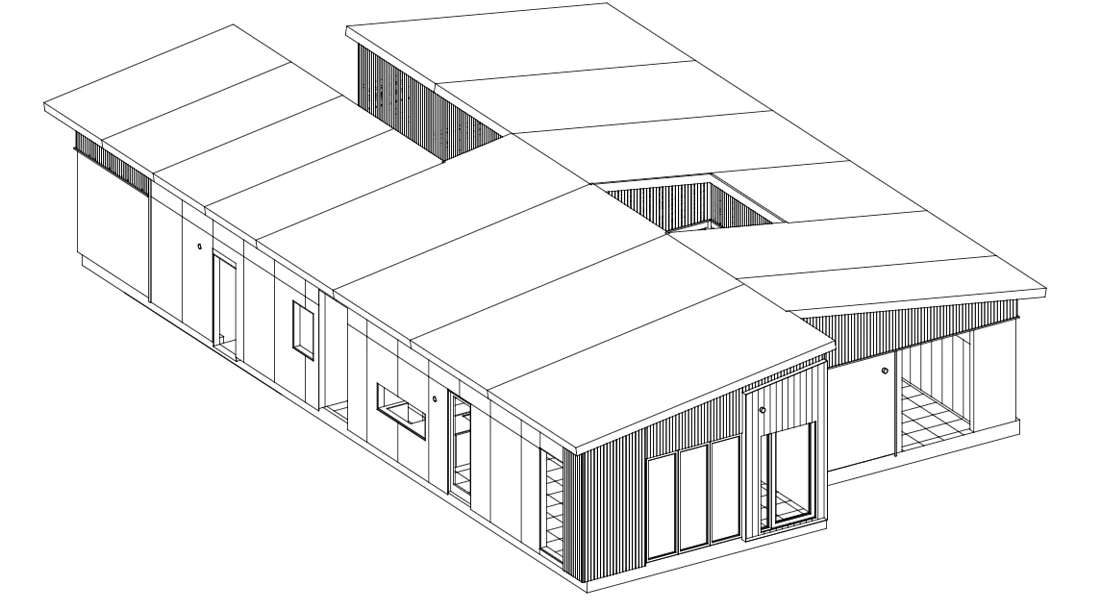
Where our work connects is in the larger need for practical housing options. ADUs, backyard studios, homes on wheels, and scalable modular systems can all support different needs when the land, budget, utilities, and local rules line up.
Different Needs Call for Different Housing Paths
A small studio can create extra room for work, family, or daily use. A home on wheels may support flexibility where placement is allowed. A Homes & ADUs model can support more complete living uses, such as family space, guest housing, or rental potential where allowed.
No single option solves every housing problem. The best path depends on the person, the place, and the rules around the project.
A Simple Step-by-Step Plan
If you are just starting, follow this order:
- Decide what kind of help you need
- Find your local housing agency
- Search for nearby subsidized apartment communities
- Check which waitlists are open
- Review income and household rules
- Gather your documents
- Submit the application carefully
- Save confirmation numbers and login details
- Track every program you applied to
- Update your contact information when it changes
- Respond quickly if your name comes up
- Watch out for scams
The process feels easier when it is broken into smaller steps.
Final Thoughts
Applying for affordable housing can be frustrating because the need is real, but the process can move slowly. That gap is hard for people and families trying to plan their next move.
The best place to start is with the basics. Know what kind of help you need. Find the right local agency. Apply to more than one waitlist when allowed. Keep your documents ready. Stay reachable. Be honest on every form.
At Azure Printed Homes, we look at housing through a practical lens. A good housing path should not depend on guesswork. Whether someone is applying for rental assistance, planning an ADU, looking at a small home, or working on a larger housing project, the idea is the same: the plan has to fit real life.
Affordable housing applications can take time. But a clearer process makes the next step easier to take.