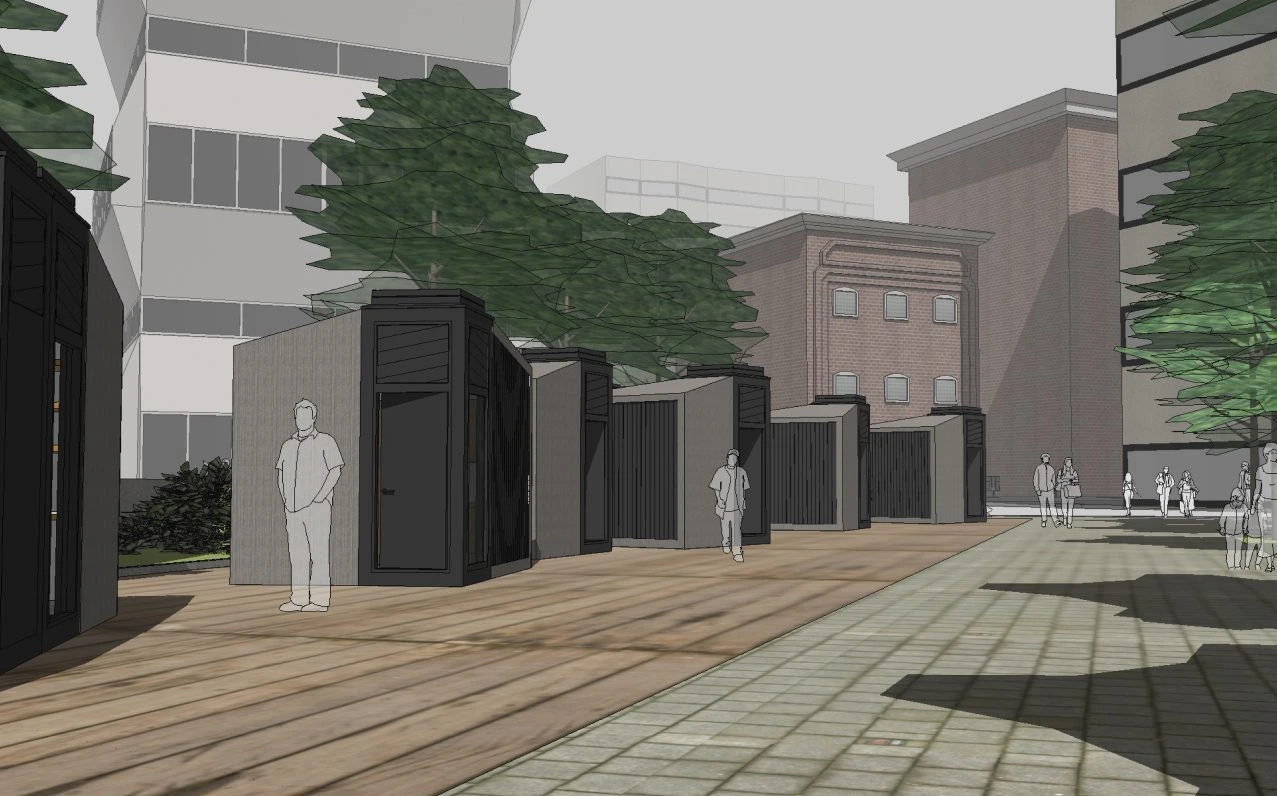
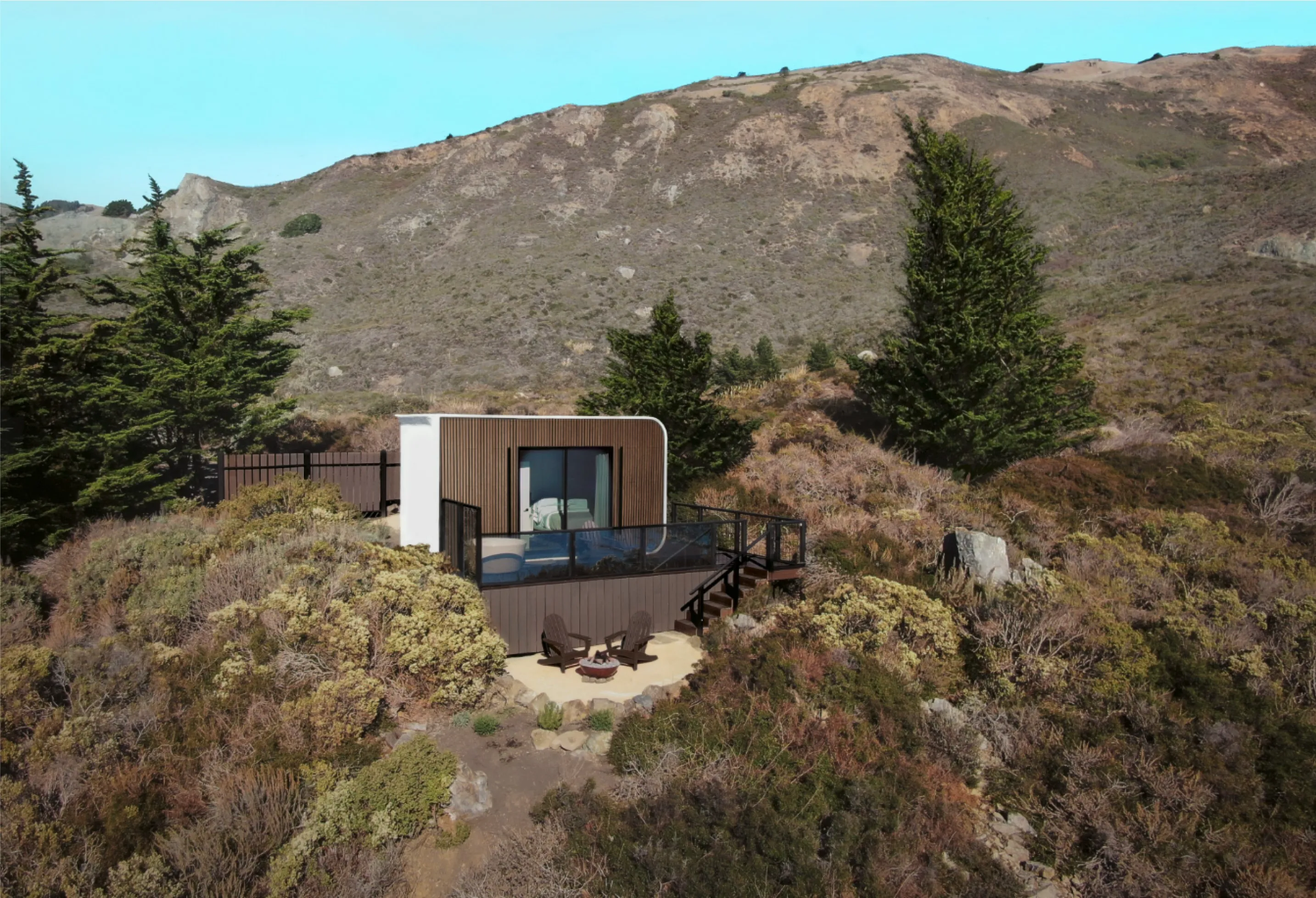
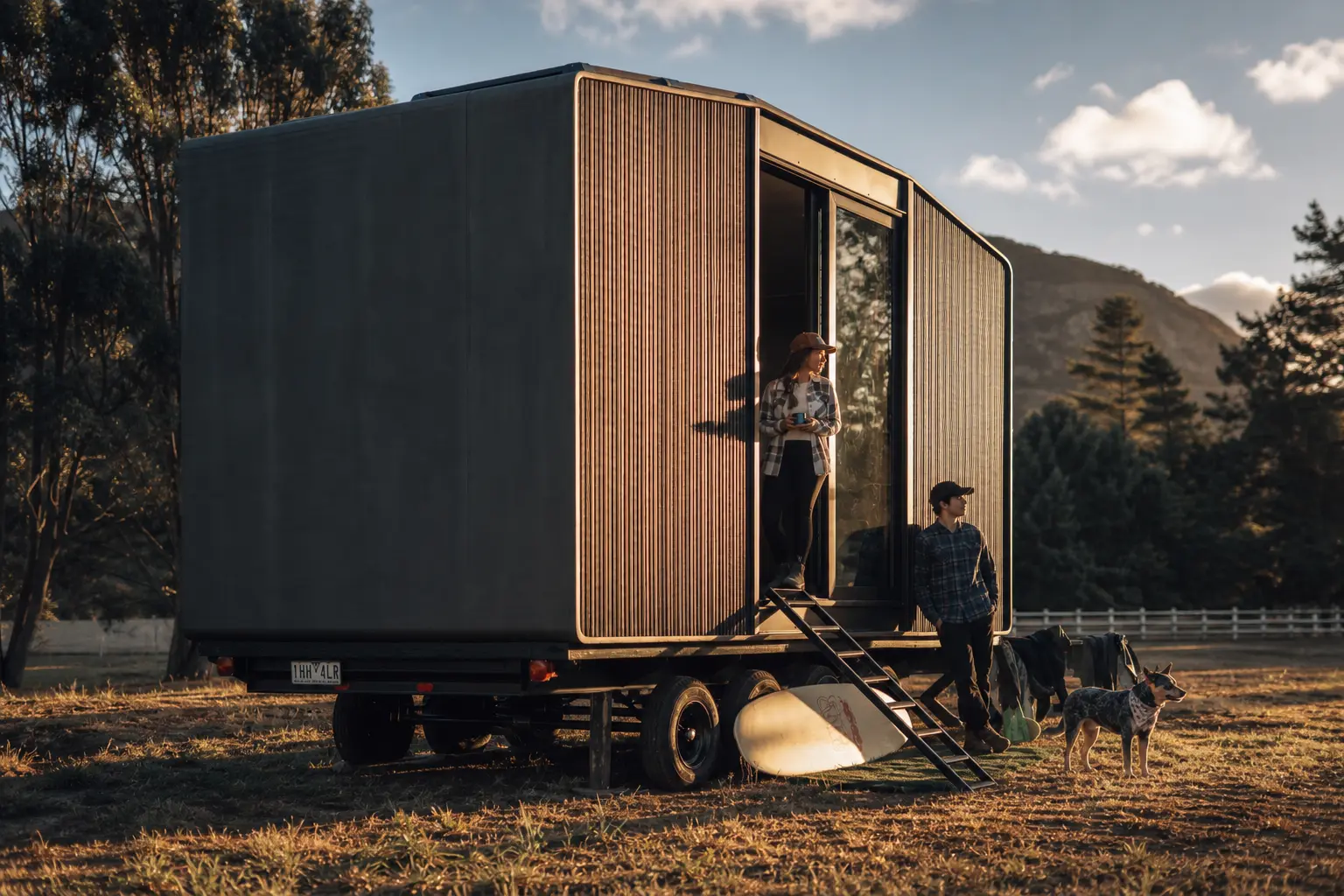
Affordable housing is not only about making a home smaller or cheaper. It is about making every square foot work harder without making people feel like they are giving something up.
At Azure Printed Homes, affordable housing starts with a simple idea: the home has to work in real life. It should feel comfortable, hold up well, use space wisely, and make sense for the land, the budget, and the local rules.
That is where smarter construction can help. With robotic 3D printing, recycled materials, modular layouts, and off-site fabrication, we can rethink how small homes, ADUs, studios, and larger housing projects come together. The goal is not to make housing feel stripped down. The goal is to make it more thoughtful from the start.
A good affordable housing design starts with clear choices. How much space is really needed? What features matter most? Where can the build process be simplified? What can be standardized without making the home feel generic? Those questions shape the whole project.
In this guide, we will look at how affordable housing can be designed in a way that feels practical, livable, and ready for real sites, not just nice on paper.
Start With the Real Use Case
Affordable housing design should begin with one plain question: who is this home for?
A backyard studio, a one-bedroom ADU, a tiny home on wheels, and a repeatable multifamily unit can all be compact. But they do not solve the same problem.
A homeowner may need a quiet office or creative room behind the main house. A family may need a private space for a parent, adult child, guest, or caregiver. A landowner may want flexible housing for a small community, park-style setting, or glamping site. A developer may need repeatable units that are faster and more predictable to deliver.
Each project needs a different design path.
Before choosing a model or layout, it helps to answer a few practical questions:
- Will someone live here full time?
- Does the unit need a kitchen and bathroom?
- Is this for one person, a couple, or a small family?
- Will it be rented where local rules allow it?
- Will it stay in one place or need mobility?
- Does the site have water, sewer, and power access?
- What permits or approvals will apply?
These questions shape the whole project. They decide the size, systems, budget, installation path, and long-term use.
Keep the Layout Simple, But Livable
Affordable housing can go wrong when simple starts to feel stripped down. A home can be small, but it should not feel like every movement is a compromise.
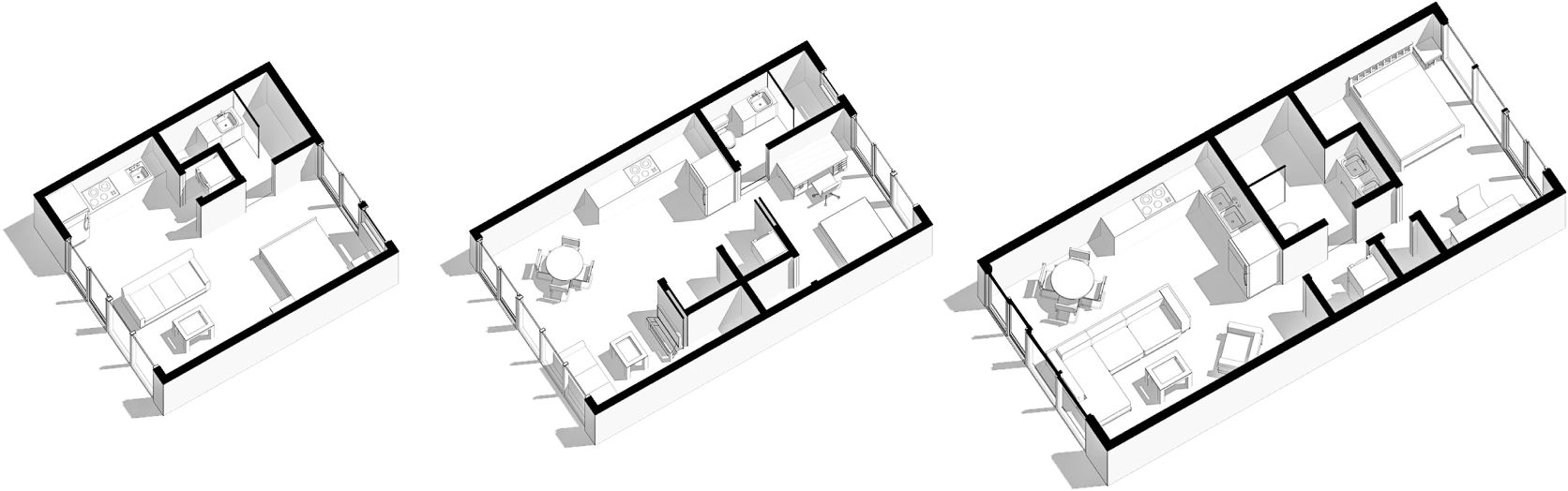
The layout has to do more with less. That means fewer wasted corners, fewer awkward hallways, and fewer rooms that only work in a rendering. Every part of the plan should have a job.
In compact housing, the best layouts usually keep the kitchen easy to use, give the bathroom enough space to feel normal, and make room for storage. They bring in natural light. They make sleeping areas feel intentional. They give the entry a clear purpose, even when the home is small.
People notice these things every day.
A 360 sq ft home can feel comfortable if the plan is clean and the proportions are right. A larger unit can still feel crowded if the layout is trying to do too much. Affordable design is not about squeezing in every possible feature. It is about choosing the right features and giving them enough room to work.
Match the Housing Type to the Need
One of the easiest ways to lose control of an affordable housing project is to choose the wrong category early.
A studio is not the same as an ADU. A home on wheels is not the same as a foundation-based dwelling. A multifamily building system is not the same as a backyard unit. Each path can work, but the design has to match the goal.
Studio Spaces
Studio units are best for extra usable space. They can work well as offices, hobby rooms, creative studios, wellness rooms, or flexible backyard spaces. They are not usually the right answer when the project needs full-time residential features.
This kind of space can support affordability by solving a real need without turning the project into a full housing build.
Homes on Wheels
Homes on wheels can support mobility and flexible placement where allowed. They can be useful for tiny home communities, park-style settings, glamping sites, or land uses that support chassis-based units.
The important part is placement. A home on wheels still needs a legal and practical place to go. It needs access, drainage, utility planning, and clear local approval. Mobility helps, but it does not replace planning.
Homes & ADUs
Homes and ADUs are a stronger fit when the project needs more complete residential use. These units usually need more planning, but they also support bigger housing goals.
That can include family space, guest housing, caregiver space, or rental potential where allowed. The larger the residential role, the more important it becomes to plan utilities, foundation, drainage, access, privacy, and inspections early.
Design Around the Site
A good affordable housing design does not stop at the walls of the home.
The site can quietly change everything. A flat, open yard with nearby utilities is very different from a tight lot with poor access, drainage issues, slope, or long utility runs. The same unit can feel simple on one property and complicated on another.
Before getting too attached to a layout, the site should be reviewed for:
- Delivery access
- Slope and grading
- Drainage
- Soil and foundation needs
- Distance to utility connection points
- Setbacks and lot coverage
- Fire access
- Parking and walkways
- Privacy from nearby homes
This does not mean every site has to be perfect. Most sites have something to solve. But those details should be part of the design conversation early.
Affordable housing works best when the home and the land are planned together. Otherwise, the unit may look affordable on paper while the site work carries the real cost.
Plan Utilities Before the Design Feels Finished
Utilities are not the exciting part of housing design, but they often decide whether a project stays affordable.
A small studio may only need electrical service. A residential unit with a kitchen, bathroom, laundry, and HVAC needs more coordination. Water, sewer, electrical capacity, trenching, panel upgrades, drainage, and connection points can all affect the budget and timeline.
This is where design choices become cost choices.
Placing a bathroom near an existing utility route may reduce complexity. Keeping plumbing grouped can help. Designing a simple mechanical layout can make installation easier. Choosing a model that matches the site’s real utility capacity can prevent late changes.
For larger affordable housing projects, shared infrastructure and repeatable utility layouts can make the whole property easier to build and maintain.
Use Standardization Where It Helps
Affordable housing needs some repeatability. Not because every home should look the same, but because custom decisions can add cost quickly.
Standardized layouts, structural systems, kitchen plans, bathroom cores, wall assemblies, and window placements can help reduce confusion during design and fabrication. They can also make permits, materials, labor, and installation easier to plan.
The trick is knowing what to standardize and what to leave flexible.
A good affordable housing system can still allow choices. Finishes, exterior details, orientation, color, and layout options can make a home feel personal. But the main structure should not need to be reinvented every time.
This is where modular and prefab thinking can help. More work can happen in a controlled environment. Site work can move forward while the unit is being fabricated. The process becomes less dependent on building everything from scratch on the property.
That does not remove every challenge. It just makes the process easier to control.
Treat Comfort as Part of Affordability
Affordable housing should not feel temporary just because it is cost-conscious.
People still need quiet. They need good light. They need air flow. They need insulation. They need a bathroom that works, a kitchen that is not frustrating, and enough storage to keep daily life from feeling messy.
Comfort comes from practical design choices:
- Window placement
- Ceiling height
- Room proportions
- Insulation and thermal performance
- Durable flooring
- Useful storage
- Good lighting
- Privacy between living and sleeping areas
- A clear connection to outdoor space
These are not luxury details. They affect whether people enjoy living in the home.
A home that is technically affordable but uncomfortable will not feel like a long-term solution. Good design should reduce that risk from the start.
Choose Materials With Long-Term Use in Mind
Material choice is a big part of affordable housing design. The lowest-cost material is not always the most affordable over time.
If a material wears out quickly, needs frequent repair, or creates waste during construction, it can add hidden cost. Durable materials can make more sense when they reduce maintenance and support a longer useful life.
Our approach uses robotic 3D printing and recycled material in the structural shell. That matters because affordable housing is not only about the price of the finished unit. It is also about how the home is made, how much waste is created, and how predictable the process can be.
Factory production can help reduce material waste and improve consistency. For affordable housing, that predictability has real value.
The same idea applies to larger building systems. High-performance envelopes, off-site fabrication, light-gauge steel, SIPs, and repeatable components can help reduce on-site complexity and support better energy performance.
Make Energy Efficiency Part of the First Plan
Energy efficiency should not be added at the end. It should be part of the design from the beginning.
A smaller home has less space to heat and cool, but that does not automatically make it efficient. The envelope, insulation, windows, orientation, shading, HVAC strategy, and air sealing all matter.
For affordable housing, energy performance affects the people living in the home after construction is done. Lower operating costs can make a home more affordable month after month.
A few simple choices can help:
- Place windows with heat, light, and privacy in mind
- Avoid oversized glass where it creates cooling issues
- Use insulation that fits the climate
- Plan HVAC around the actual size of the unit
- Keep the building envelope tight and consistent
- Think about shade and outdoor exposure
A home should not be cheap to build and expensive to live in. That is not real affordability.
Design for Faster Delivery Without Cutting Corners
Speed can help affordable housing, but only when it is organized.
A faster build process can reduce disruption, carrying costs, and time spent waiting for usable space. But speed should not mean skipping site review, permits, utility planning, or quality checks. That usually creates delays later.
The better approach is to separate what can happen off-site from what must happen on-site.
The unit can be fabricated in a controlled setting. Interior finishes, electrical, plumbing, and other details can be coordinated before delivery. At the same time, the site can be prepared for foundation, access, grading, drainage, and utility connections.
When both sides of the project move in the right order, the timeline becomes easier to manage. The site still has to be ready, though. A finished unit cannot solve an unfinished site.
Give Outdoor Space a Purpose
Affordable housing should not ignore the area around the home.
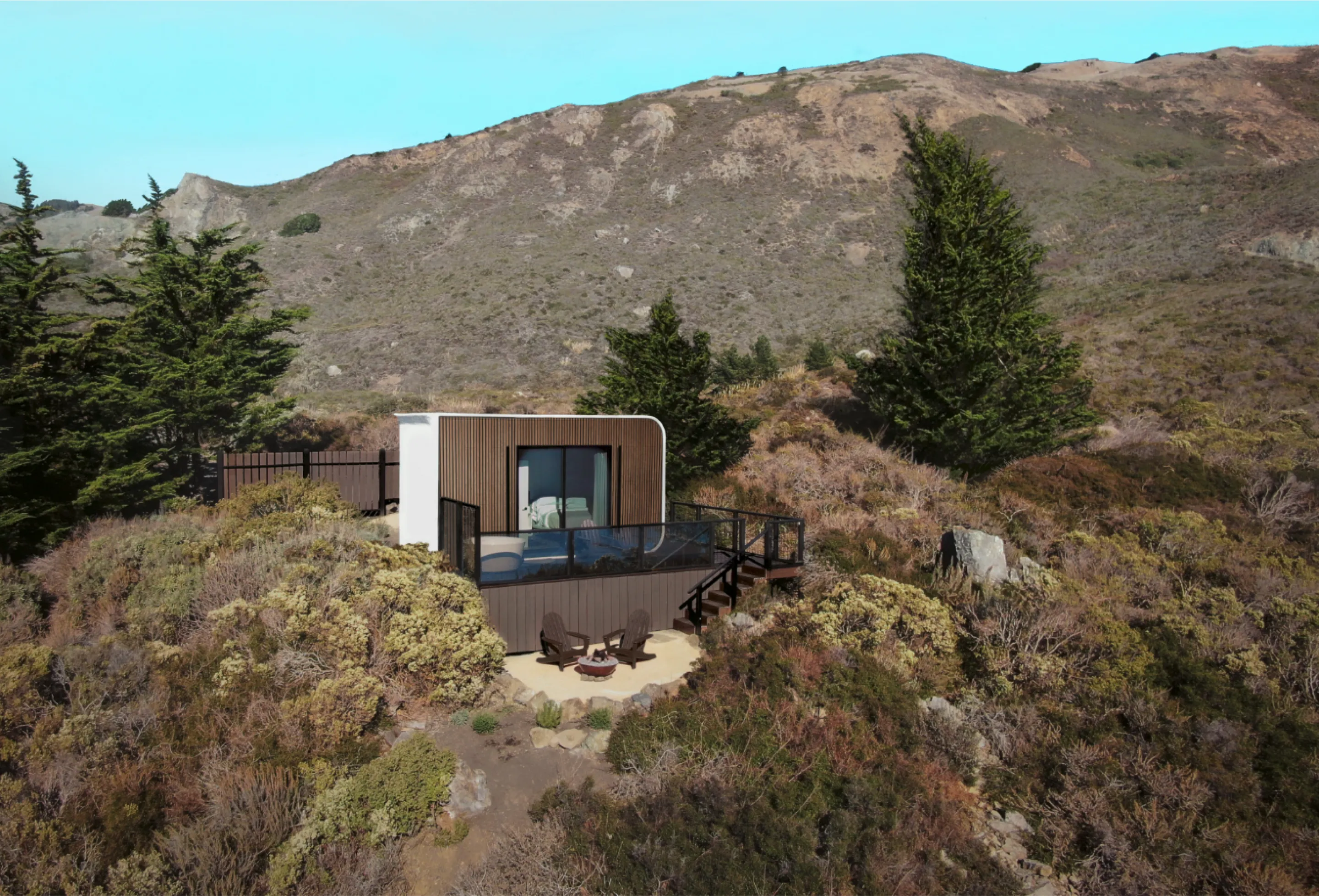
Even a small unit can feel much better when the outdoor space is planned well. A simple porch, walkway, patio, planted buffer, or private entry can make the home feel more complete.
For ADUs, this matters a lot. The new unit should not feel like it was dropped into the last empty corner of the yard. It should have a clear path, a sense of privacy, and a relationship to the main home that feels intentional.
For larger affordable housing developments, outdoor areas can support community without making the site feel crowded. Shared walkways, small courtyards, lighting, and landscaped edges can make repeatable housing feel more human.
Do Not Let the Starting Price Become the Whole Budget
Starting prices are useful. They help people understand the general range. But affordable housing design should never be built around the model price alone.
The full project can include site preparation, foundation, delivery, utility connections, permits, inspections, electrical upgrades, drainage work, HVAC, fire access requirements, landscaping, walkways, and local fees.
Some of these costs are small. Some can be significant. The earlier they are reviewed, the better.
A realistic budget is not meant to scare people away. It helps protect the project. It also makes the design better because smarter choices can be made before drawings, approvals, and site work get too far along.
Affordable housing should be honest about the numbers. That is how good projects stay on track.
Design Around Local Rules Early
Permits, zoning, and local approvals are part of the design process. They should not be treated as something to check after the home is chosen.
Know What the Unit Is
Local rules can affect size, height, setbacks, parking, lot coverage, utility connections, fire access, rental use, and occupancy. A unit that works in one city or county may need a different path in another.
This is especially true for ADUs, homes on wheels, and small backyard structures. The category matters. The use matters. The property matters.
Check the Site Before Moving Forward
A smart early review should look at how the unit is classified, whether the intended use is allowed, what permits are required, and whether the site can support delivery, utilities, drainage, and inspection.
Design for Approval, Not Just the Rendering
The best design is not just the one that looks good in a rendering. It is the one that can actually be approved, installed, connected, and used.
Conclusion
Affordable housing works best when it is designed around real life, not just a lower price point.
The home has to fit the person using it. The layout has to make daily routines easier. The materials have to hold up. The energy performance has to make sense. The site has to support delivery, utilities, drainage, access, and long-term use. The permits and local rules have to be understood before the project gets too far.
At Azure Printed Homes, we approach affordable housing through practical design, robotic fabrication, recycled materials, and modular thinking. But the bigger idea is simple: a good home should be easier to build, easier to live in, and easier to plan honestly from the start.
Affordable housing is not about stripping a home down until it barely works. It is about making better choices. Better layouts. Better systems. Better site planning. Better use of materials. Better expectations.
When those pieces line up, affordable housing can feel like what it should have been all along: useful, comfortable, durable, and ready for real life.