Tiny homes became popular in the United States in stages. The modern movement began around 1999, grew after the 2007 to 2009 recession, and reached a mainstream audience around 2014, when tiny house shows started airing on national TV. By 2018, the International Residential Code had added a dedicated appendix for tiny houses.
Early Roots of Small Living
Small homes are not new. For most of history, houses were small by necessity, and many Americans lived in cabins, cottages and compact bungalows. One of the best-known examples is Henry David Thoreau’s cabin at Walden Pond, which he built in 1845 and which measured about 10 by 15 feet. His writing about simple living is often cited as an early inspiration for the movement.
What changed in the late 20th century was the contrast. New American homes had grown much larger over the decades, which made a deliberately small house look like a lifestyle choice rather than a necessity.
Key Dates in the Tiny House Movement
| Year | Event |
| 1845 | Henry David Thoreau builds his small cabin at Walden Pond. |
| 1998 | Architect Sarah Susanka publishes “The Not So Big House,” arguing for better-designed, smaller homes. |
| 1999 | Jay Shafer founds the Tumbleweed Tiny House Company and starts building a tiny house of under 100 square feet on a trailer. |
| 2002 | Shafer and others found the Small House Society to promote small homes. |
| 2007 to 2009 | The Great Recession pushes many people to rethink mortgages and housing costs. |
| 2013 | The documentary “TINY: A Story About Living Small” is released. |
| 2014 | “Tiny House Nation” and “Tiny House Hunters” begin airing. |
| 2018 | The International Residential Code adds Appendix Q, covering tiny houses of 400 square feet or less. |
Why Tiny Homes Caught On
Housing Costs and the Recession
The 2007 to 2009 recession, with its foreclosures and tight credit, made many people question large mortgages. A small home, often built or bought without a long-term loan, offered a way to own a home with less debt.
Media Attention
Blogs, documentaries and especially TV shows in 2014 turned tiny houses into a visible trend. The shows focused on design, clever storage and life in a few hundred square feet, which brought the idea to audiences far beyond the original enthusiasts.
Simpler and Lower-Impact Living
Smaller homes use fewer materials, need less energy to heat and cool, and encourage owning fewer things.
From Trend to Building Code
As interest grew, the legal side became the main obstacle. Many tiny houses were built on trailers and treated as recreational vehicles, which limited where people could live in them full time. Zoning codes in many areas also set minimum house sizes well above 400 square feet.
The 2018 International Residential Code responded with Appendix Q, which defines a tiny house as a dwelling of 400 square feet or less, excluding lofts, and adjusts rules for ceiling heights, lofts and stairs. States and cities decide whether to adopt it, and zoning still decides where tiny homes can go. Minnesota, for example, includes the appendix in its state residential code.
Tiny Homes Today
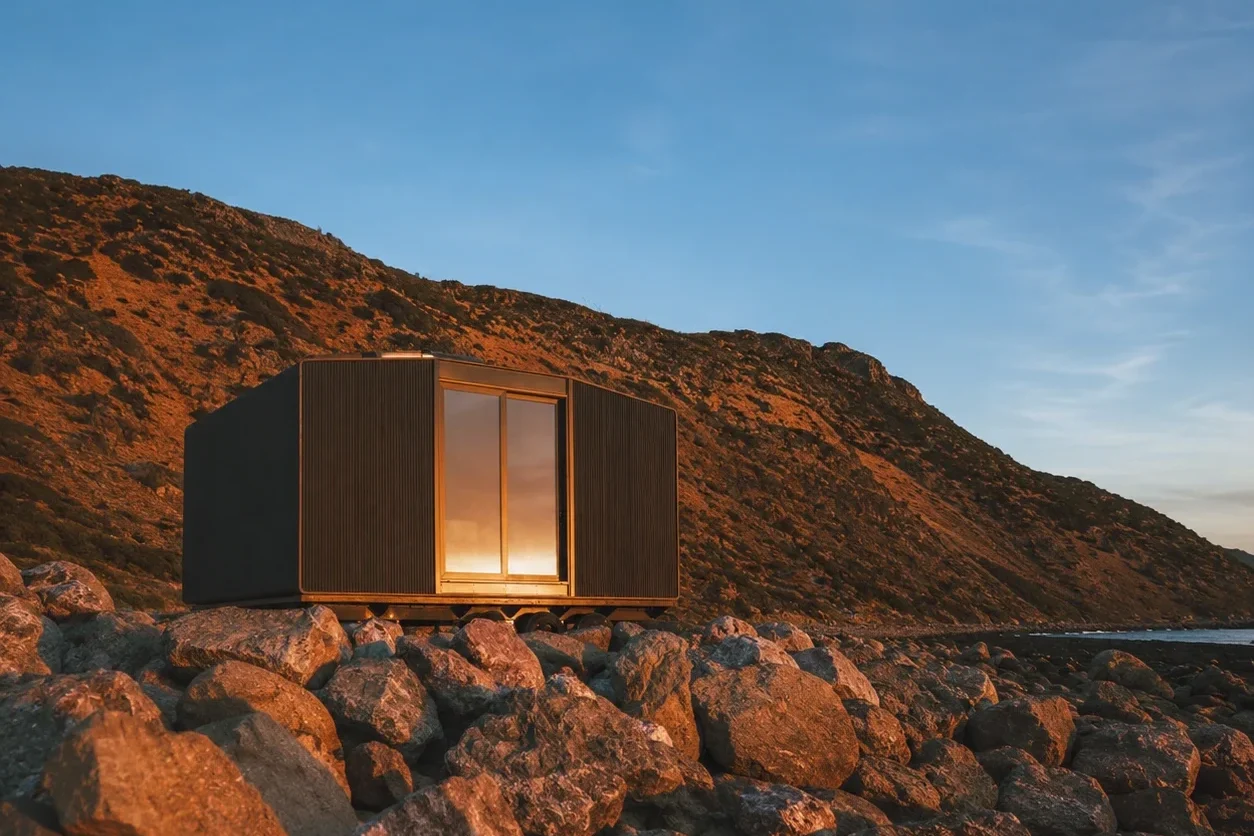
Today, small homes show up in several forms: tiny houses on foundations, homes on wheels, backyard studios and accessory dwelling units (ADUs) built next to an existing house. Many cities have eased ADU rules, which has given small homes a clearer legal path than many early tiny houses on trailers had.
At Azure Printed Homes, our compact models cover several of these forms:
| Model | Type | Size | Layout | Starting price |
| N-100 | Backyard studio | 100 sq ft | Open studio, no bath or kitchen | $24,900 |
| X-180 | Home on wheels | 180 sq ft | Studio with bath and kitchen | $69,900 |
| X-270 | Home on wheels | 270 sq ft | 1 bedroom, bath and kitchen | $84,900 |
| A-360 | Permanent home or ADU | 360 sq ft | 1 bedroom, bath and kitchen | $89,900 |
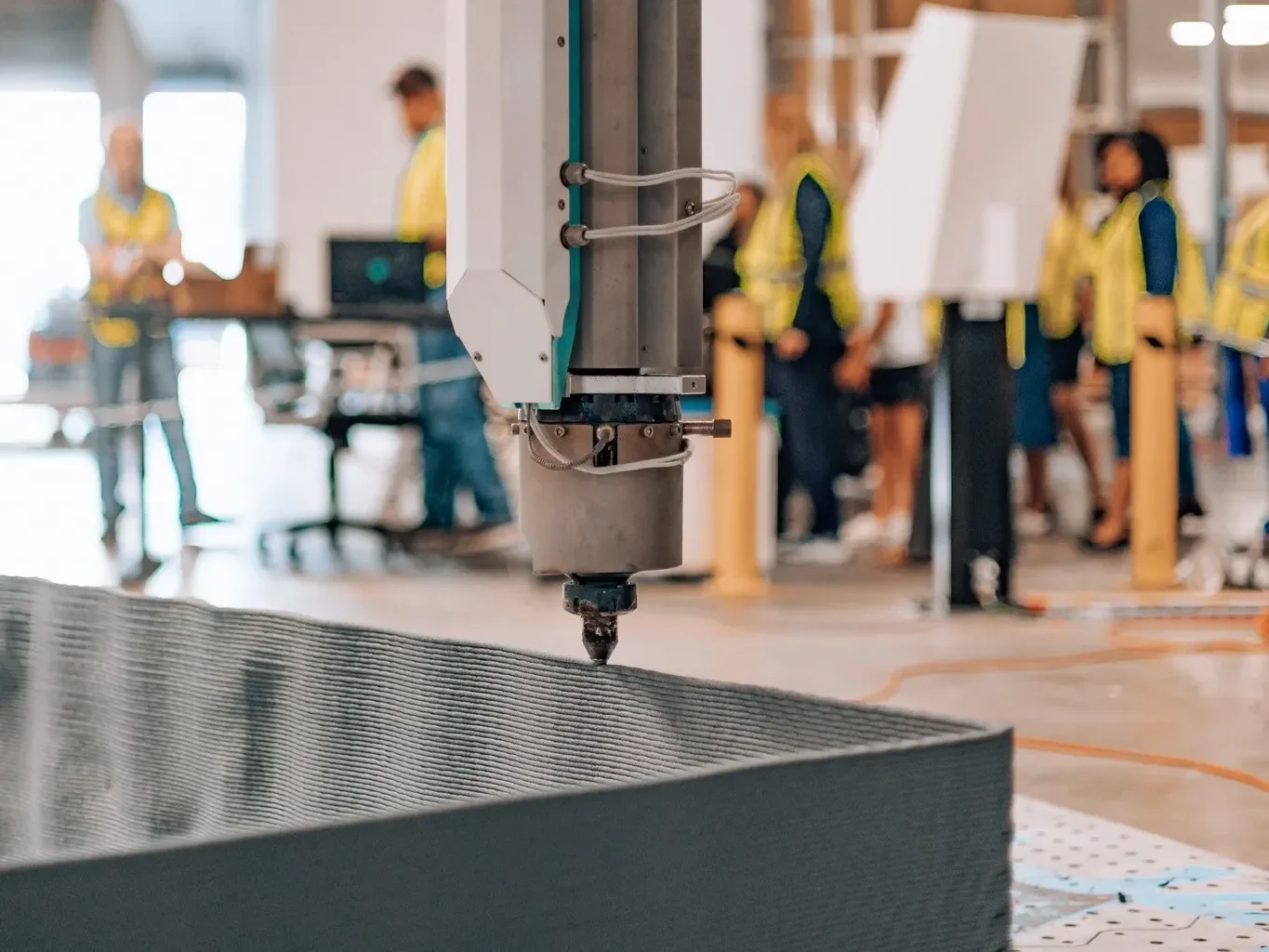
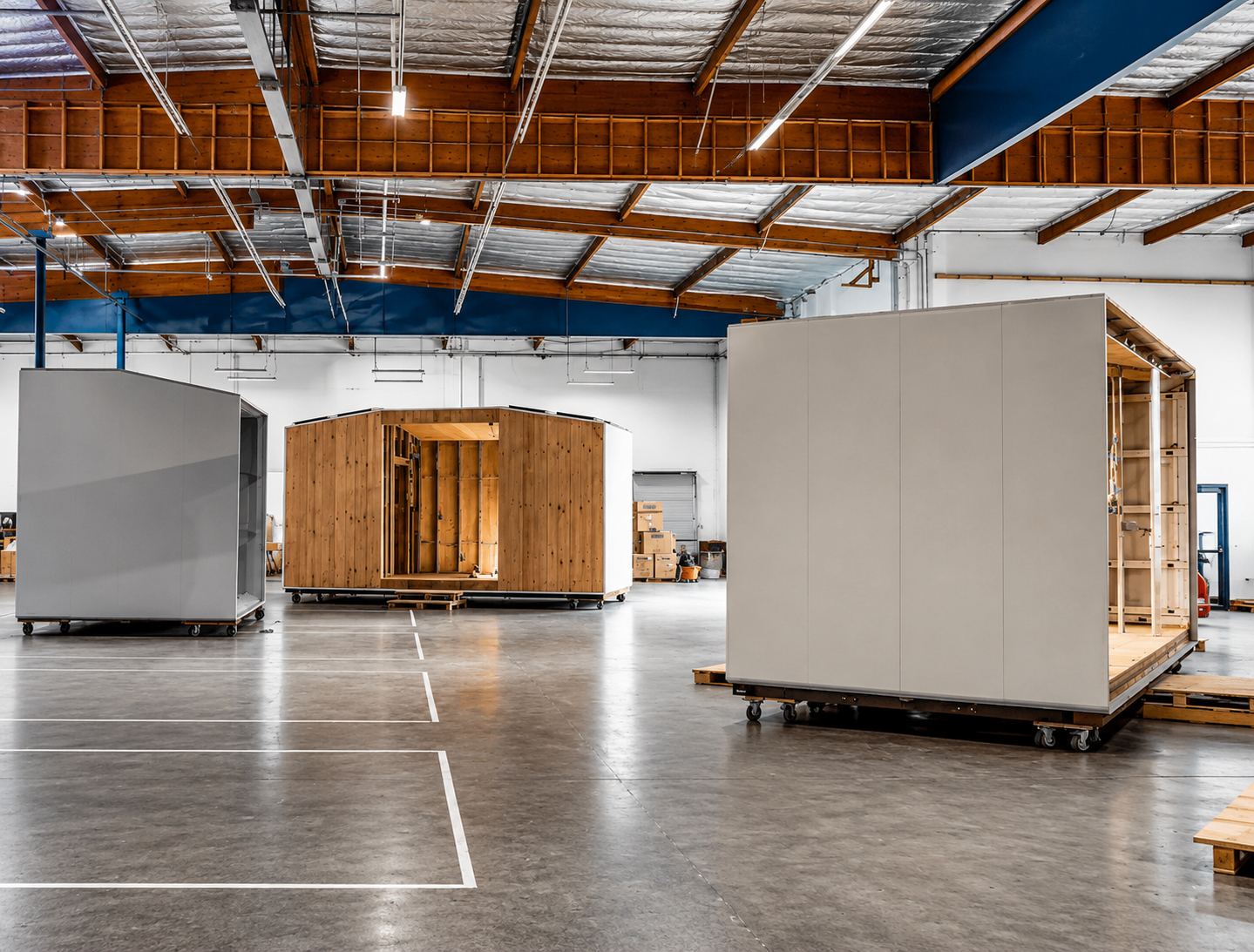
Our units are robotically printed from a material that is more than 60% recycled plastic, using about 100,000 plastic bottles for every 120 square feet, and finished in our factory. Our Homes on Wheels are built on an included chassis and certified at the factory as park models, while our Homes & ADUs sit on permanent foundations.
Tiny Houses vs. ADUs
As the movement matured, the line between tiny houses and accessory dwelling units became important. A tiny house is defined by size, typically 400 square feet or less. An ADU is defined by its use: a second, self-contained home on a lot that already has a main house. A small home can be both, but the label changes which rules apply.
Many cities that set minimum sizes for a primary home allow smaller units as ADUs, as long as they meet the building code and local rules on setbacks, height and parking.
What Makes a Tiny Home Comfortable to Live In
Lofts
Sleeping lofts free up the main floor. The tiny house appendix of the International Residential Code sets rules for loft size, access and guards, and allows stairs, ladders or alternating tread devices to reach them.
Built-In Storage
Storage under stairs, benches and beds keeps the floor clear. In a home of a few hundred square feet, furniture that doubles as storage leaves more room for daily use.
Multi-Use Spaces
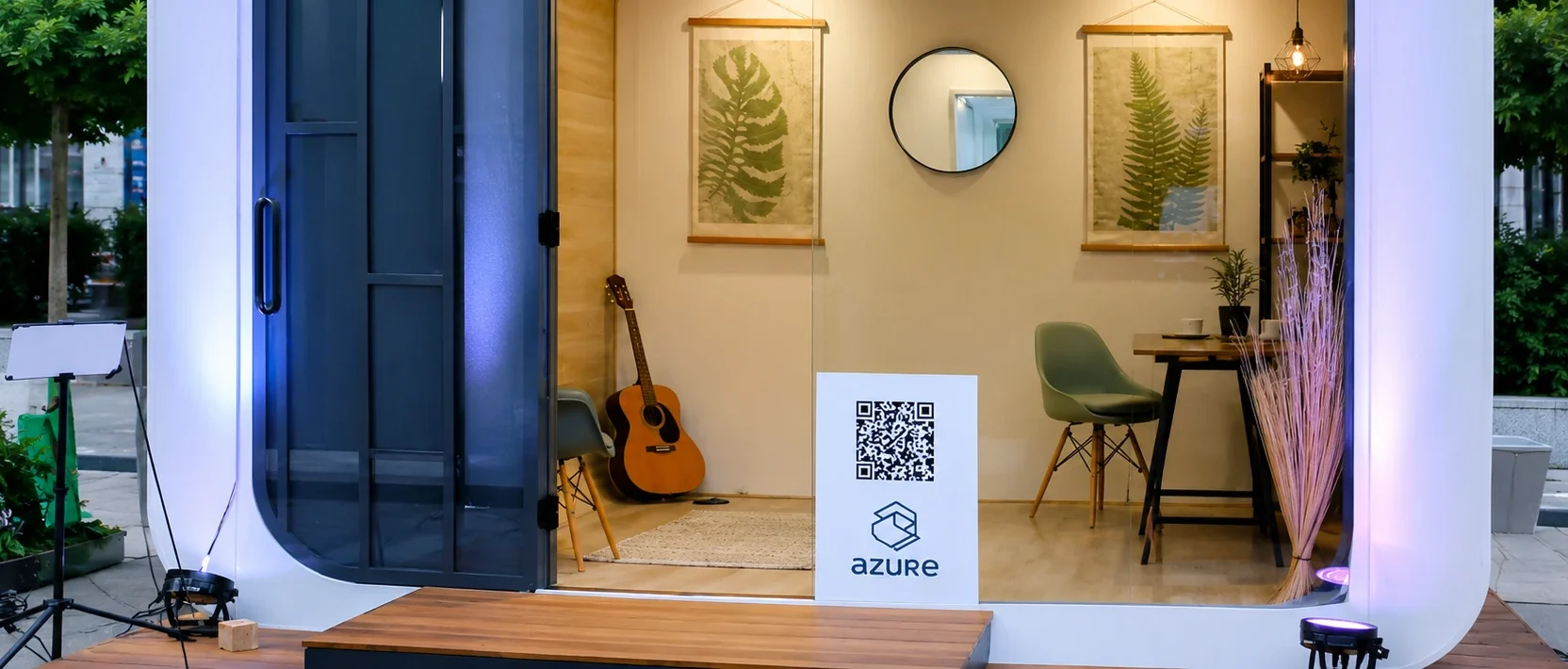
A table that works for dining and work, or a sofa that becomes a bed, lets one room serve several purposes. Fold-down and nesting furniture can be put away when it is not in use.
Light and Views
Large windows make a small space feel more open. The building code also sets minimum window areas for natural light and ventilation in habitable rooms.
Outdoor Living
Decks and patios extend the living space for much of the year. A covered porch or awning makes that space usable in rain or strong sun.
Conclusion
Tiny homes became popular between 1999, when Jay Shafer started building them commercially, and the mid-2010s, when the recession and TV shows such as “Tiny House Nation” brought them into the mainstream.
Today, small homes include backyard studios, homes on wheels and ADUs. Our compact models start at $24,900 for a studio and $69,900 for a home on wheels with a kitchen and bathroom. Contact us to find the right size for your plans.