Finding insurance for a tiny home isn’t always as straightforward as insuring a traditional house. The right policy depends on how the home is built, whether it’s permanently installed or mobile, how it’s used, and how it’s classified by local regulations and the insurance provider.
As more people choose compact, efficient living, insurance companies have expanded their offerings, but coverage still varies widely. Understanding the available options before buying or building a tiny home can help avoid unexpected gaps in protection.
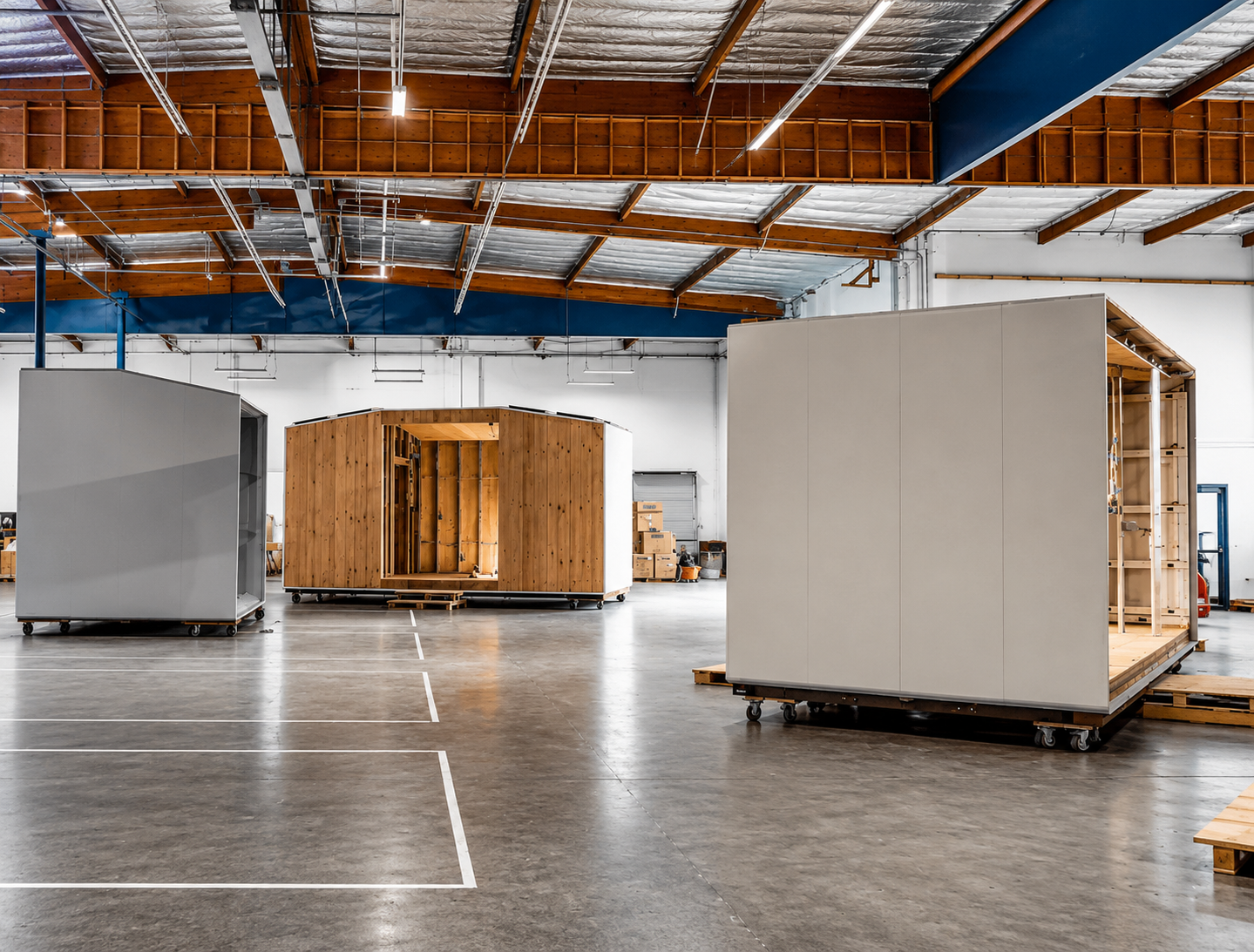
At Azure Printed Homes, we manufacture tiny homes in a controlled factory process, with electrical, plumbing, mechanical systems, and interior finishes completed before delivery. Whether one of our units is installed permanently as an ADU or built as a home on wheels can directly affect the type of insurance available, so buyers should confirm the unit’s classification and intended use with an insurance agent before purchasing coverage.
Can Tiny Homes Be Insured?
Yes. Most tiny homes can be insured, although they don’t always qualify for a traditional homeowners insurance policy. Insurance providers typically look at several factors before determining which type of policy fits a particular home:
- Whether the home is on a permanent foundation or on wheels
- How the home was built
- Whether it was professionally manufactured
- Local zoning and building regulations
- Whether the home is occupied full time, used as a rental, or serves as an accessory dwelling unit (ADU)
- Whether the home is transported regularly
These factors help determine which type of insurance is appropriate and what coverage options are available.
Common Tiny Home Insurance Providers
Unlike traditional houses, tiny homes are often insured through specialty programs or policies designed for specific types of structures. Depending on the home’s design and intended use, insurance may come from companies offering:
- Manufactured home insurance
- RV insurance
- Specialty tiny home insurance
- Landlord insurance
- Dwelling policies for secondary residences
Rather than searching only for insurers advertising “tiny home insurance,” homeowners should first identify how their home is classified. That classification often determines which policies are available.
Insurance Options Based on the Type of Tiny Home
Tiny home insurance depends less on square footage alone and more on how the unit is built, installed, moved, and used. A permanently placed residence, a mobile unit, and a backyard ADU may all require different policies even when they are similar in size. That makes classification the first step. Buyers need to explain the foundation type, mobility, occupancy, rental plans, and construction details before an insurer can recommend suitable coverage.
Permanently Installed Tiny Homes
A tiny home placed on a permanent foundation may be considered for homeowners insurance, manufactured-home coverage, dwelling coverage, or a specialty policy. The final decision depends on local zoning, permits, code compliance, occupancy, and the insurer’s own rules.
We fabricate our modular homes in a controlled factory setting before delivery. Electrical, mechanical, plumbing, and interior finishes are completed during production, giving buyers detailed information about the unit’s construction. Those details can help an insurance agent evaluate the home more accurately, but the site itself still matters. Foundation design, utility connections, local approval, and whether the unit serves as a primary or secondary residence all affect classification.
A properly permitted installation may make the process more straightforward. Buyers should confirm how the local authority classifies the structure and then use that same description when requesting quotes.
Homes on Wheels
A home on wheels brings a different set of risks because it may be exposed while parked, occupied, or transported. Some units may qualify for RV insurance if they meet the relevant construction and certification standards. Others may need specialty tiny home coverage or another policy designed for mobile structures.
Our X-series includes the X180, X270, and X360. These homes are built on a chassis, so buyers should ask insurers how coverage applies in each stage of use. A policy that protects the unit at a fixed location may not automatically cover damage during transport. The same applies to theft of the entire home, which may require a specific endorsement.
Travel frequency can also affect the policy. A unit moved once to a long-term site may be treated differently from one relocated regularly. The towing arrangement, storage location, occupancy pattern, and legal classification should all be disclosed before coverage is purchased.
Backyard Studios and ADUs
Backyard studios and ADUs may sometimes be added to the insurance policy for the main property, but this is not automatic. Coverage depends on whether the unit is used for work, guests, full-time living, multigenerational housing, or rental income.
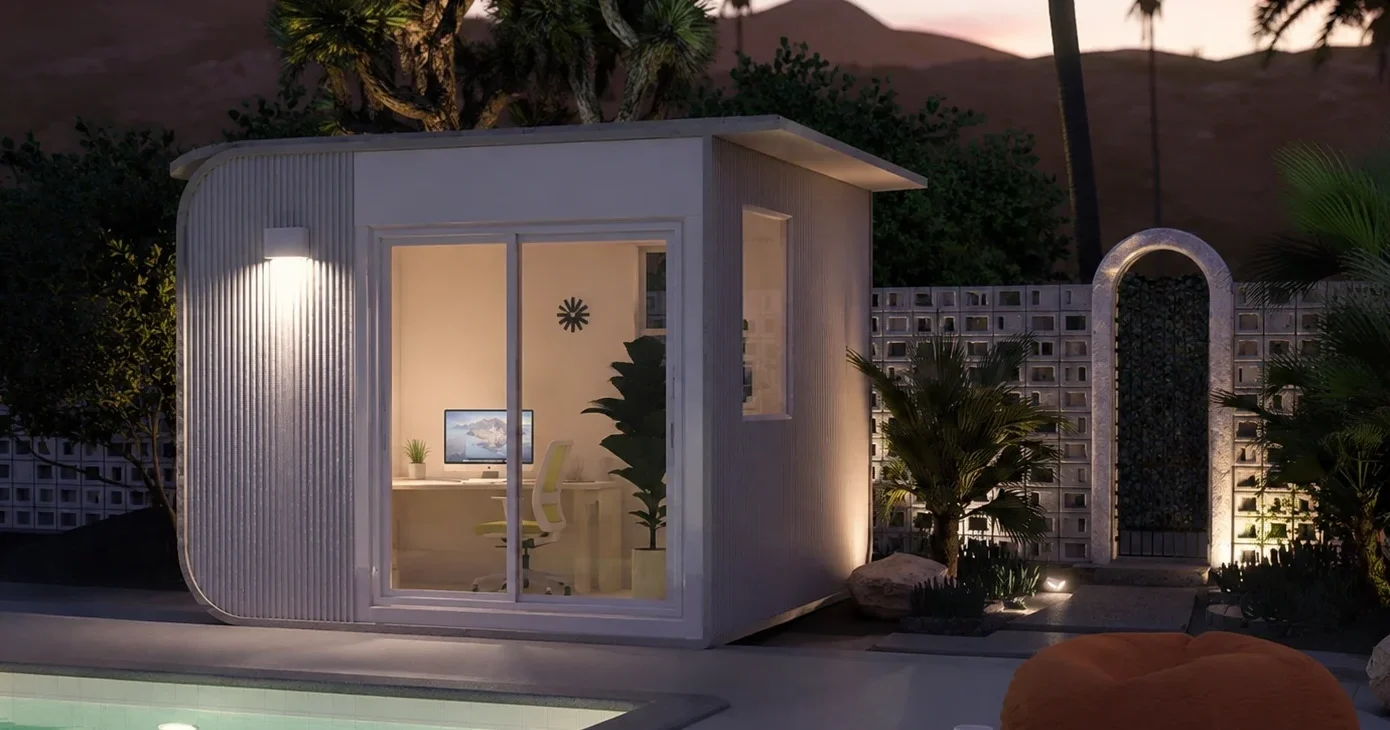
We offer compact studio models and larger ADUs that can serve different purposes. A studio used as a backyard office may be insured differently from one used as a residence. An ADU occupied by family members may also be treated differently from one leased to tenants. Once rental income is involved, landlord insurance or another rental-property policy may be necessary.
The insurer will usually want a clear picture of how the unit connects to the primary property. Ownership, utilities, foundation type, access, occupancy, and rental plans can all influence the result. Buyers should describe the actual use of the Azure unit rather than relying on a broad label such as “tiny house,” since that label alone does not tell the insurer enough.
Extra Factors That Shape Tiny Home Insurance
Tiny home insurance premiums depend on the specific risks connected to the property. Insurers look beyond square footage and assess the home’s location, construction, value, mobility, and use before deciding which policy applies and how much it may cost.
Location
Location can affect both availability and price. Homes in areas with a higher risk of flooding, hurricanes, wildfires, earthquakes, or severe storms may need additional coverage or separate policies for hazards excluded from standard insurance.
Local building and zoning rules also matter. A tiny home that meets local requirements may be easier to classify than one placed in an area where its legal status is unclear.
Construction Type
Insurers often consider whether the tiny home was professionally manufactured or built by the owner. Professionally built homes may be easier to evaluate because there is usually clearer documentation for materials, systems, and construction standards.
DIY homes can be more difficult to insure. Some providers may decline them altogether, while others may request inspections, certifications, or additional records before offering coverage.
Size and Replacement Value
A smaller home does not always mean a lower premium. Insurance cost is influenced by the amount required to repair or replace the structure, including built-in systems, materials, finishes, and attached features.
Two tiny homes with similar dimensions can have very different replacement values. A basic unit may cost less to insure than one with custom finishes, upgraded equipment, or more expensive construction materials.
Mobility
A permanently installed home presents different risks from one that can be transported. Insurers may ask whether the unit stays in one place, how often it moves, and whether it needs protection during transit.
Coverage while parked may not extend to transportation. Owners of mobile tiny homes should confirm whether damage in transit, theft of the entire unit, towing risks, and temporary locations are included or require endorsements.
Occupancy and Intended Use
The way a tiny home is occupied can determine which policy is appropriate. Primary residences, vacation homes, guest houses, long-term rentals, and short-term rentals are not always insured in the same way.
Rental use is especially important to disclose. A policy designed for personal use may not cover claims connected to tenants or paying guests, so landlord or rental-property insurance may be necessary.
Why Professional Construction Can Matter
Insurance providers often look closely at how a tiny home was designed and built before deciding whether to offer coverage. A professionally manufactured unit may be easier to evaluate because it usually comes with clearer information about its materials, structural systems, mechanical components, and construction process. That documentation can help an insurer determine the home’s classification, estimated replacement cost, and overall level of risk.
Owner-built homes and heavily modified structures may require more review. An insurer may ask for inspections, engineering documents, photographs, receipts, or proof that the home meets applicable building standards. In some cases, coverage may be limited or unavailable when the provider cannot verify how the structure was constructed.
We use robotic manufacturing and factory-based fabrication to produce modular homes, studios, ADUs, and homes on wheels. Depending on the project, we build with recycled plastic materials or light gauge steel, then move through a defined process that includes configuration, robotic printing or automated fabrication, finish installation, delivery, and on-site setup.
Professional construction does not guarantee approval, since insurers also consider location, foundation type, occupancy, mobility, permits, and local regulations. Still, having a documented manufacturing process can make it easier to explain what the home is, how it was built, and how it will be used.
Tiny Home Insurance Coverage and Exclusions
Tiny home insurance may include several forms of protection, depending on the policy, the insurer, and how the home is classified and used.
Common coverage may include:
- The tiny home structure
- Personal belongings
- Personal liability
- Additional living expenses after a covered loss
- Medical payments for guests
Policies also contain exclusions. Depending on the insurer and coverage type, tiny home insurance may not cover:
- Flood damage
- Earthquake damage or other earth movement
- Normal wear and tear
- Lack of maintenance
- Pest damage
- Mechanical failures
- Poor workmanship
- Intentional damage
Flood and earthquake protection often require separate policies or endorsements. Owners should review both the included coverage and the exclusions before choosing a policy.
Planning for Insurance Before Construction Begins
Insurance works best when it is considered early, not after the tiny home is finished. The choices made during planning can affect how the unit is classified, what type of policy may apply, and whether an insurer is willing to offer coverage at all.
Before ordering a tiny home, buyers should review:
- Local zoning rules
- Building permit requirements
- Foundation specifications
- Intended use of the unit
- Financing conditions
- Utility connections
- Long-term maintenance needs
These details influence more than the construction process. They can also determine whether the home is treated as a primary residence, an ADU, a mobile structure, a rental property, or another type of dwelling. That classification often guides the insurance options available later.
We help customers define those details from the beginning. The process moves from configuration and site assessment through design development, approval, factory construction, delivery, and utility connection. Establishing the model, materials, installation plan, and intended use early gives buyers clearer information to share with lenders, local authorities, and insurance professionals.
It is also important to speak with an insurer before construction is complete. Buyers may need different coverage during fabrication, transportation, and final occupancy. Confirming those requirements in advance can reduce delays and prevent gaps between one stage of the project and the next.
Conclusion
Tiny home insurance depends on how the unit is built, installed, classified, and used. A permanently placed home, an ADU, and a home on wheels may each require a different policy, so there is no single insurance solution that applies to every project.
The best approach is to plan early, gather accurate construction and installation details, and speak with an insurance professional before the home is delivered. Clear documentation and a well-defined use can make it easier to compare policies, identify exclusions, and choose coverage that protects both the structure and the owner’s investment.