Starting a corporate housing business can sound bigger than it has to be. At its core, it is simple: create a furnished, comfortable, ready-to-use place for people who need housing for more than a few nights but do not want the friction of a long-term lease.
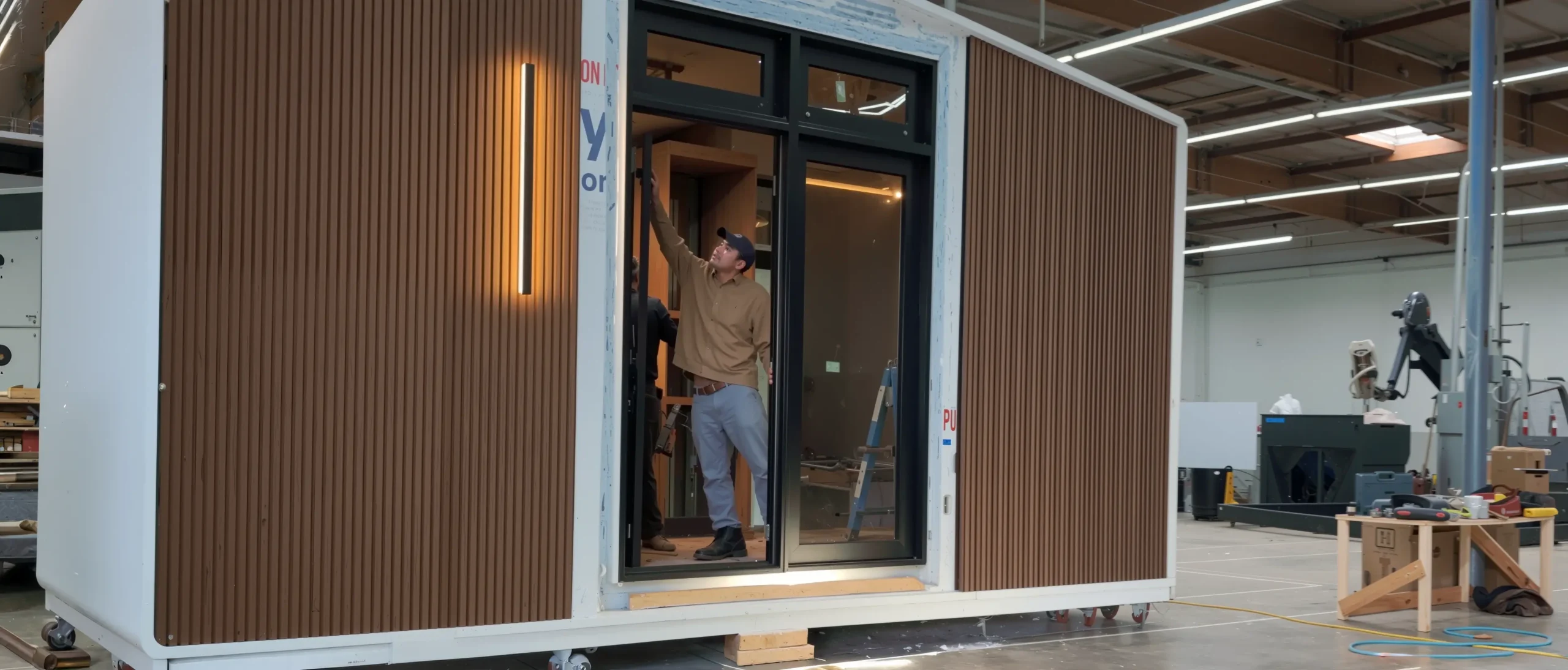
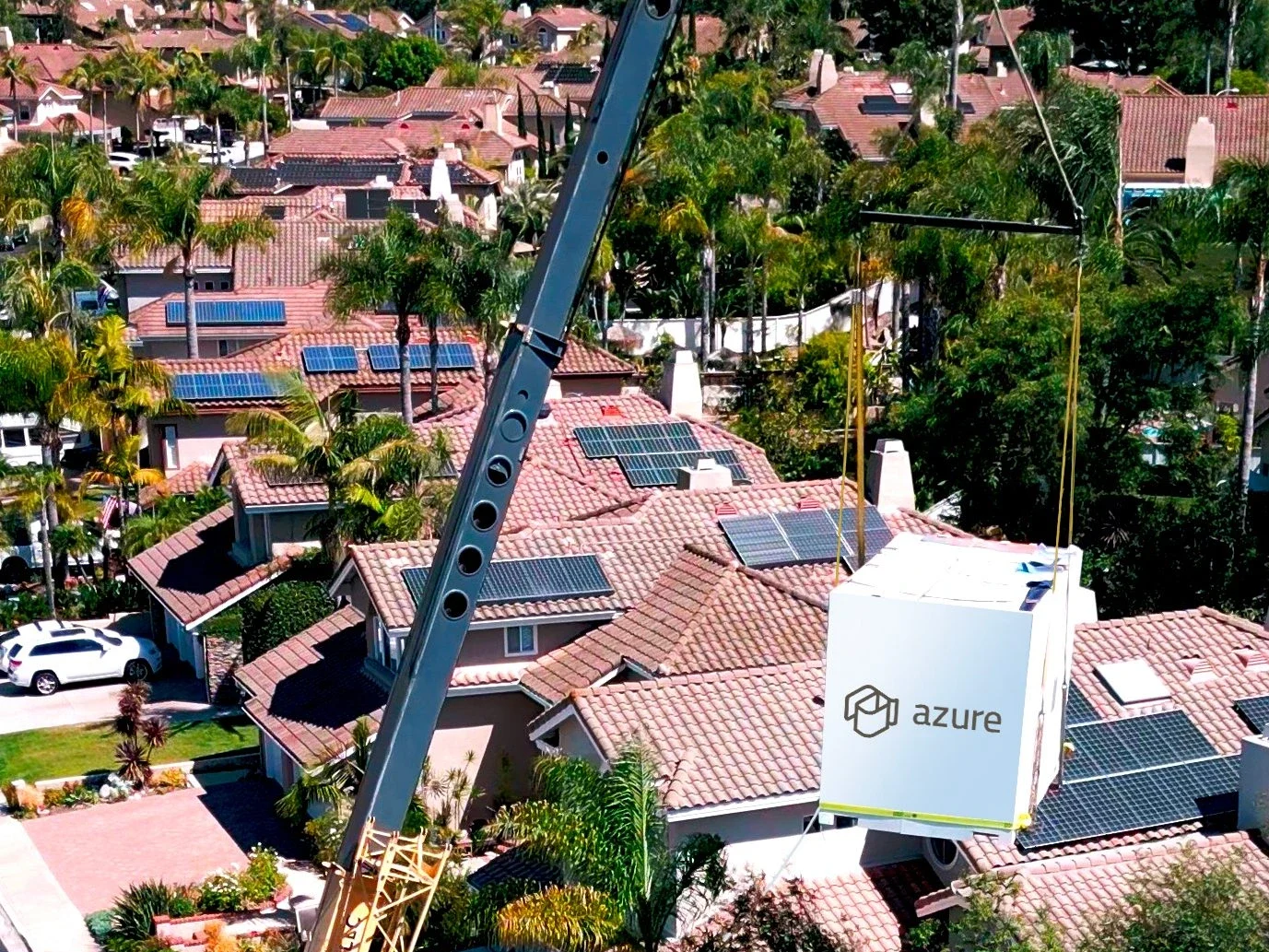
At Azure Printed Homes, we design and manufacture 3D-printed modular spaces, including backyard studios, homes on wheels, Homes & ADUs, and larger building systems for developers. For corporate housing, those options can be used to create furnished units for workers, relocating employees, project teams, or longer-stay guests, depending on the property and local rules.
The best place to start is not with the biggest plan. It is with one clear question: who needs housing in your area, and what kind of space would make their stay easier?
Start With the Guest You Want to Serve
Corporate housing is not one single audience. It can serve traveling nurses, relocating employees, consultants, insurance displacement stays, construction crews, remote workers, visiting executives, and project teams.
Each group has different needs. A traveling nurse may want quiet, parking, laundry access, and a short commute. A consultant may care more about Wi-Fi, a desk, and flexible dates. A relocating family may need more storage, privacy, and a kitchen that works for everyday life.
Before choosing a unit, define the guest:
- Who will stay there?
- How long will they usually stay?
- What brings them to the area?
- What daily comforts do they need?
- Who pays for the stay?
- What location would make their routine easier?
This keeps the business grounded. A corporate housing business built around real demand is easier to plan than one built around a general idea of “furnished rentals.”
Choose a Location With Real Demand
A good corporate housing location usually sits near a reason people need temporary housing. That may be a hospital, university, business district, logistics hub, airport, construction site, film production area, military base, or growing employment center.
The location does not have to be fancy. It has to be useful.
Guests staying for weeks or months care about simple things: commute time, parking, groceries, laundry, safety, quiet, and access to basic services. A beautiful unit in an inconvenient place can still be hard to rent.
A useful location should answer these questions:
- Is there steady work-related demand nearby?
- Can guests commute without stress?
- Is parking realistic?
- Are daily services close enough?
- Does the property support the type of unit we want to use?
That last question matters because not every property can support every housing idea.
Pick the Right Housing Format
This is where people can overcomplicate things. A corporate housing business does not always need a large building. But the unit type has to match the use case.
Studio Series
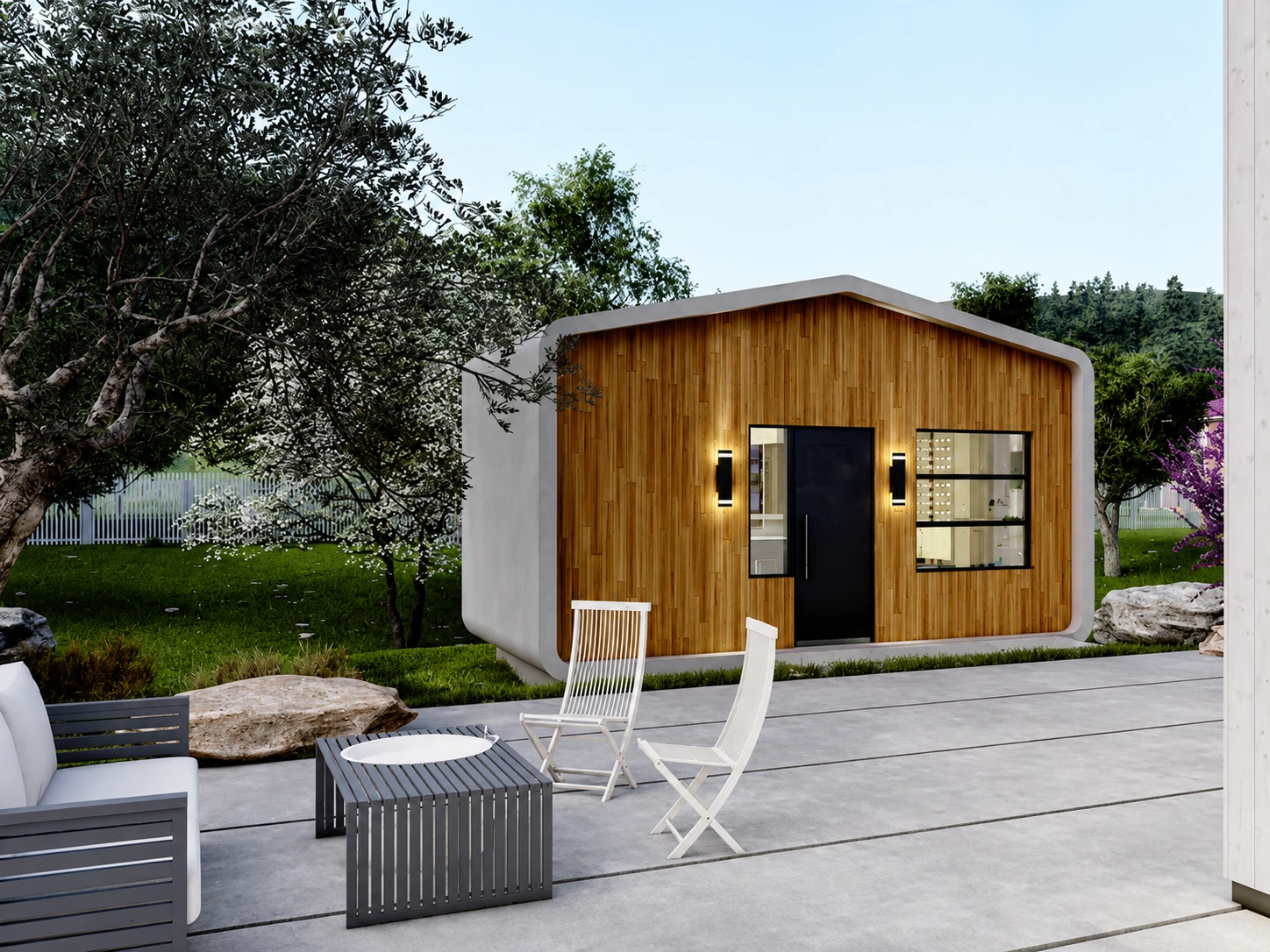
Our Studio Series models, such as the N_100, D_120, and A_120, are compact backyard structures from about 100 to 120 sq ft. These are better for extra workspace, creative rooms, wellness spaces, or flexible property use. They are not the same as full residential corporate housing with a kitchen and bathroom.
X Series Homes on Wheels
Our X Series Homes on Wheels are chassis-based models from 180 to 360 sq ft. They can include sleeping space, a kitchen, bathroom, and small-home comfort. These can make sense for certain flexible housing setups, but placement rules matter. A home on wheels still needs a legal place to sit.
Homes & ADUs
Our Homes & ADUs range from 360 to 900 sq ft and are a stronger fit for longer stays, family use, guest housing, and rental potential where allowed. These units need more planning around utilities, permits, foundation, drainage, and site access, but they can support a more complete living experience.
For larger projects, professional building systems may be a better fit. These are made for developers, architects, and general contractors working on repeatable housing, multifamily, infill, interim housing, or workforce housing projects.
The main point is simple: choose the unit after you understand the business model.
Check Local Rules Before You Spend Too Much
This is not the exciting part, but it can save the project.
Corporate housing depends on legal placement and legal use. A unit may be well built and still not work on a specific property if zoning, permits, rental rules, HOA rules, or utility requirements do not support it.
Local rules may affect:
- Whether the unit can be placed on the property
- Whether it can be used as housing
- Whether rental use is allowed
- Minimum stay requirements
- ADU rules
- Home on wheels placement
- Setbacks and lot coverage
- Parking
- Fire access
- Utility connections
- Foundation or anchoring
The safest order is to define the use, match the unit category, review the property, confirm permits, then move into final design and budgeting. It is not the most glamorous process, but it keeps the plan from drifting into guesswork.
Build a Budget Around the Full Project
The unit price is only one part of the budget. A corporate housing business also has site costs, setup costs, operating costs, and maintenance, so the real number is usually bigger than the model price alone.
Depending on the project, the budget may need to include delivery, site preparation, foundation or anchoring, grading, drainage, permits, utility connections, furniture, appliances, Wi-Fi, insurance, cleaning, maintenance, vacancy periods, and property management tools. These details are not small extras. They shape how the business runs after the unit is placed.
A small studio-style unit may have a simpler setup. A full housing unit with a kitchen and bathroom needs more planning. Units larger than 120 sq ft may involve electricity, water, and sewer connections, while smaller structures may only need electrical service depending on the use and local requirements.
A good budget is not negative. It is just realistic.
Design for Longer Stays
Corporate housing is different from a weekend rental. Guests may live there for weeks or months, so the space needs to support daily routines.
That means comfort matters, but function matters even more. A guest needs a good bed, storage, Wi-Fi, a place to work, simple cooking options, reliable heating and cooling, and clear instructions.
A strong corporate housing setup usually includes:
- Comfortable bed and bedding
- Practical kitchen setup
- Clean bathroom
- Strong Wi-Fi
- Desk or work surface
- Laundry access
- Enough storage
- Durable finishes
- Easy parking information
- Clear check-in instructions
Small things become big things during longer stays. A chair that is fine for one night may be annoying after three weeks. A compact space can work beautifully, but every foot needs a purpose.
Set Up Simple Operations
The housing is only one side of the business. The day-to-day operation matters just as much. Corporate housing works better when guests know what to expect, and when the owner is not solving every small issue from scratch.
Create a Clear Guest Process
Before the first stay, set up a simple system for bookings, check-in, guest messages, payments, and check-out. It does not need to be complicated. It just needs to be easy to follow.
Guests should know how to access the unit, where to park, how to use the Wi-Fi, who to contact, and what to do if something needs attention.
Plan Cleaning and Maintenance
Cleaning and maintenance should be organized before anyone arrives. A good turnover process keeps the unit ready, protects the space, and helps avoid small problems turning into bigger ones.
A simple operating plan should cover:
- Who answers guest questions
- Who handles cleaning
- Who checks the unit after each stay
- How maintenance requests are handled
- How guests access the unit
- How utilities are managed
- How damage is documented
- How payments and invoices are handled
Make Reliability Part of the Stay
Corporate housing guests often expect a steady, low-stress experience. They may be staying because of work, relocation, or a stressful life event. A smooth process makes the stay easier for them and keeps the business easier to manage.
Price the Unit With Real Numbers
Pricing should not be based on hope. It should be based on the local market, monthly costs, likely vacancy, and the type of guest you want to attract.
Corporate housing may be priced monthly, weekly, or through custom agreements with companies, agencies, or relocation partners. Some guests will pay directly. Others may be placed by an employer, insurance company, staffing agency, or housing coordinator.
Before setting a price, look at:
- Monthly operating costs
- Cleaning and turnover costs
- Utility costs
- Insurance
- Maintenance reserve
- Vacancy
- Local furnished rental rates
- Length of stay
- Company or agency demand
If the numbers only work at perfect occupancy, the plan may be too tight. A better business model leaves room for slower months and normal repairs.
Build Relationships Beyond Listing Sites
Online listings can help, but corporate housing often grows through relationships.
Good local contacts may include hospitals, staffing agencies, relocation companies, HR teams, universities, insurance housing coordinators, construction firms, and local employers.
The message does not need to be fancy. People just need to know what you offer, where it is, who it works for, what is included, and how quickly it can be available.
A simple outreach approach can include:
- Location
- Unit size and layout
- Minimum stay
- Included utilities or services
- Parking details
- Commute notes
- Furnishing details
- Contact information
The goal is to become a reliable option when someone needs furnished housing without a long search.
Start Small, Then Improve
The first unit should teach you something. You will learn who books, what they ask for, what wears out, what pricing works, and what the property can handle.
Starting with one clear setup is often smarter than trying to launch a large operation too quickly. Once the first unit works, you can decide whether to add another unit, improve the current one, build company partnerships, or explore a larger housing system.
This is where a more predictable building process can help. With our approach, the path is designed to be clear: configure the unit, print the shell, install finishes, deliver, and install on site. The site still needs to be ready. Permits still matter. Utilities still matter. But the housing side can be more controlled than a fully traditional build.
Common Mistakes to Avoid
Most corporate housing mistakes come from skipping basic planning.
One mistake is choosing the unit before understanding the guest. Another is assuming the property can support the use without checking local rules. Some owners also underestimate furnishing, cleaning, repairs, and guest support.
It is also easy to choose a unit that is too small for the real stay. Compact living can work very well, but longer stays need comfort, storage, privacy, and basic daily function.
The better approach is simple:
- Know the guest
- Know the property
- Know the rules
- Know the full budget
- Know who will run the day-to-day work
That may sound plain, but plain is useful here.
Final Thoughts
Starting a corporate housing business does not need to be overwhelming. It needs to be practical.
Begin with the people who need housing. Choose a location that supports their daily life. Match the unit to the use case. Check local rules early. Build a real budget. Set up simple operations. Then let the first unit show you what the next step should be.
For us, good housing is not only about how a space looks when it is delivered. It is about whether it still makes sense after someone has lived in it, worked from it, cleaned it, maintained it, and booked it again.
That is how corporate housing becomes less complicated. Not because every step is easy, but because every step has a clear reason.